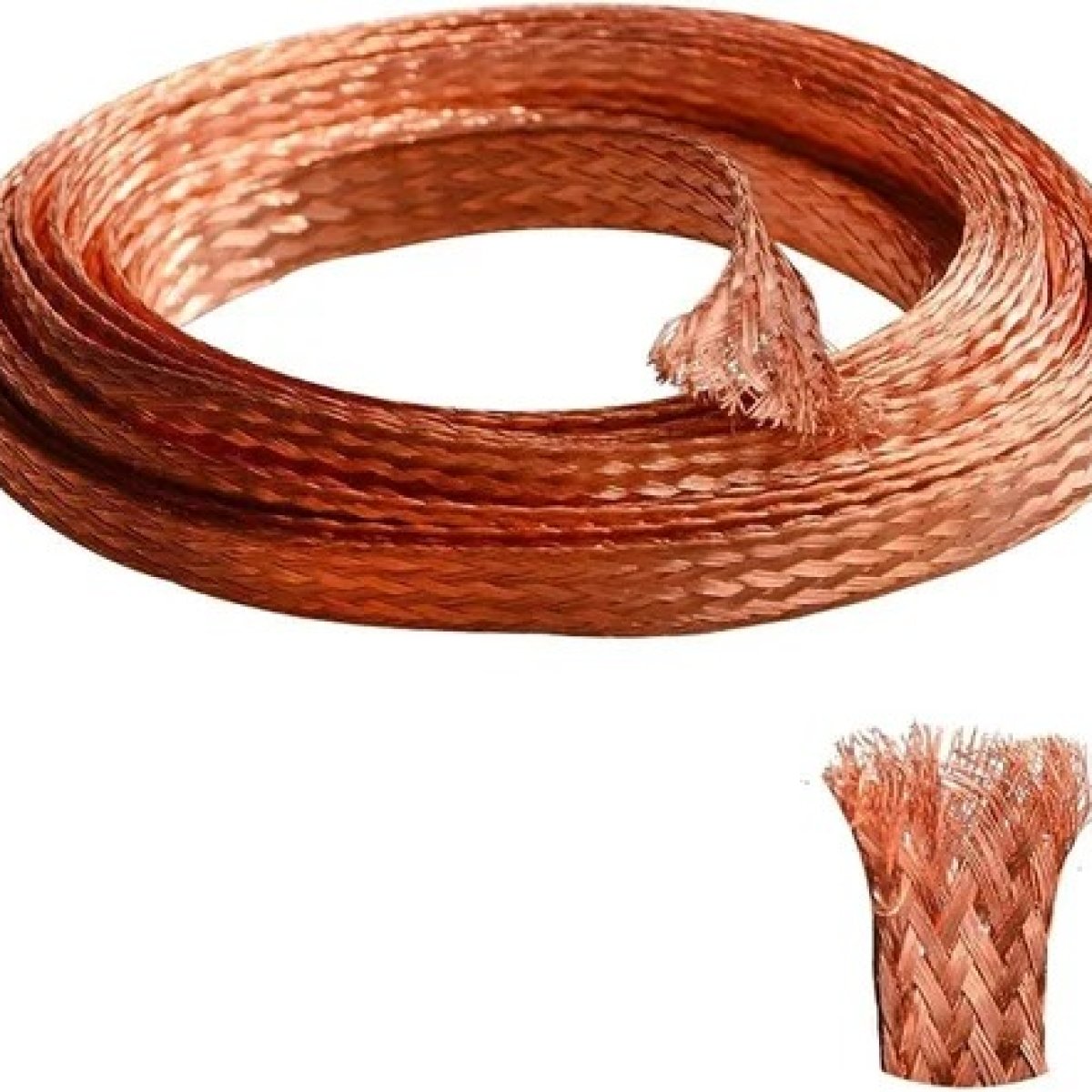
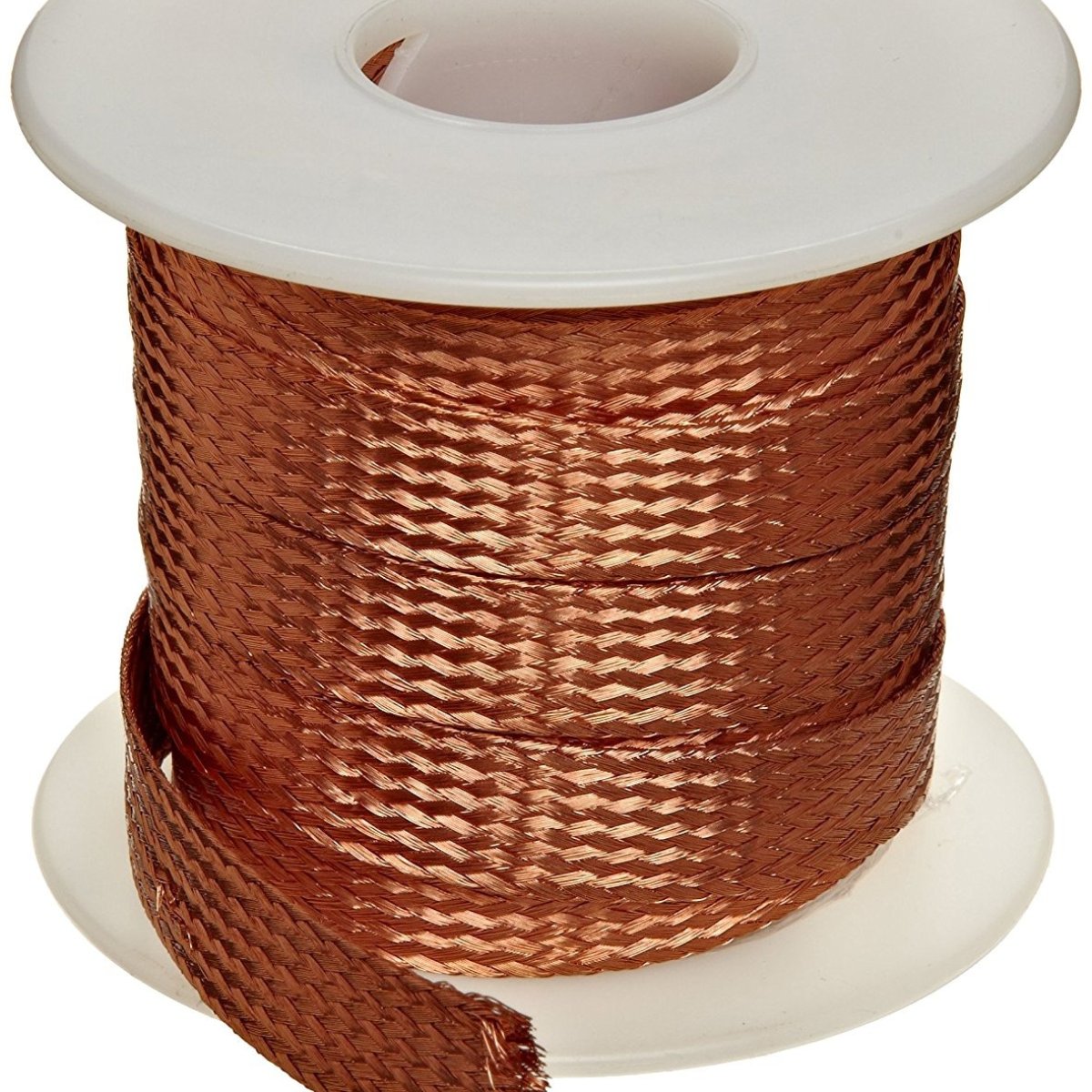
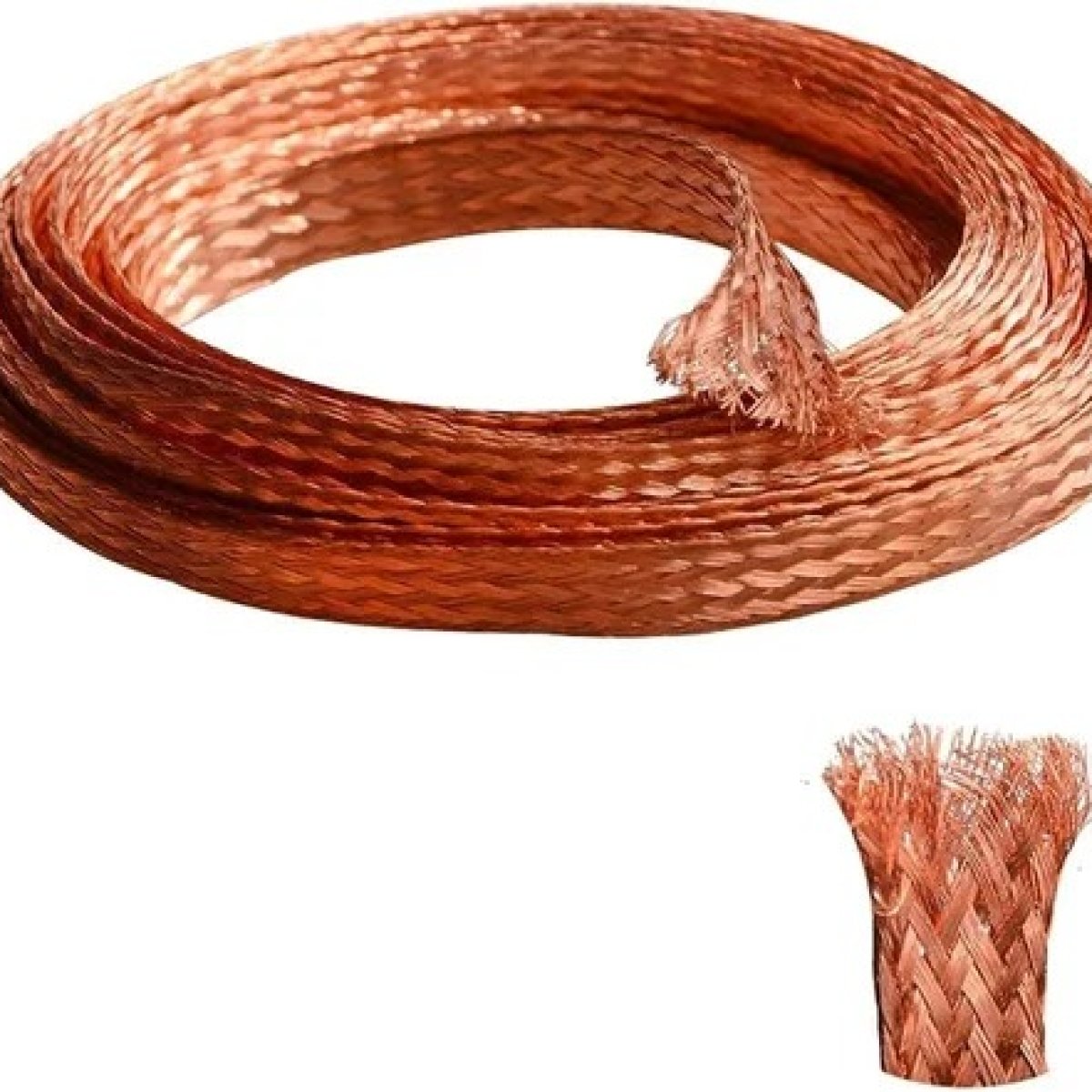
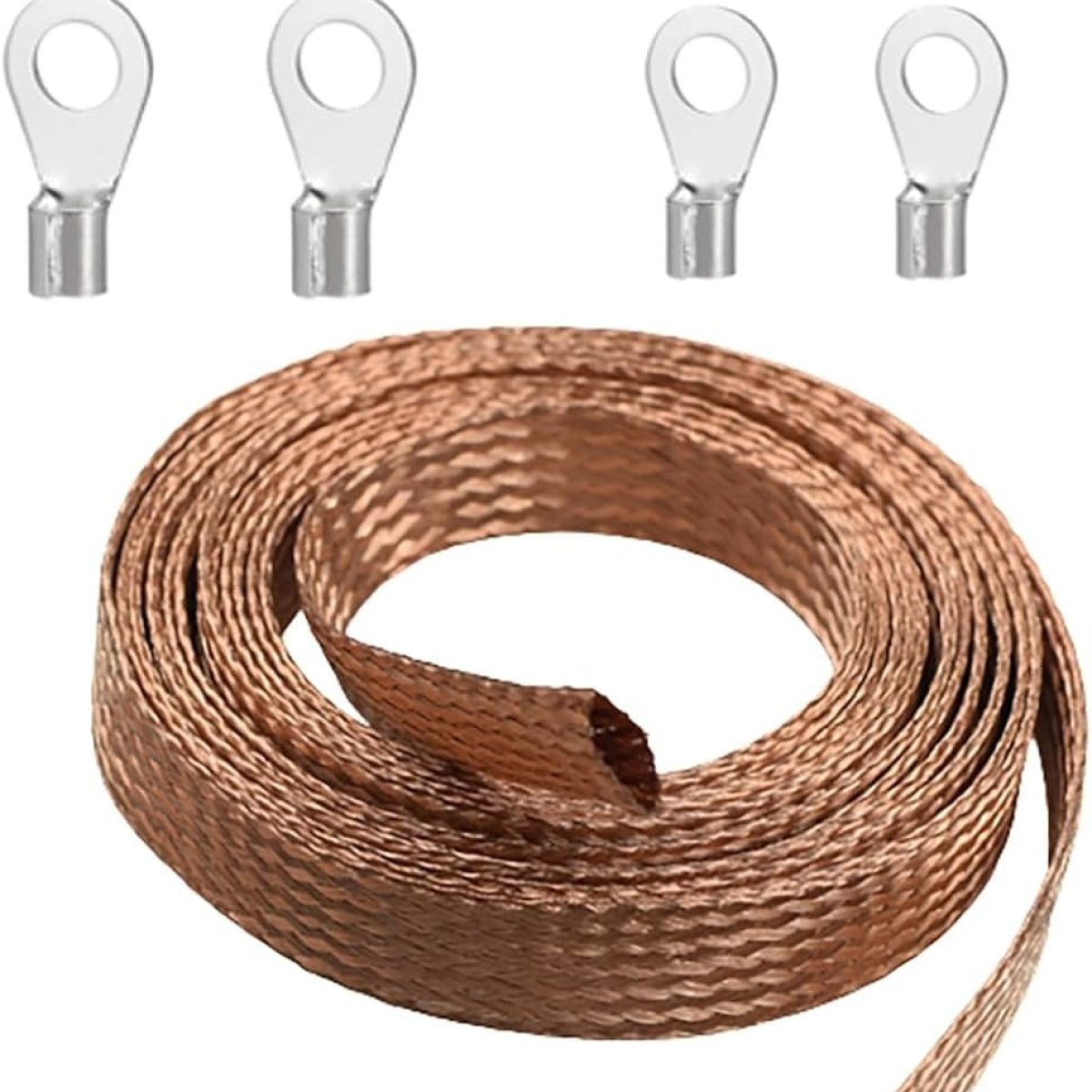
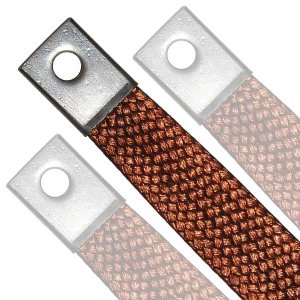
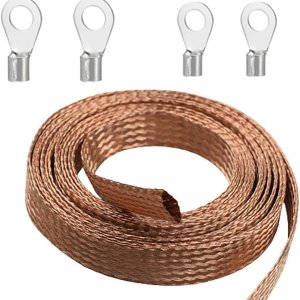
A copper braid is a highly flexible electrical conductor formed by weaving together numerous fine strands of 99.9% pure electrolytic copper wire. Available in flat, round, or tubular shapes, it is specifically designed to provide a low-resistance path to ground while withstanding repetitive mechanical stress, vibration, and thermal expansion that would cause rigid conductors to fracture
Copper braids are the "unsung heroes" of dynamic electrical systems, offering a unique combination of
high conductivity and mechanical durability. They are manufactured by
interweaving hundreds of fine copper filaments (typically 0.05mm to 0.30mm in diameter) in a crisscross pattern, which increases the total surface area for efficient electron flow and
superior heat dissipation.
Primary Types and Benefits
The choice of braid depends on the axis of movement and the specific electrical load required: [
1,
2]
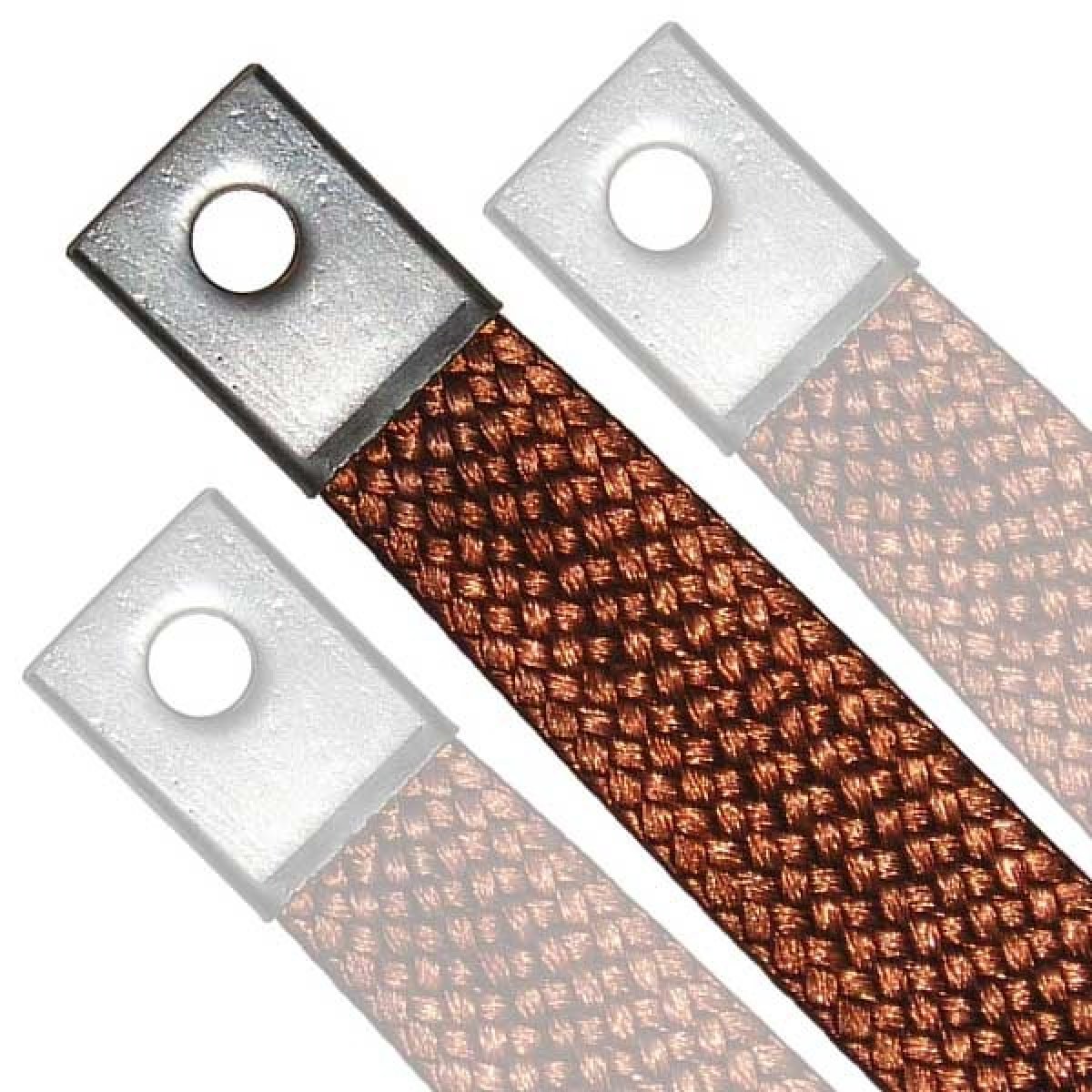
- Flat Copper Braids (Grounding Straps): These are the standard for earthing and bonding. Their ribbon-like shape provides maximum surface contact for surge protection and allows for compact routing in tight switchgear or battery compartments.
- Round Copper Braids: Featuring a cylindrical cross-section, these offer multidirectional flexibility. They are ideal for mobile applications and flexible wiring where components rotate or move in multiple planes.
- Tubular Braids (Shielding): These hollow braids are used as expandable sleeves over cables to provide electromagnetic interference (EMI/RFI) shielding, essential for sensitive medical and telecommunications equipment