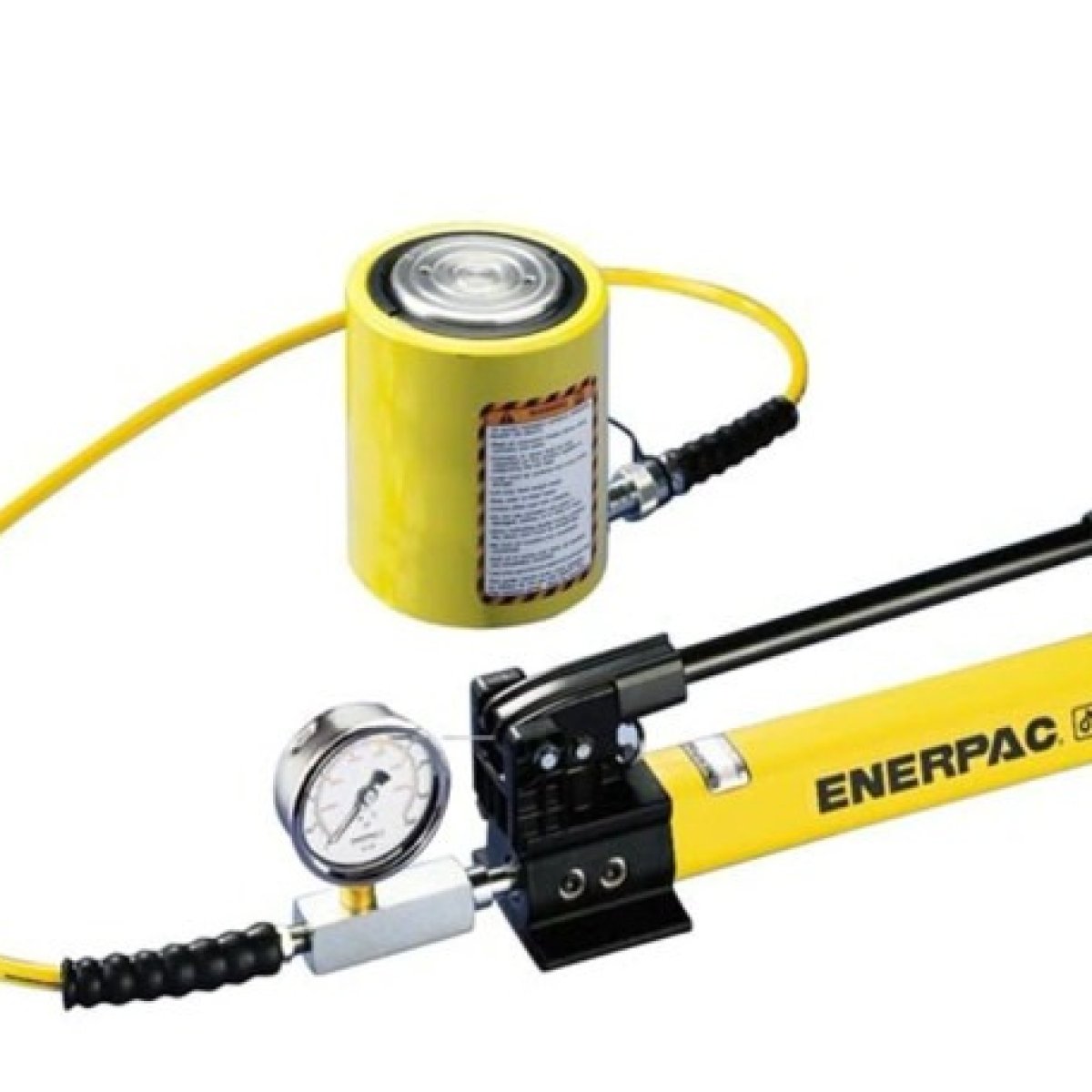
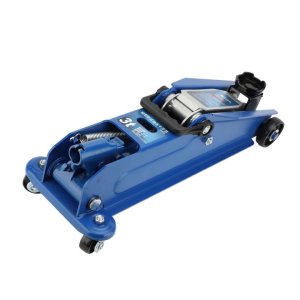
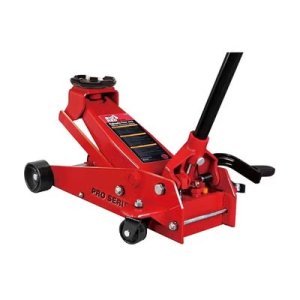
A hydraulic jack uses an incompressible liquid (usually oil) to multiply force, allowing a user to lift several tons with minimal physical effort. It operates on Pascal’s Principle, where pressure applied to a small piston is transmitted equally to a larger piston, creating enough upward thrust to lift heavy machinery or cars
Hydraulic jacks are essential tools in automotive repair, construction, and heavy industry. They are preferred over mechanical screw jacks because they are faster, easier to operate, and can handle significantly higher weight capacities. Most models include a release valve that allows the user to lower the load slowly and safely by bleeding the pressure back into a reservoir.
Common Types:
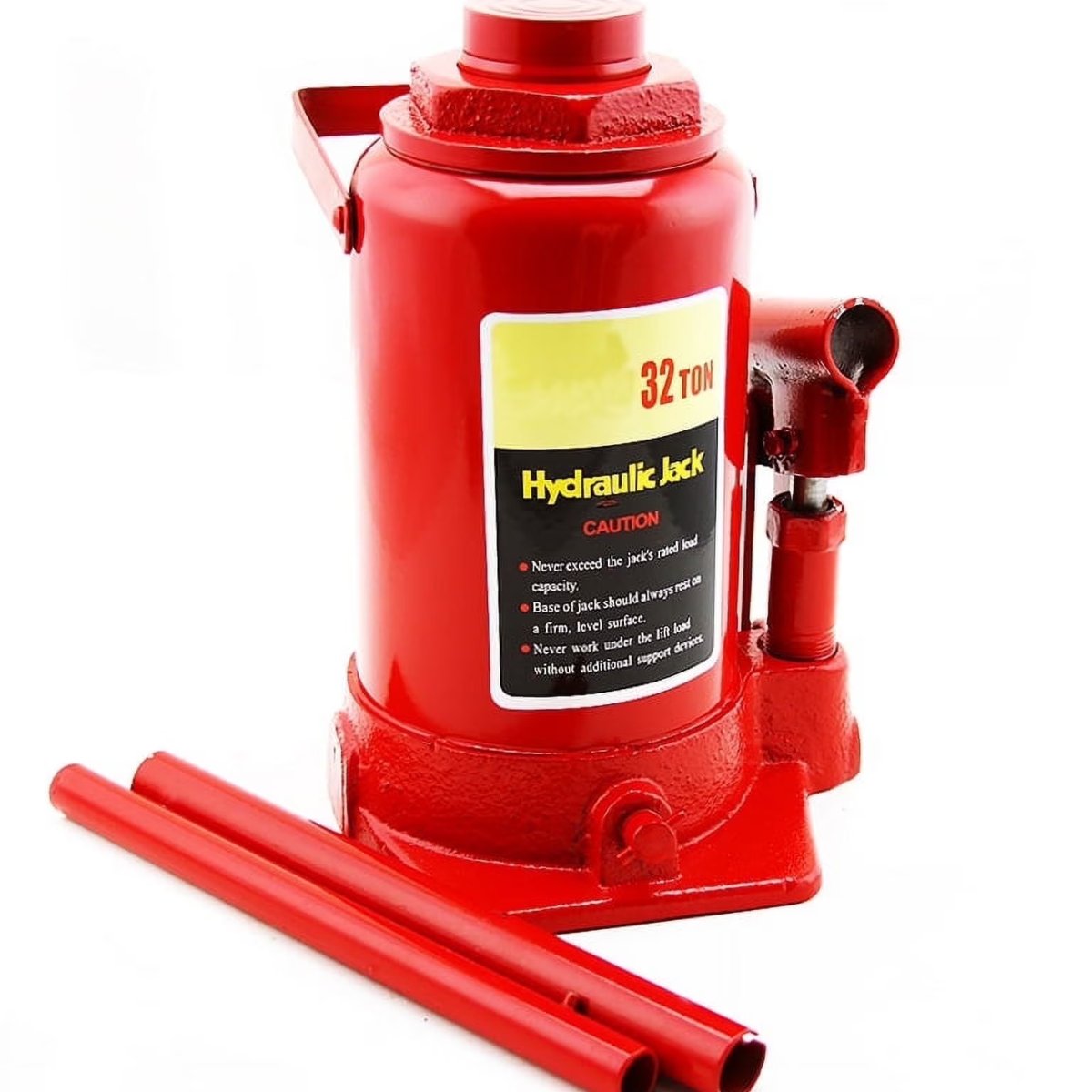
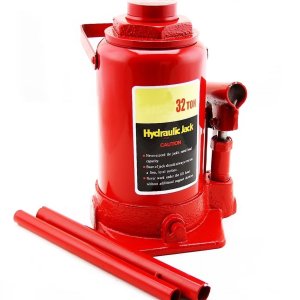
- Bottle Jack: Shaped like a cylinder (bottle), these are compact and powerful, often used for lifting trucks or supporting building foundations. They have high lift capacities but a narrow base and higher starting profile.
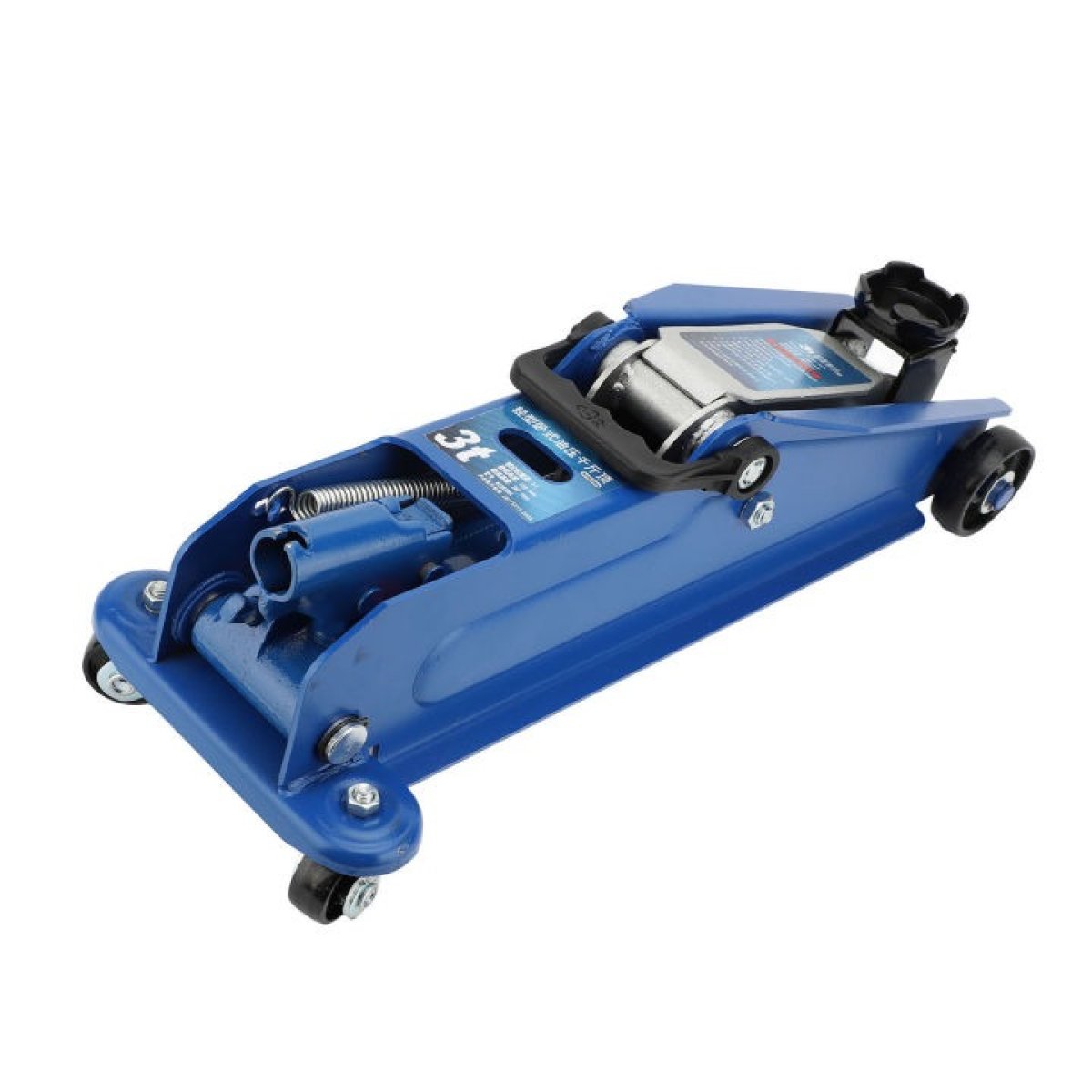
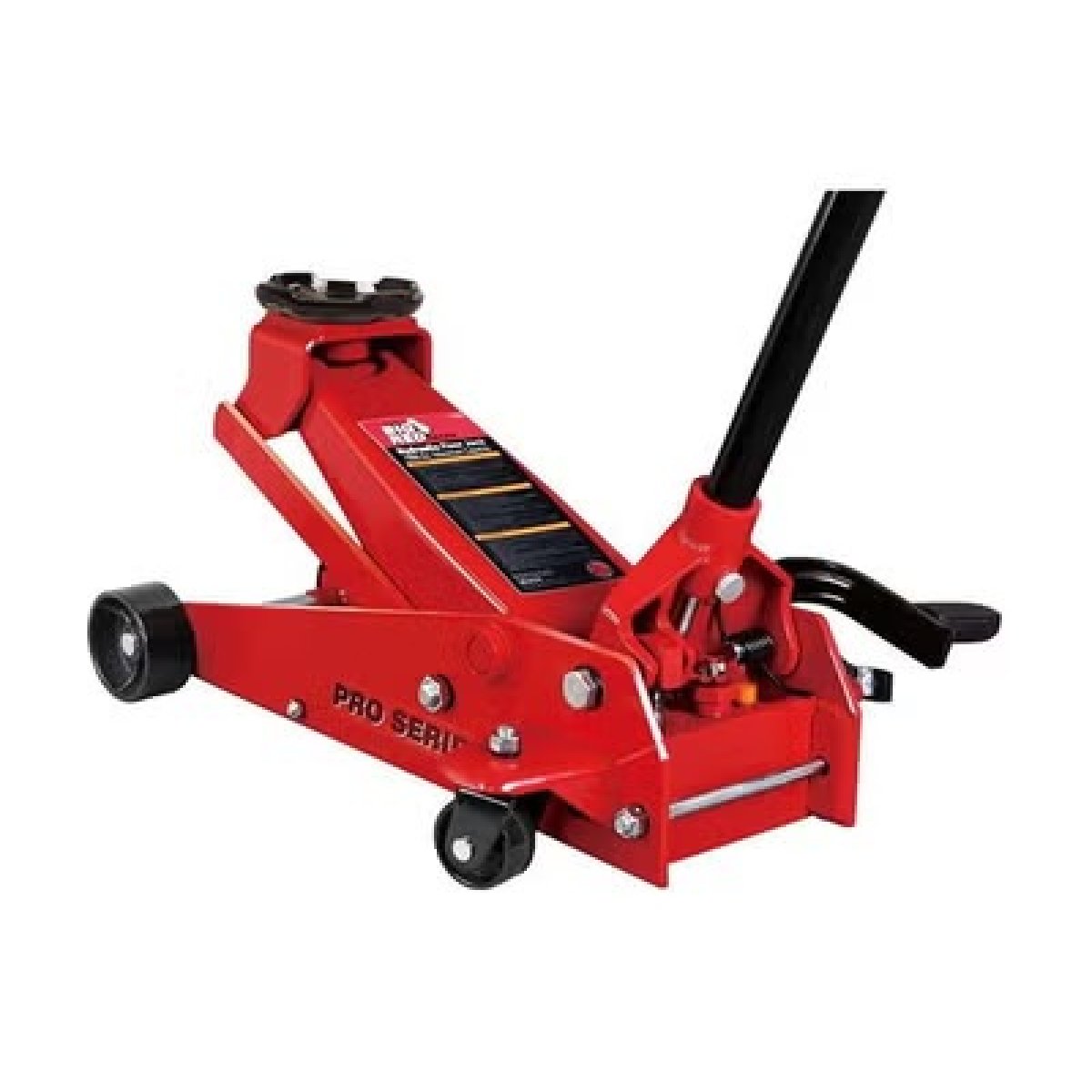
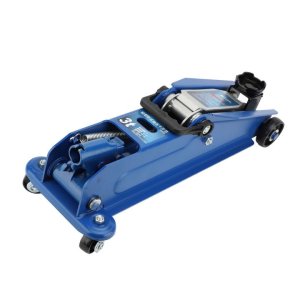
- Floor Jack (Trolley Jack): A long, low-profile jack on wheels. These are the standard in garages because they can slide under low-clearance cars and offer great stability.
- Toe Jack: A specialized version used for lifting heavy machinery from very low clearance points near the ground.
- Long Ram Jack: Typically found on engine hoists (cherry pickers), these have a very long stroke for vertical lifting