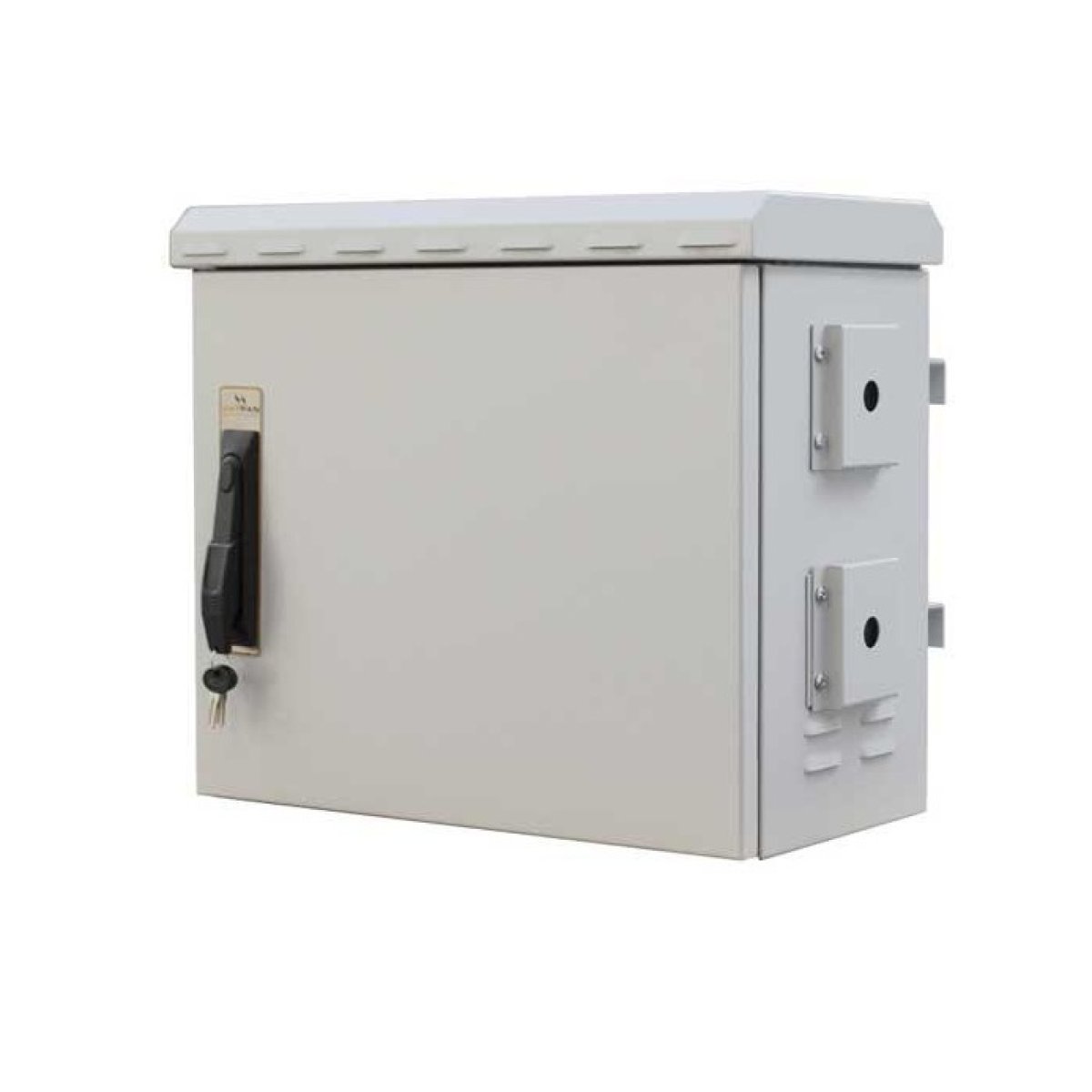
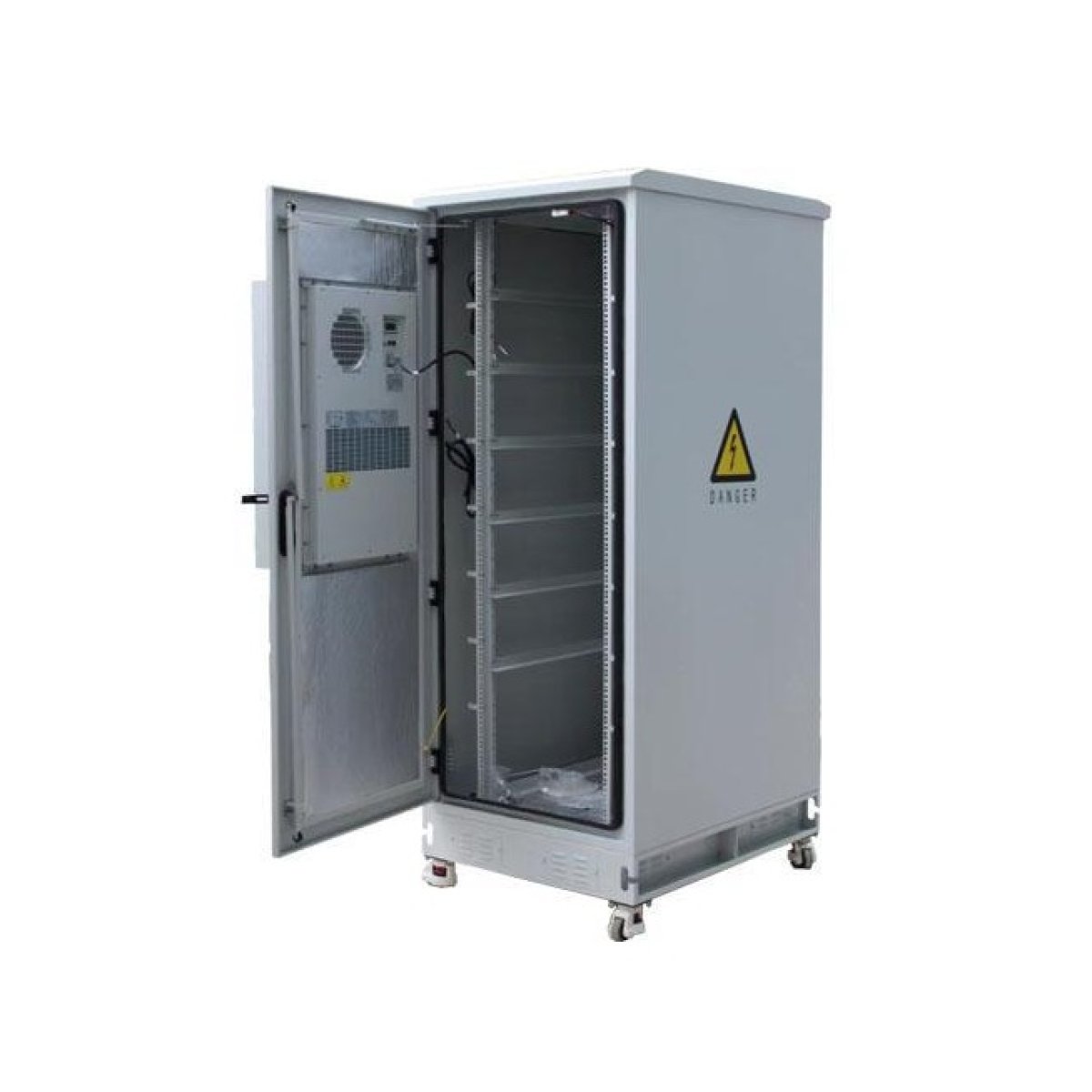
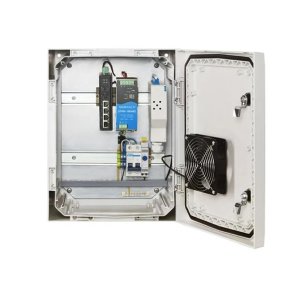
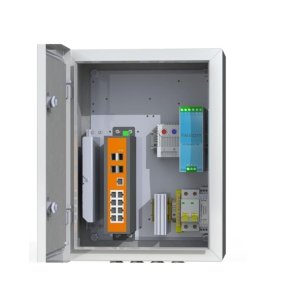
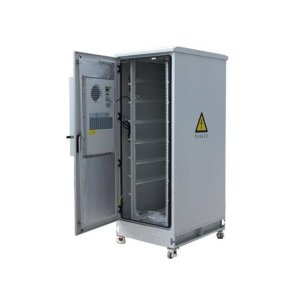
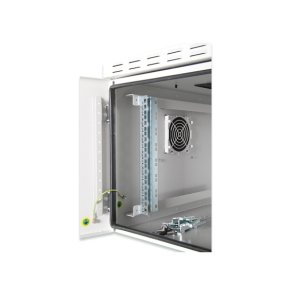
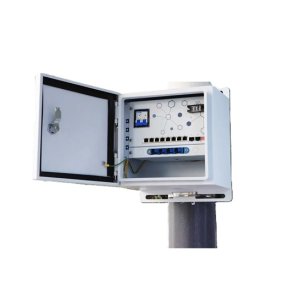
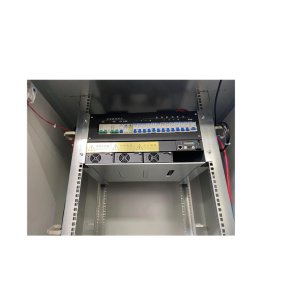
An outdoor network cabinet is a weather-resistant enclosure designed to protect network switches, fiber-optic termination equipment, power supplies, surge protection devices, and other communication equipment from rain, dust, heat, and unauthorized access.
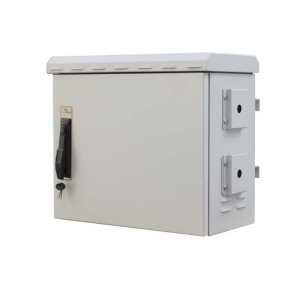
An outdoor network cabinet provides a secure, protected installation point for network and CCTV equipment in exposed locations. It is commonly manufactured from powder-coated steel, stainless steel, or UV-resistant polycarbonate, depending on the application.
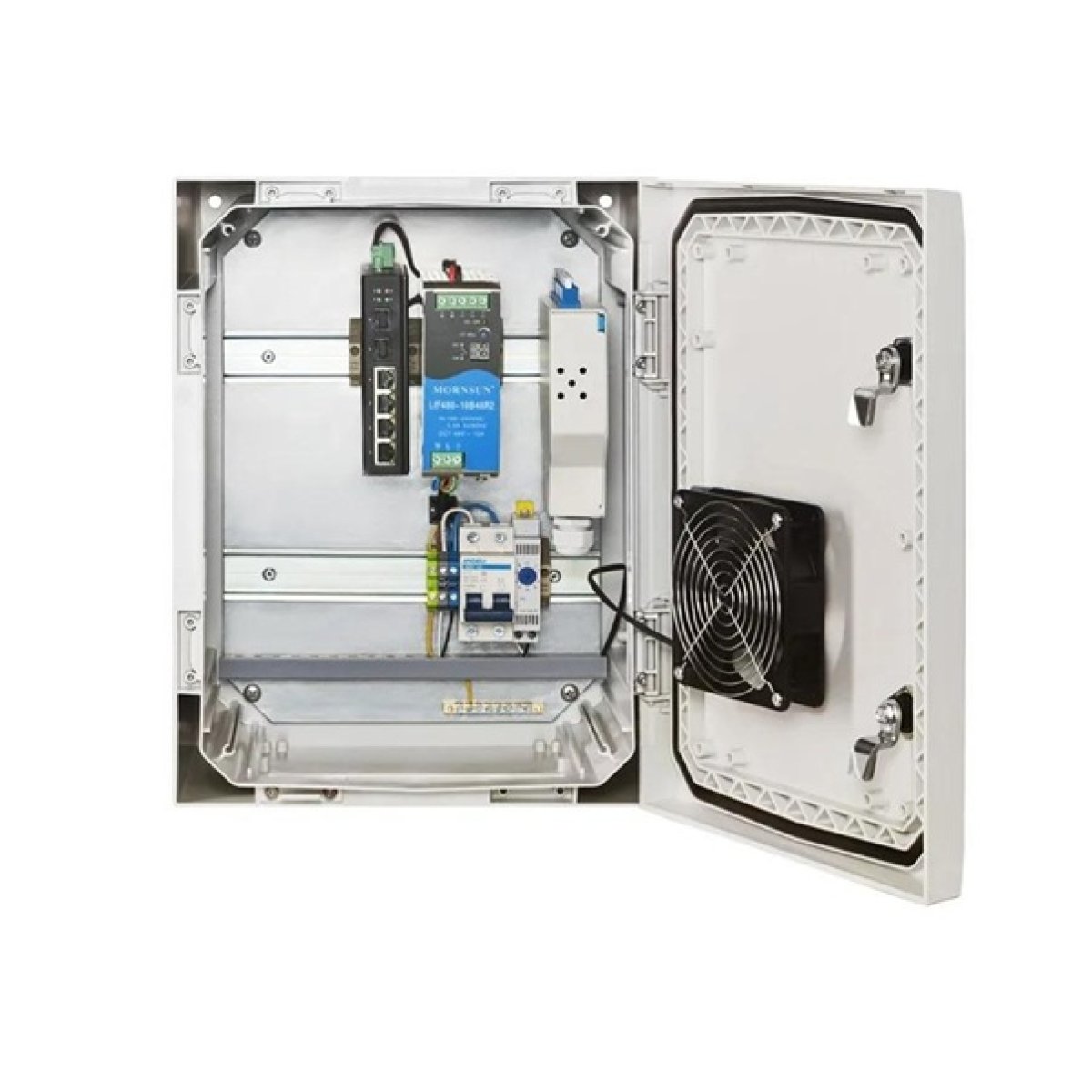
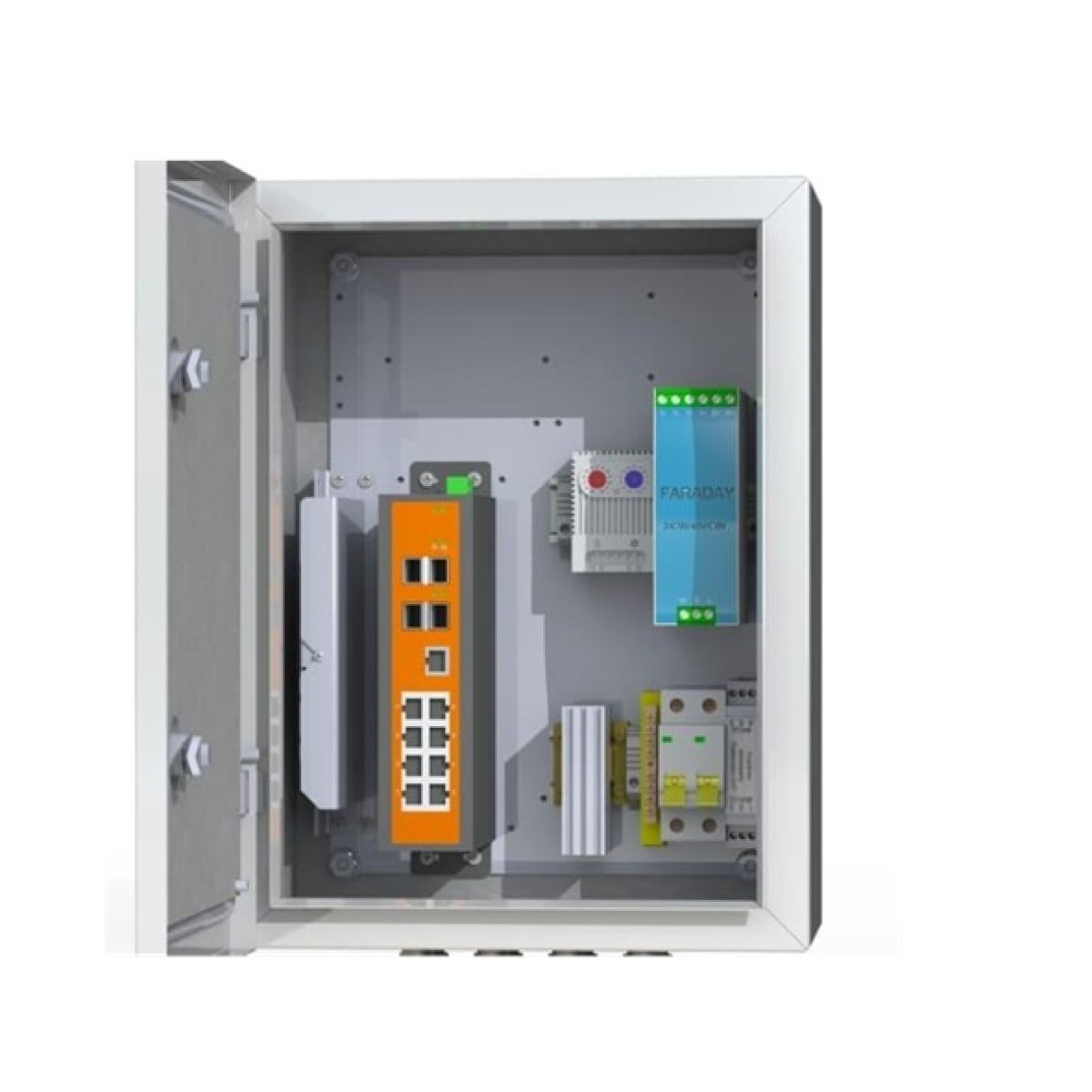
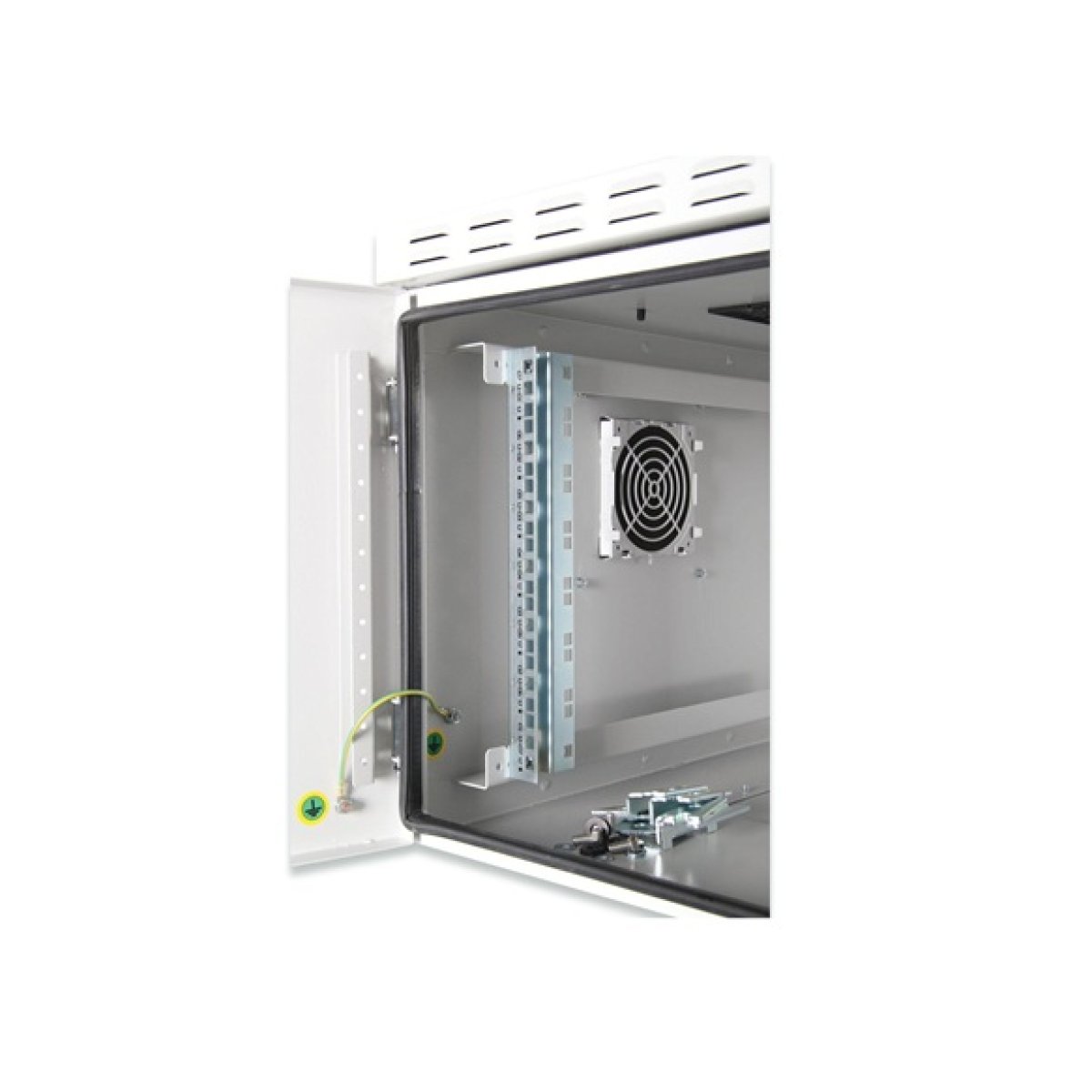
The cabinet may include weatherproof cable glands, a lockable door, an internal mounting plate or DIN rail, ventilation or thermostatically controlled cooling, grounding terminals, and surge protection.
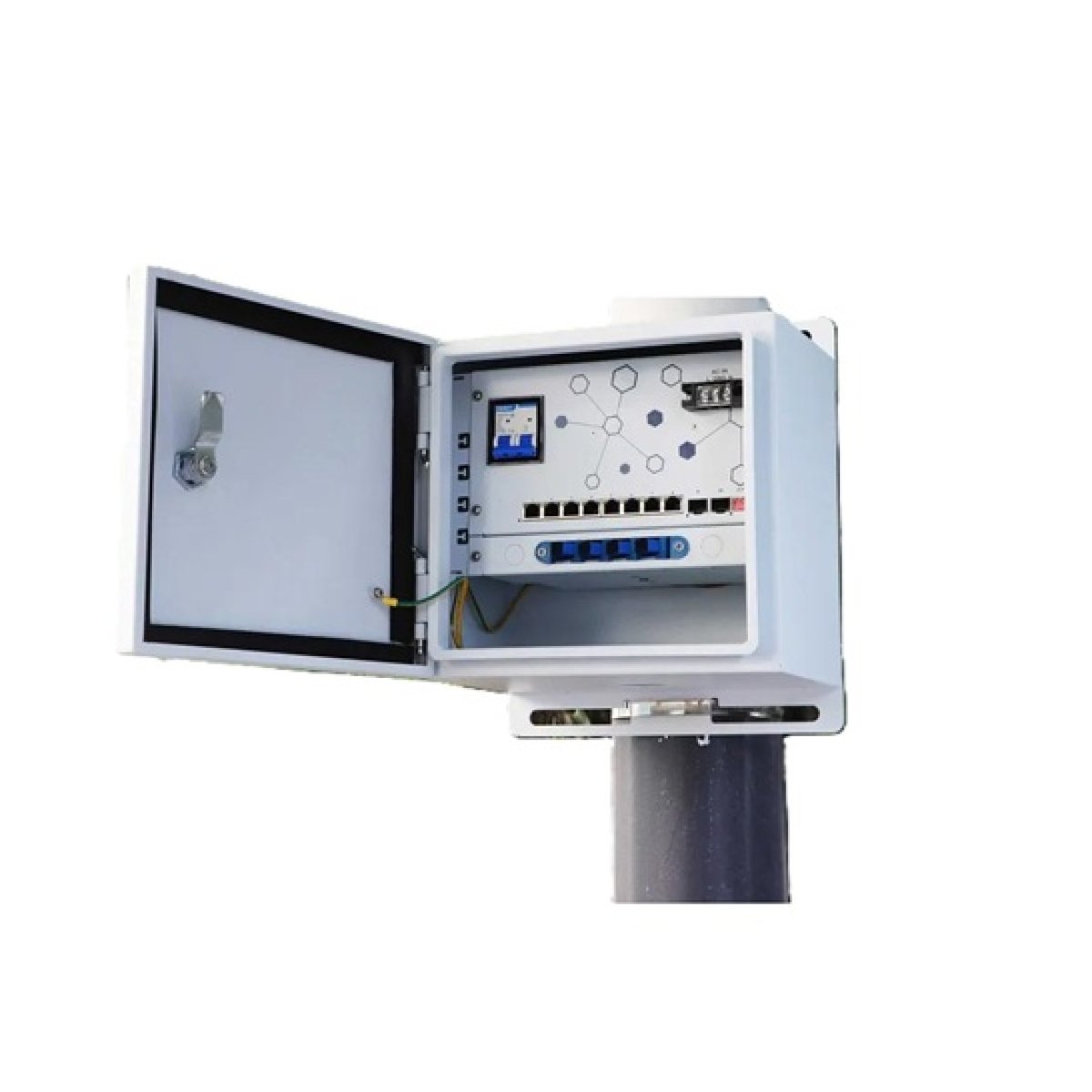
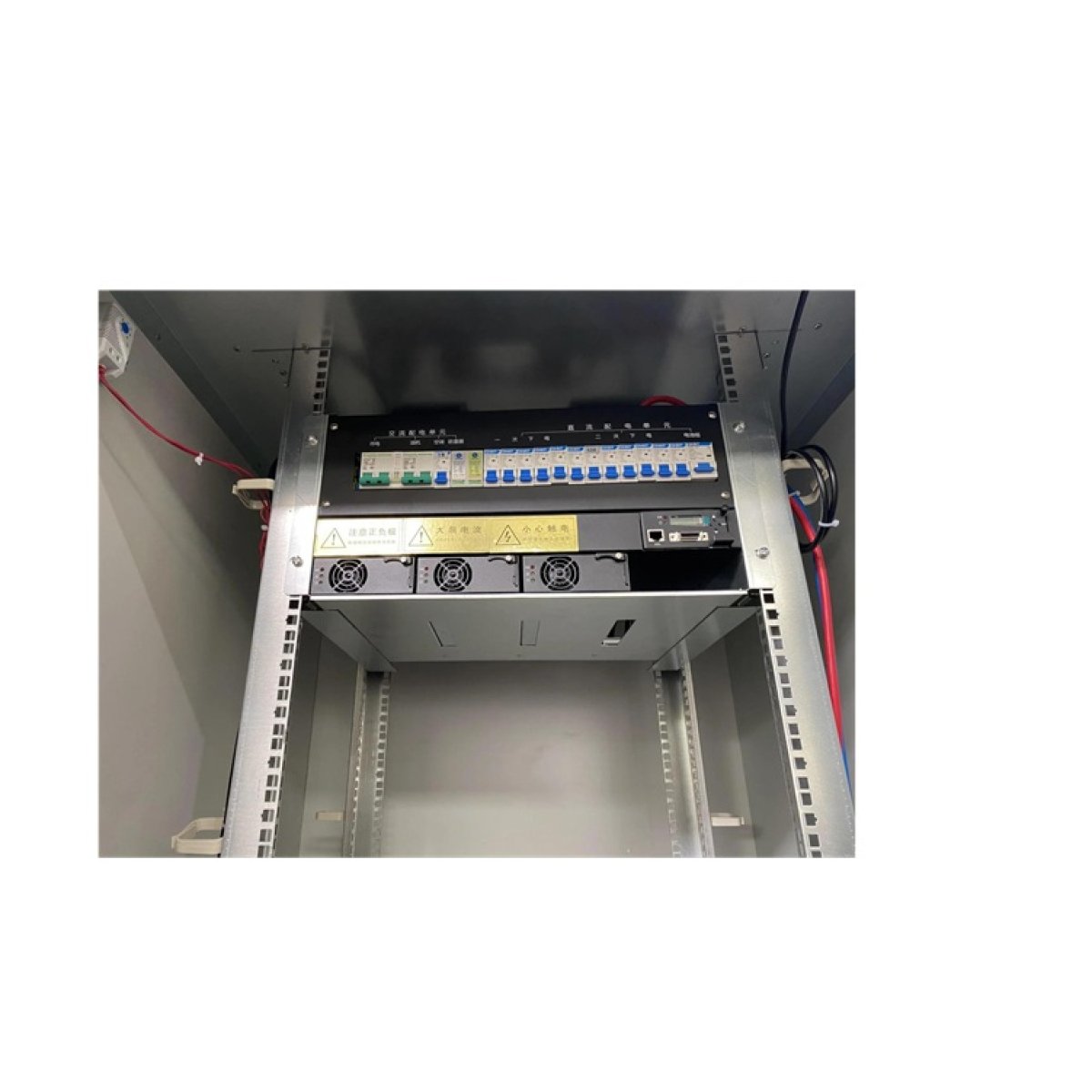
For outdoor CCTV installations, the cabinet can house an industrial PoE switch, fiber-optic termination box, SFP/SFP+ modules, power distribution equipment, and protective devices. The design must accommodate local environmental conditions, equipment heat dissipation, and maintenance access.
Key Specifications — Recommended for CCTV Projects
ParameterRecommended SpecificationProductOutdoor Network CabinetApplicationCCTV and fiber-optic networkingInstallationWall-mounted, pole-mounted, or floor-standingProtection RatingIP65 minimum recommended; select IP66 where requiredImpact ProtectionIK10 preferred where vandal resistance is requiredMaterialPowder-coated galvanized steel or stainless steelDoorLockable, weather-resistantCoolingFiltered ventilation or thermostatic fan; air conditioning if requiredMountingDIN rail and/or internal mounting plateCable EntryWeatherproof cable glandsNetwork EquipmentIndustrial Ethernet/PoE switchFiber TerminationFiber-optic termination box or patch panelPowerAC distribution or suitable DC power supplyProtectionSurge protection and groundingTemperature ManagementSuitable for the site's ambient temperatureAccessoriesMounting brackets, gland plate, earthing kit and cable management
These are recommended project specifications, not verified specifications for a particular manufacturer's model.
Common Usage
-
Outdoor CCTV Surveillance: Protects network equipment near camera poles and perimeter walls.
-
Fiber-Optic Networking: Houses fiber termination boxes, splice trays, and SFP/SFP+ connectivity.
-
Industrial Networking: Protects industrial Ethernet switches in exposed environments.
-
Building Security: Connects outdoor cameras, access control devices, and security systems.
-
Perimeter Security: Provides protected network distribution at gates, boundary walls, and remote locations.
-
Traffic Monitoring: Houses networking equipment for roadside cameras and monitoring devices.