
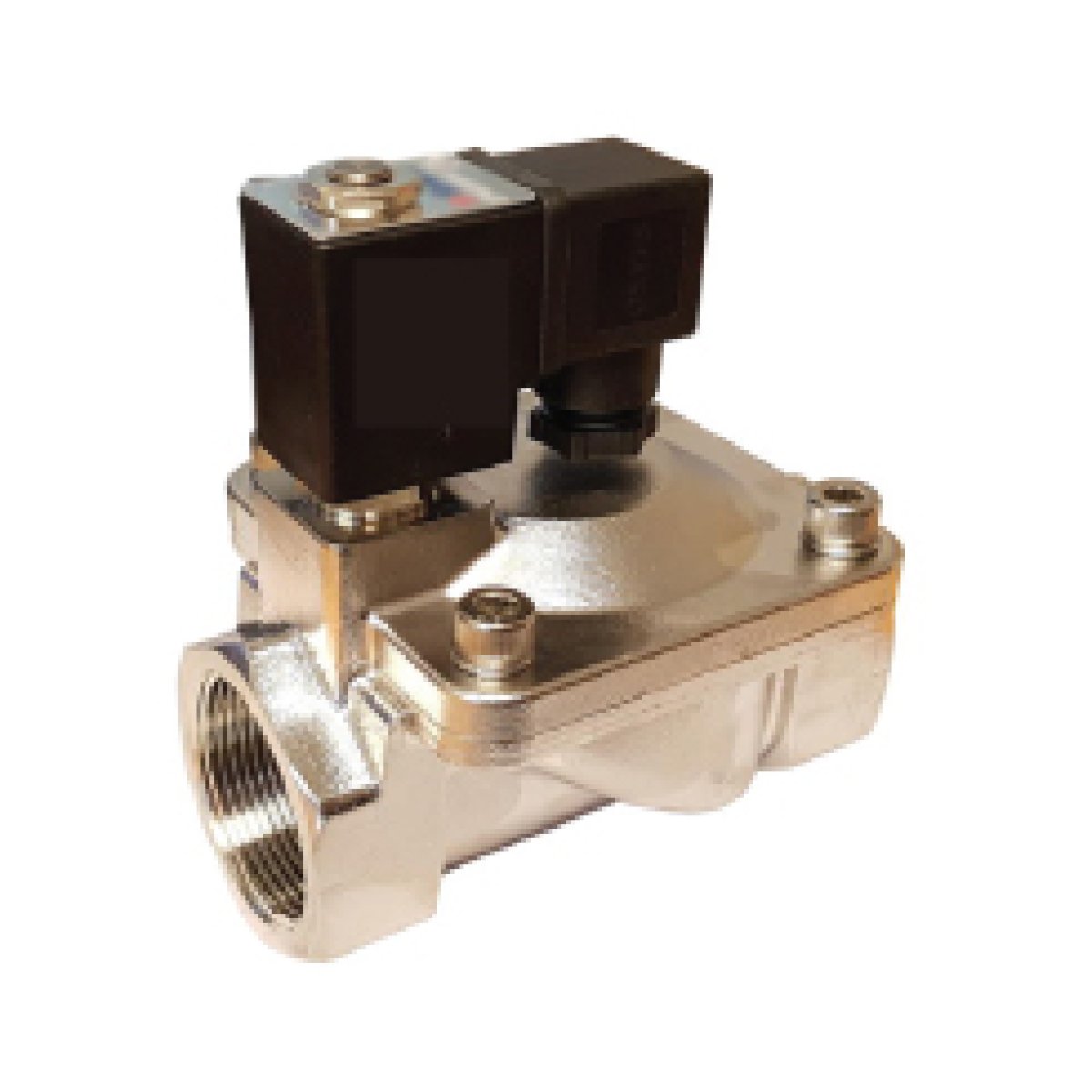
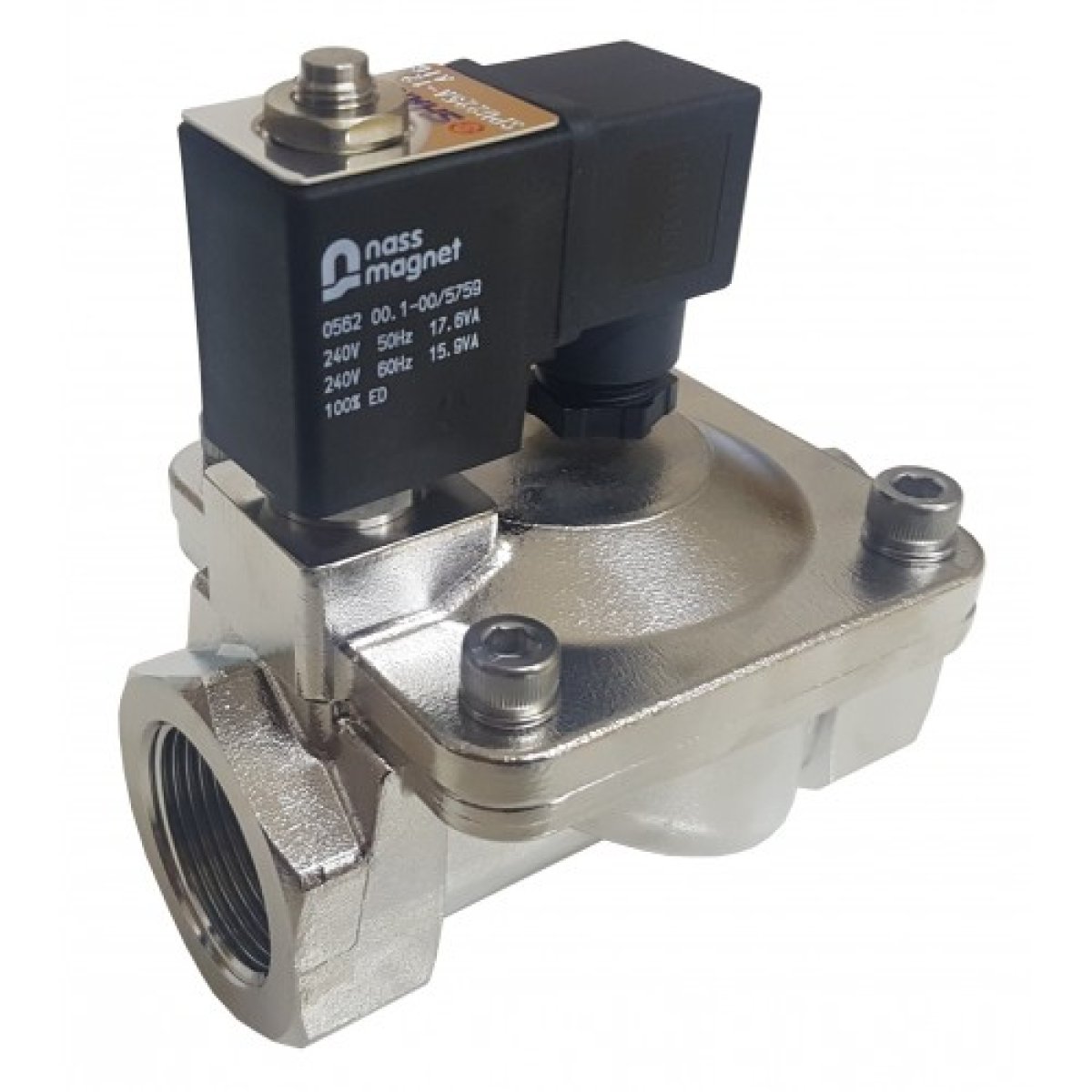
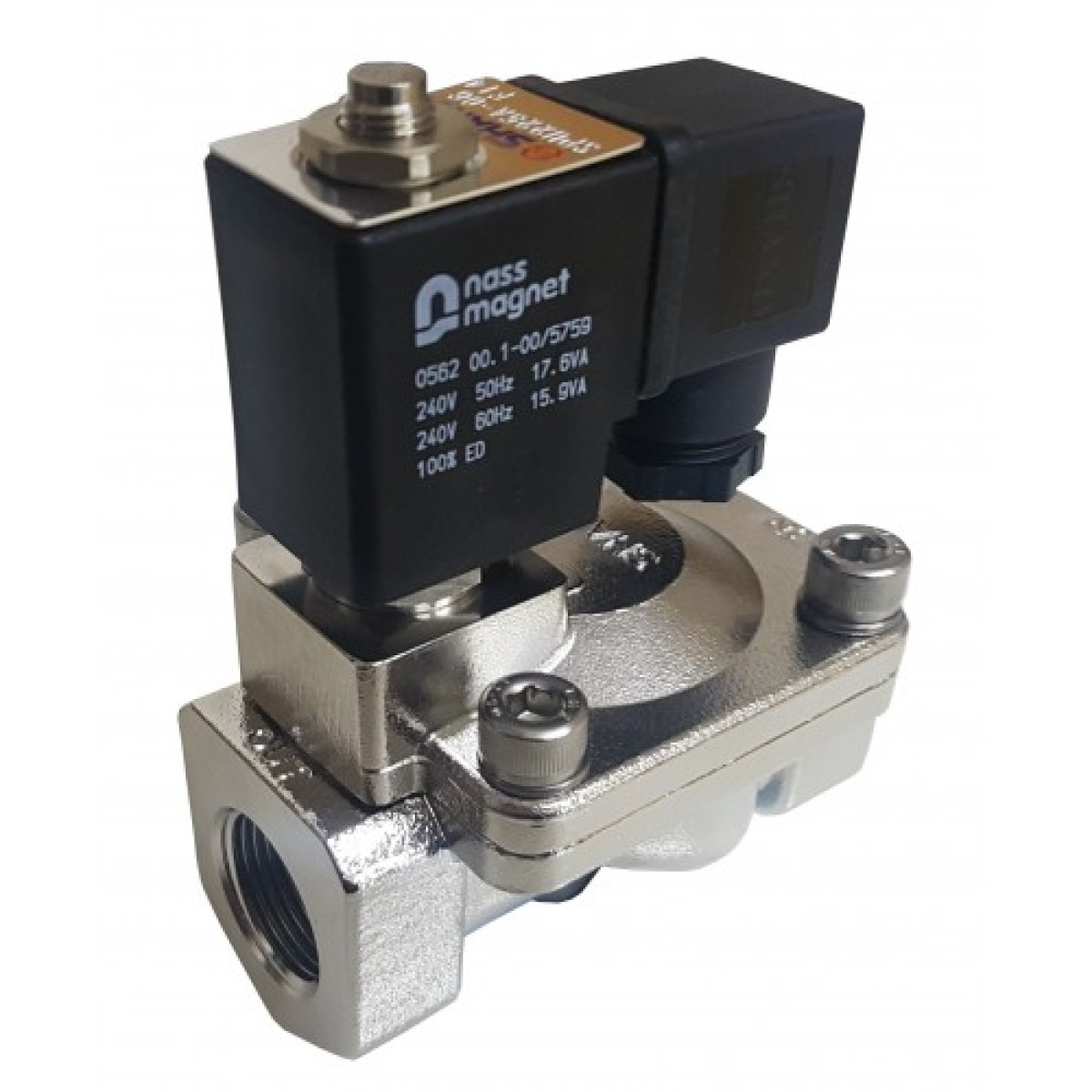
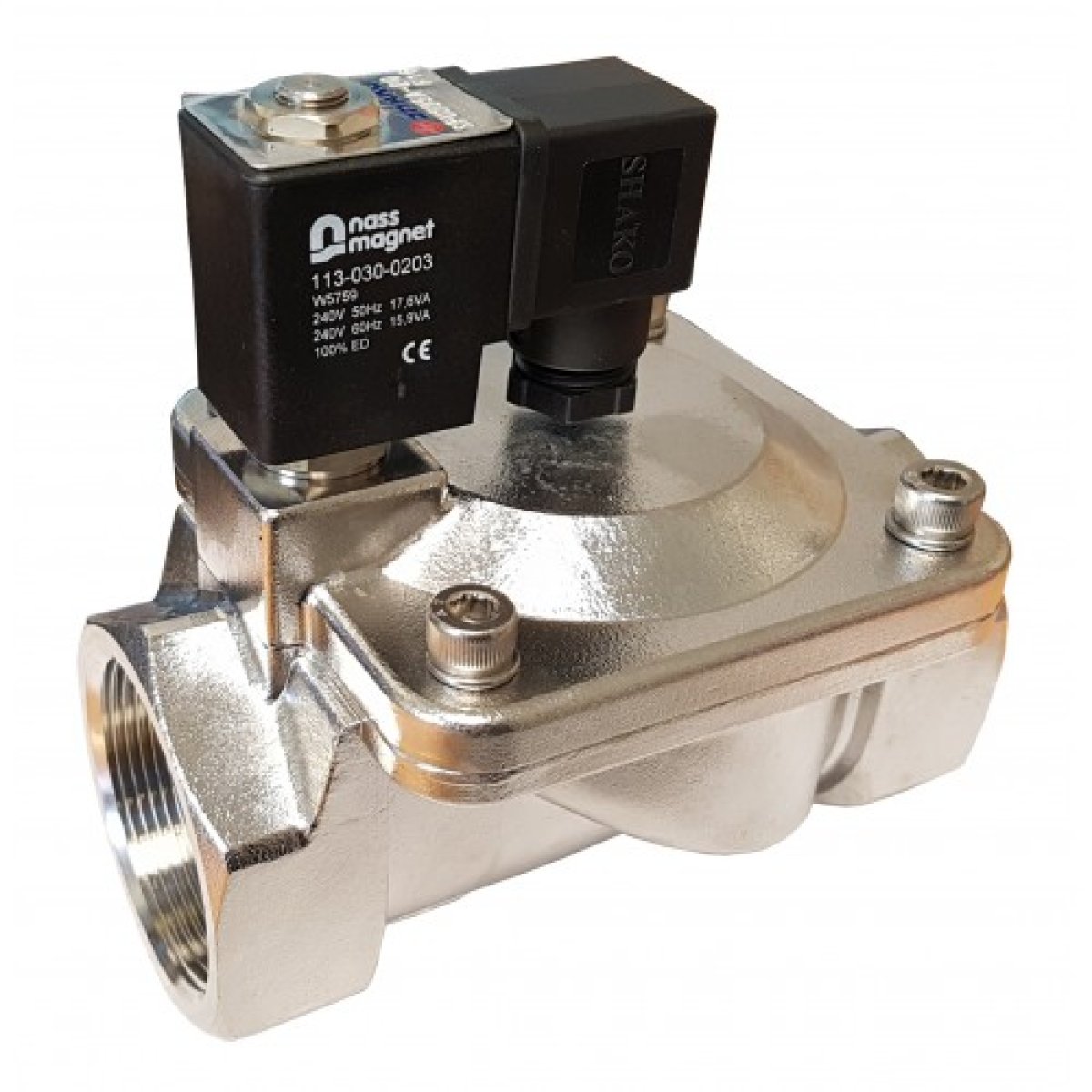
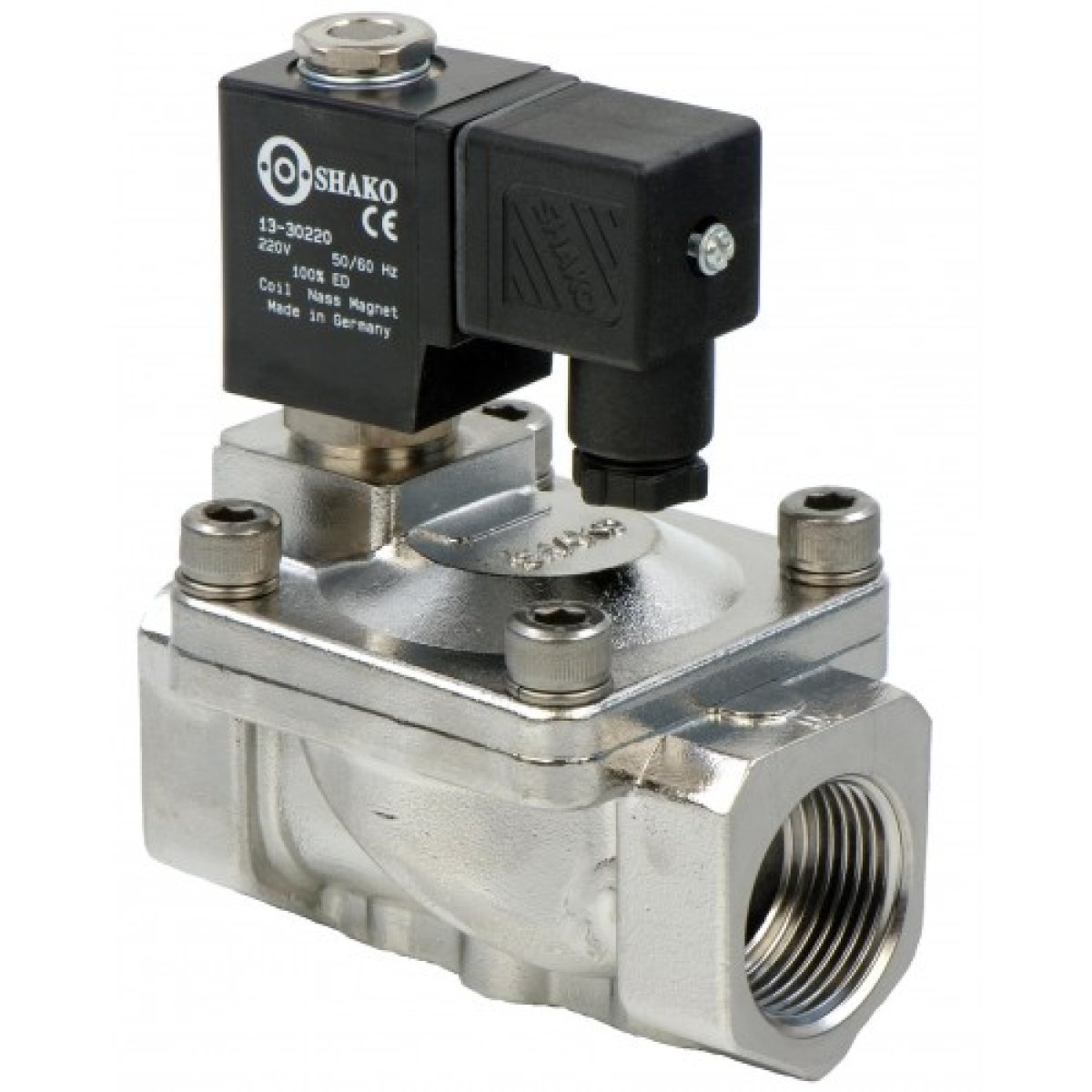
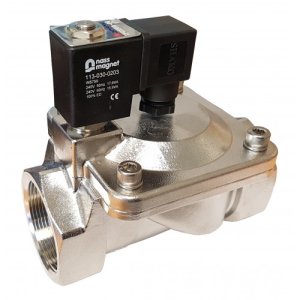
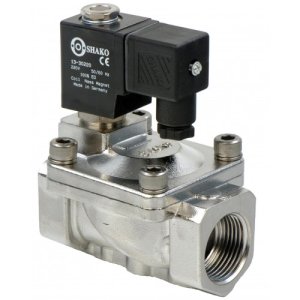
Solenoid valve is an electrically operated valve used in pump systems to automatically control the flow of fluids.
Solenoid valve is a key control component in pump systems, designed to regulate the flow of liquids or gases using an electromagnetic mechanism. It operates by energizing a solenoid coil, which creates a magnetic field that moves a plunger or piston to open or close the valve.
In pump systems, solenoid valves are used for automatic control of fluid flow, enabling functions such as start/stop of flow, directional control, and isolation of different sections of the pipeline. They are commonly integrated with control panels, PLC systems, or sensors to provide precise and responsive operation.
Solenoid valves are available in normally closed (NC) or normally open (NO) configurations. In a normally closed valve, the flow is blocked when there is no power, and it opens when energized. In a normally open valve, the opposite occurs. This flexibility allows them to be used in various safety and operational scenarios.
Constructed from durable materials such as brass, stainless steel, or plastic, solenoid valves are designed to handle different pressure ranges, temperatures, and types of fluids. They are widely used in applications such as water supply systems, fire protection systems, irrigation, HVAC, and industrial automation.
Overall, solenoid valves provide fast, reliable, and automated control of fluid flow, improving efficiency, safety, and performance in pump systems.