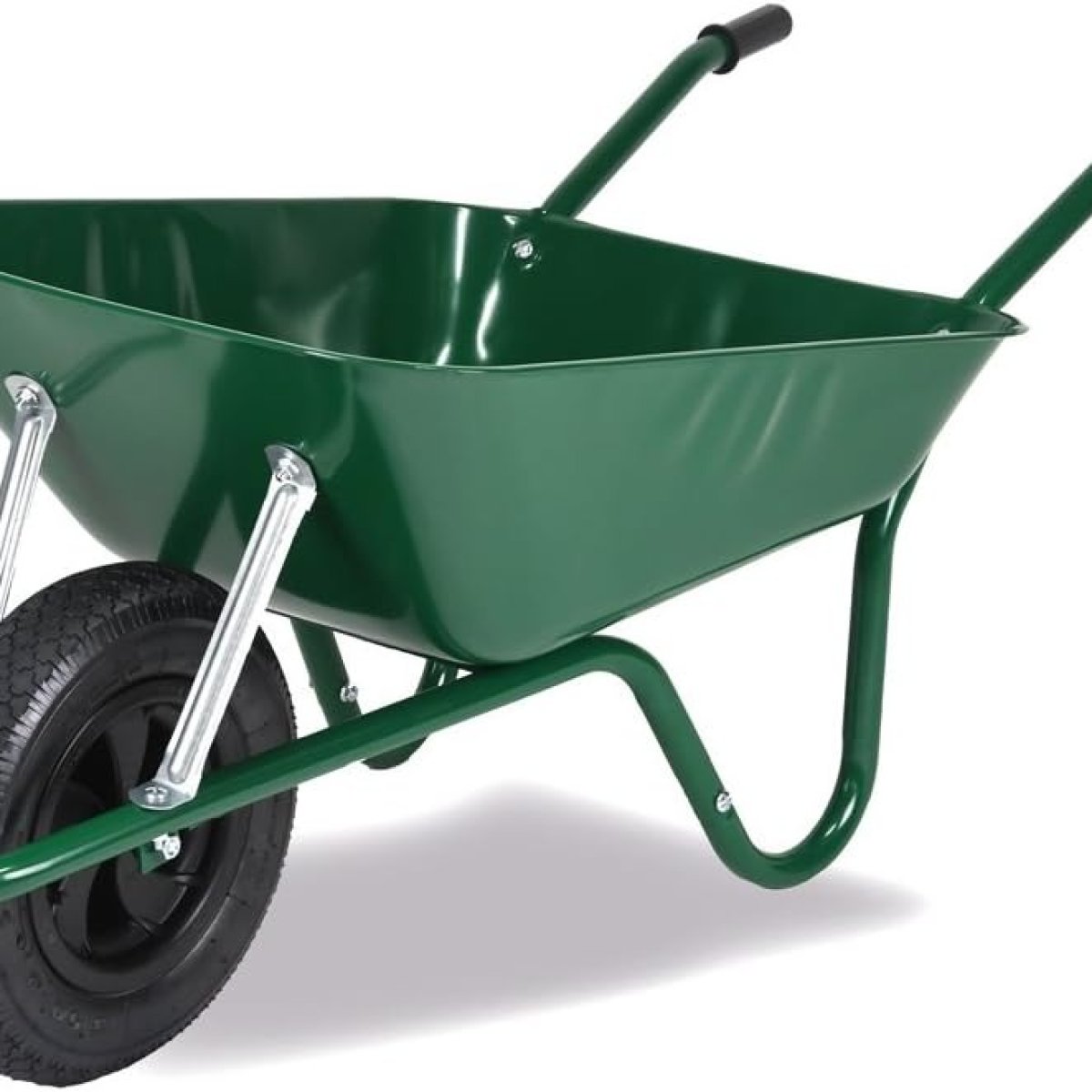
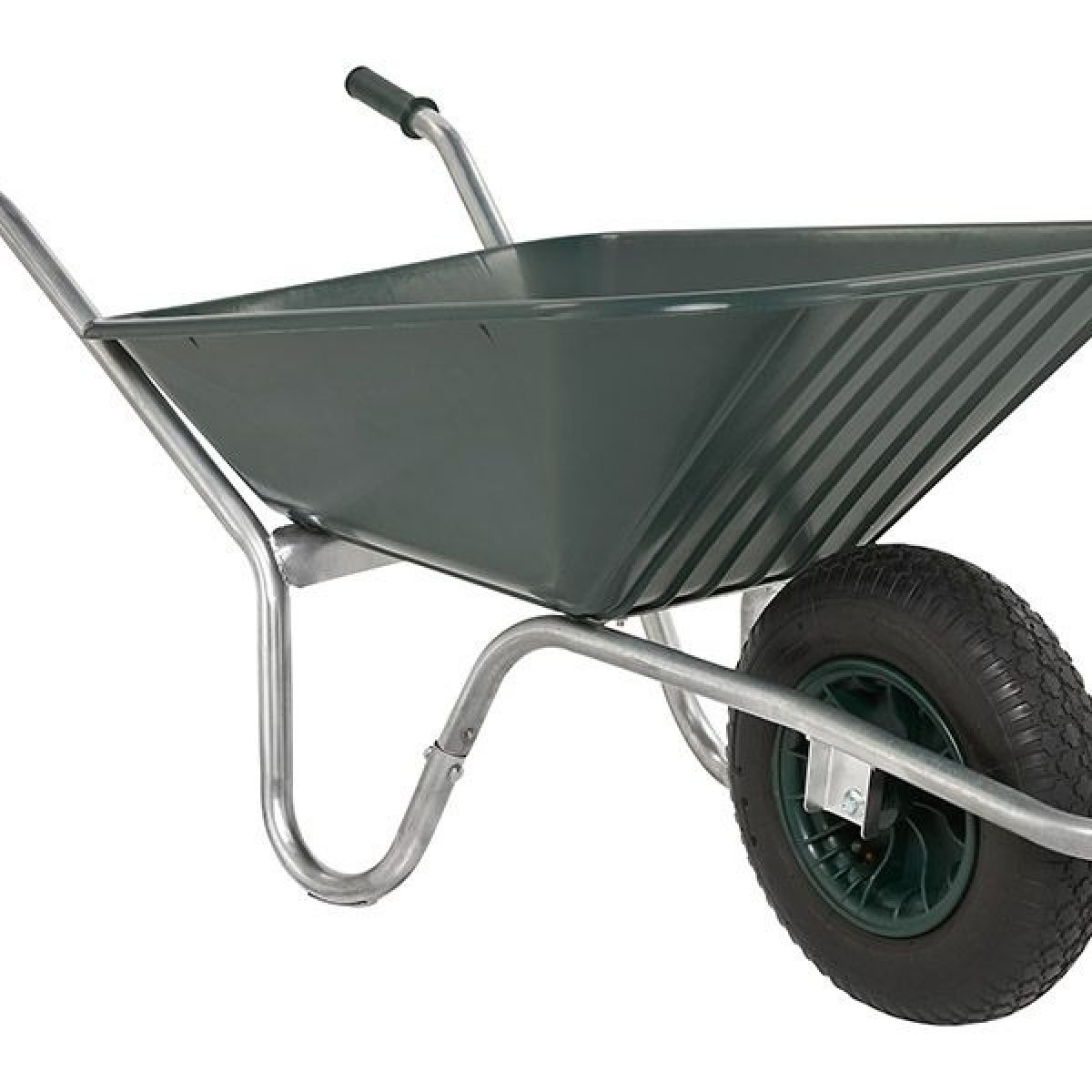
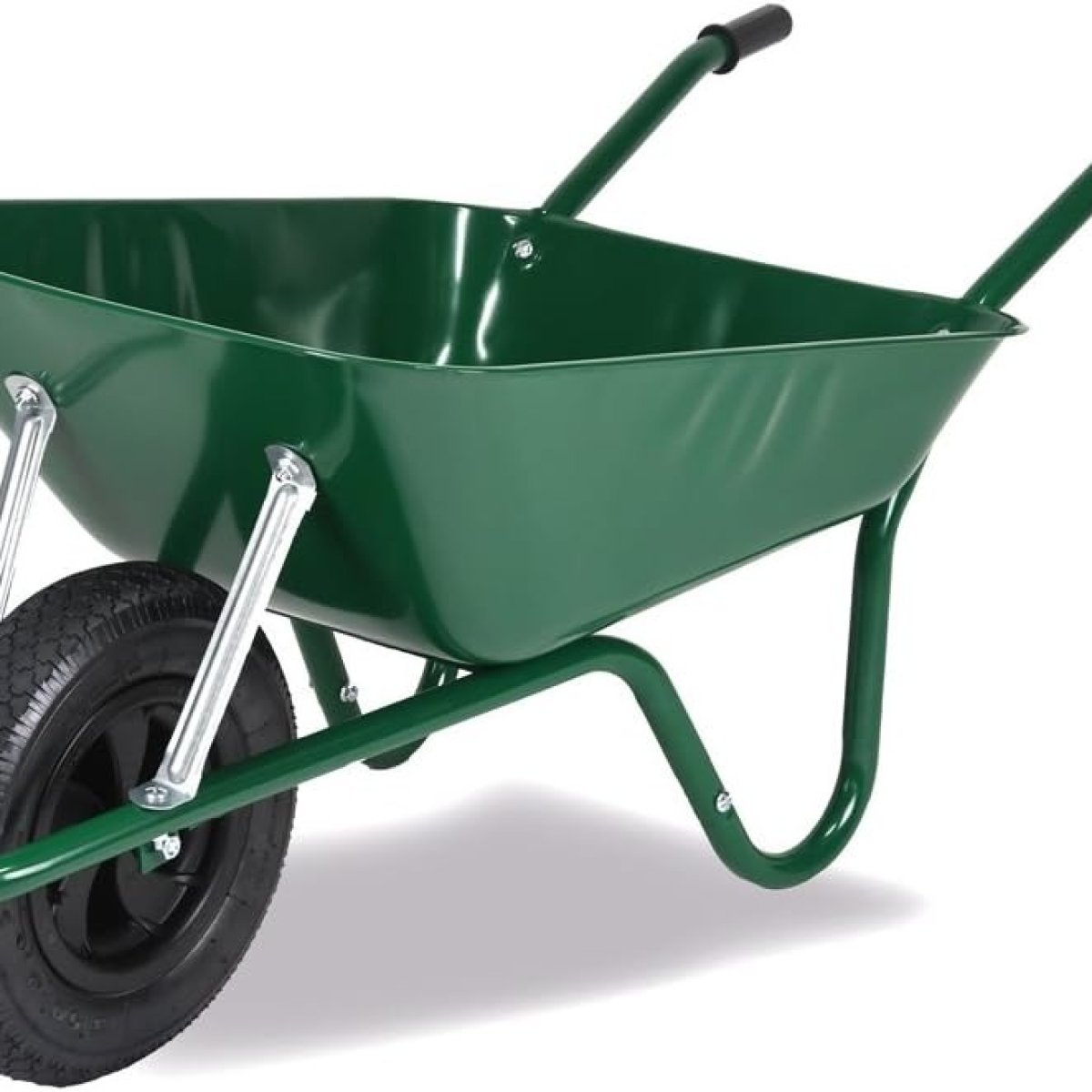
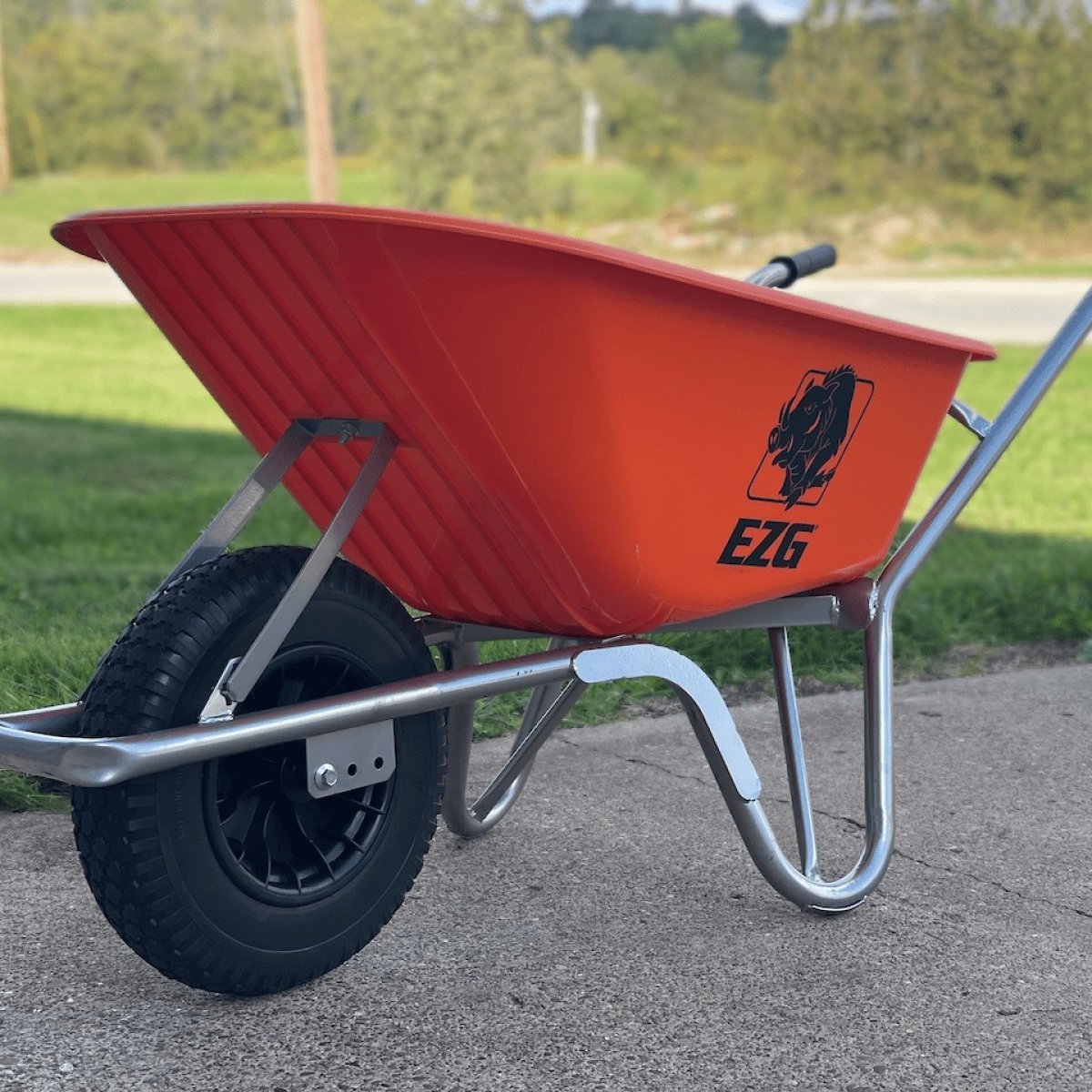
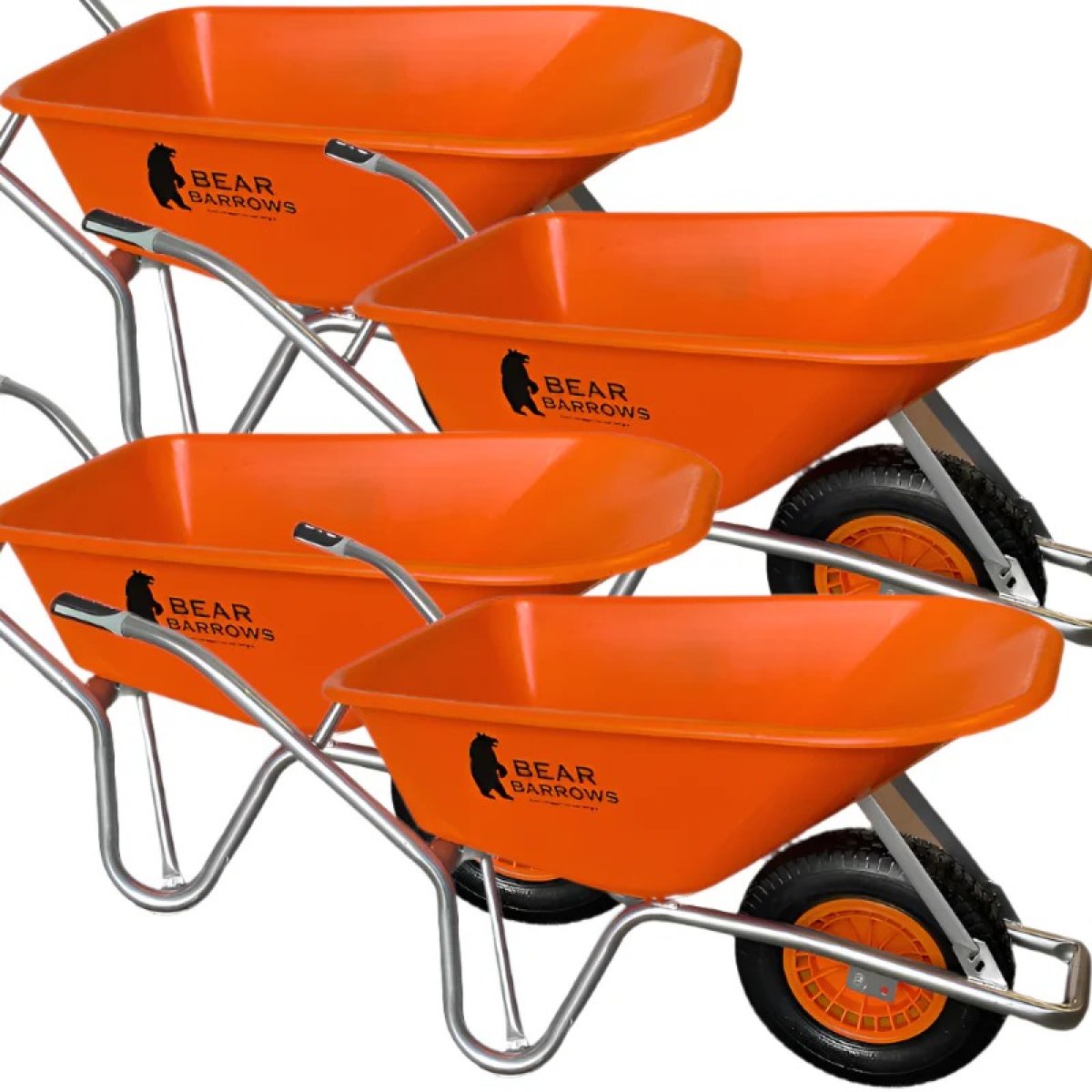
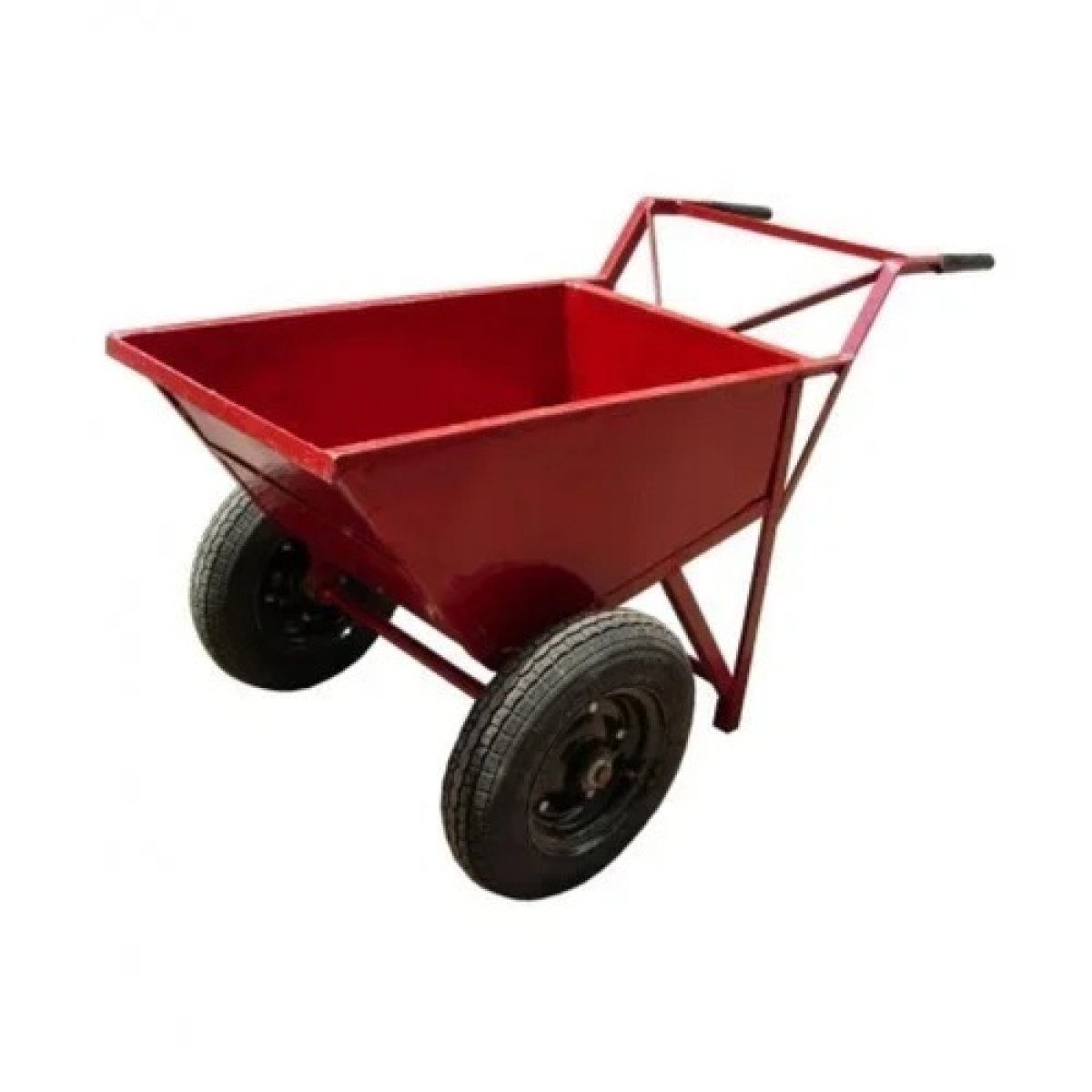
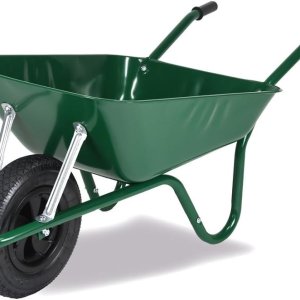
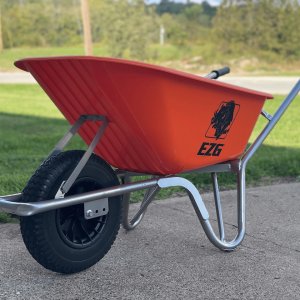
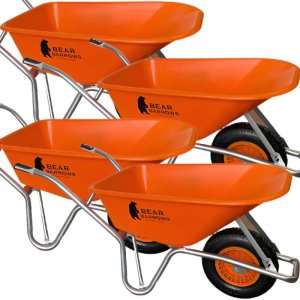
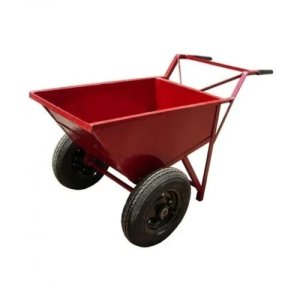
A wheelbarrow is a manual material-handling tool used to transport heavy or bulky loads over short distances. It features a single wheel (or two for stability) at the front and a tub-shaped body, utilizing the principle of a second-class lever to make heavy weights like soil, concrete, or debris much easier to move
Wheelbarrows are indispensable for construction, landscaping, and gardening. Their design allows for a "tilt-and-dump" action that makes unloading materials efficient. While the classic design is simple, modern variations are optimized for specific terrains and load types.
Key Components & Variations:
- Tray (Tub) Material:
- Steel: Heavy-duty and durable; best for rocks, concrete, and heavy construction.
- Polyethylene (Plastic): Lightweight and corrosion-proof; ideal for wet materials, mulch, and gardening.
- Wheel Types:
- Pneumatic: Air-filled tires that provide a cushioned ride over rough terrain but can go flat.
- Flat-Free (Solid): Made of solid rubber or foam; zero maintenance but a bumpier ride.
- Dual-Wheel: Offers significantly more lateral stability to prevent tipping, though it is less maneuverable in tight spaces.
- Capacity: Measured in cubic feet. Standard residential units are 4 to 6 cubic feet, while professional contractor models can reach 8 to 10 cubic feet.
- Handles: Traditionally wood (better grip/vibration dampening) or steel (higher durability for heavy loads)