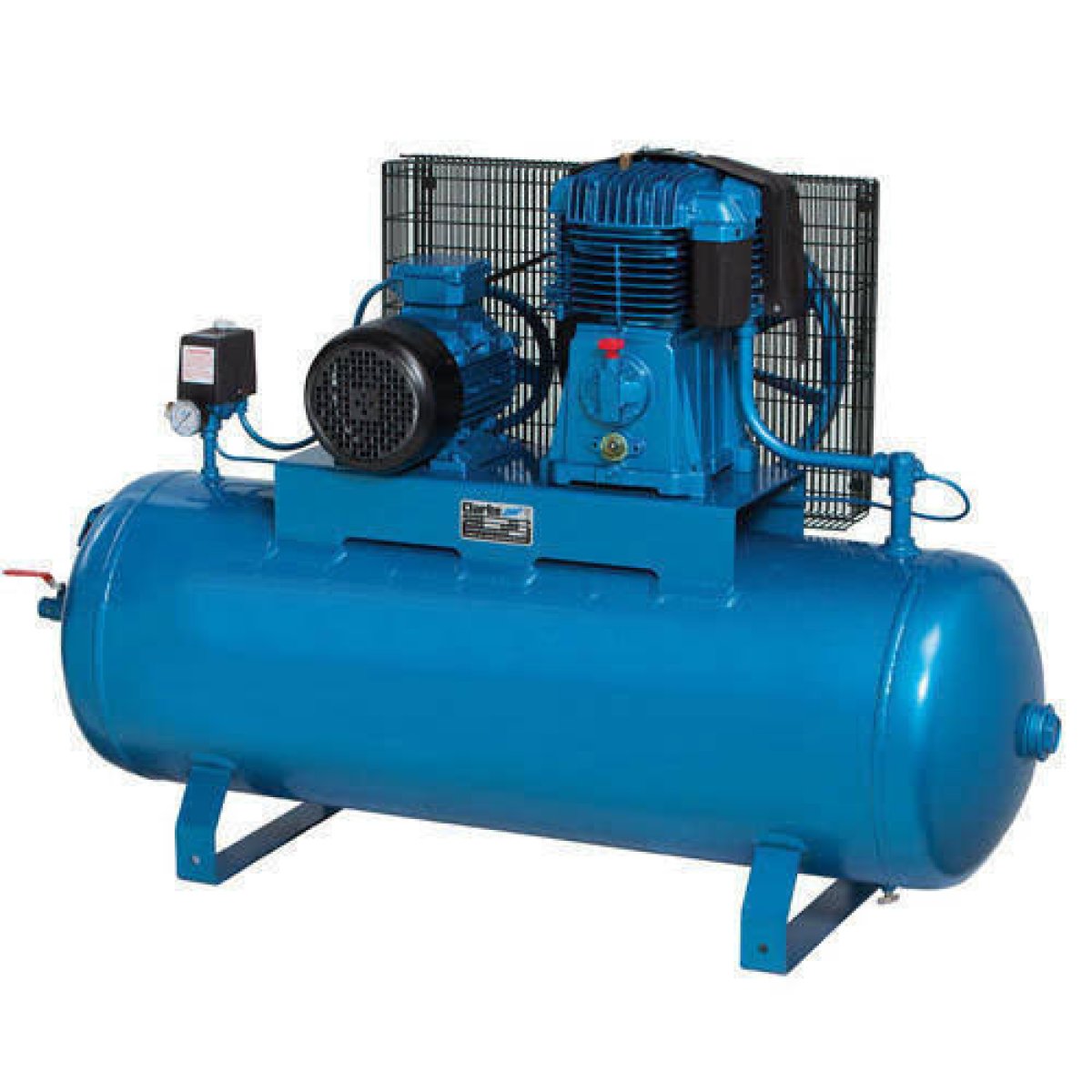
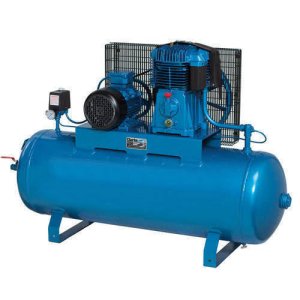
An air compressor is a machine that draws in atmospheric air, compresses it to a higher pressure, and stores or delivers the compressed air to power pneumatic tools and equipment. It converts mechanical or electrical energy into compressed air energy.
Common Types
-
Piston (Reciprocating) Compressor
-
Best for home garages, workshops, and intermittent use.
-
Low initial cost and easy maintenance.
-
Rotary Screw Compressor
-
Designed for continuous industrial operation.
-
Quiet, efficient, and delivers a constant air supply.
-
Oil-Free Compressor
-
Produces clean air for painting, food processing, and medical applications.
-
Requires less maintenance.
-
Portable Compressor
-
Lightweight and easy to transport.
-
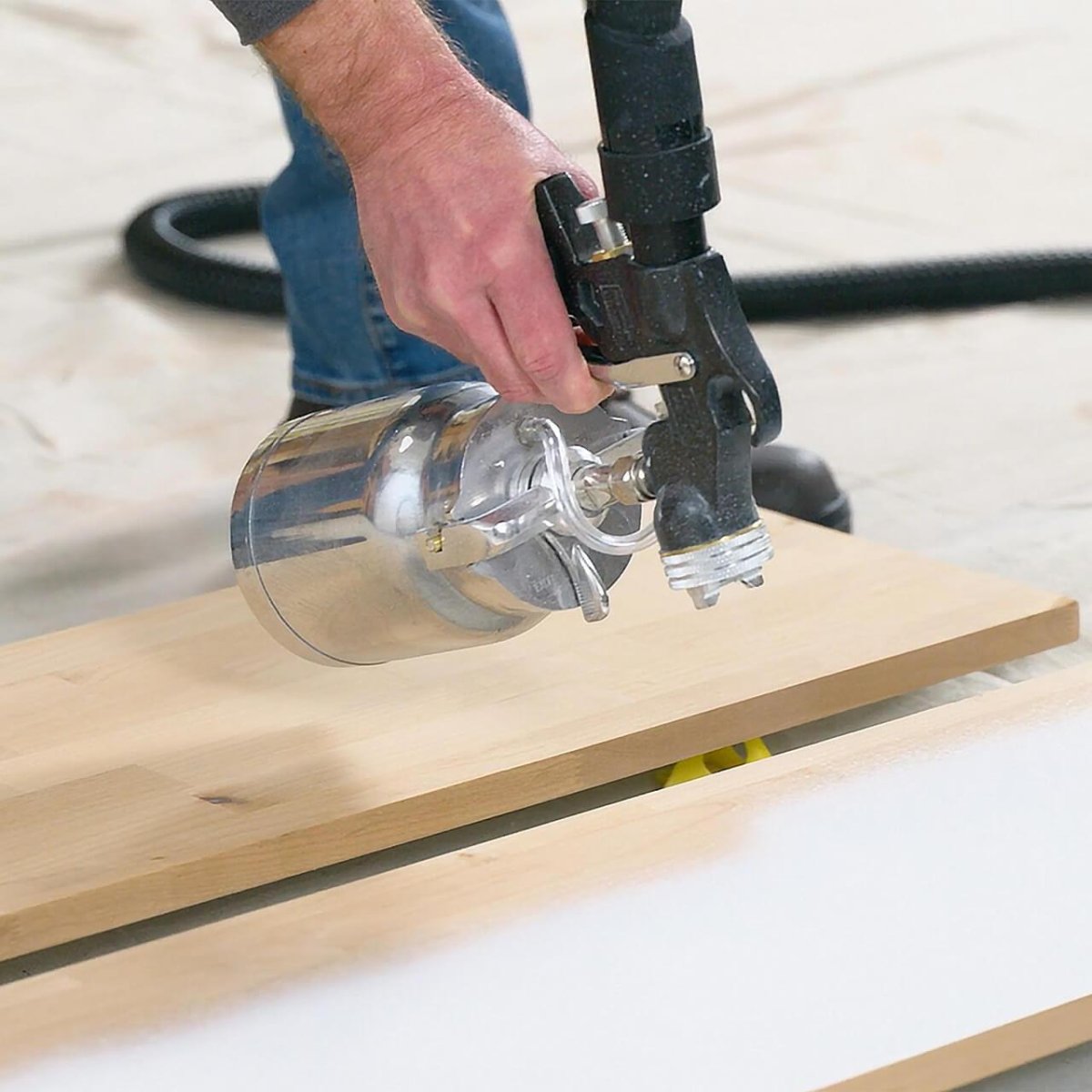
Ideal for tire inflation, nail guns, and small spray painting jobs.
Main Components
-
Electric motor or engine
-
Compressor pump
-
Air tank (receiver)
-
Pressure switch
-
Pressure gauge
-
Air filter
-
Safety relief valve
-
Regulator
-
Drain valve
Common Applications
-
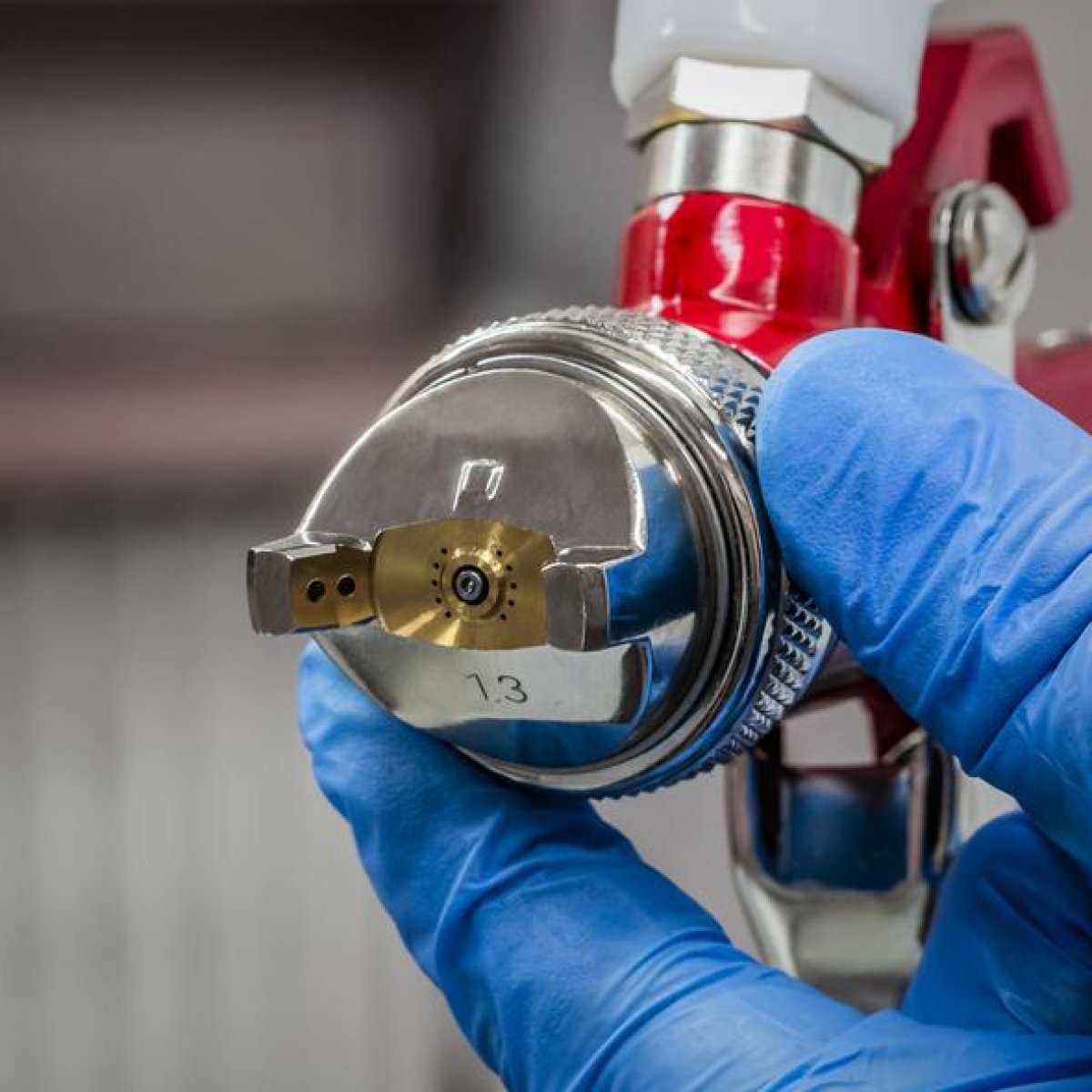
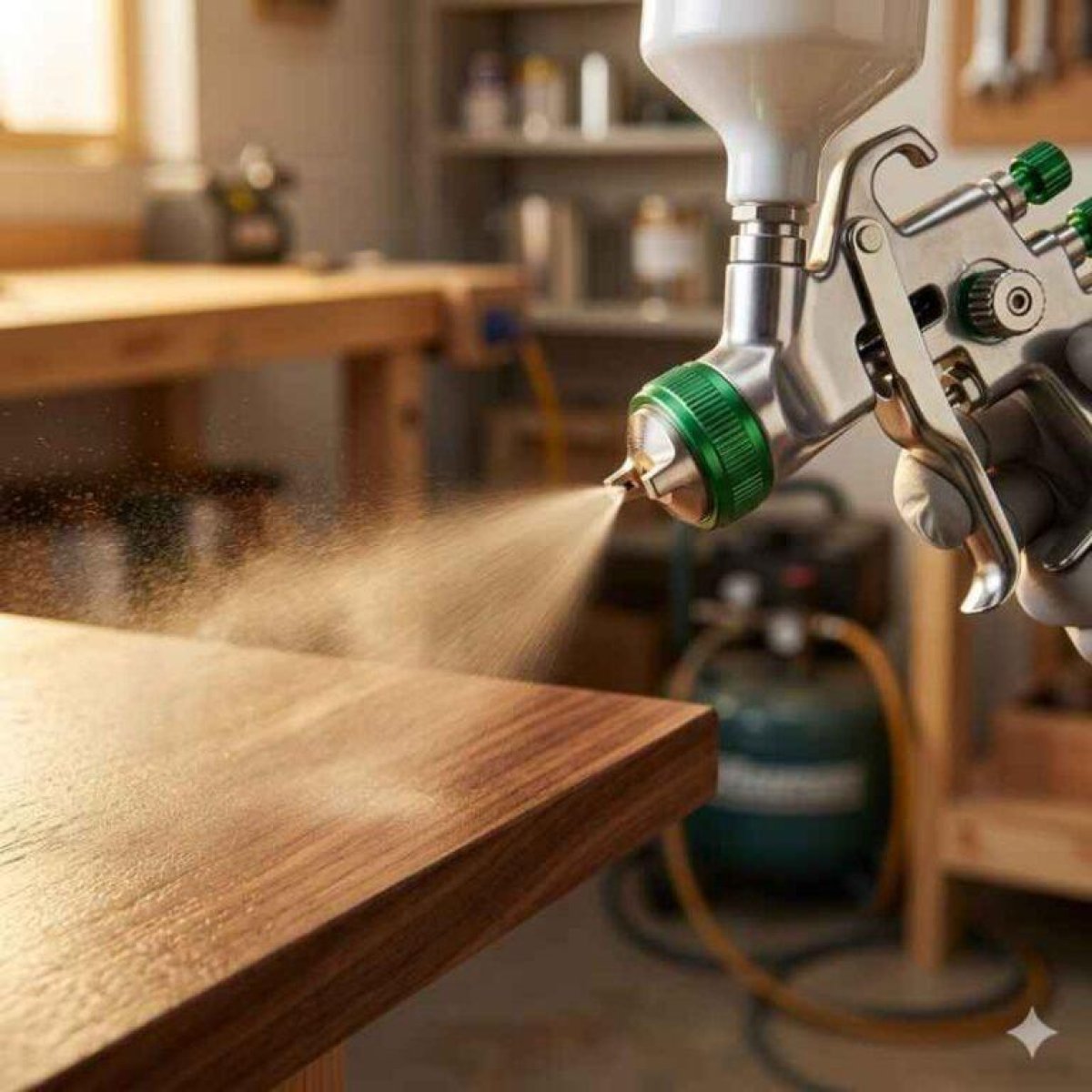
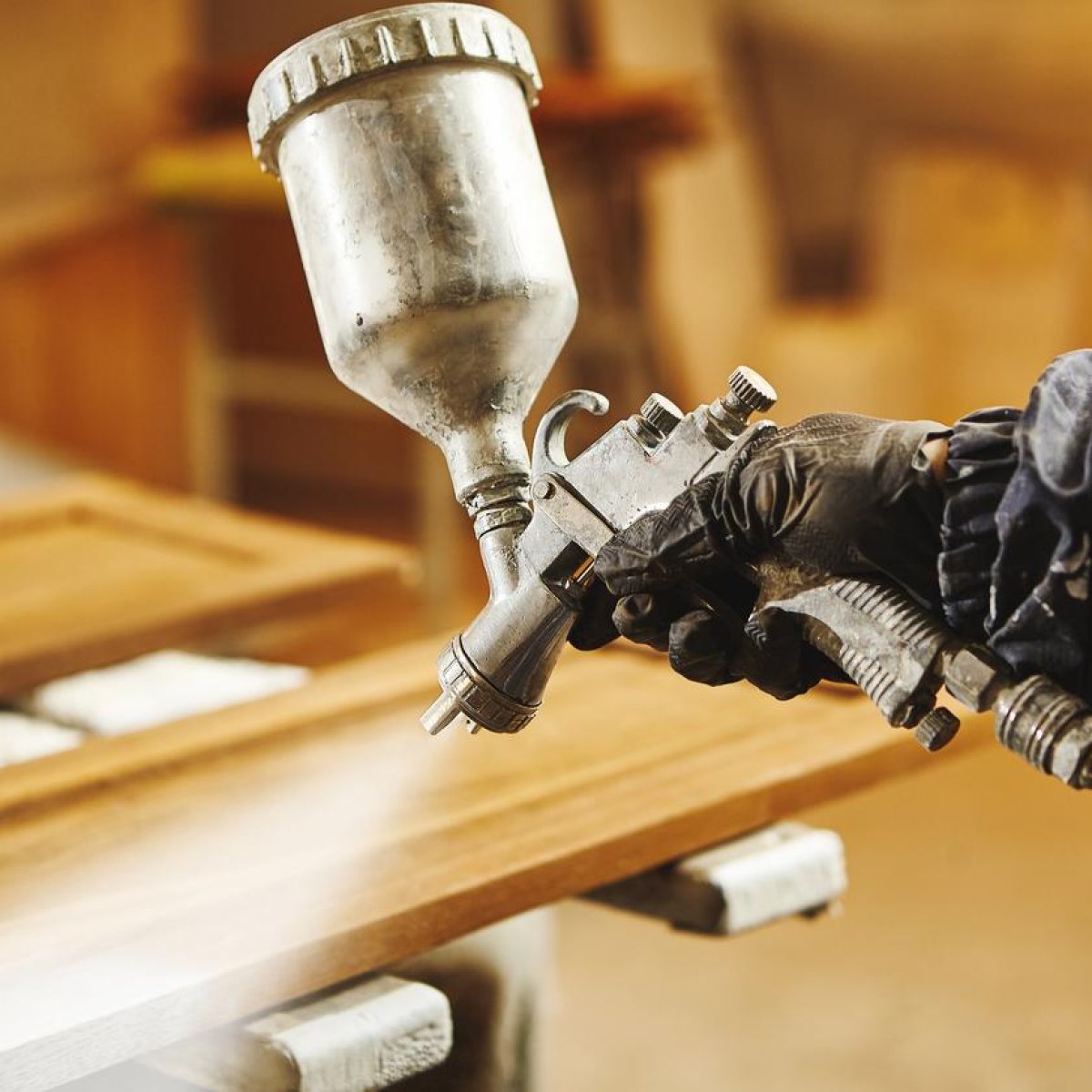
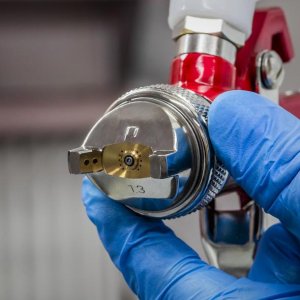
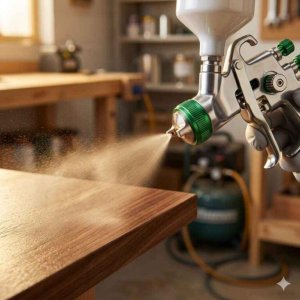
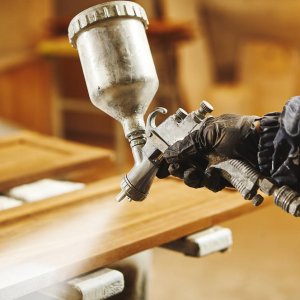
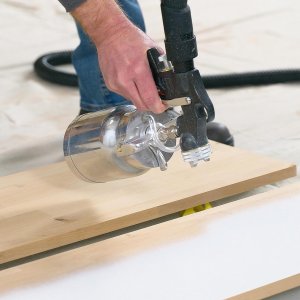
Spray painting
-
Tire inflation
-
Operating impact wrenches
-
Nail guns and staplers
-
Sandblasting
-
Cleaning dust with air blow guns
-
Industrial automation
-
Pneumatic machinery
Advantages
-
Versatile and reliable
-
Powers many pneumatic tools
-
Lower operating cost than many electric tools
-
Portable models available
-
Long service life with proper maintenance
Disadvantages
-
Can be noisy
-
Requires periodic maintenance
-
Moisture may accumulate in the air tank
-
Large industrial models consume significant electricity
For Spray Painting
For most painting applications, choose:
-
Pressure: 90–120 PSI
-
Air Flow: 6–12 CFM (depending on the spray gun)
-
Tank Size: 24–50 liters for small jobs; larger tanks for continuous painting
-
Recommended Compressor Type: Oil-free or rotary screw (for professional painting)