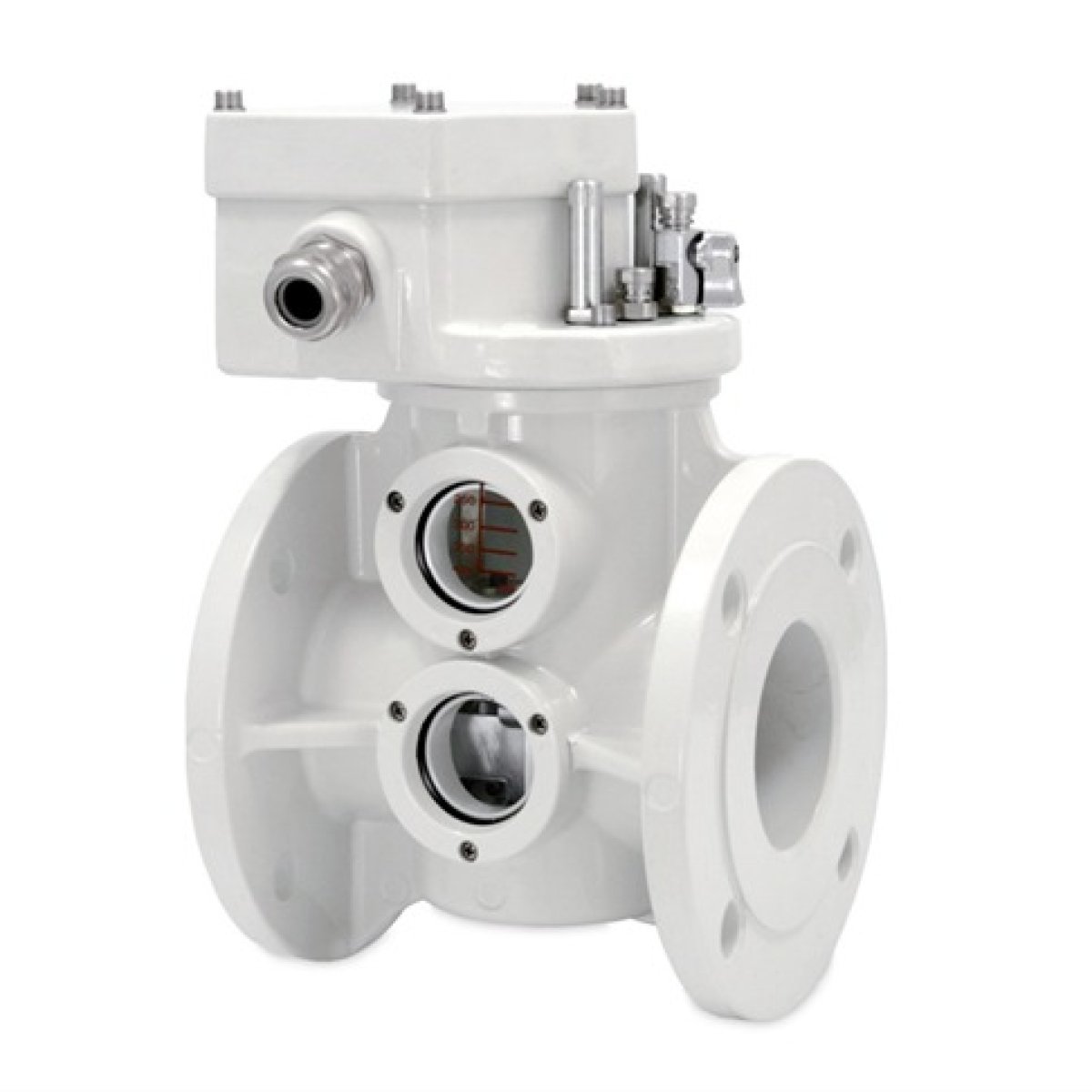
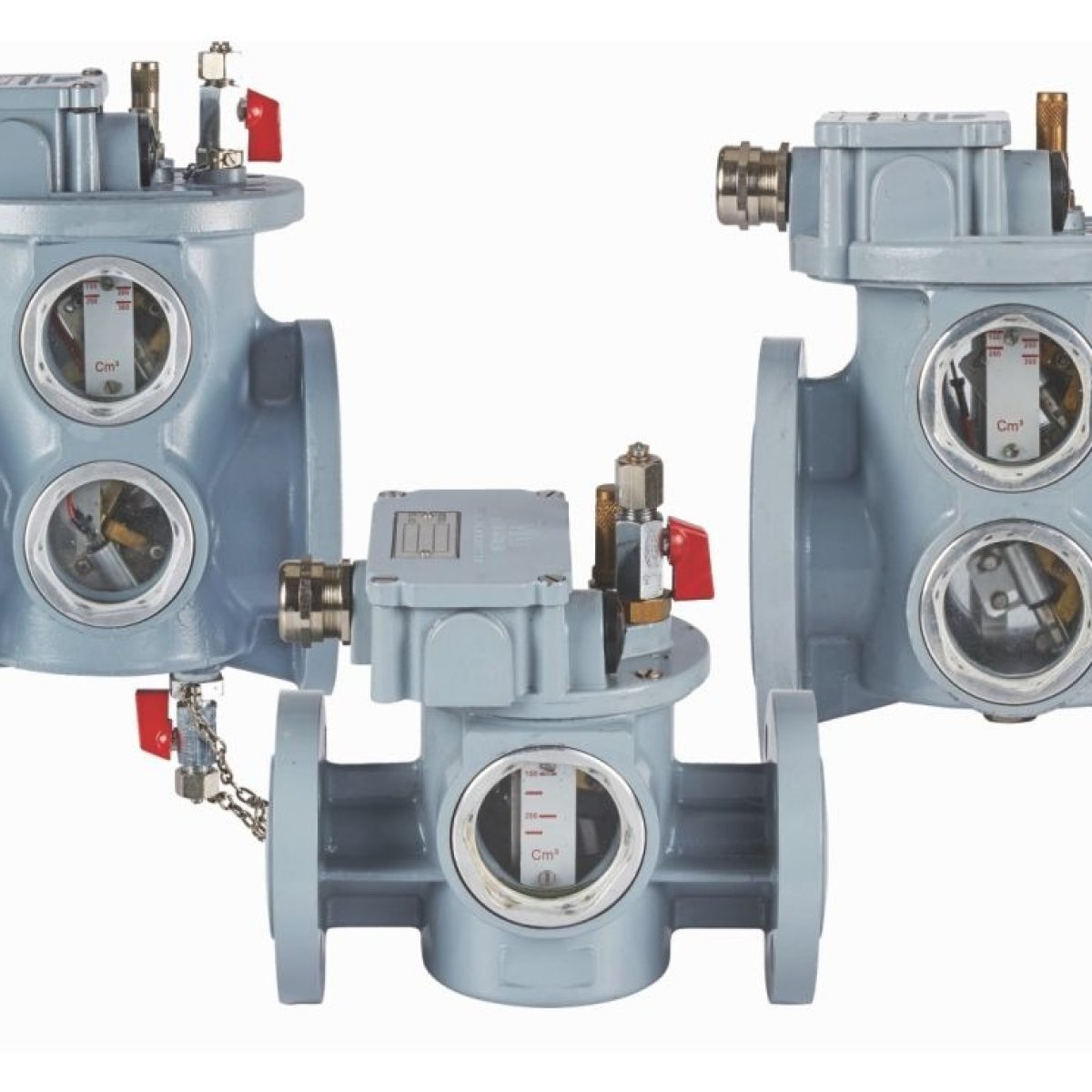
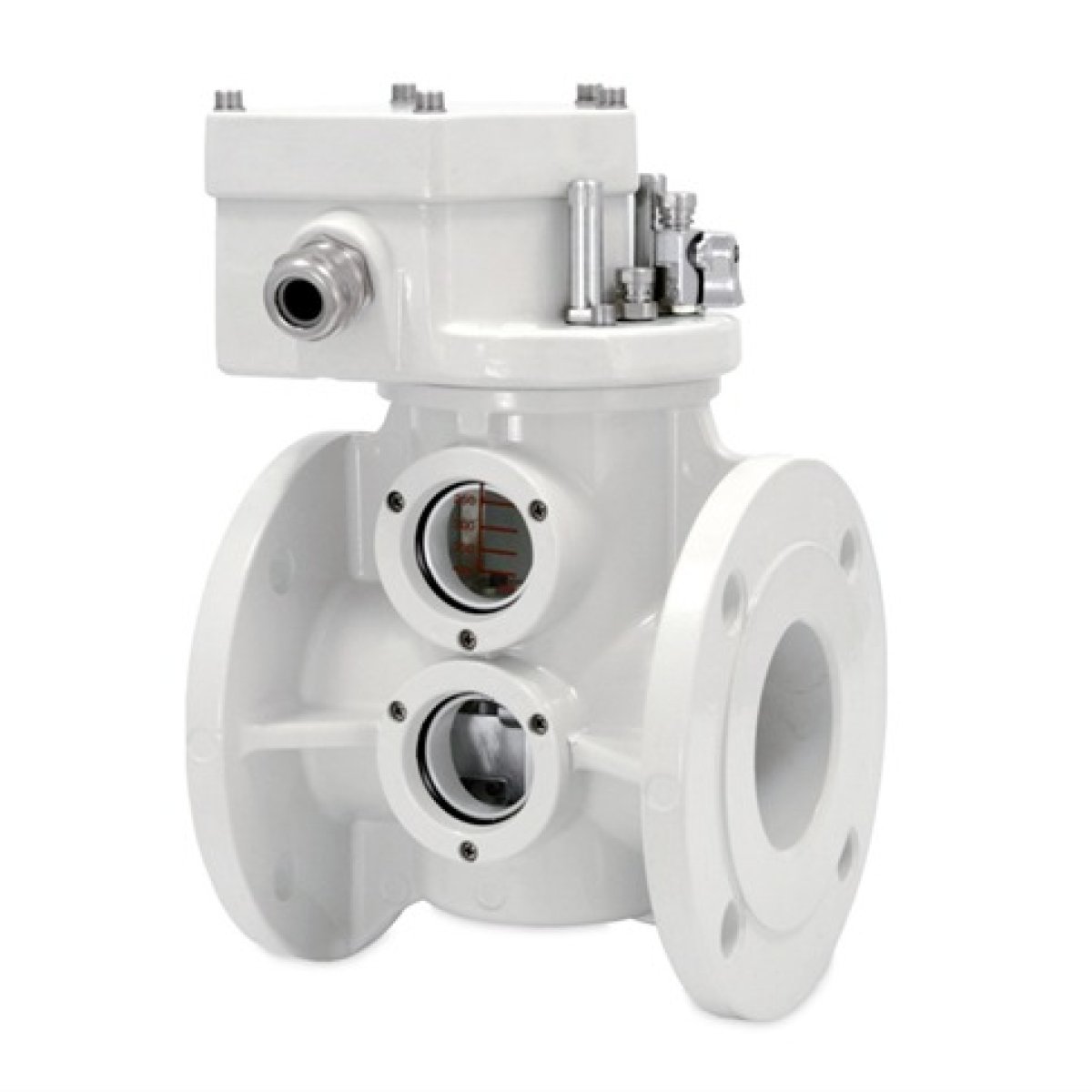
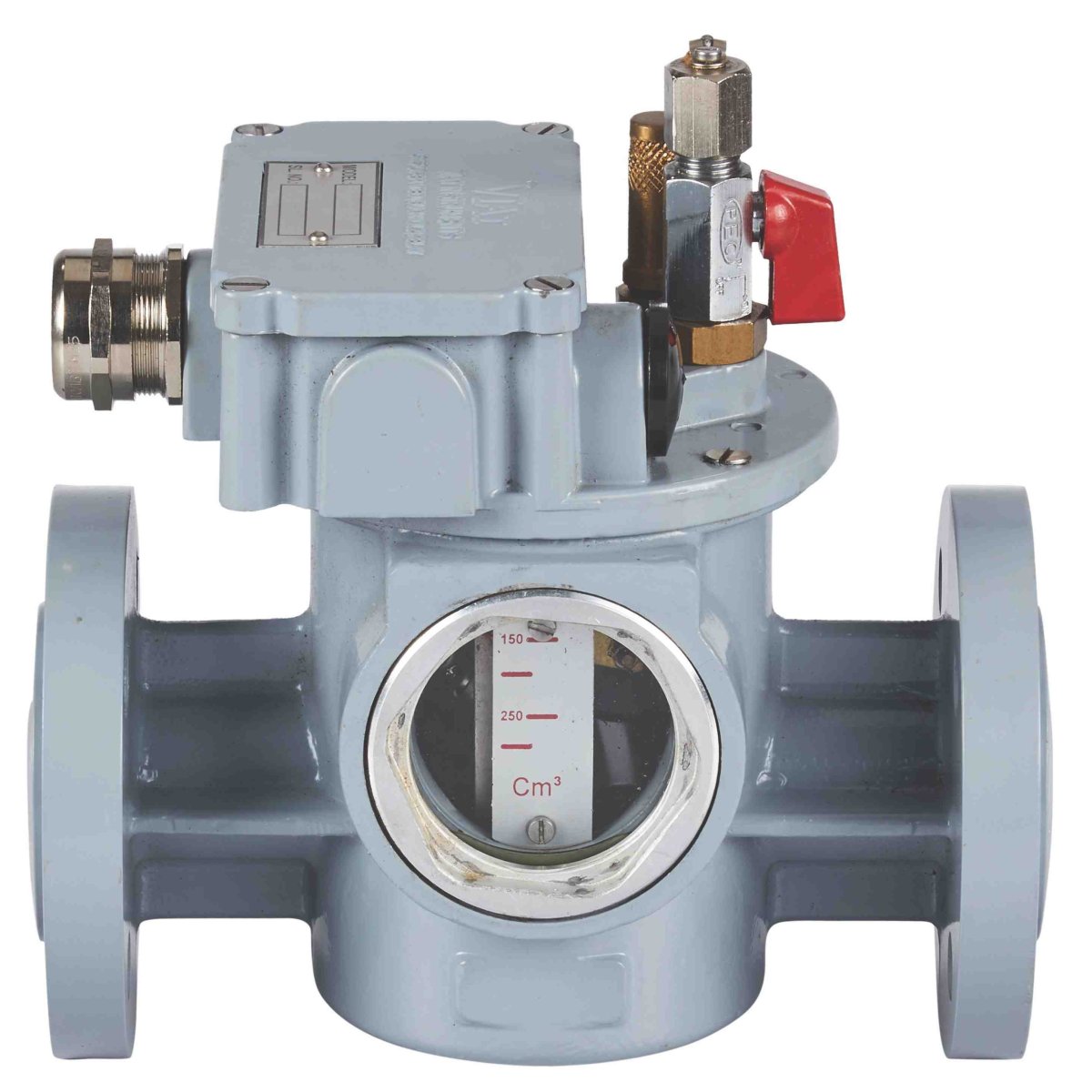
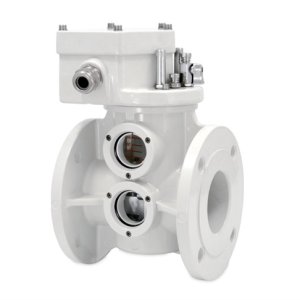
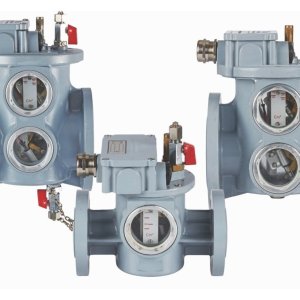
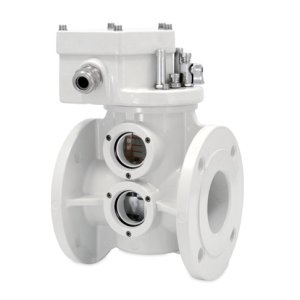
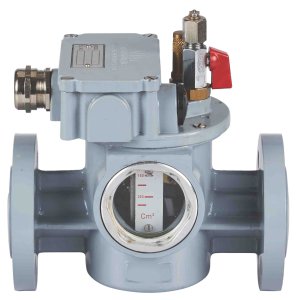
A Buchholz relay is a protective device that monitors the formation of gas or sudden surges of oil within a transformer. It provides two stages of protection: an alarm for minor, slow-developing (incipient) faults and a trip signal to immediately isolate the transformer in the event of major internal failures.
The relay operates based on the principle that electrical faults inside the transformer generate heat, which causes the insulating oil to decompose into gases.
- Internal Mechanism:
- Upper Float: In normal conditions, the relay is full of oil. When minor faults (like local overheating or partial discharge) occur, small gas bubbles rise and get trapped in the relay chamber, displacing the oil. As the oil level drops, the upper float sinks, tilting a mercury or magnetic switch to trigger an alarm.
- Lower Float/Flap: During severe faults (like a short circuit), a large volume of gas is produced instantly, creating a high-pressure surge of oil toward the conservator. This rushing oil strikes a baffle plate or flap, which activates a second switch to trip the circuit breakers on both the high and low voltage sides.
- Key Features & Applications:
- Fault Identification: Gas trapped in the relay's upper pocket can be sampled and analyzed; for example, whitish gas may indicate arcing in paper insulation, while black gas points to severe arcing in the oil.
- Economic Limits: It is generally used on transformers rated above 500 kVA or 750 kVA because it is not cost-effective for smaller units.
- Installation Requirements: The relay must be mounted in pipework inclined at a slight angle (usually 1° to 9°) to ensure gas bubbles naturally flow into the relay housing.