Concrete is a composite material made from a mixture of Portland cement, water, and aggregates (such as sand and gravel). It is the most widely used man-made material in the world because it is incredibly strong in compression and can be molded into any shape before it hardens
Essential Components
- Cement: The "glue" that triggers a chemical reaction called hydration when mixed with water.
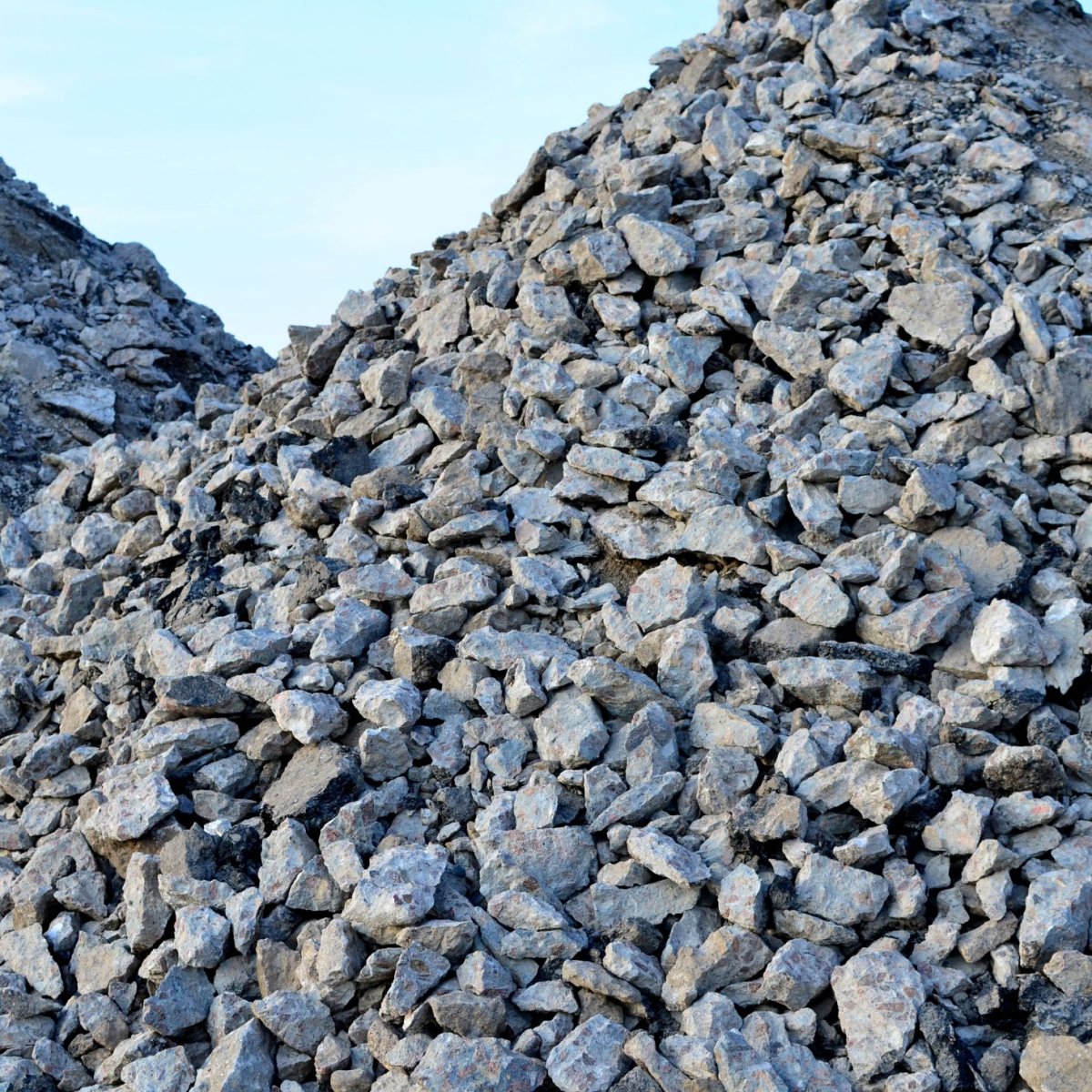
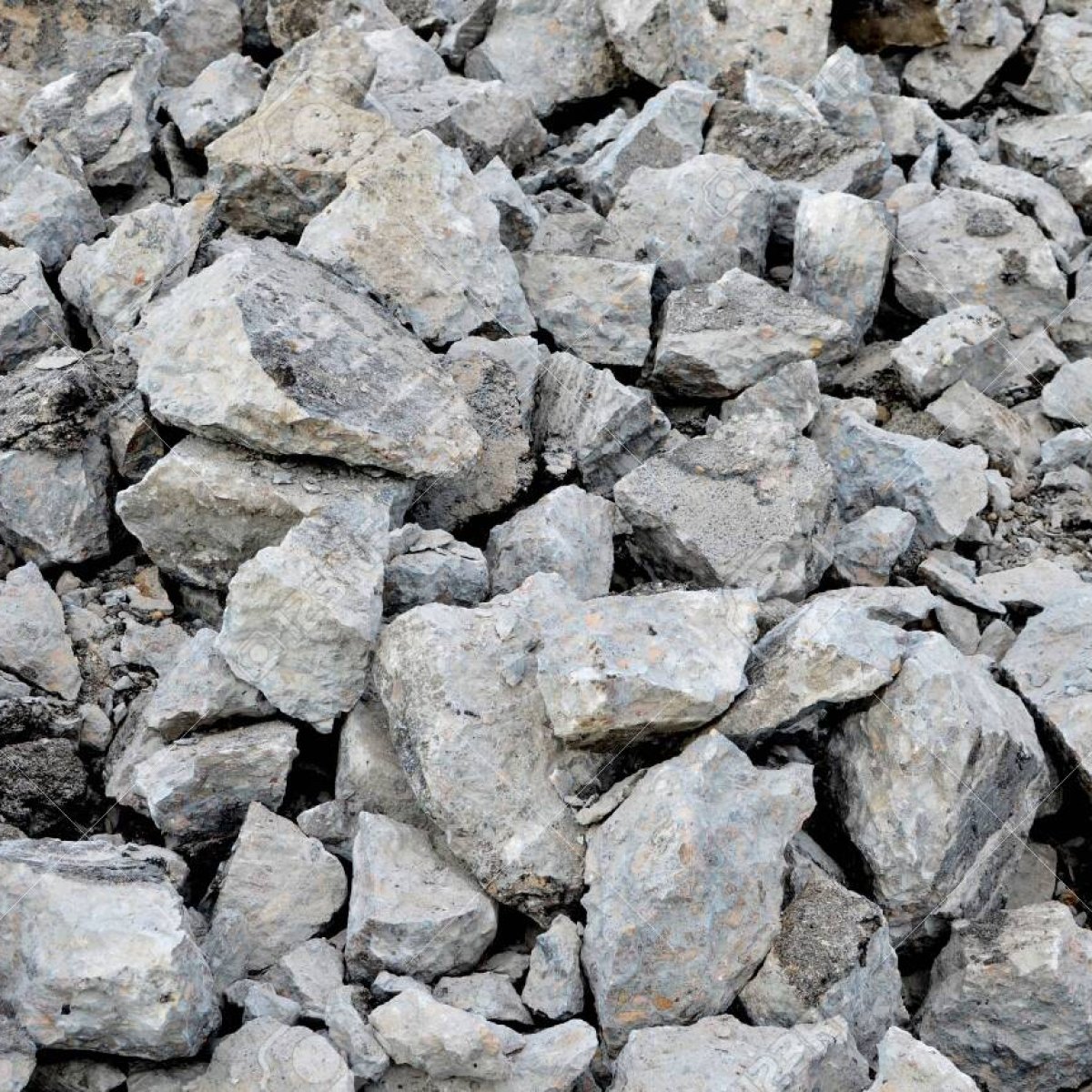
- Aggregates: These make up about 60–80% of the volume. Fine aggregates (sand) fill the gaps between coarse aggregates (stone) to provide bulk and strength.
- Water: Activates the cement. Too much water makes the concrete easier to pour but significantly weaker once it cures. [1, 2, 3, 4, 5]
Common Types of Concrete
- Reinforced Concrete: Concrete is strong against pushing (compression) but weak against pulling (tension). By adding steel rebar or mesh, it becomes strong enough for bridges and skyscrapers.
- Precast Concrete: Cast in a controlled factory environment into reusable molds (like pipes or wall panels) and then transported to the site.
- High-Strength Concrete: Designed to withstand extreme loads, often used in the lower columns of high-rise buildings.
- Lightweight Concrete: Made with porous aggregates (like pumice or clay) to reduce the overall weight of a structure.