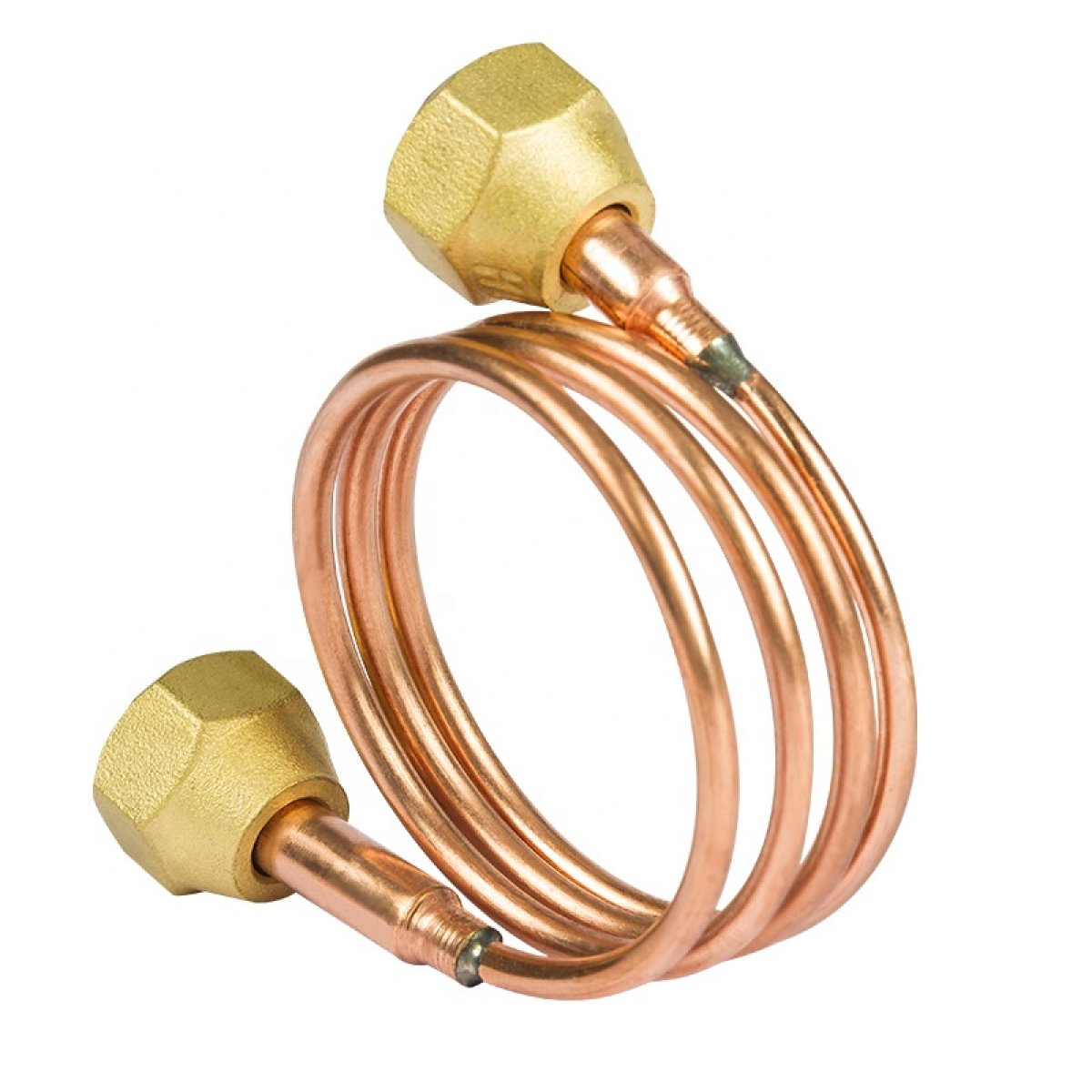
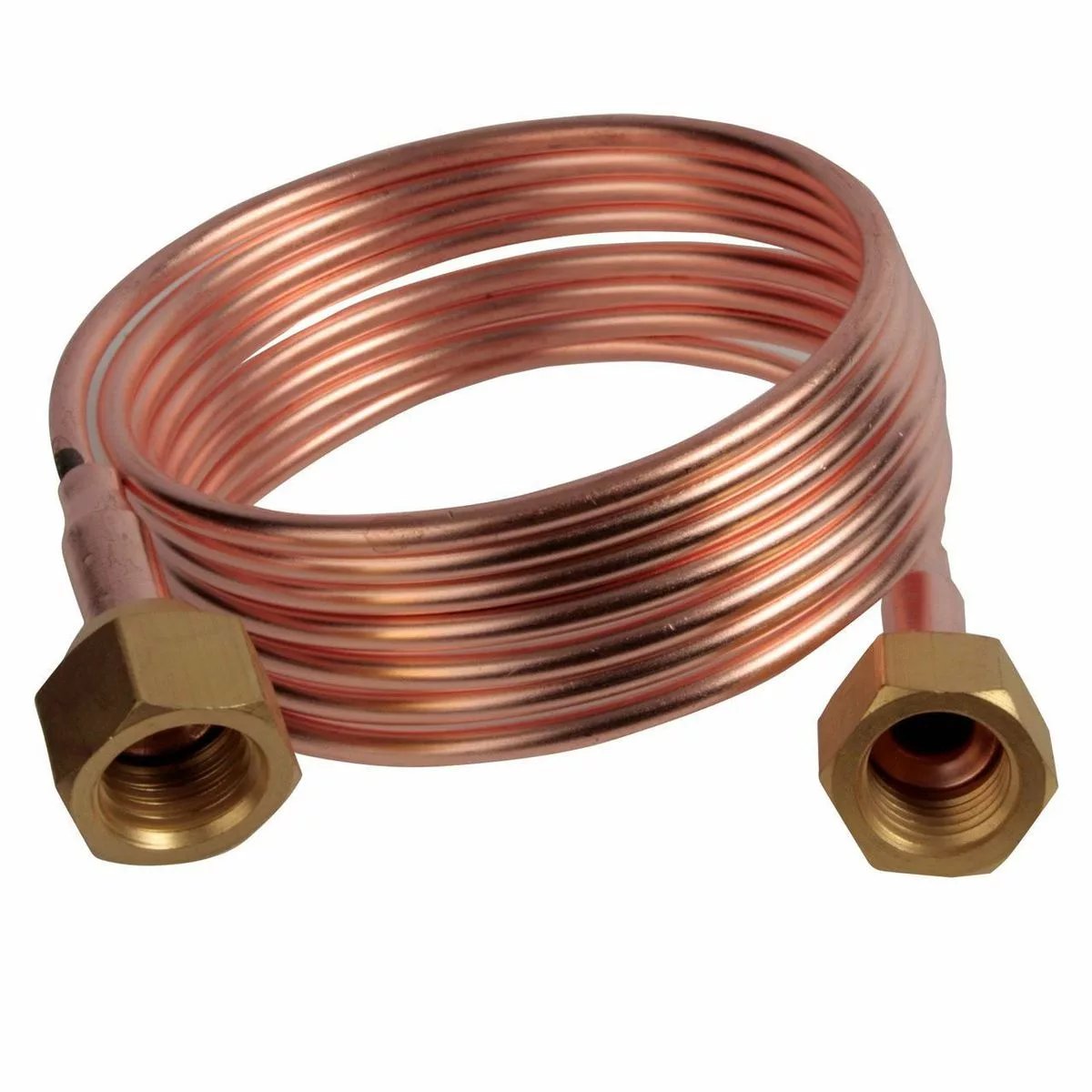
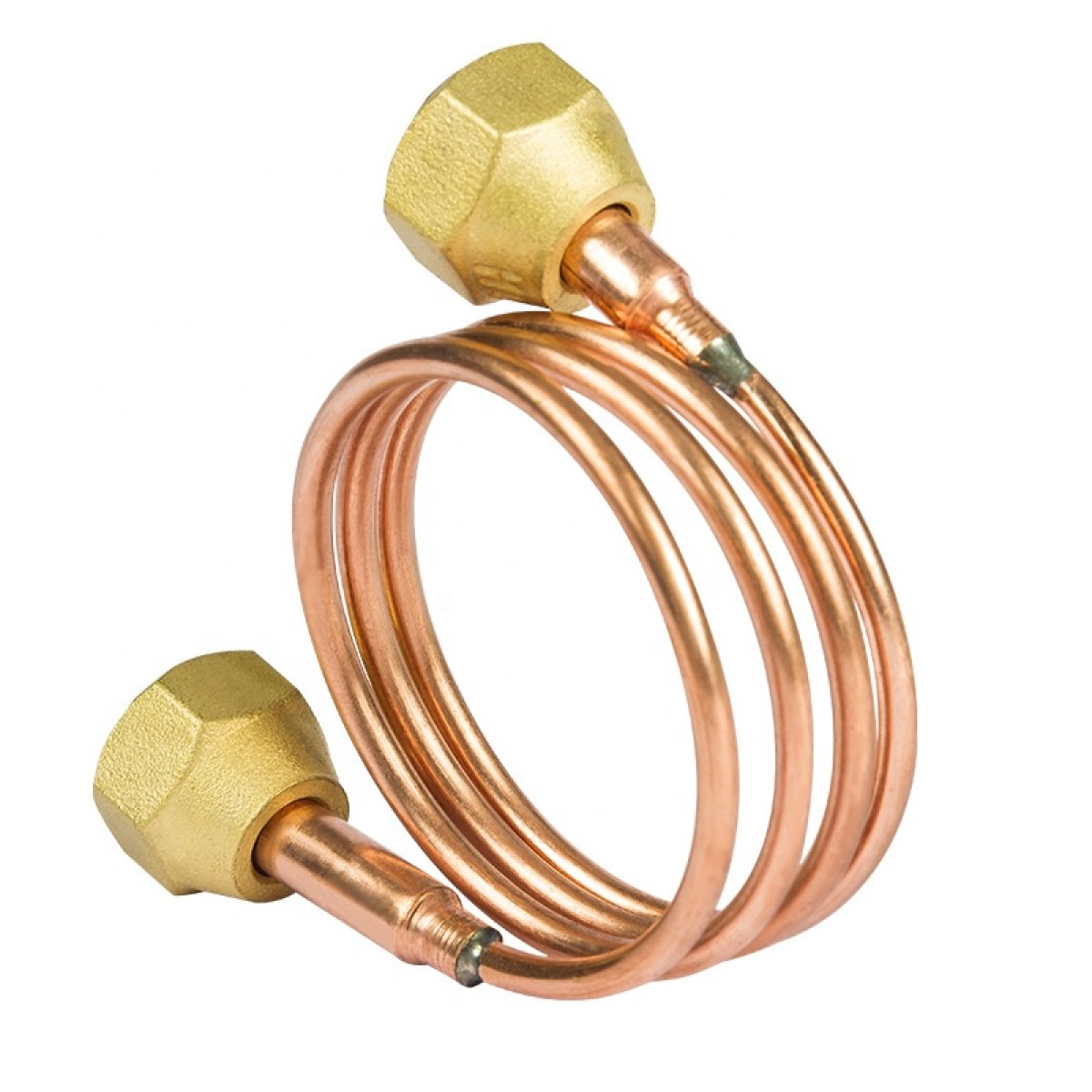
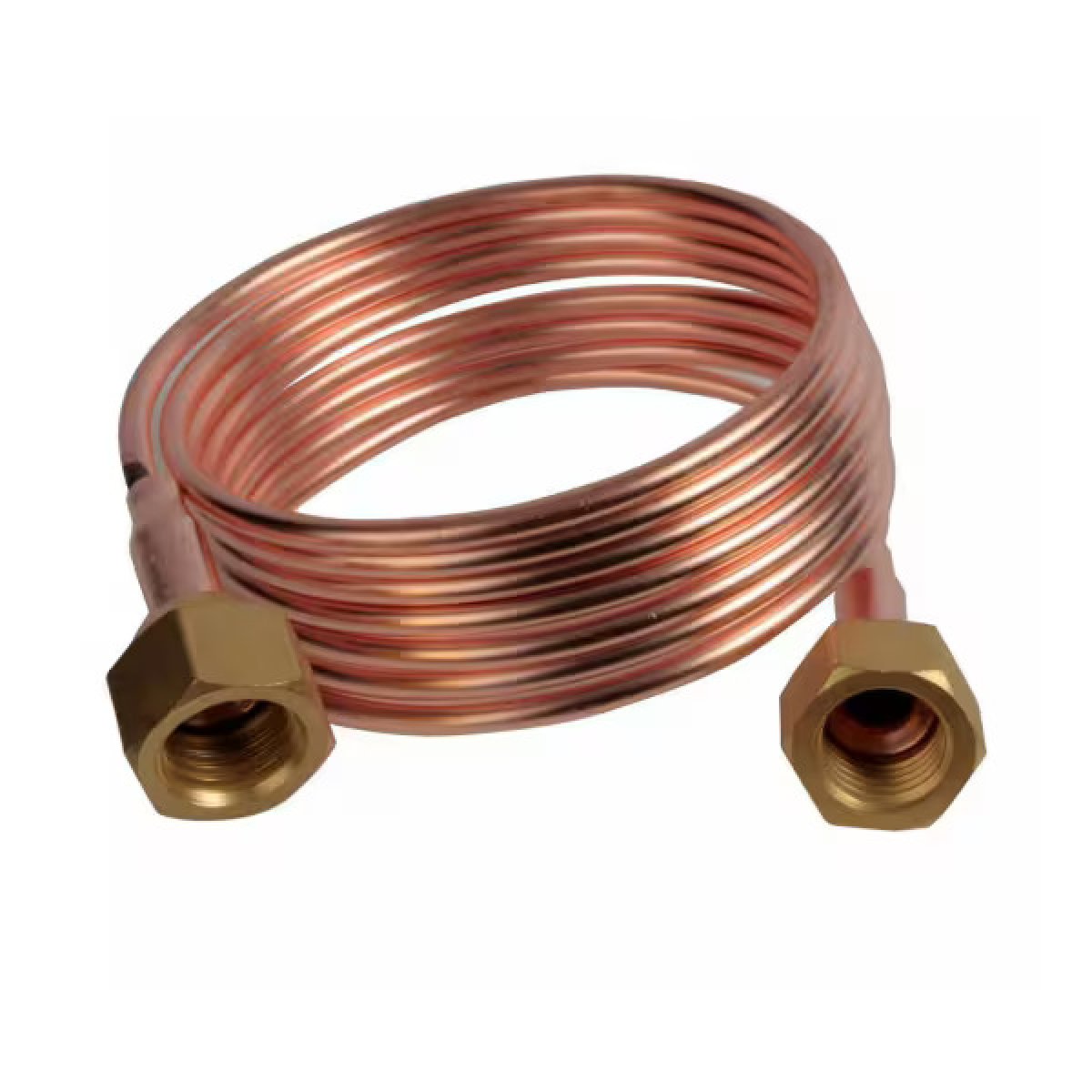
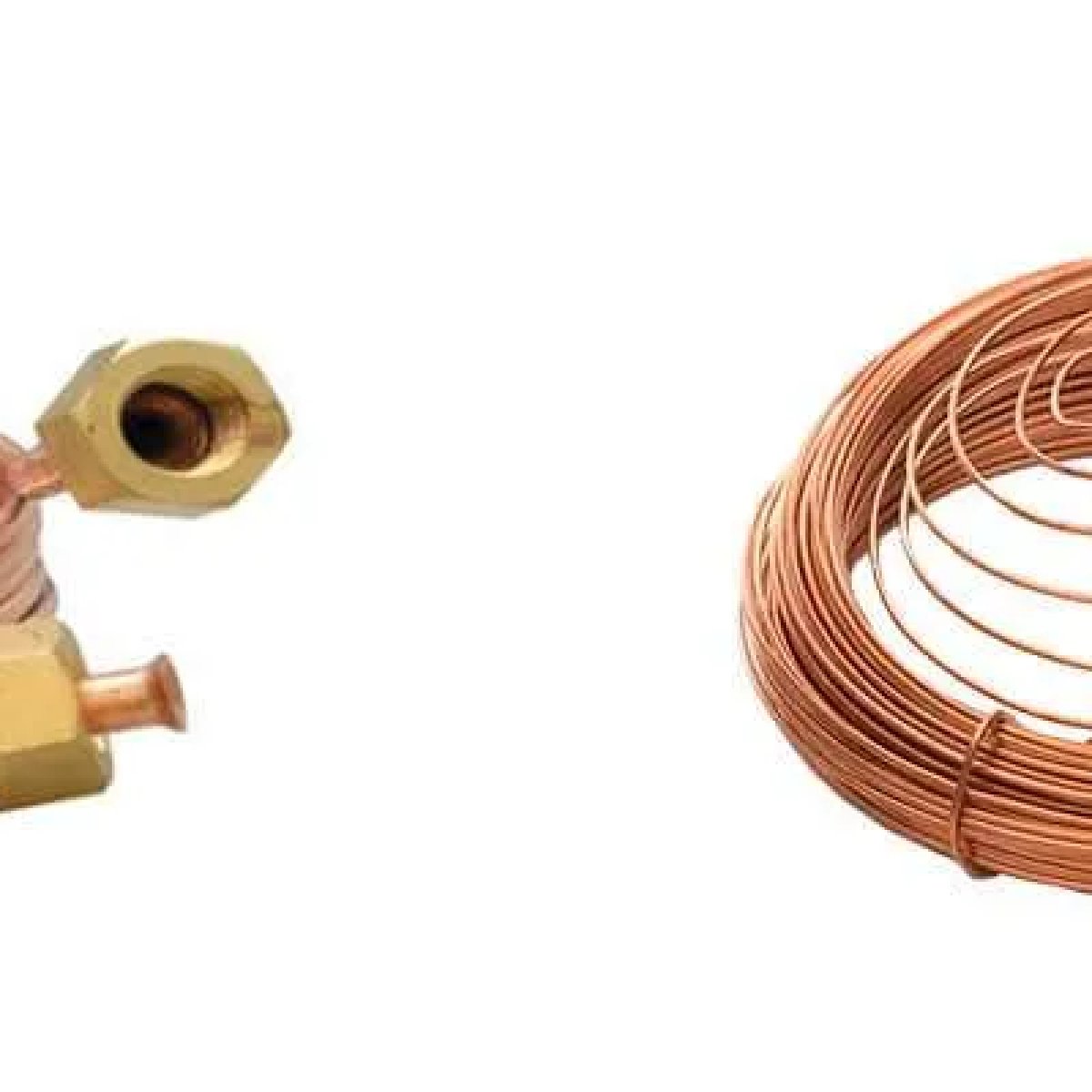
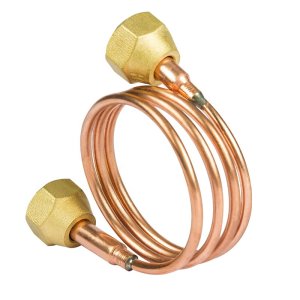
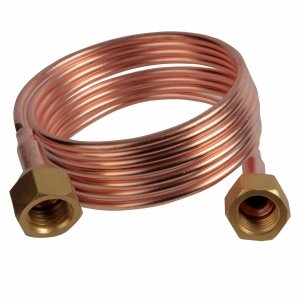
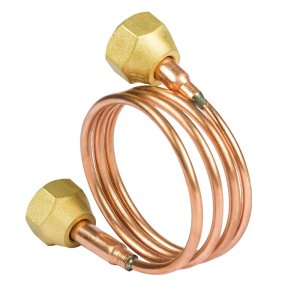
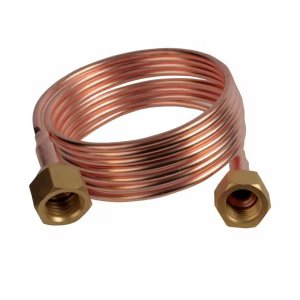
The Expansion Device, specifically the Capillary Tube in domestic refrigerators, is a long, thin copper tube with a very small internal diameter (typically 0.5 to 2.28 mm). It serves as a fixed restriction that controls the flow of refrigerant between the high-pressure and low-pressure sides of the system.
Primary Functions
- Throttling & Pressure Drop: As liquid refrigerant passes through the narrow tube, friction and acceleration cause a sudden drop in pressure and temperature. This prepares the refrigerant to absorb heat in the evaporator.
- Metering Flow: It regulates the exact amount of liquid refrigerant entering the evaporator, which is essential for efficient cooling.
- Pressure Equalization: Unlike mechanical valves, a capillary tube remains open when the compressor stops. This allows pressures to equalize across the system, making it easier for the compressor to restart with less torque.
Common Issues
Because of its extremely small bore, the capillary tube is sensitive to several types of blockages: [
1,
2]
- Clogging (Debris): Tiny particles of dust or copper shavings from welding can block the tube.
- Ice Blockage (Moisture): If moisture enters the system, it can freeze at the exit of the tube, where temperatures are lowest, cutting off refrigerant flow.
- Oil Blockage (Waxing): Refrigerant oil can sometimes thicken or "wax" inside the narrow tube, especially during long-term low-load operation.
- Physical Damage: Kinks or sharp bends during installation can restrict flow and harm performance.