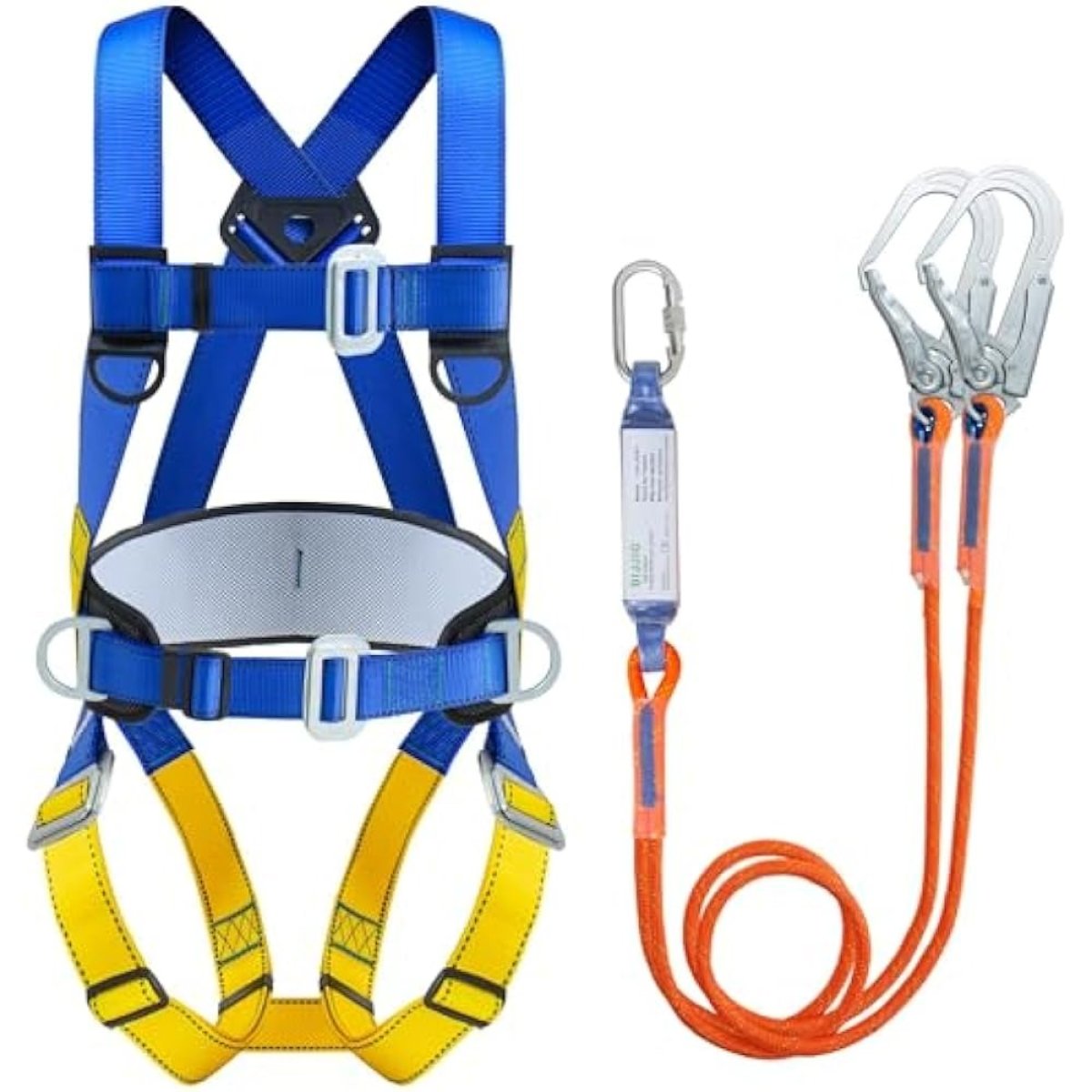
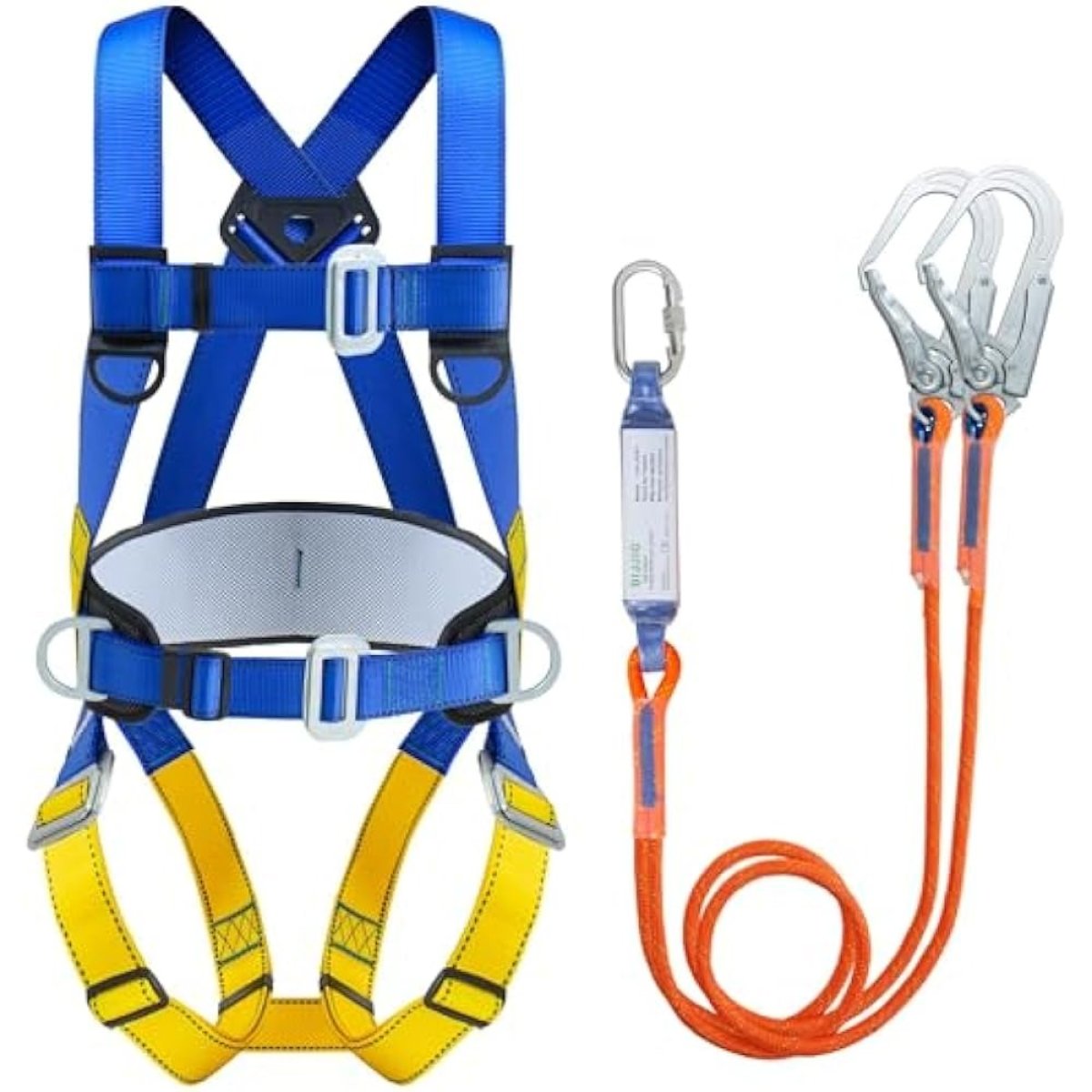
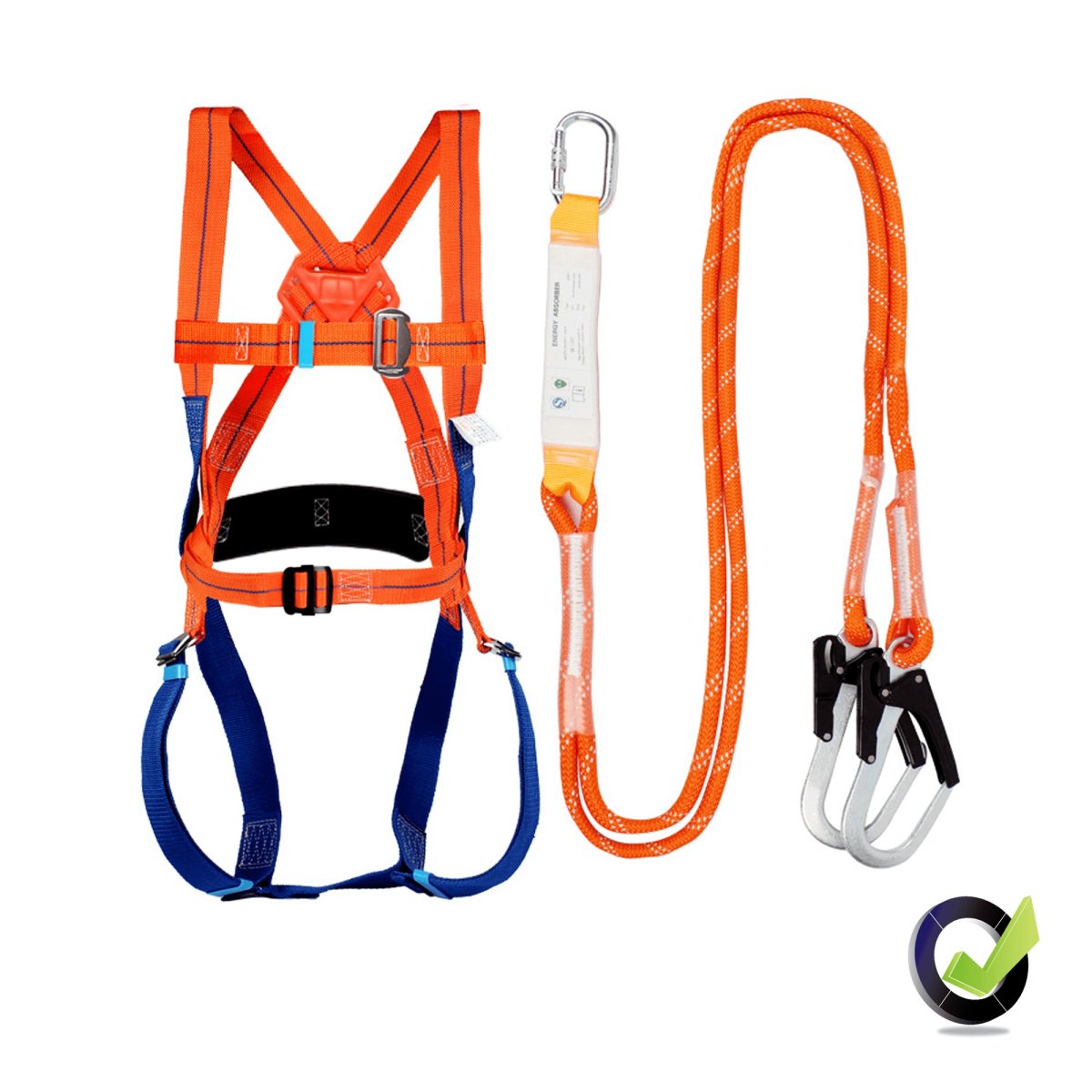
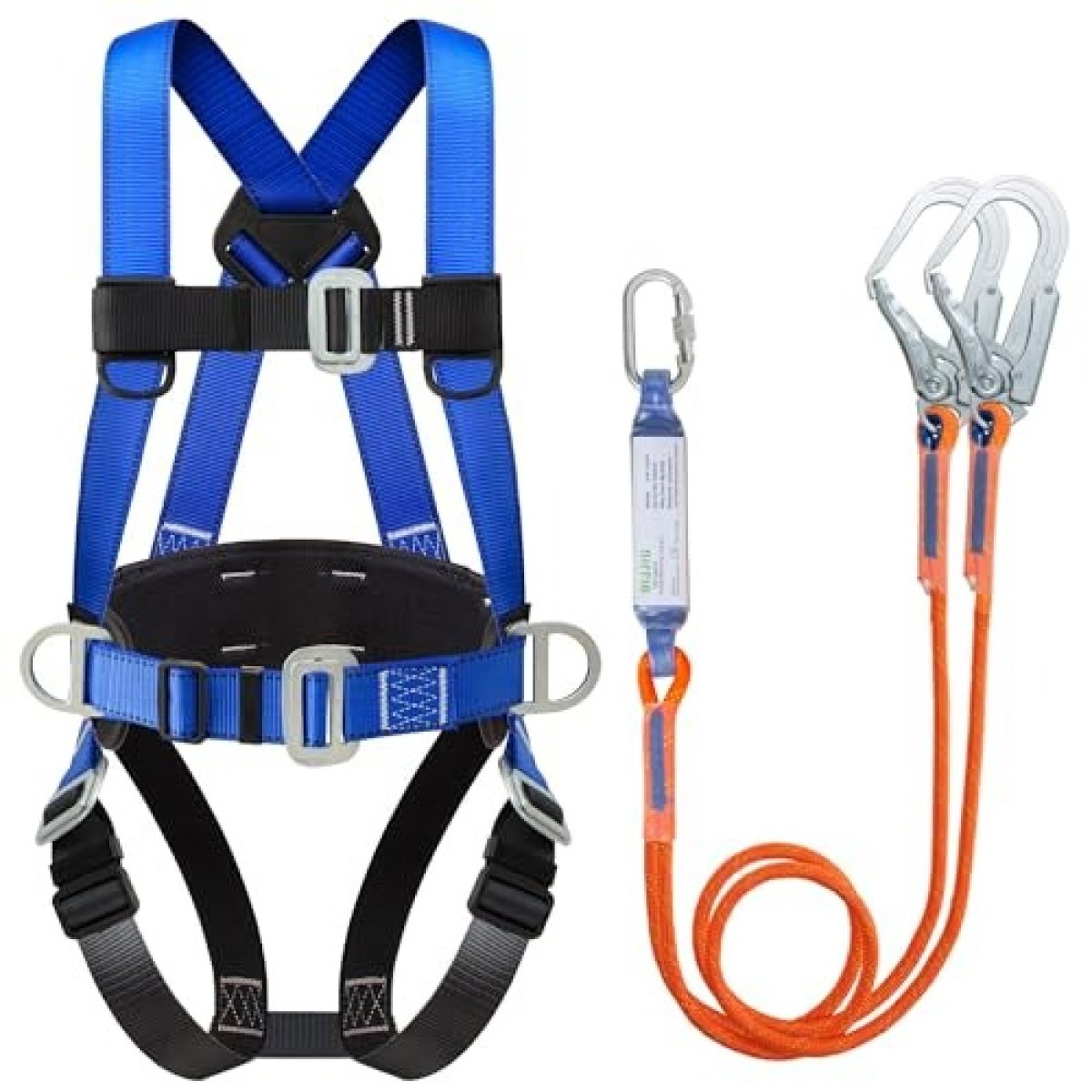
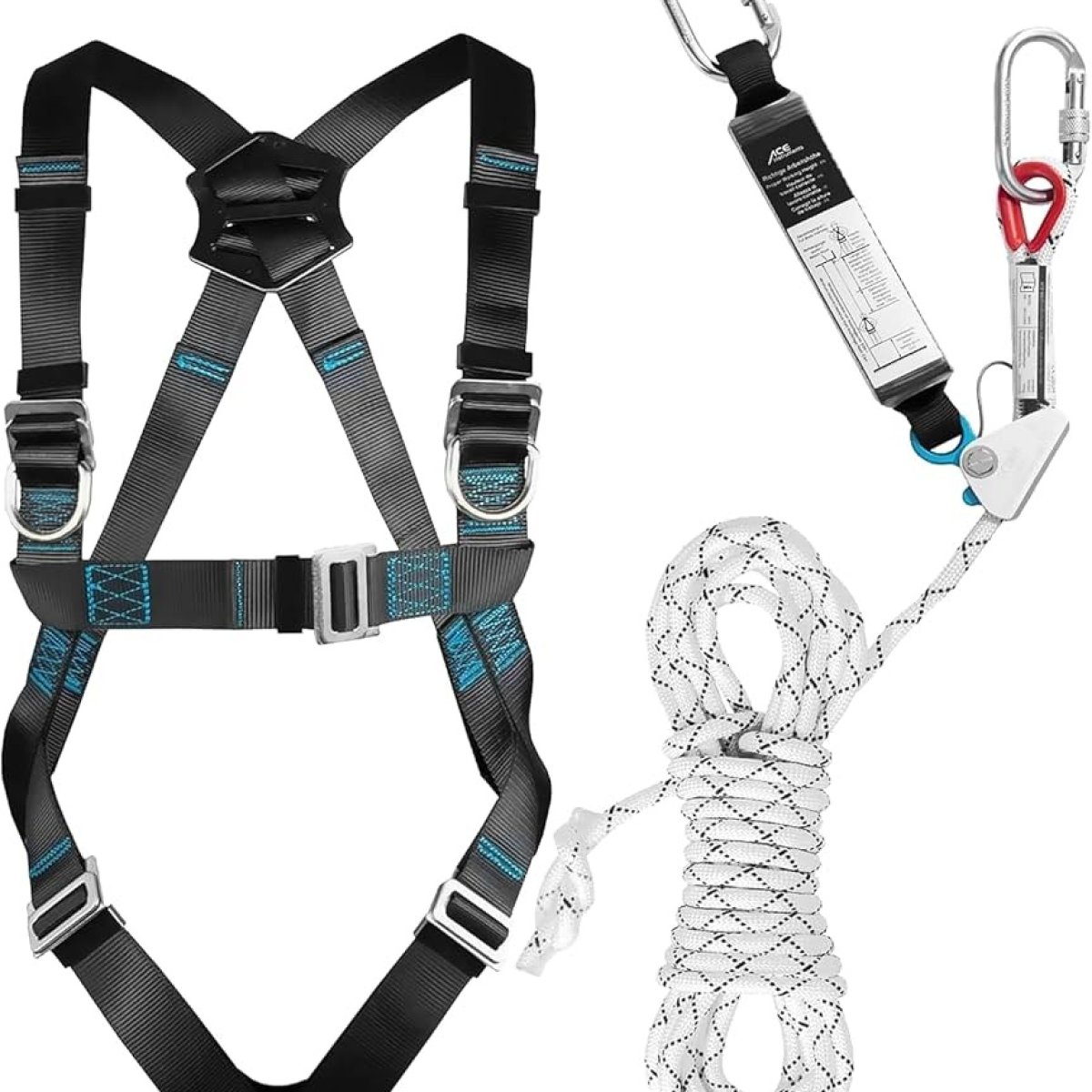
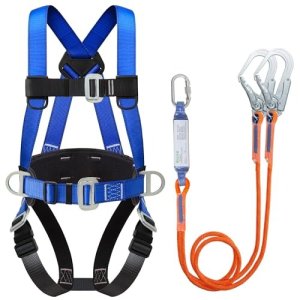
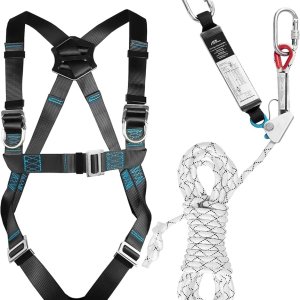
A full body safety harness consists of high-strength webbing straps that wrap around the chest, shoulders, waist, and thighs. Unlike a simple safety belt, it is designed to distribute the intense forces of a fall across the user's major muscle groups (pelvis and shoulders) to minimize injury and keep the body upright for a safe rescue.
A full body harness is the only acceptable form of body wear for a Personal Fall Arrest System (PFAS) in most industrial environments. It is engineered with a Dorsal D-ring located between the shoulder blades, which serves as the primary attachment point for lanyards or lifelines.
Key Components & Technology:
- Webbing Materials: Typically made from heavy-duty polyester or nylon. Specialized materials like Kevlar® or Nomex® are used for high-heat or arc-flash environments.
- Attachment Points (D-Rings):
- Dorsal (Back): For standard fall arrest.
- Sternal (Front): Used for ladder climbing systems or rescue.
- Side/Hip: Dedicated to work positioning, allowing workers to use both hands while leaned back.
- Safety Standards: Professional harnesses must meet ANSI Z359.11 standards, which certify they can safely support users weighing between 130 and 310 lbs.
- Shock Absorbers: Often integrated into the attached lanyard, these reduce the impact force on the spine during a sudden stop.
- Comfort Features: High-end models like the 3M DBI-SALA ExoFit include moisture-wicking padding, quick-connect buckles, and "trauma straps" to prevent suspension trauma while waiting for rescue