
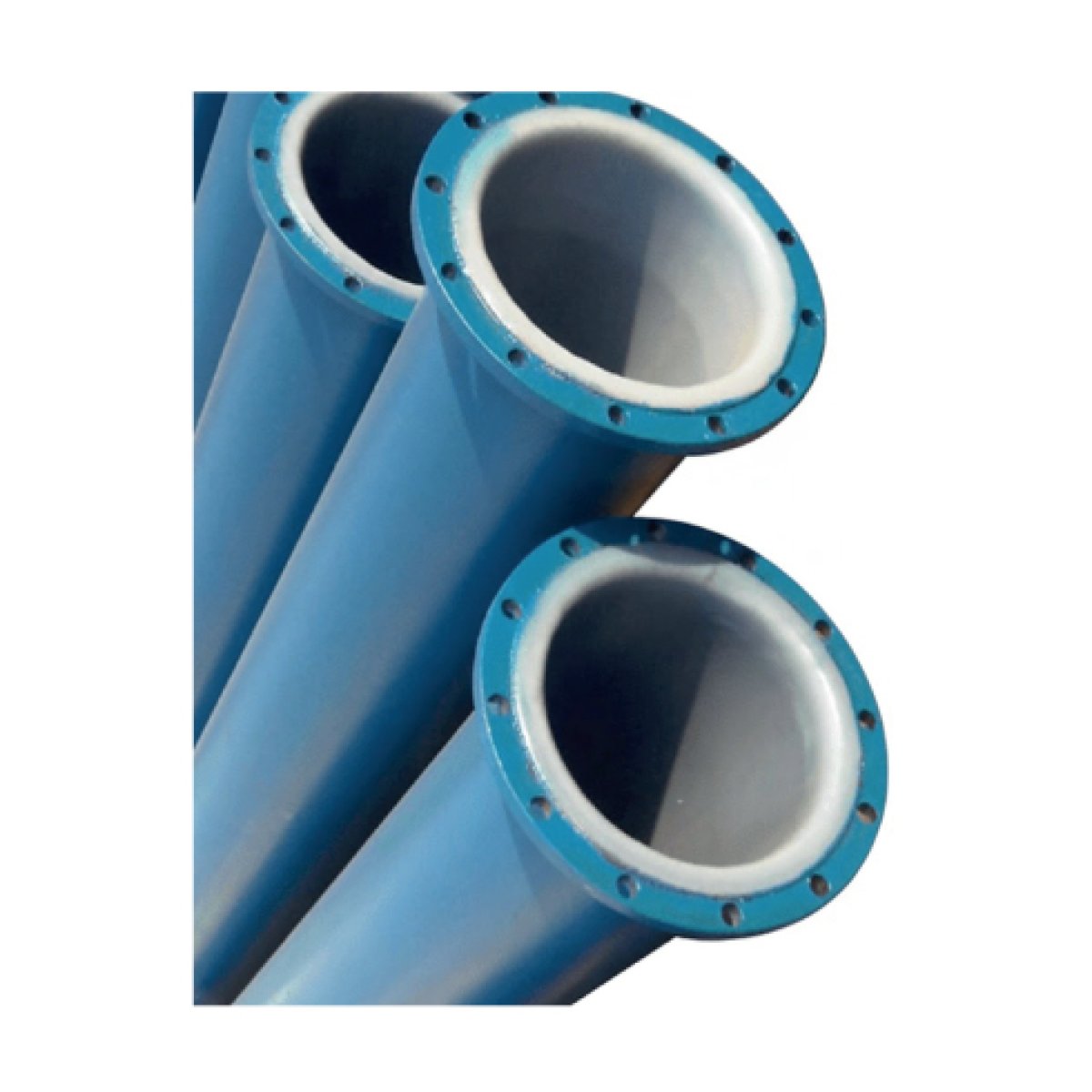
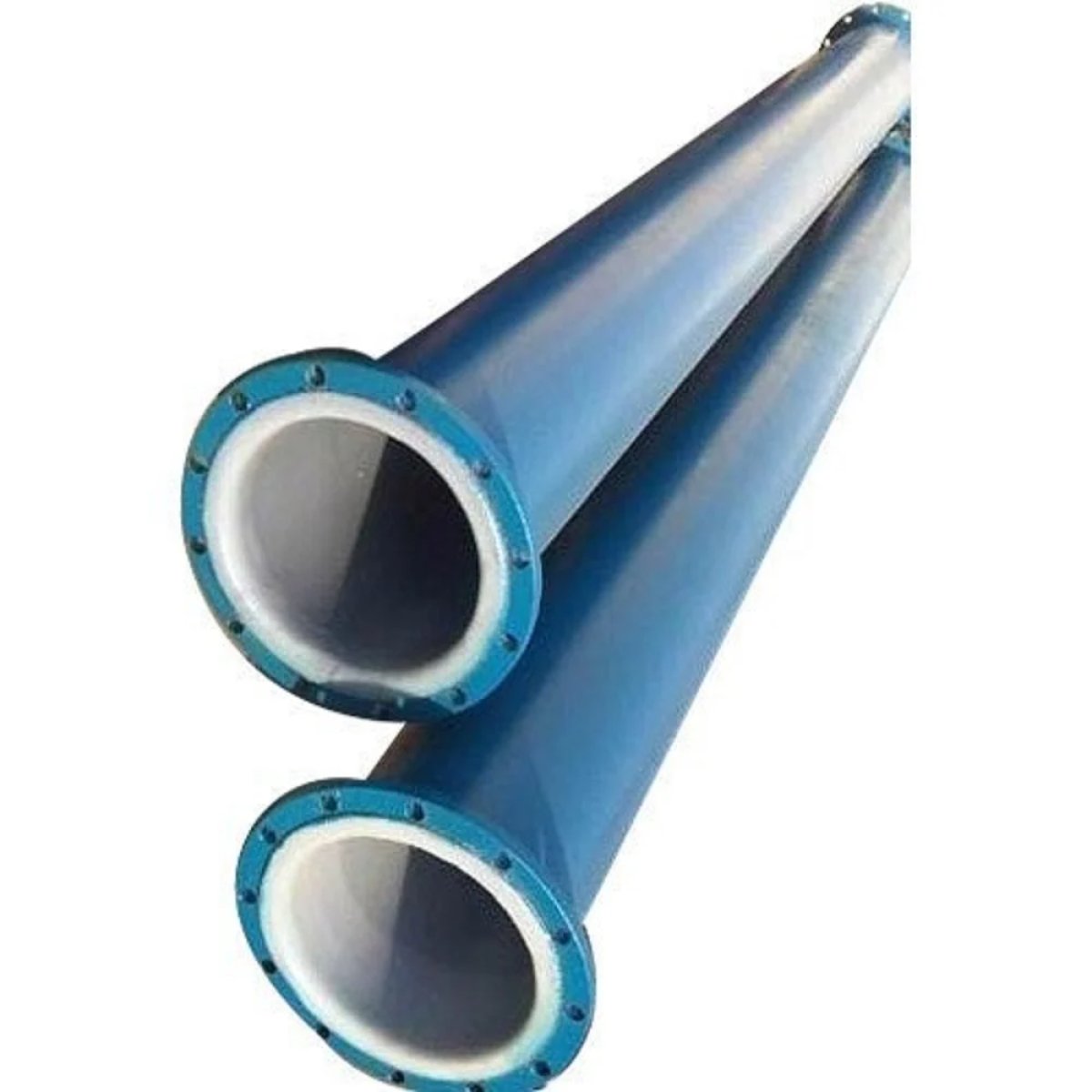
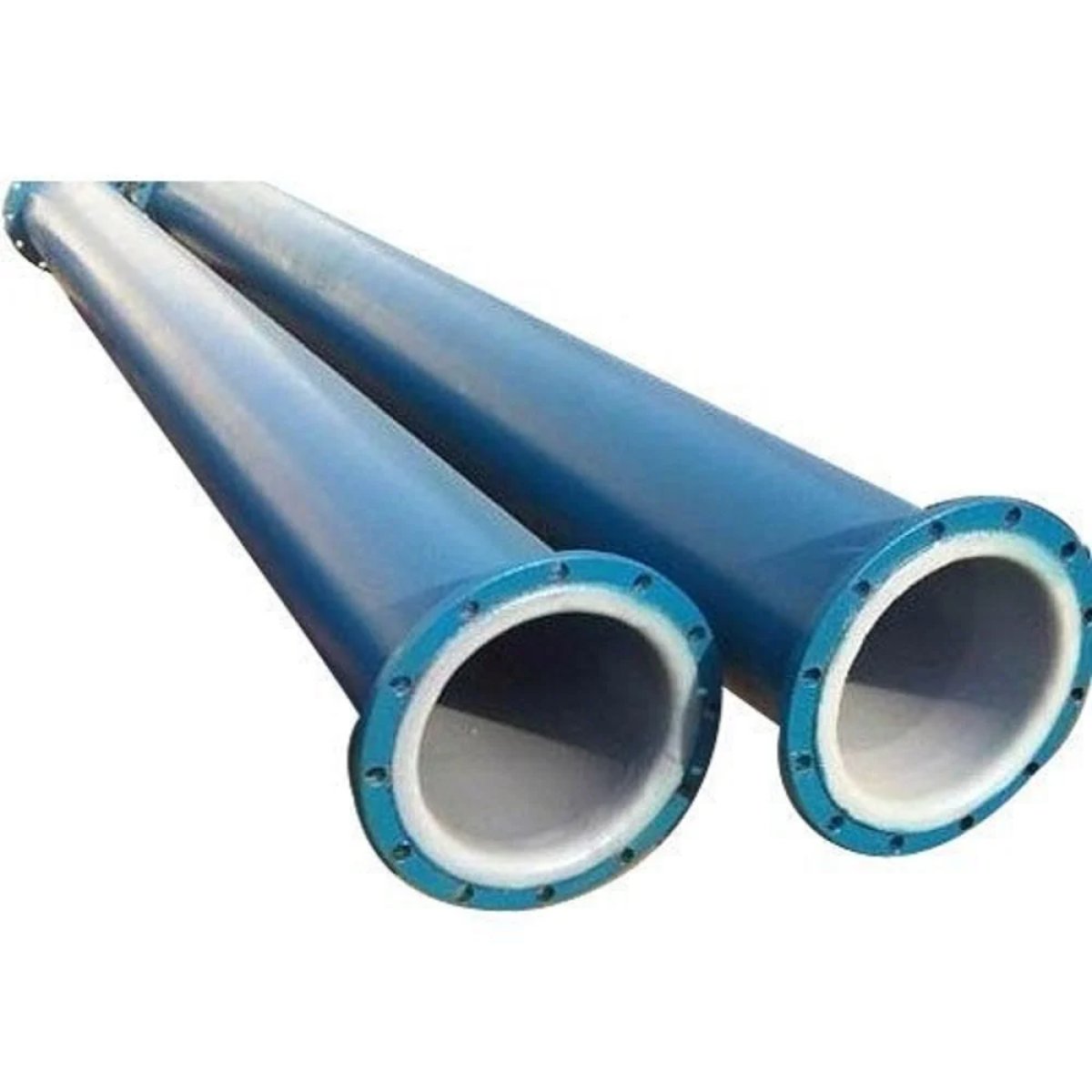
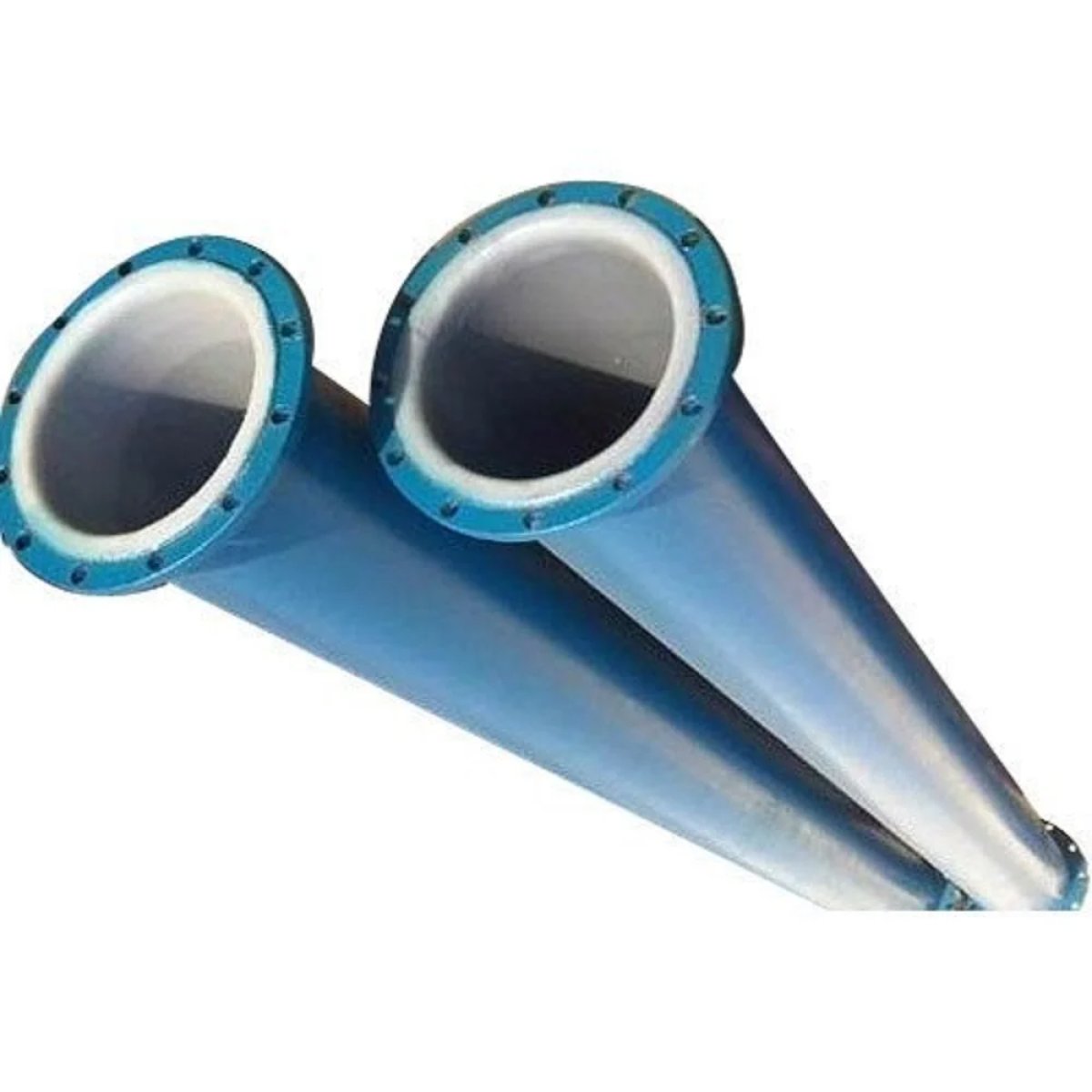
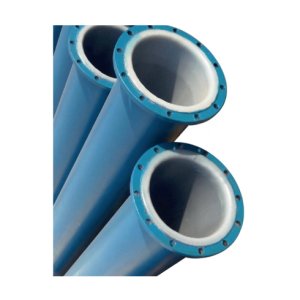
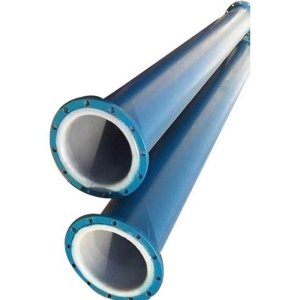
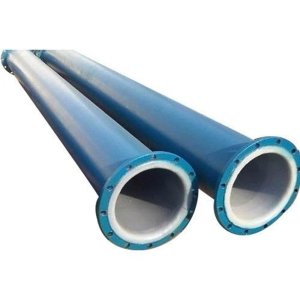
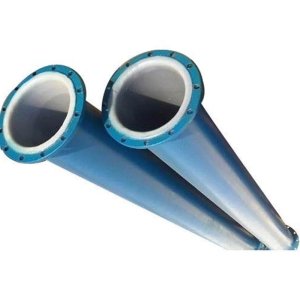
A pipe is a cylindrical conduit used in pump systems to transport fluids such as water, oil, or chemicals safely and efficiently from one point to another.
Pipes are essential components in any pump system, serving as the primary pathway for fluid flow between the pump, storage tanks, and end-use points. Designed in cylindrical form, pipes ensure smooth and controlled movement of liquids under pressure or gravity.
In pump systems, pipes are typically categorized into suction pipes (drawing fluid into the pump) and discharge pipes (delivering fluid from the pump to the required location). Proper pipe sizing, material selection, and installation are crucial to minimize friction loss, maintain flow efficiency, and prevent issues such as cavitation or leakage.
Pipes are manufactured from a variety of materials including steel, stainless steel, PVC, HDPE, and ductile iron, depending on the application, pressure rating, and type of fluid being handled. Flanged ends, as shown in the image, allow secure connections with valves, pumps, and other pipeline components, ensuring leak-proof joints and easy maintenance.
For durability and long-term performance, pipes are often coated or lined to resist corrosion, abrasion, and chemical damage. In industrial and fire protection pump systems, pipes must also comply with relevant standards and pressure ratings.
Overall, pipes play a vital role in ensuring efficient, safe, and reliable fluid transport within pump systems across residential, commercial, and industrial applications.