
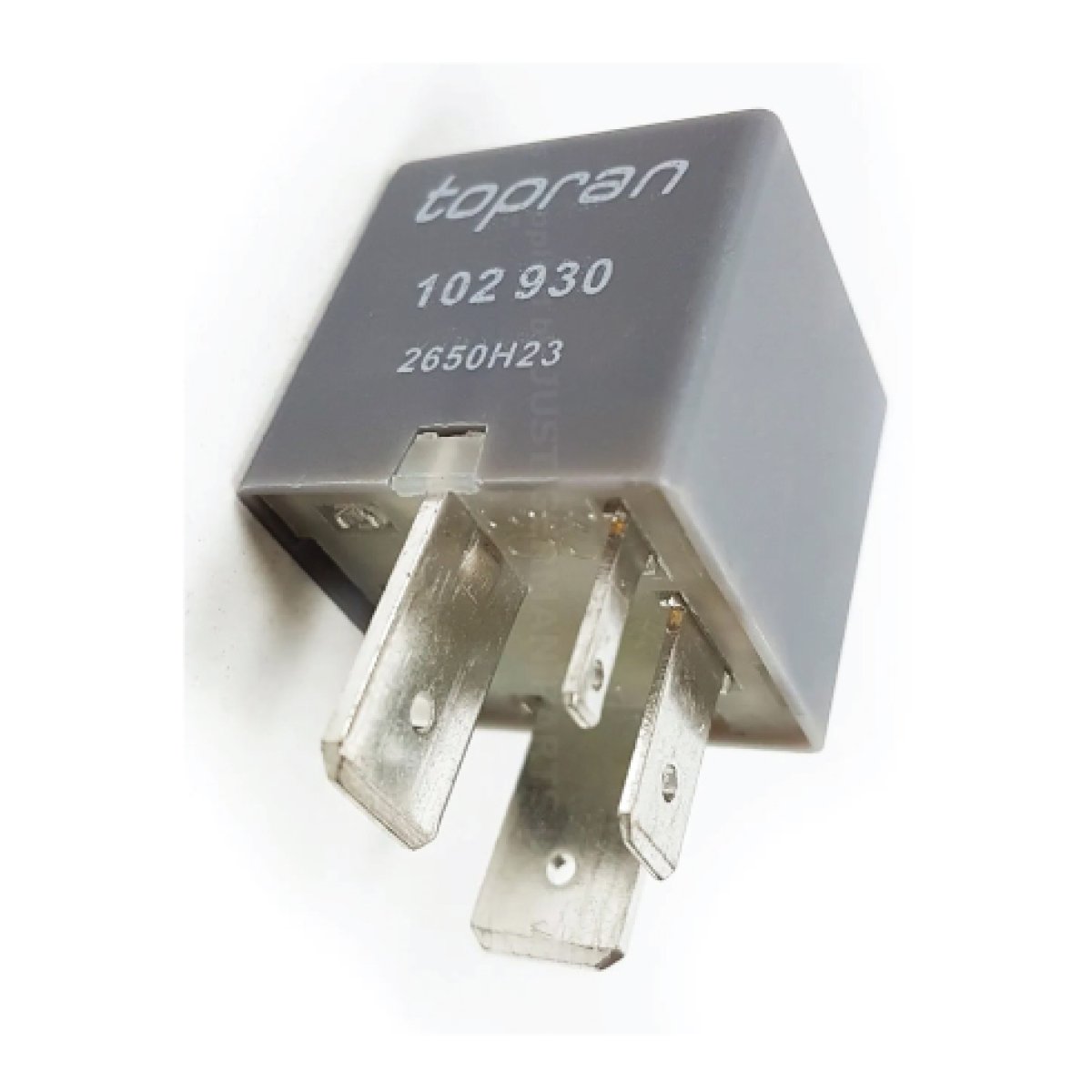
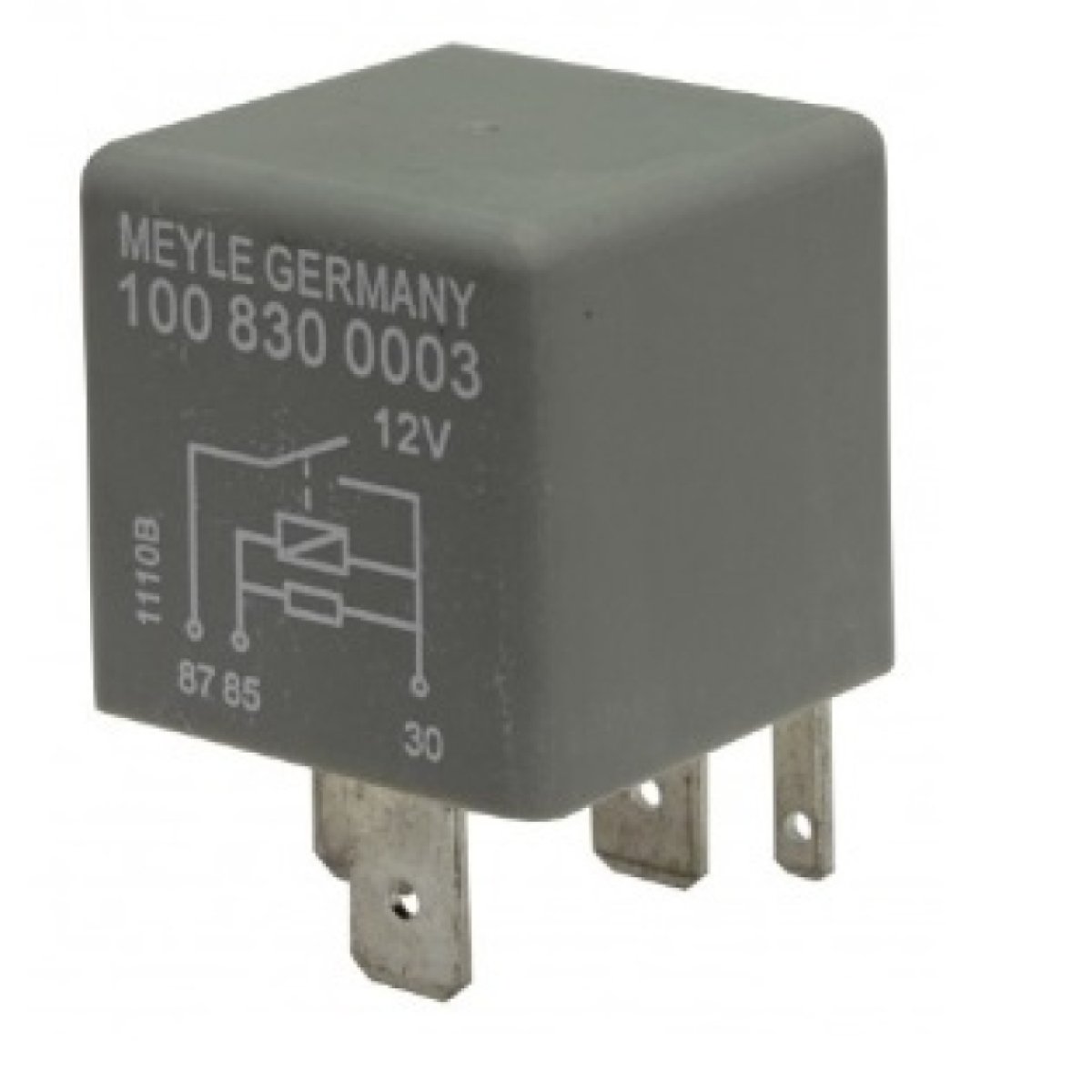
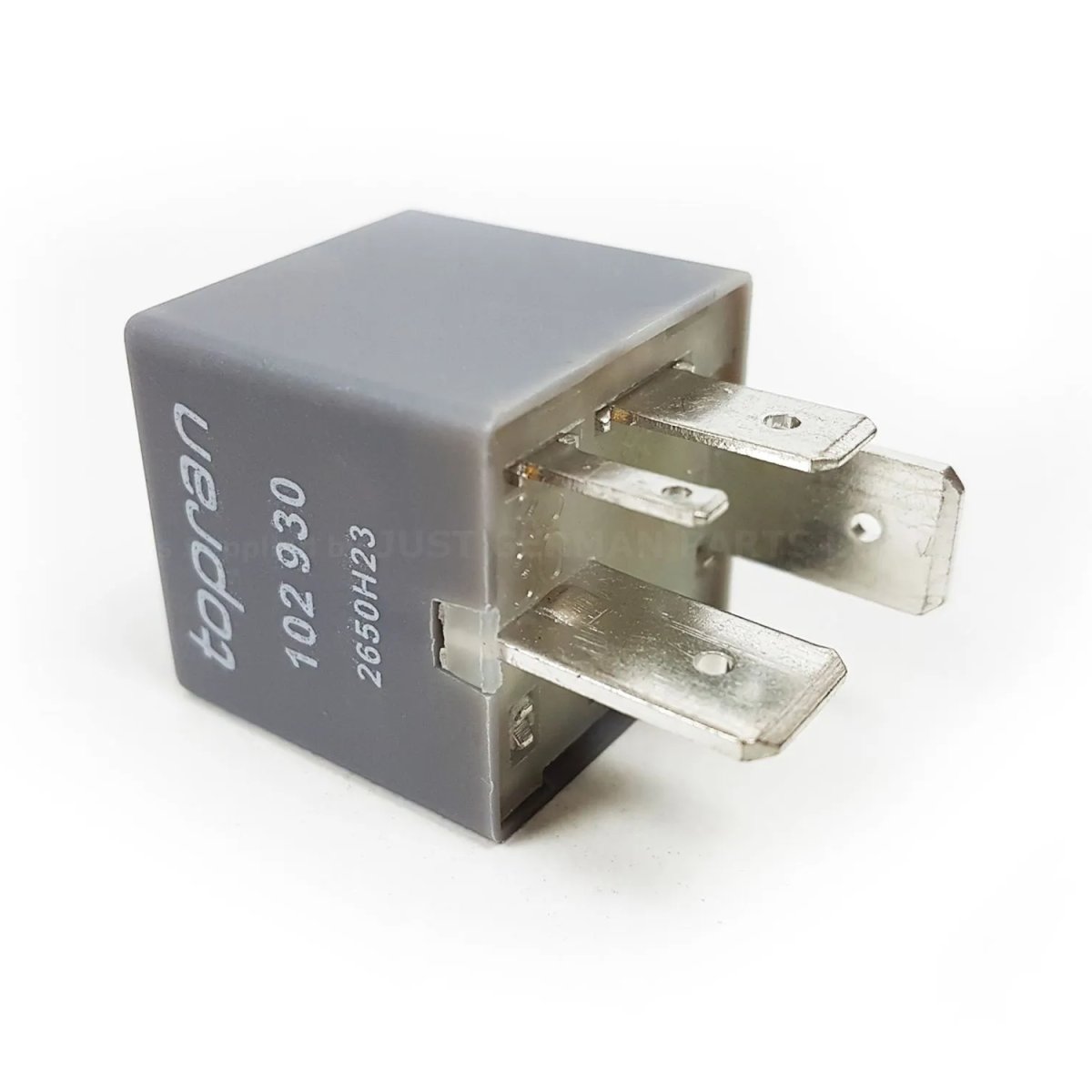
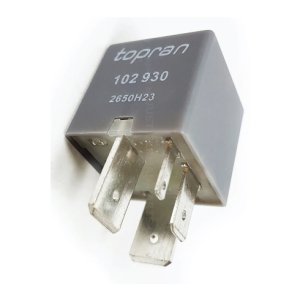
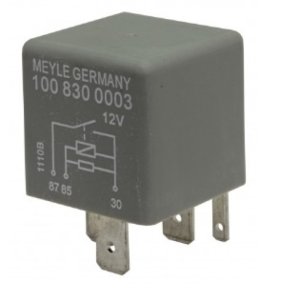
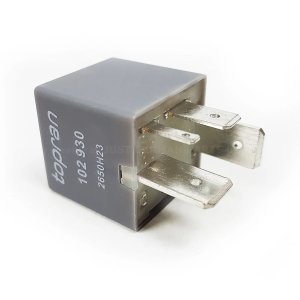
Relay is an electrically operated switching device used in pump systems to control circuits and protect equipment by opening or closing contacts based on input signals.
Relay is a fundamental control and protection component in pump systems, designed to switch electrical circuits automatically using a low-power control signal. It allows safe and efficient control of high-power devices such as pump motors without direct manual intervention.
In a pump system, a relay receives signals from control devices like pressure switches, float switches, sensors, or PLCs. When activated, the relay energizes its internal coil, creating a magnetic field that opens or closes its contacts. This action controls the operation of contactors, alarms, or other electrical components connected to the pump system.
Relays are commonly used for functions such as pump start/stop control, overload protection, phase failure detection, and fault indication. Different types of relays—such as electromagnetic relays, thermal overload relays, and solid-state relays—are selected based on the application requirements.
They provide electrical isolation between control and power circuits, enhancing safety and protecting sensitive components from voltage spikes or faults. Relays are typically installed in control panels and are designed for reliable performance under continuous operation.
Overall, relays play a crucial role in ensuring safe, automated, and efficient operation of pump systems by enabling precise control and protecting equipment from electrical damage.