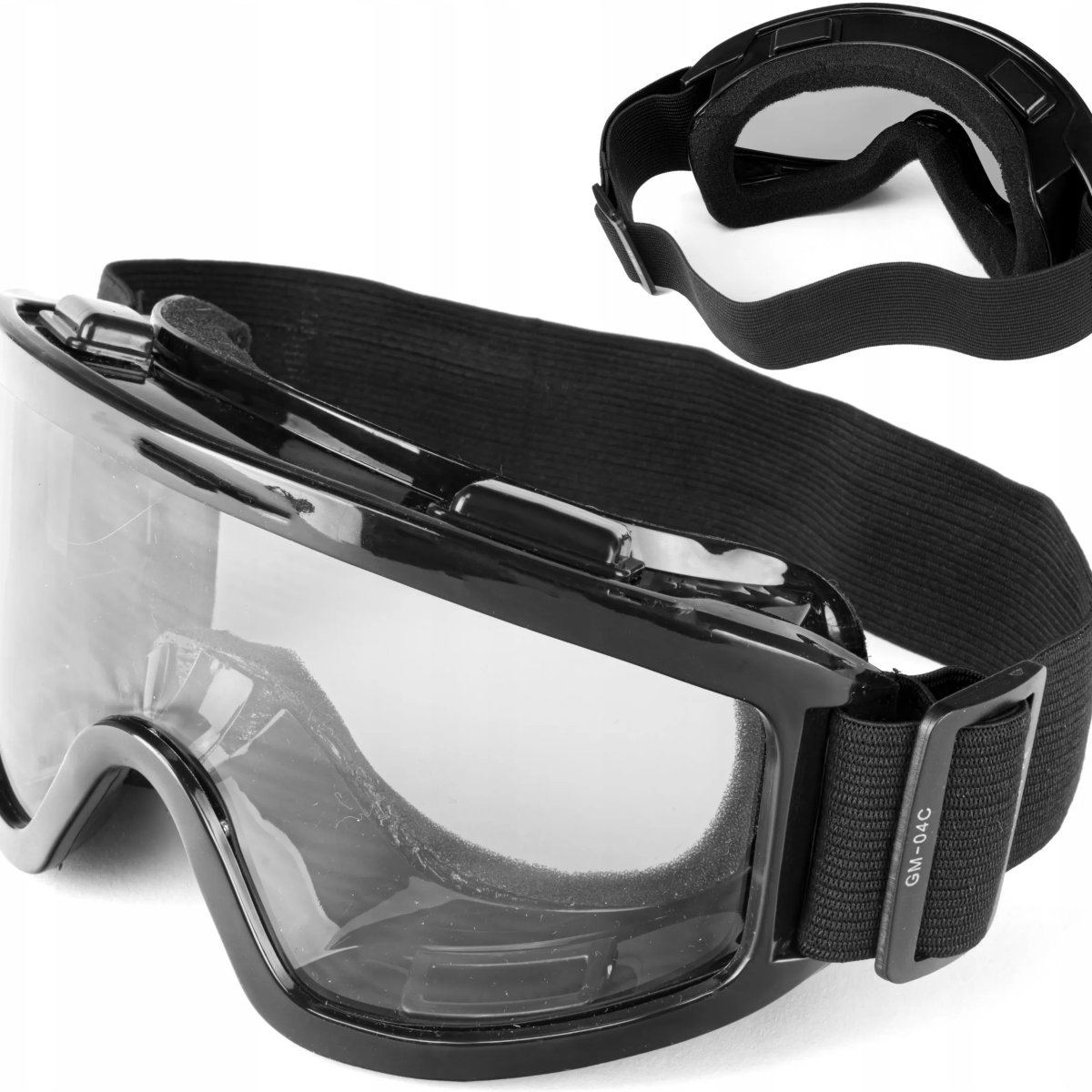
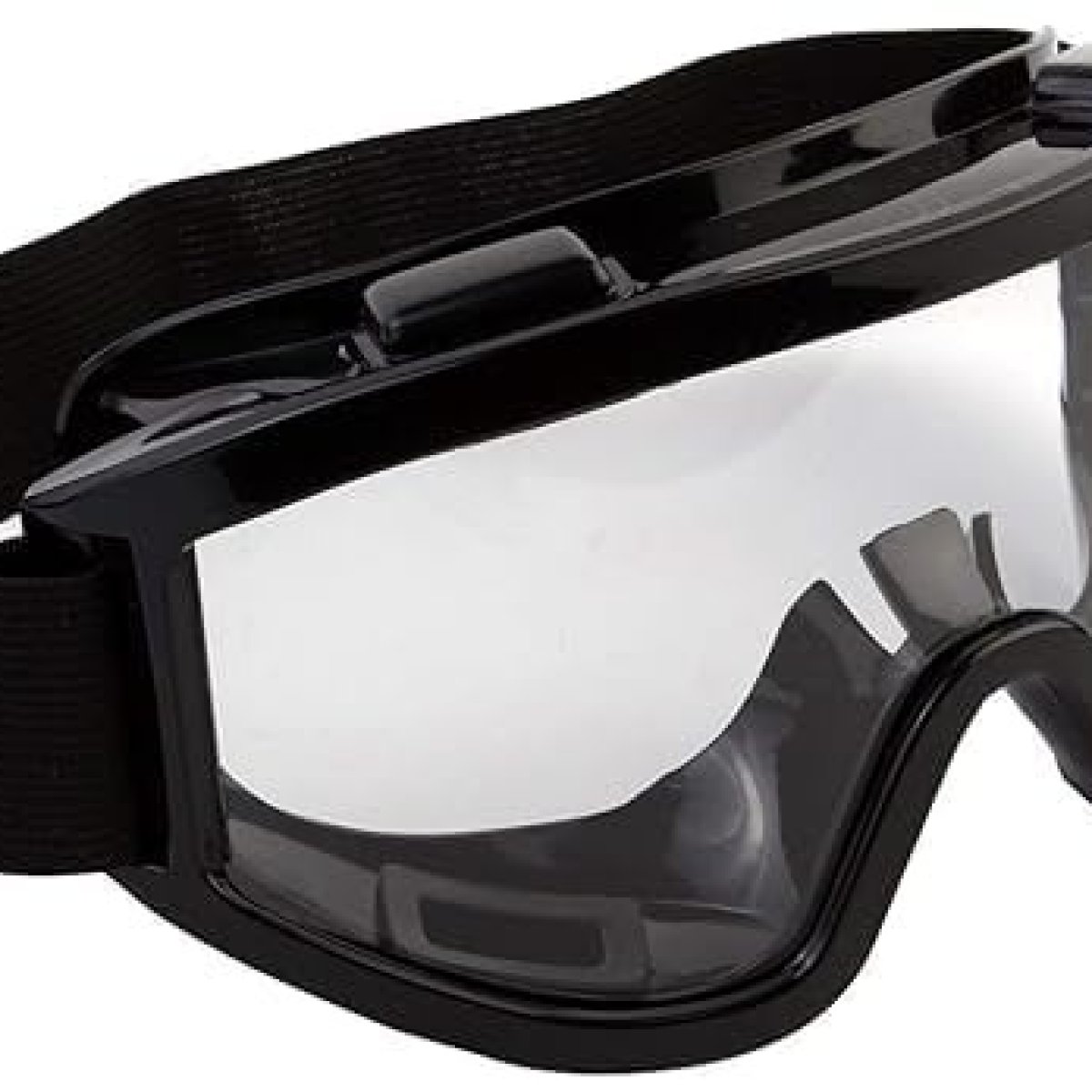
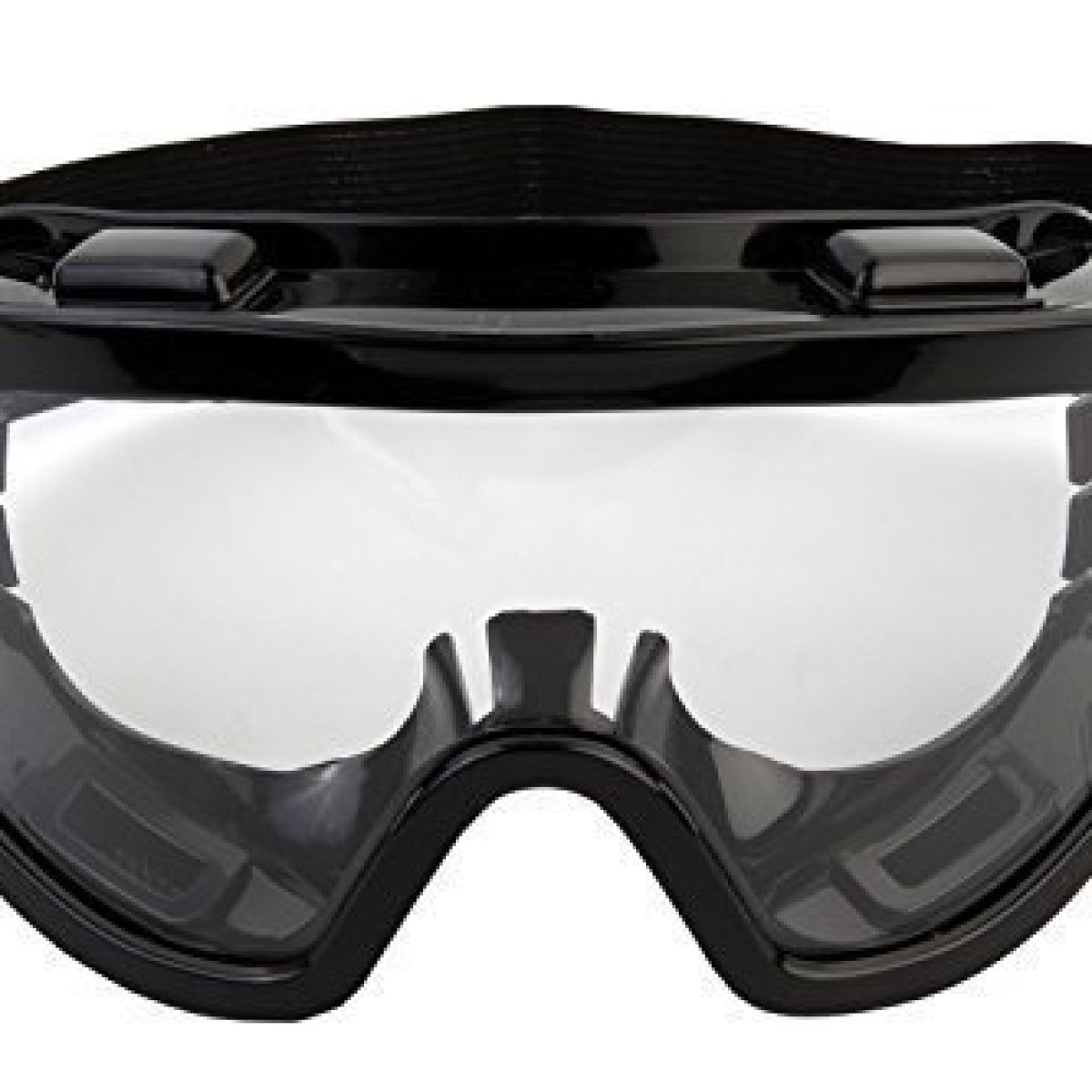
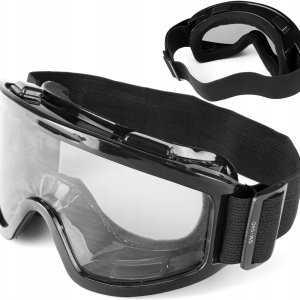
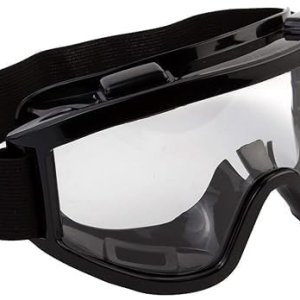
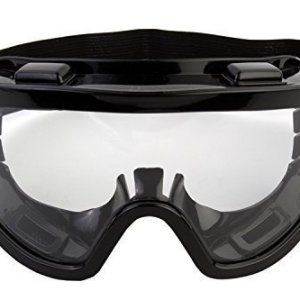
Safety goggles are heavy-duty, sealed eyewear designed to protect against high-velocity impacts, fine dust, and liquid splashes. Unlike glasses, they use a soft gasket (usually rubber or foam) to create an airtight or liquid-tight seal against the face and are secured by an adjustable elastic headband
In heavy industrial environments, "standard" eye protection is often insufficient. Heavy-duty goggles are engineered to handle extreme conditions by combining impact resistance with advanced environmental controls.
Key Heavy-Work Features:
- Impact Rating (ANSI Z87+): To be rated for heavy work, goggles must pass high-mass and high-velocity tests, such as resisting a 1-inch steel ball dropped from 50 inches and a 1/4-inch steel ball fired at 150 feet per second.
- Ventilation Systems:
- Direct Vent: Best for maximum airflow to prevent fogging when only large debris is a risk.
- Indirect Vent: Features angled "hooded" vents that allow air in but block liquid splashes or fine dust—essential for chemical work or grinding.
- Specialized Coatings: Heavy work often involves sweat and temperature changes. High-end goggles like the 3M GoggleGear 500 Series use advanced anti-fog coatings (e.g., Scotchgard) that last longer than standard treatments.
- Over-the-Glass (OTG): Many heavy-duty models, such as the Uvex Stealth OTG, are specifically shaped to fit comfortably over prescription eyewear