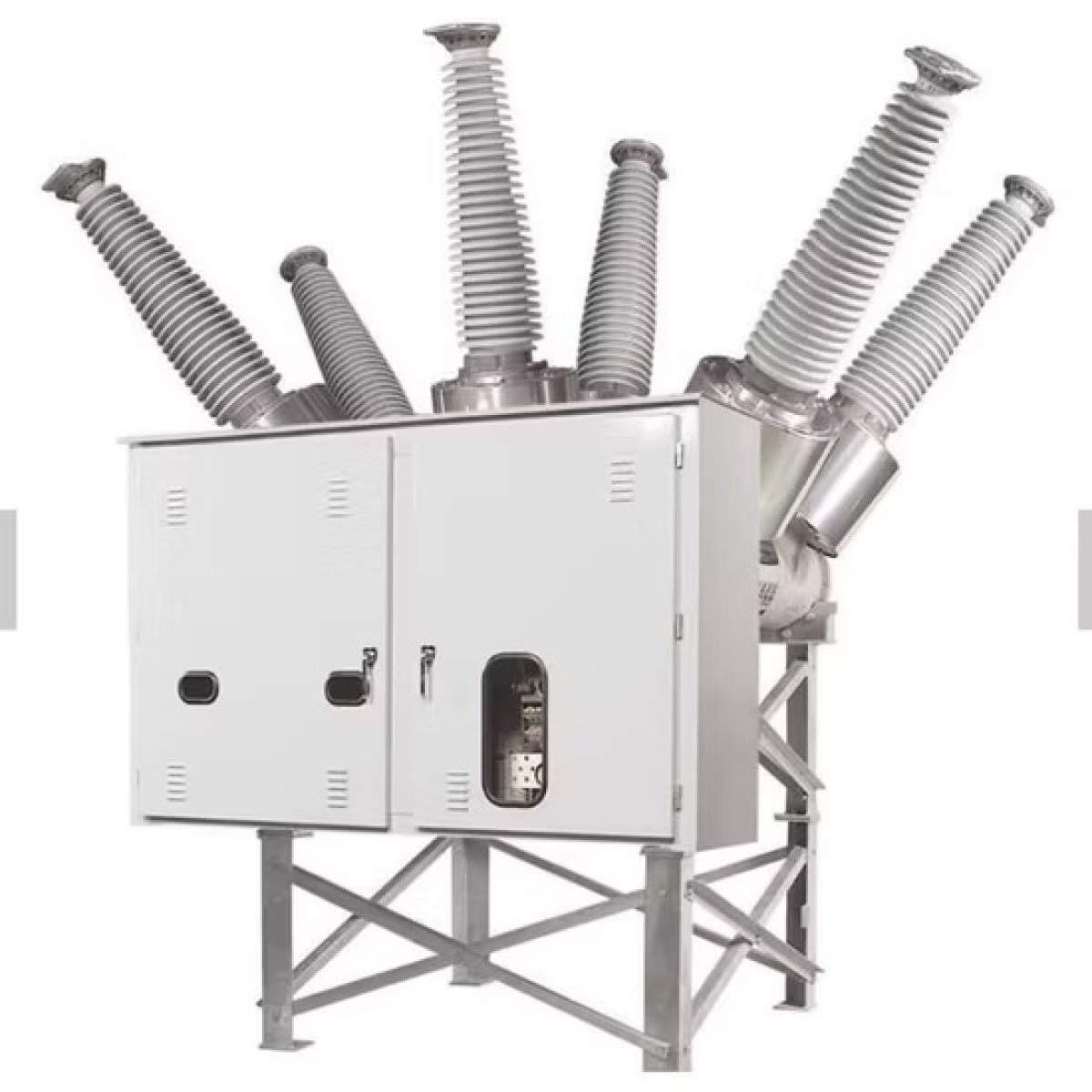
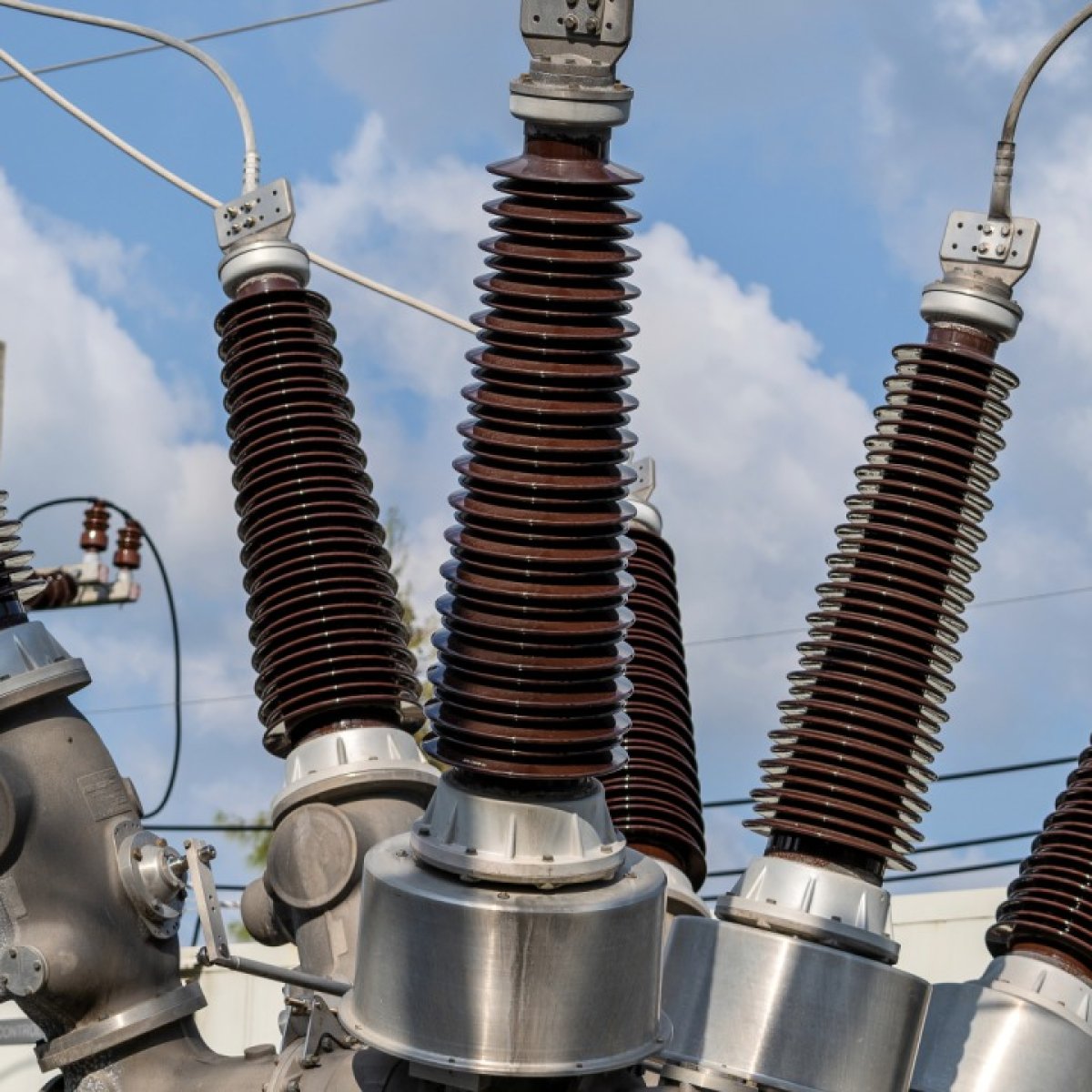
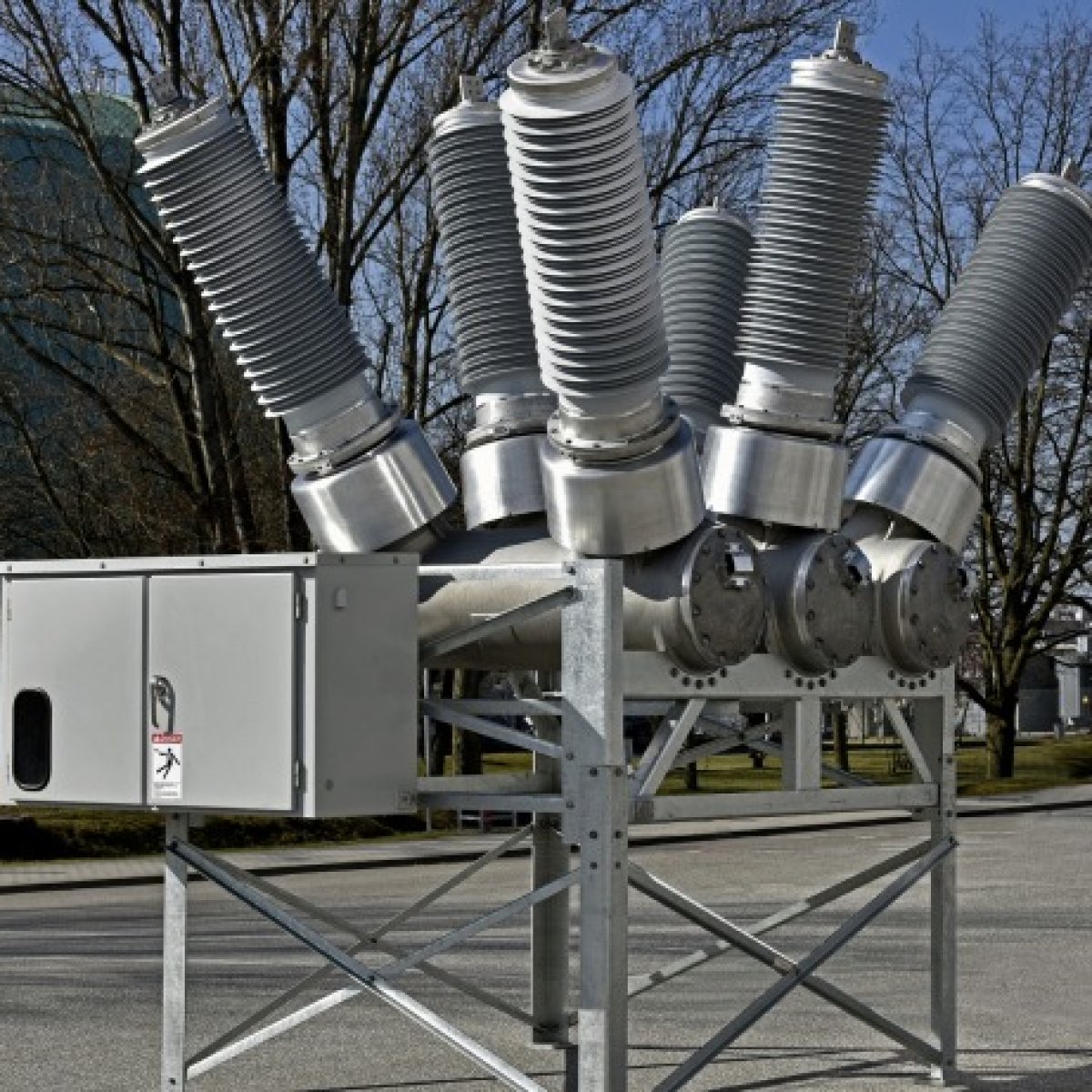
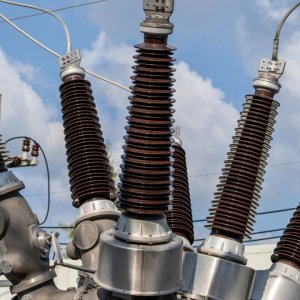
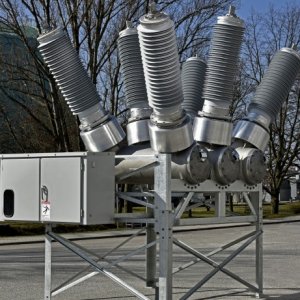
An SF6 circuit breaker is a compact, high-capacity switch where current-carrying contacts are housed in a chamber filled with pressurized SF6 gas. Known for its exceptional electronegativity, the gas rapidly absorbs free electrons to extinguish powerful electrical arcs formed during switching, making it far more efficient than air or oil for high-voltage protection.
The reliability of SF6 breakers in modern power grids stems from the unique chemical and physical properties of the sulfur hexafluoride gas.
- Operating Principle: When a fault occurs, the contacts separate, drawing an arc. SF6 gas is directed across the arc at high pressure. Because the gas is electronegative, it "captures" free electrons to form heavy, low-mobility ions. This rapidly reduces the conductivity of the arc channel, leading to its extinction at the next current zero.
- Key Components:
- Interrupter Unit: Contains the main contacts (for normal current) and arcing contacts (to withstand the arc).
- Puffer Cylinder: In the common "puffer" design, a moving piston mechanically compresses the gas as the contacts open, creating a blast exactly when needed.
- Gas System: A hermetically sealed, closed-loop system that monitors gas density and pressure to maintain dielectric strength.
- Major Types:
- Dead Tank: The metal enclosure is at ground potential, often used in North American outdoor substations.
- Live Tank: The enclosure is at line potential, typically more modular and compact.
- Gas Insulated Switchgear (GIS): The breaker is part of a fully enclosed, gas-insulated bay used in space-constrained urban areas.