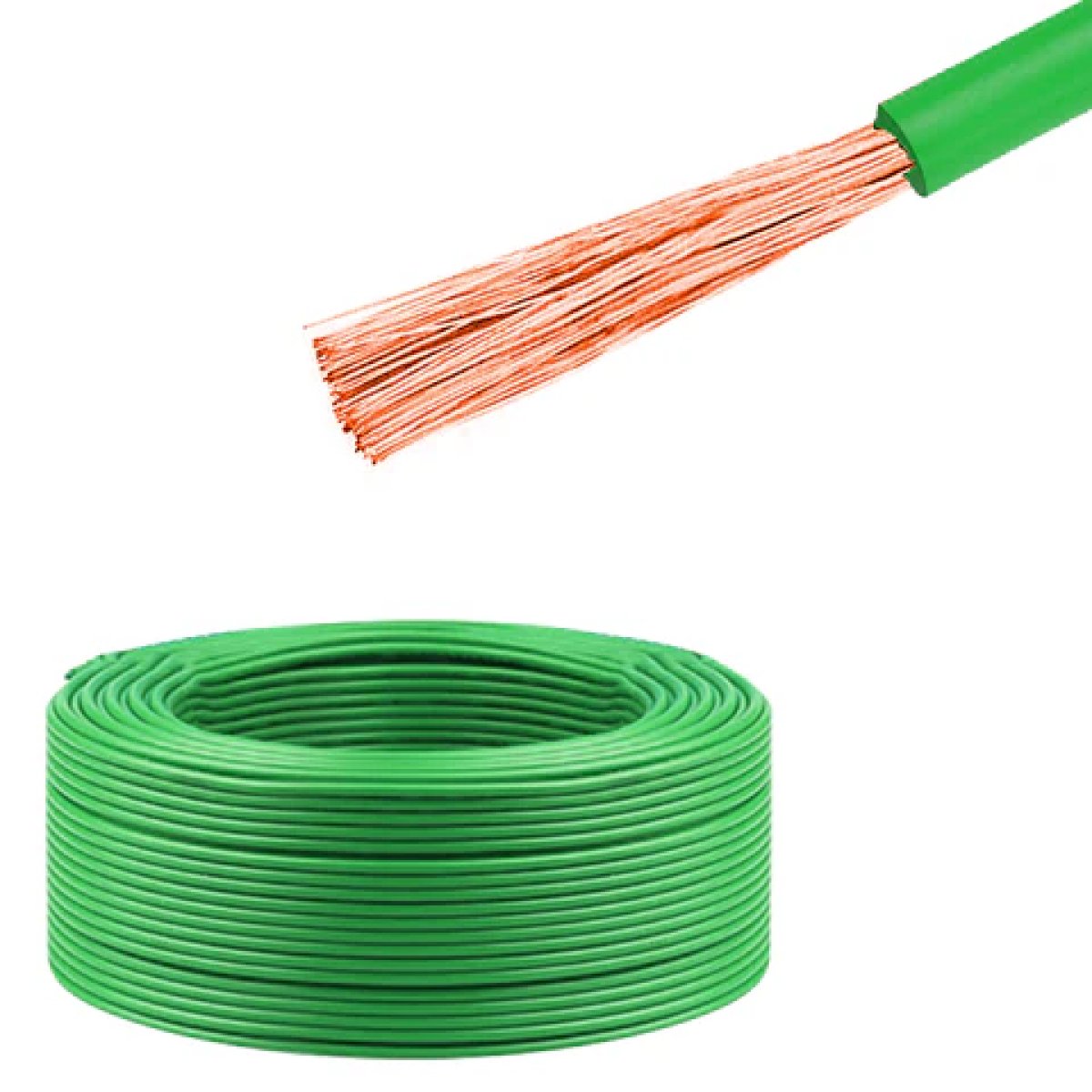
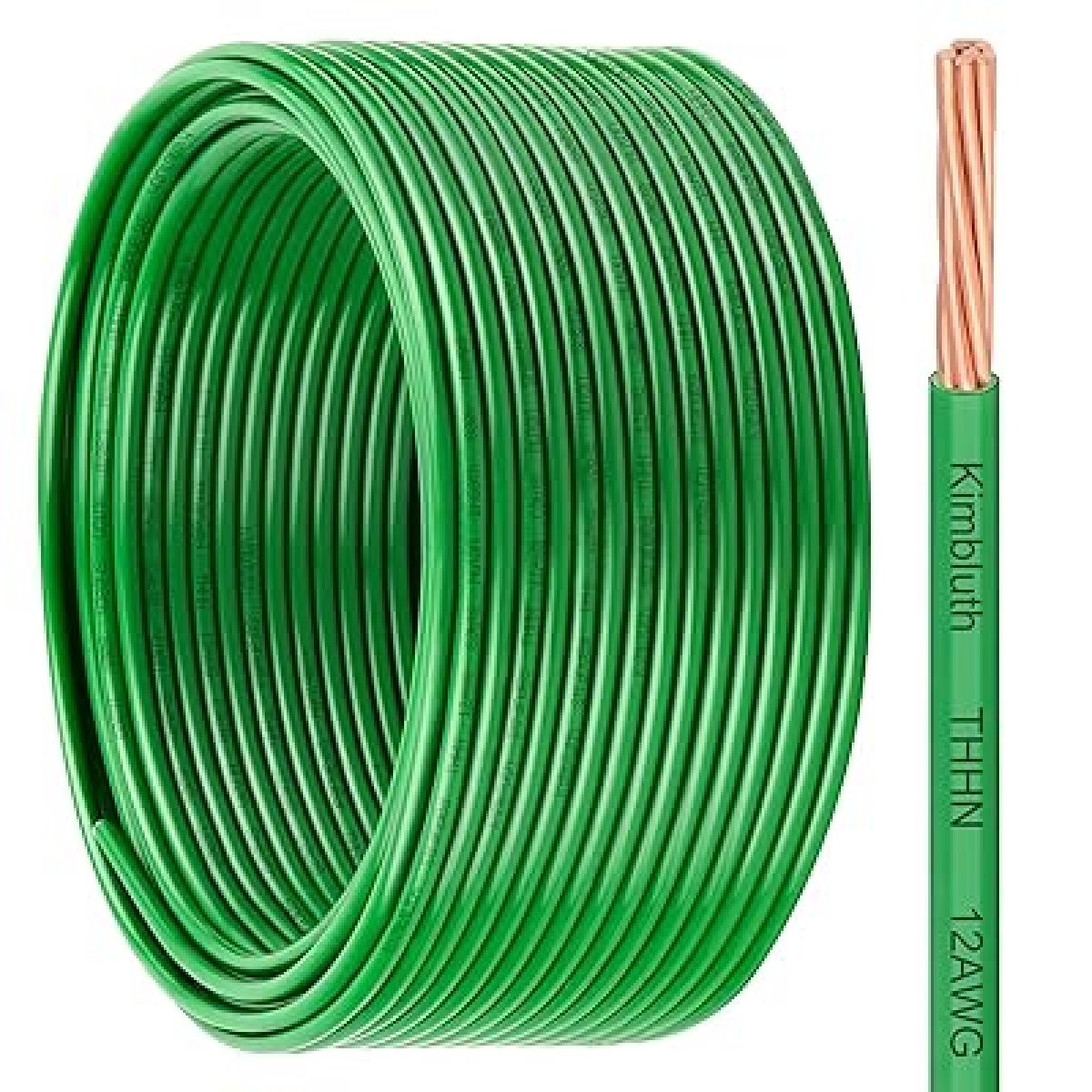
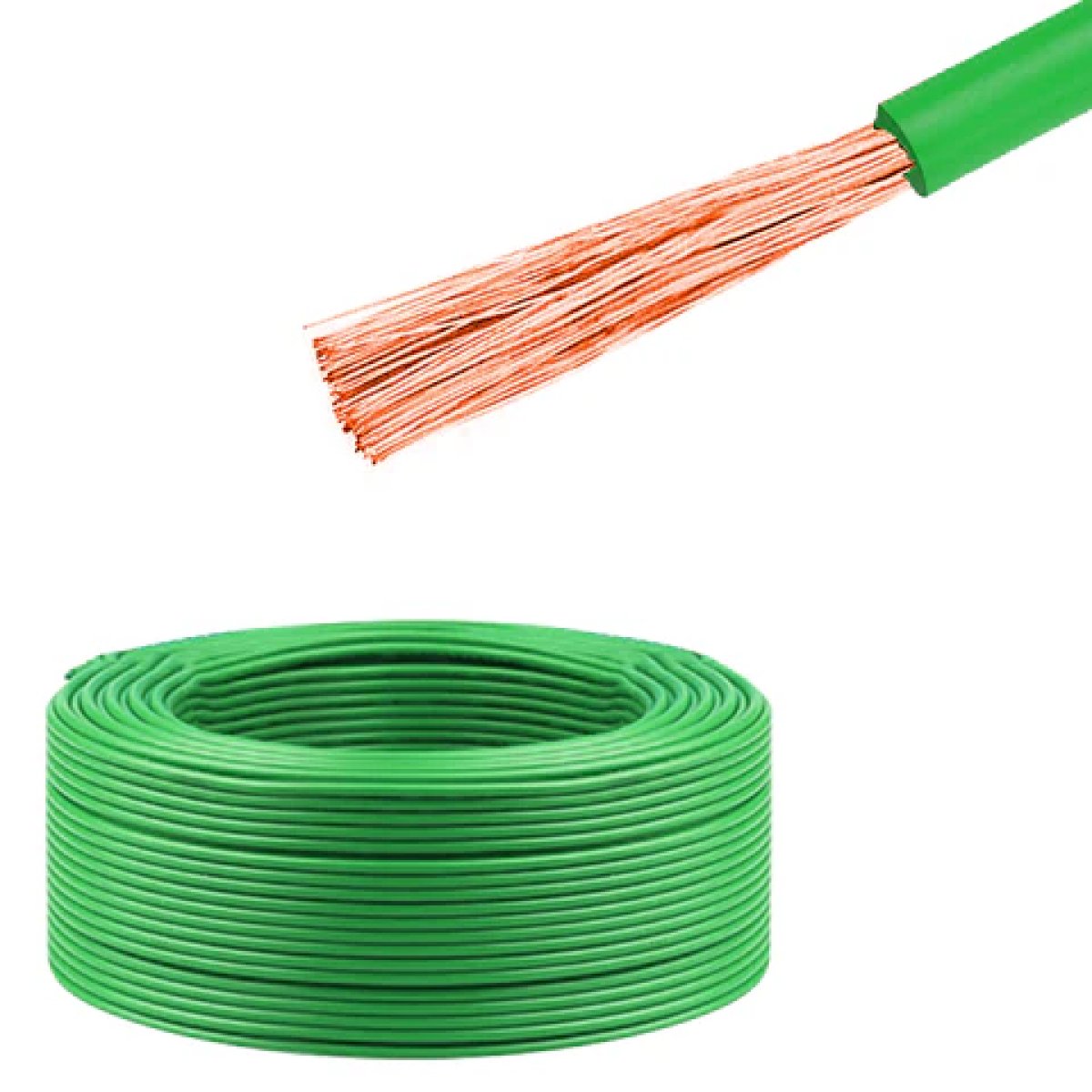
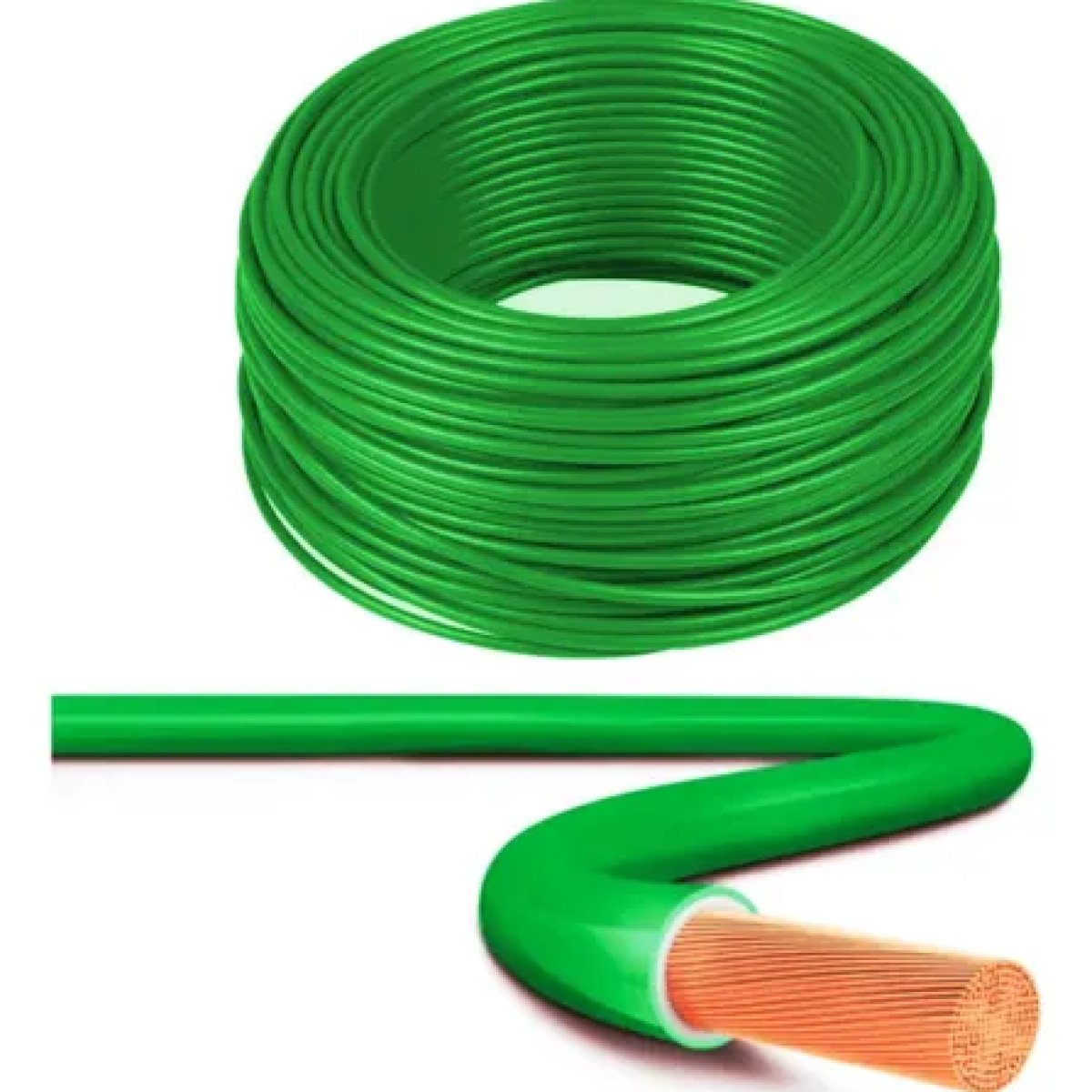
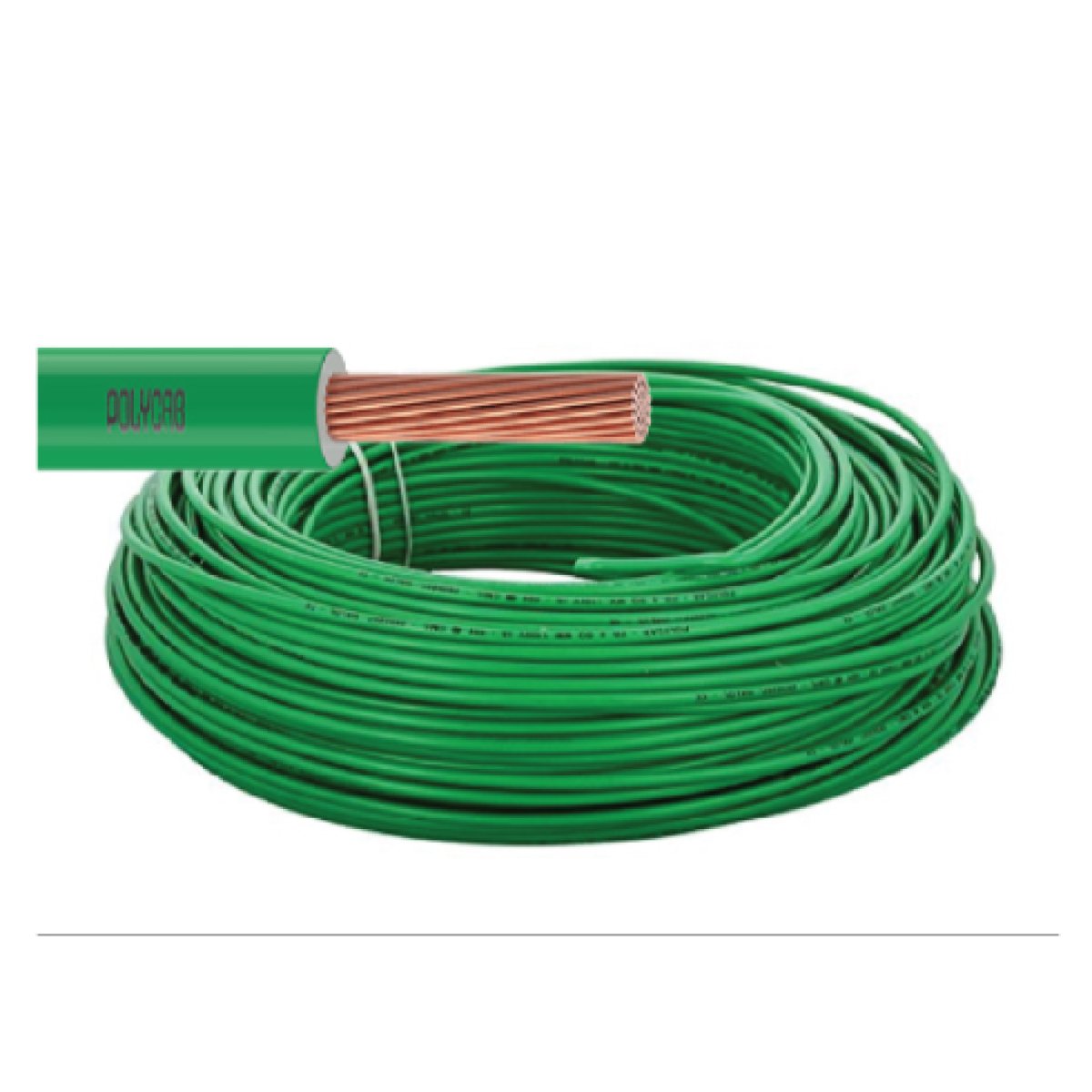
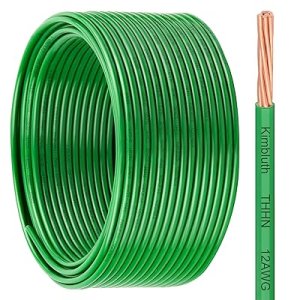
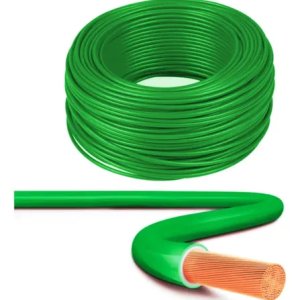
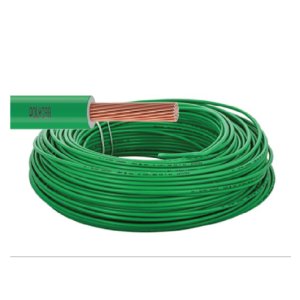
A single-core, flexible copper electrical cable with green PVC insulation, specifically designed for earthing and grounding applications. It typically features a stranded or solid copper conductor and is rated for voltages such as 450/750V or up to 1000V depending on the specific standard.
This type of cable is a fundamental component for electrical safety, providing a low-resistance path for fault currents to travel safely to the ground. [
1,
2]
- Materials and Construction:
- Conductor: High-conductivity, pure stranded or solid copper that allows for efficient current flow.
- Insulation: Flame-retardant (FR) PVC insulation, often "skin-coated" for added durability and protection against environmental factors.
- Common Applications:
- Solar Systems: Frequently used as an earthing wire to protect solar panel arrays and inverters from electrical surges and lightning.
- General Building Wire: Used in conduits for power, lighting, and internal wiring of electrical appliances.
- Key Specifications:
- Sizes: Common sizes include 1.0mm, 1.5mm, 2.5mm, 4.0mm, and 6.0mm (or AWG equivalents like 10, 12, or 14 AWG).
- Temperature Rating: Typically designed to operate safely between 70°C and 105°C.
- Compliance: Often manufactured to international standards such as BS 6004 or local standards like BDS900.