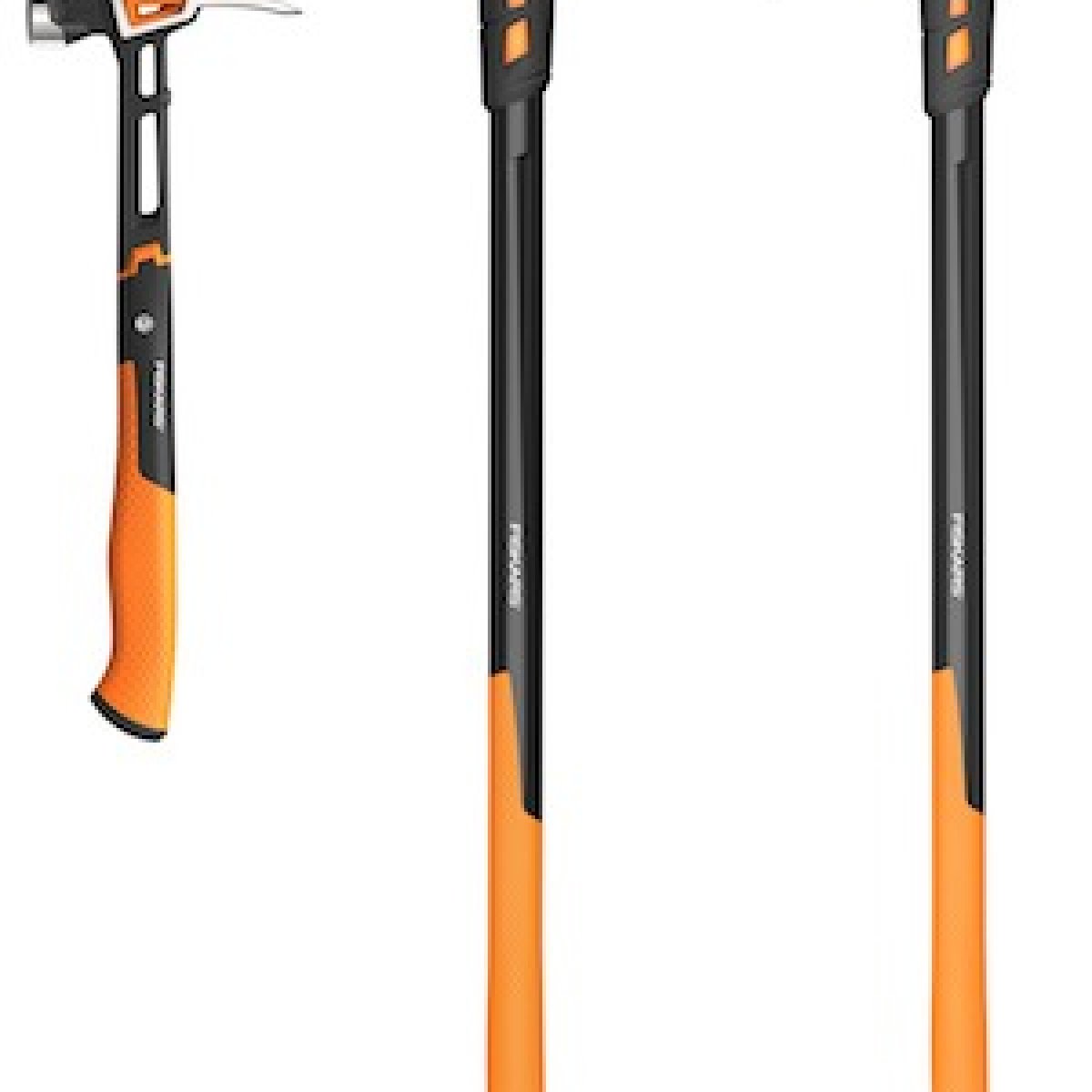
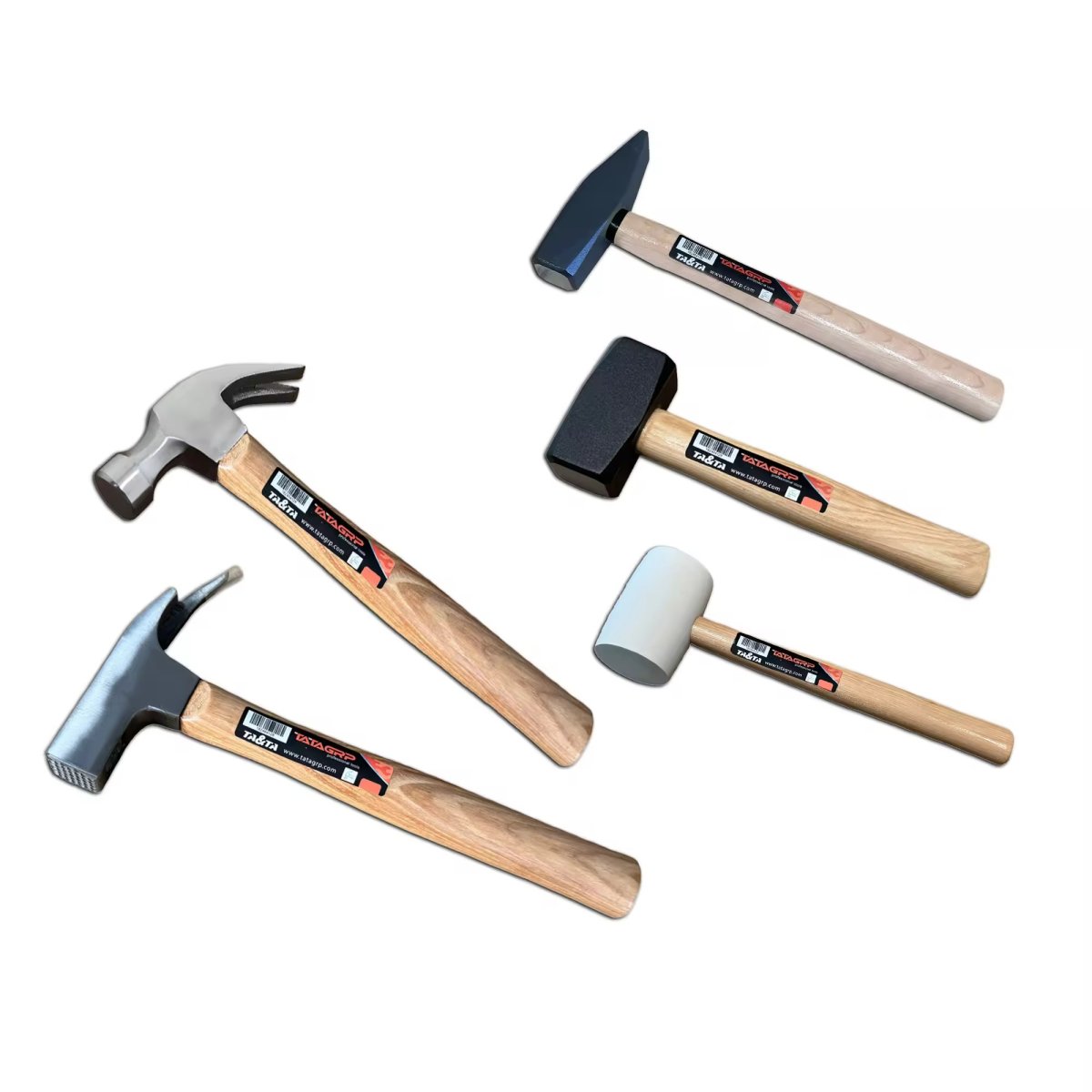
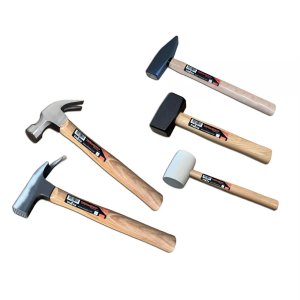
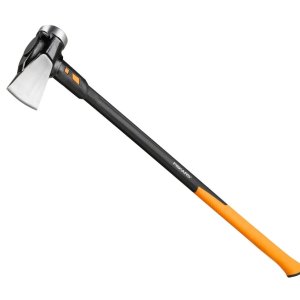
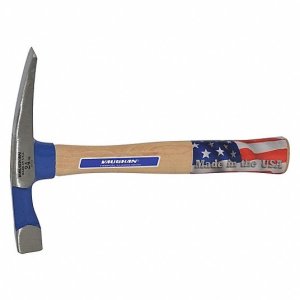
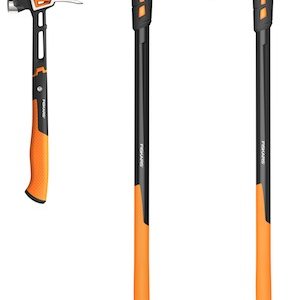
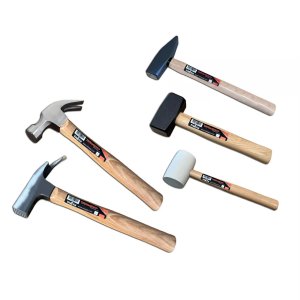
Striking Tools consists of three distinct instruments, each engineered to deliver controlled force for specific materials and tasks.
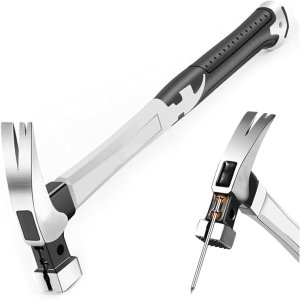
1. Claw Hammer
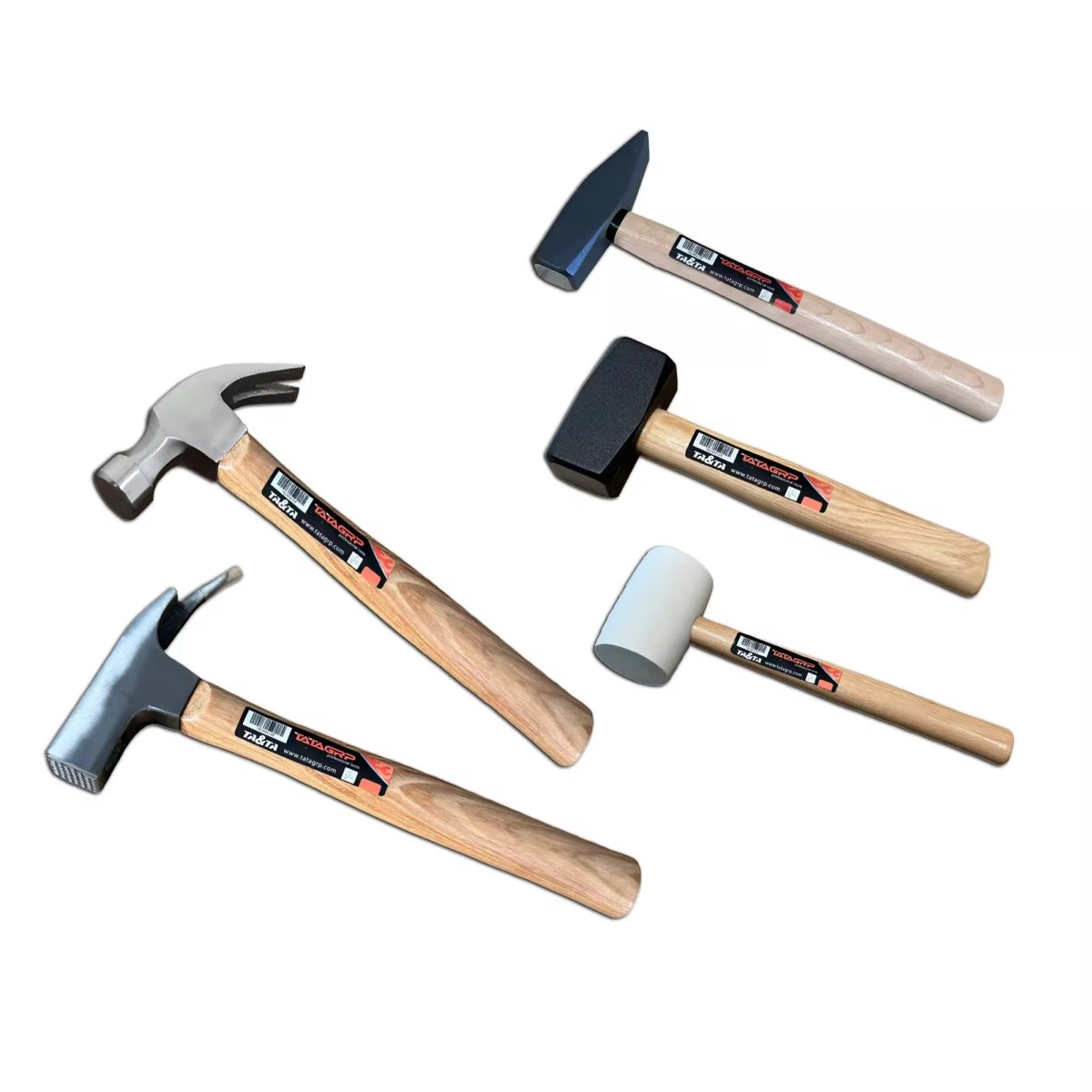
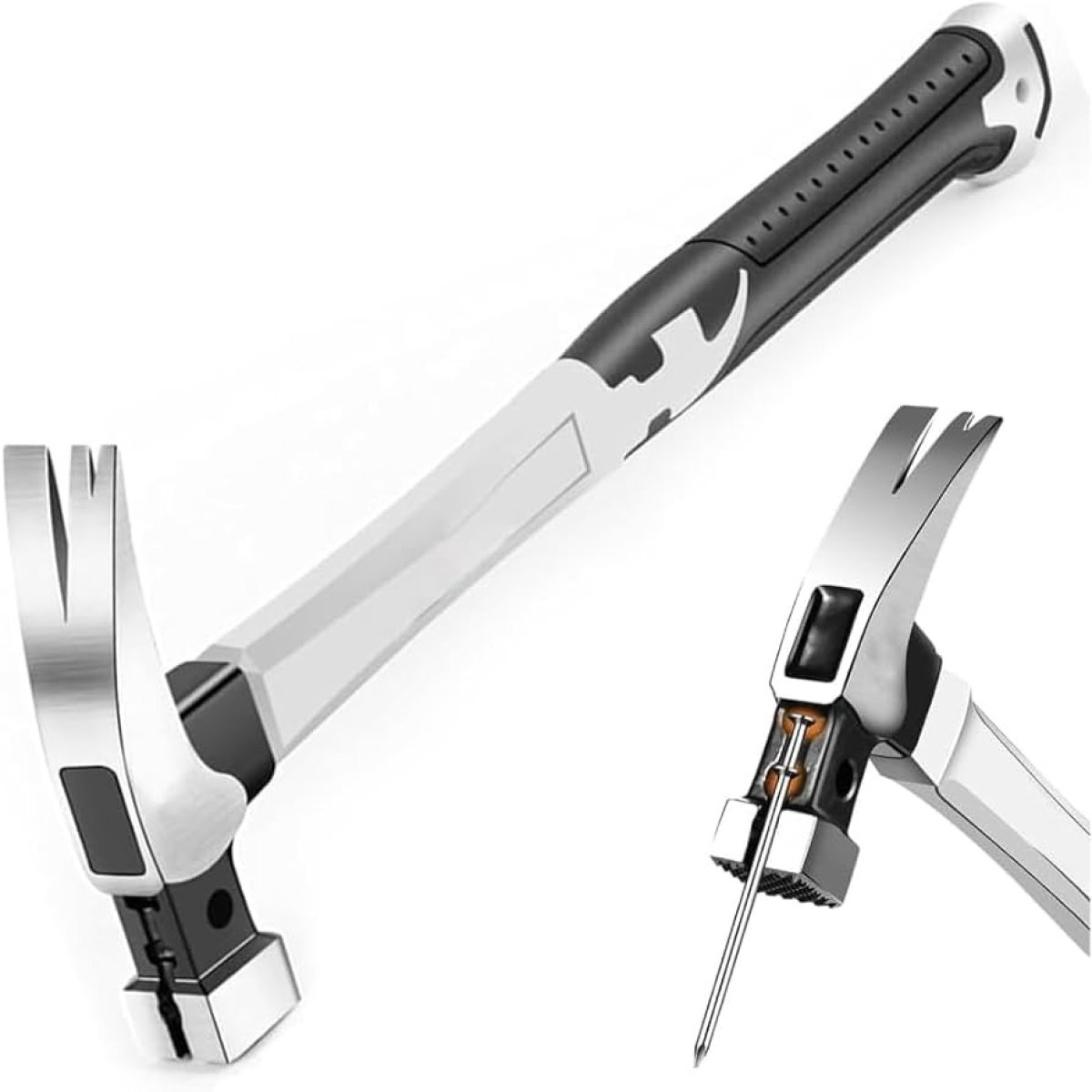
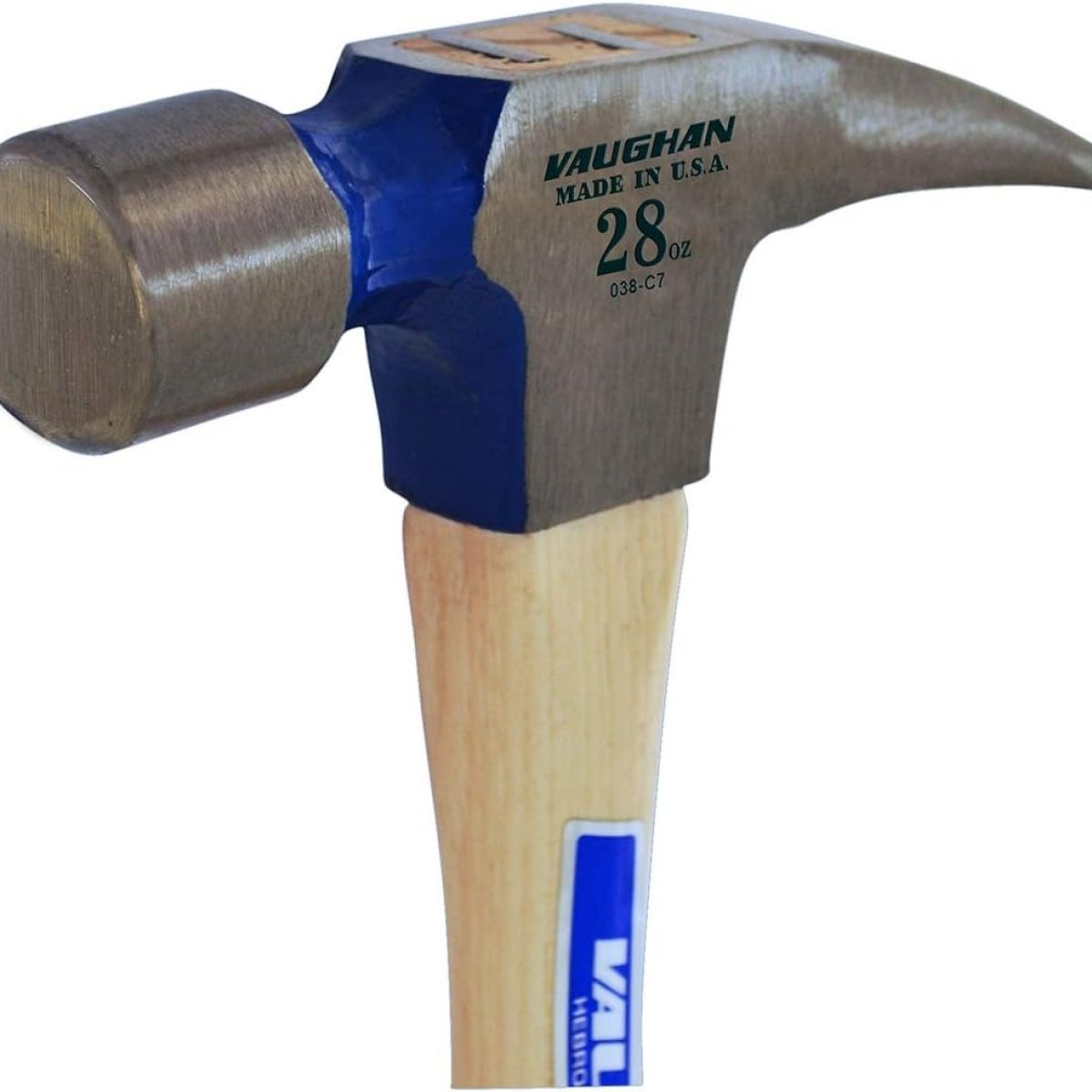
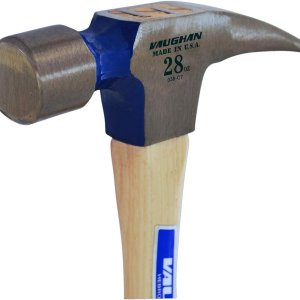
What it is: The most common household hammer, featuring a flat striking face on one side and a curved, V-shaped "claw" on the other.
How it works: It is a dual-purpose tool. The face is hardened to drive nails into wood, while the claw uses leverage to pry nails out. By wedging the claw under a nail head and pulling the handle, the hammer acts as a lever to multiply your strength.
Best for: Carpentry, hanging pictures, and general home repair.
2. Rubber Mallet
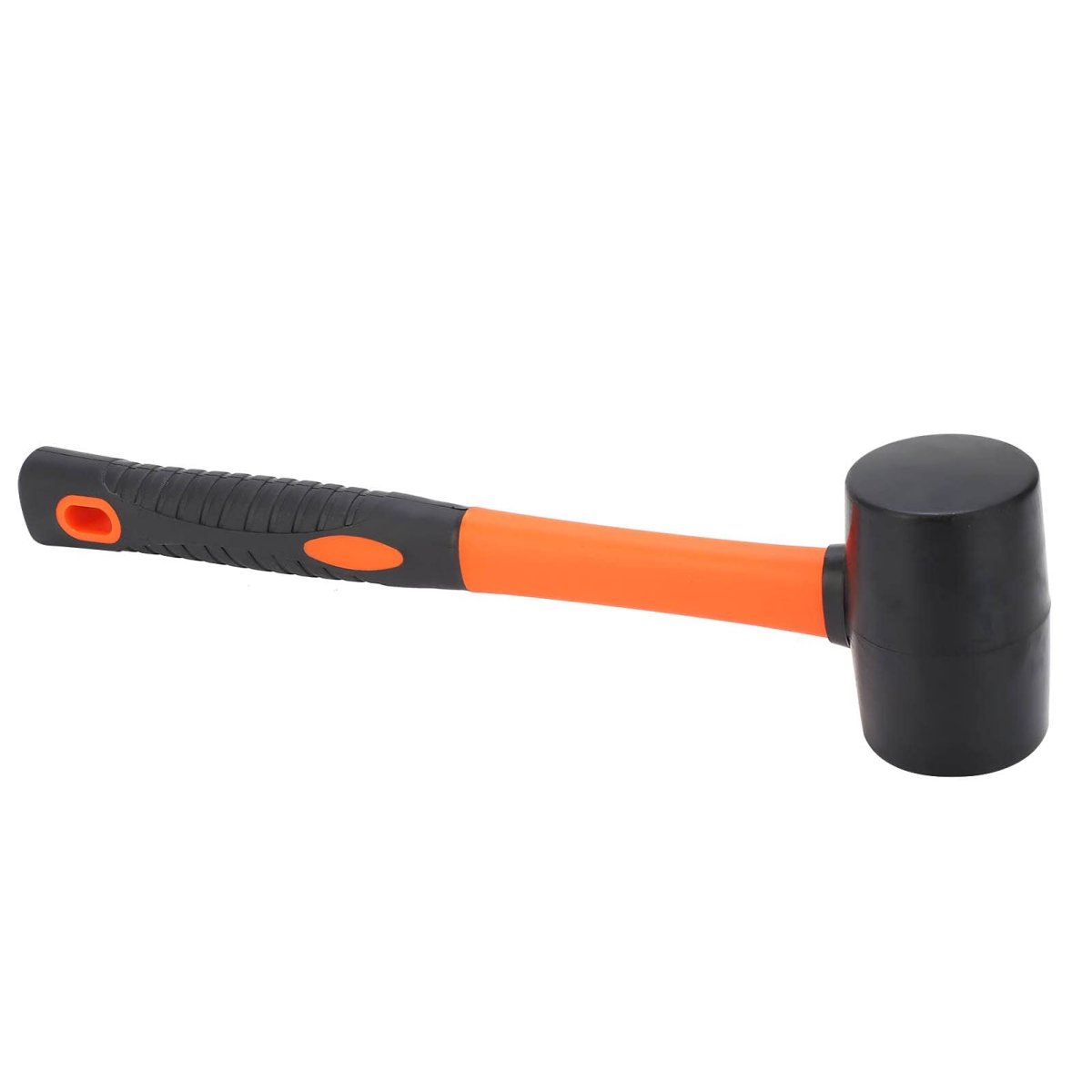
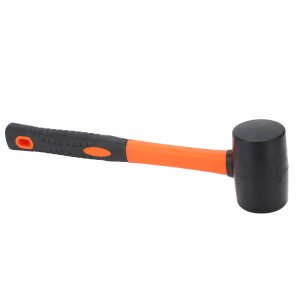
What it is: A hammer with a large, soft head made of solid rubber or a rubber-like synthetic.
How it works: It provides a soft-impact blow. Unlike steel hammers, the rubber head deforms slightly upon contact, spreading the force over a larger area. This allows you to strike a surface firmly without denting, scratching, or breaking it.
Best for: Assembling furniture (knocking joints together), installing floor tiles, or shaping sheet metal where you want to avoid "hammer marks."
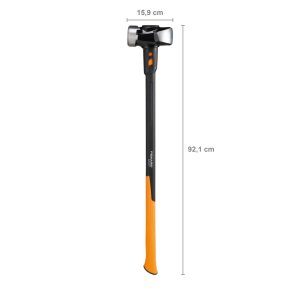
3. Sledgehammer
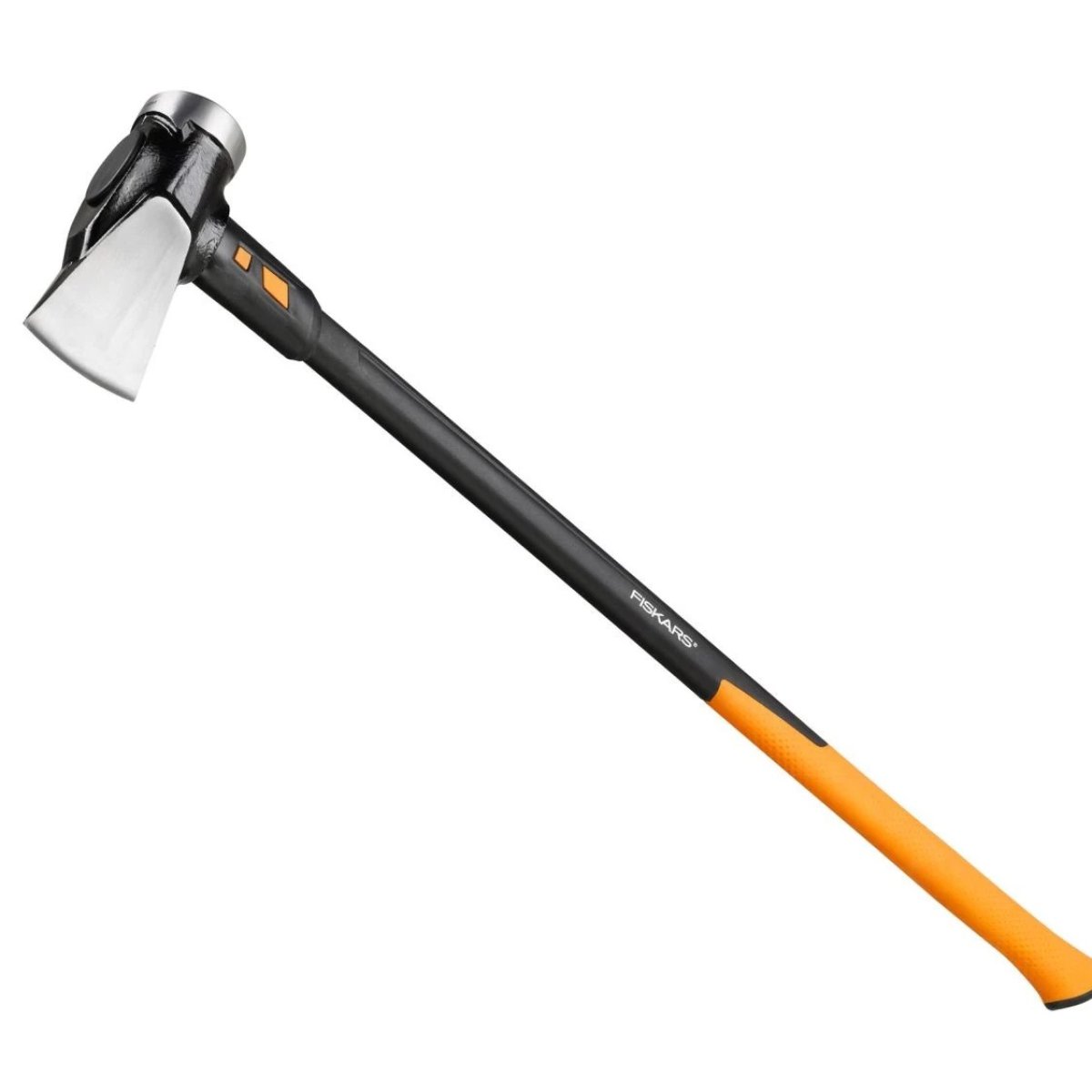
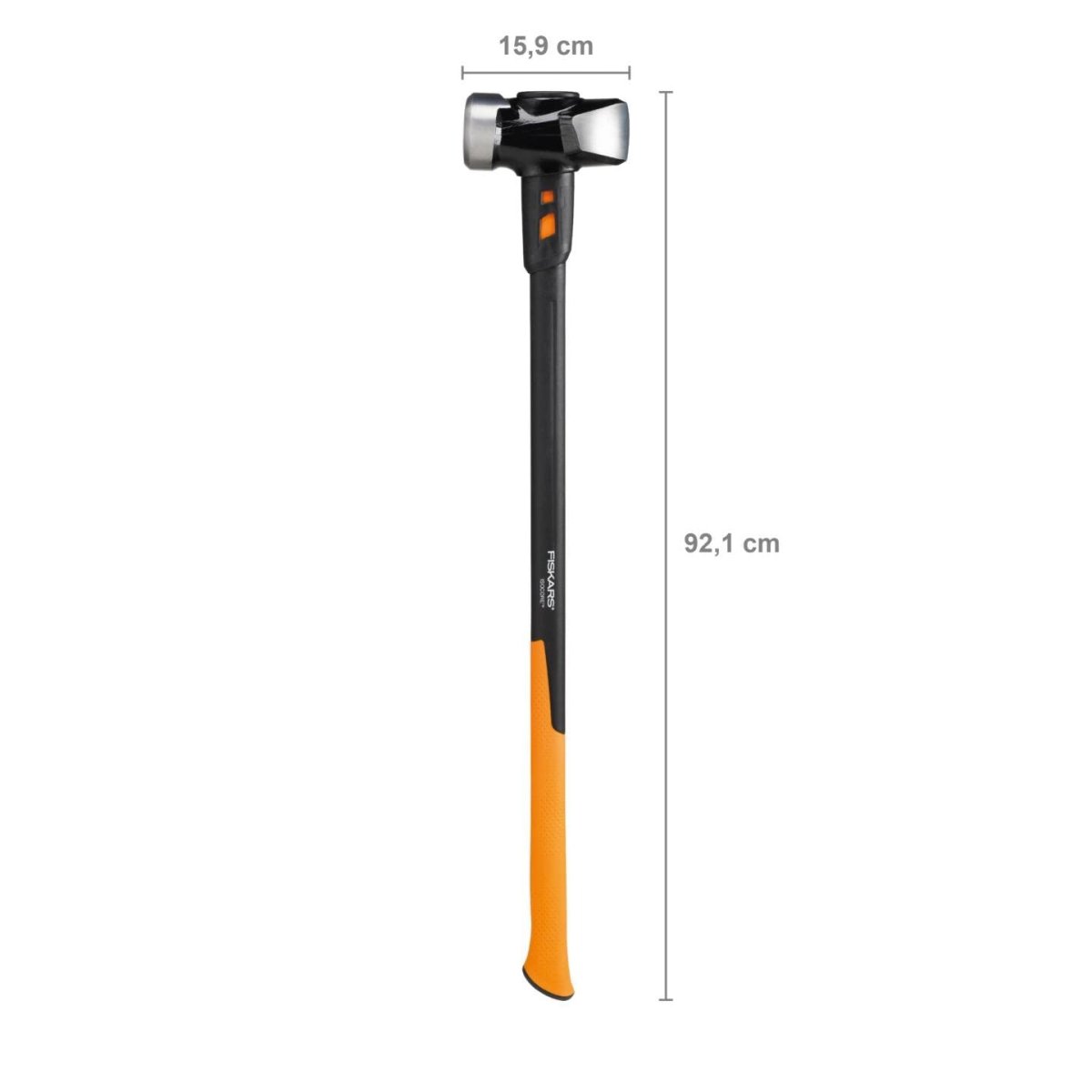
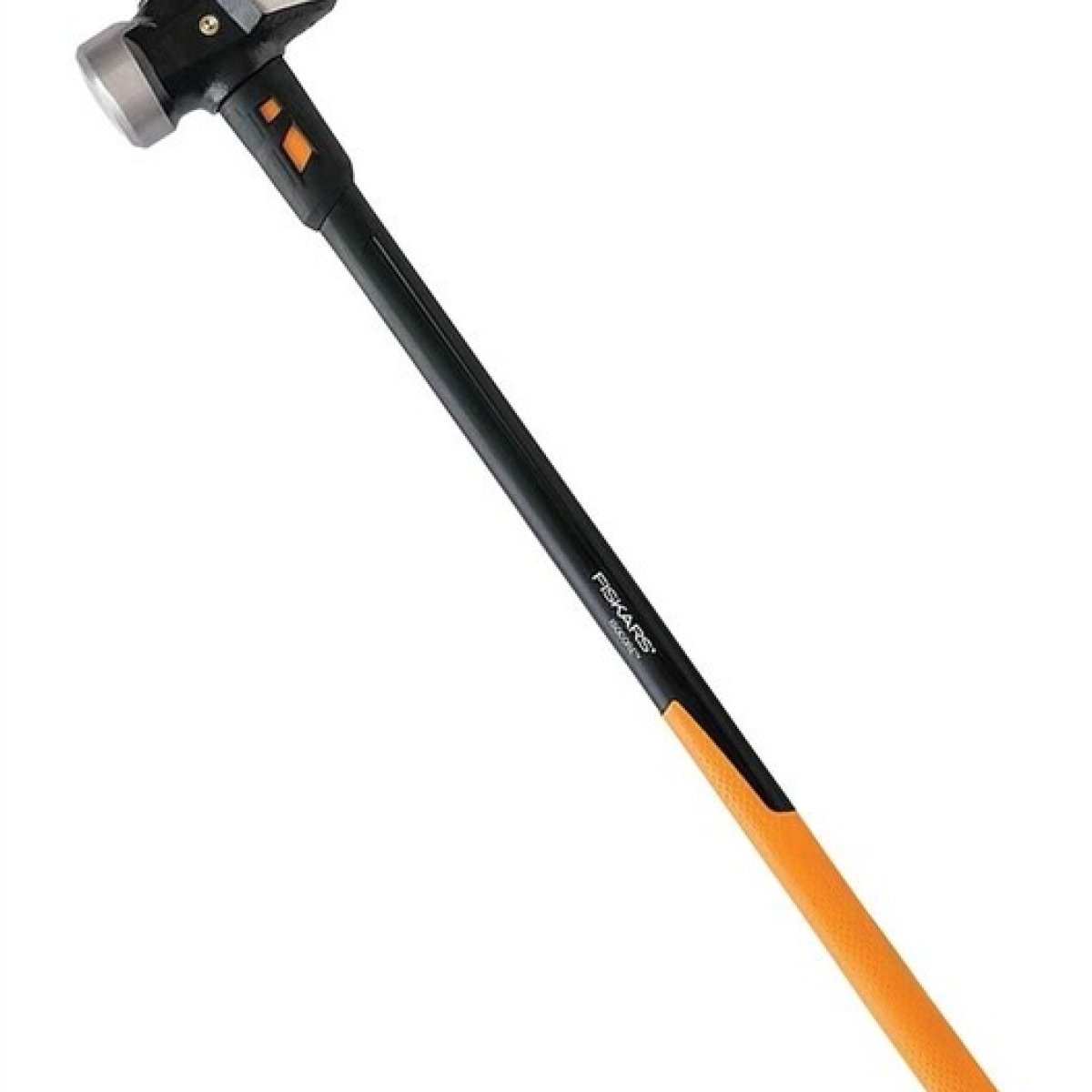
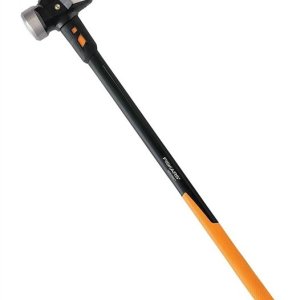
What it is: A heavy-duty tool with a large, flat metal head attached to a long handle (usually 2 to 3 feet).
How it works: It relies on mass and momentum. Because the head is significantly heavier (usually 4 to 20 lbs) and the handle is long, a swinging motion generates immense kinetic energy. It is designed for high-impact destruction or driving heavy objects.
Best for: Demolition (breaking through walls or concrete), driving thick stakes/posts into the ground, and heavy industrial work.