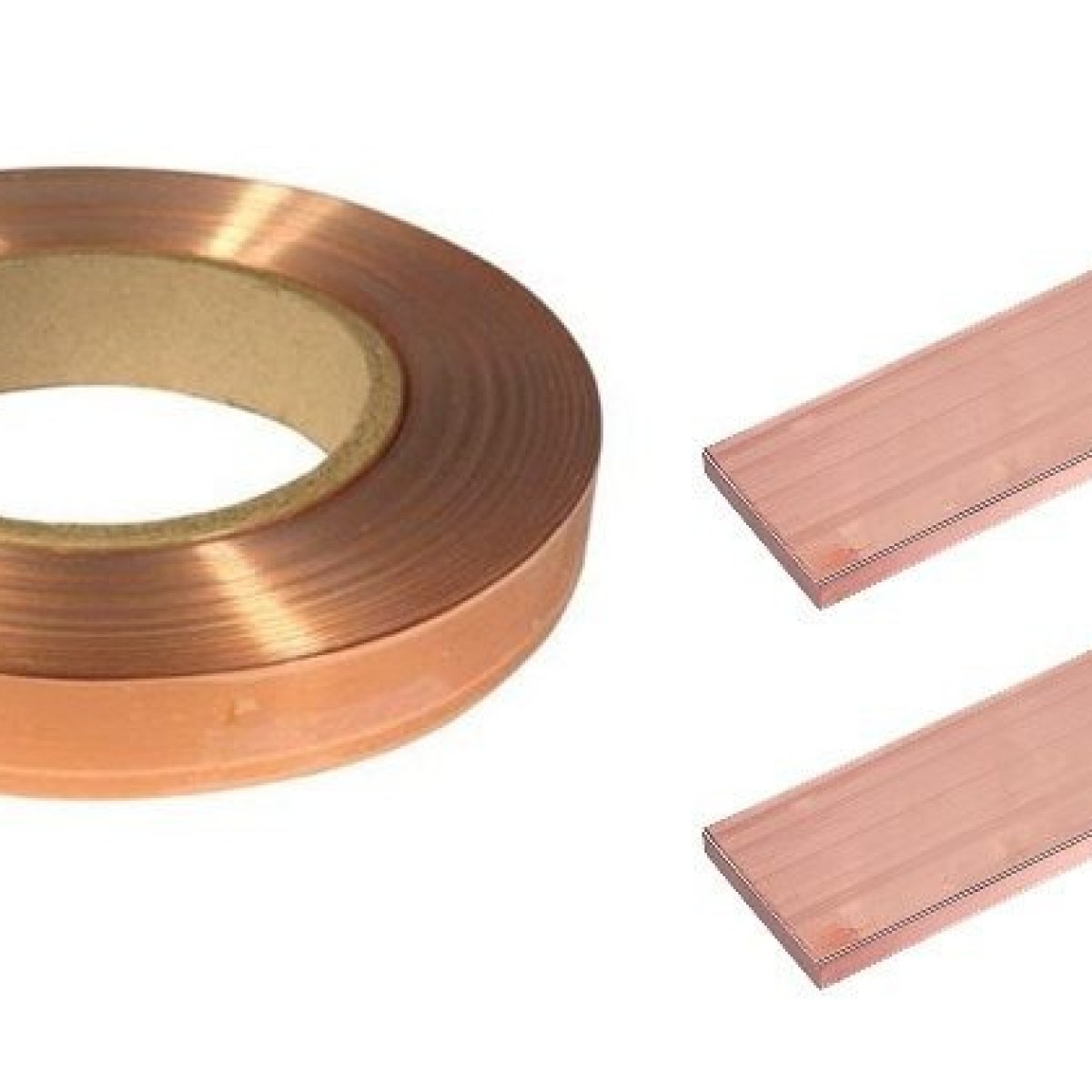
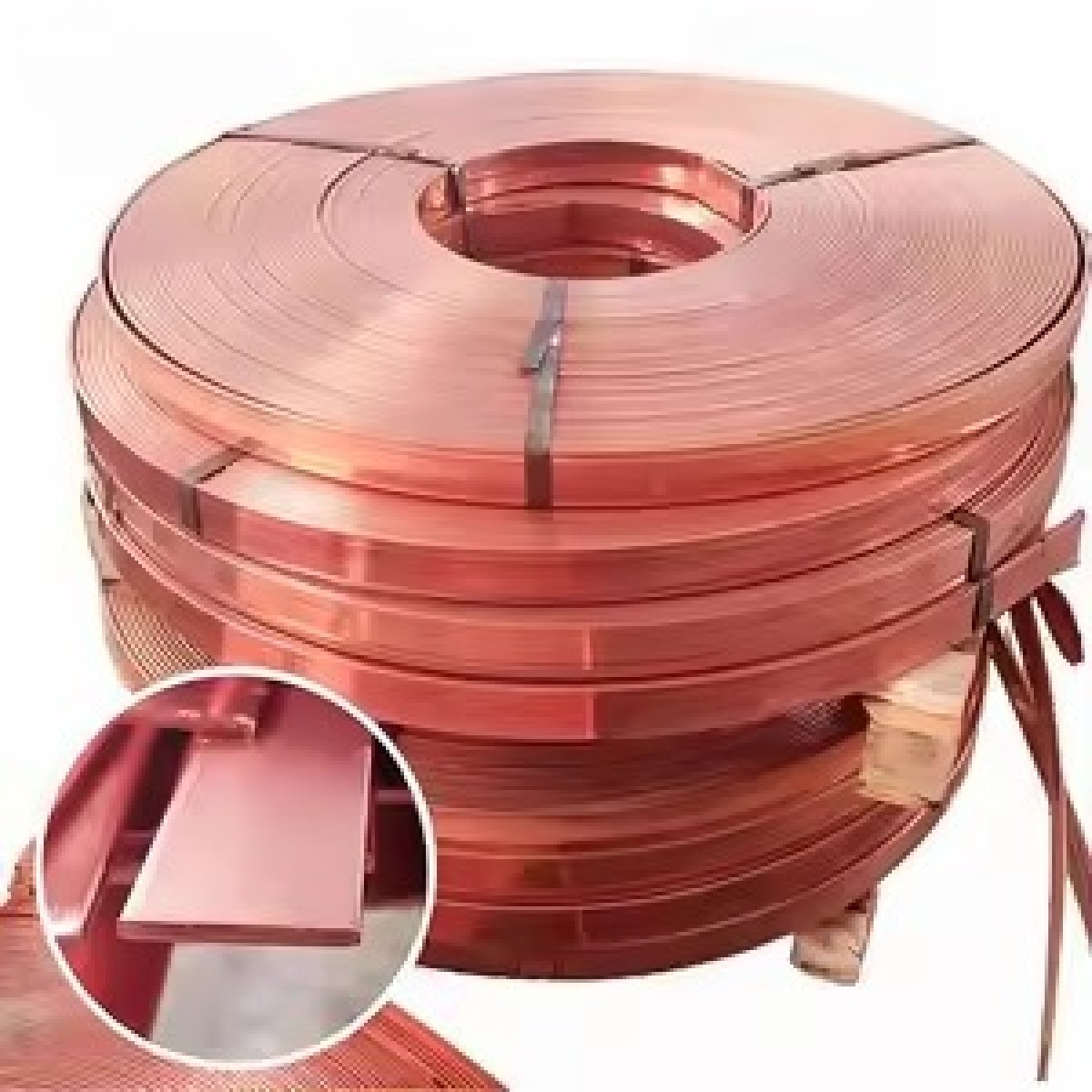
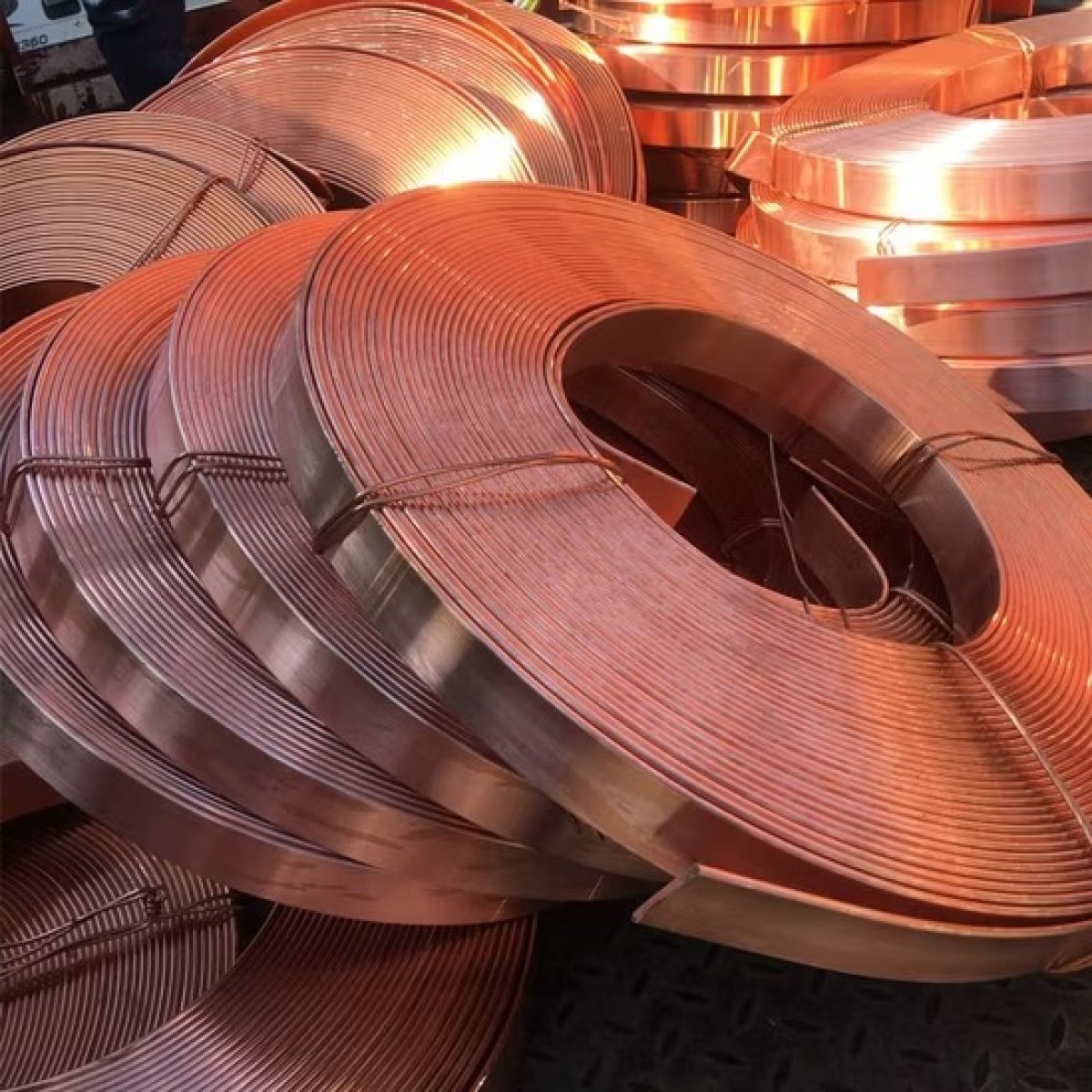
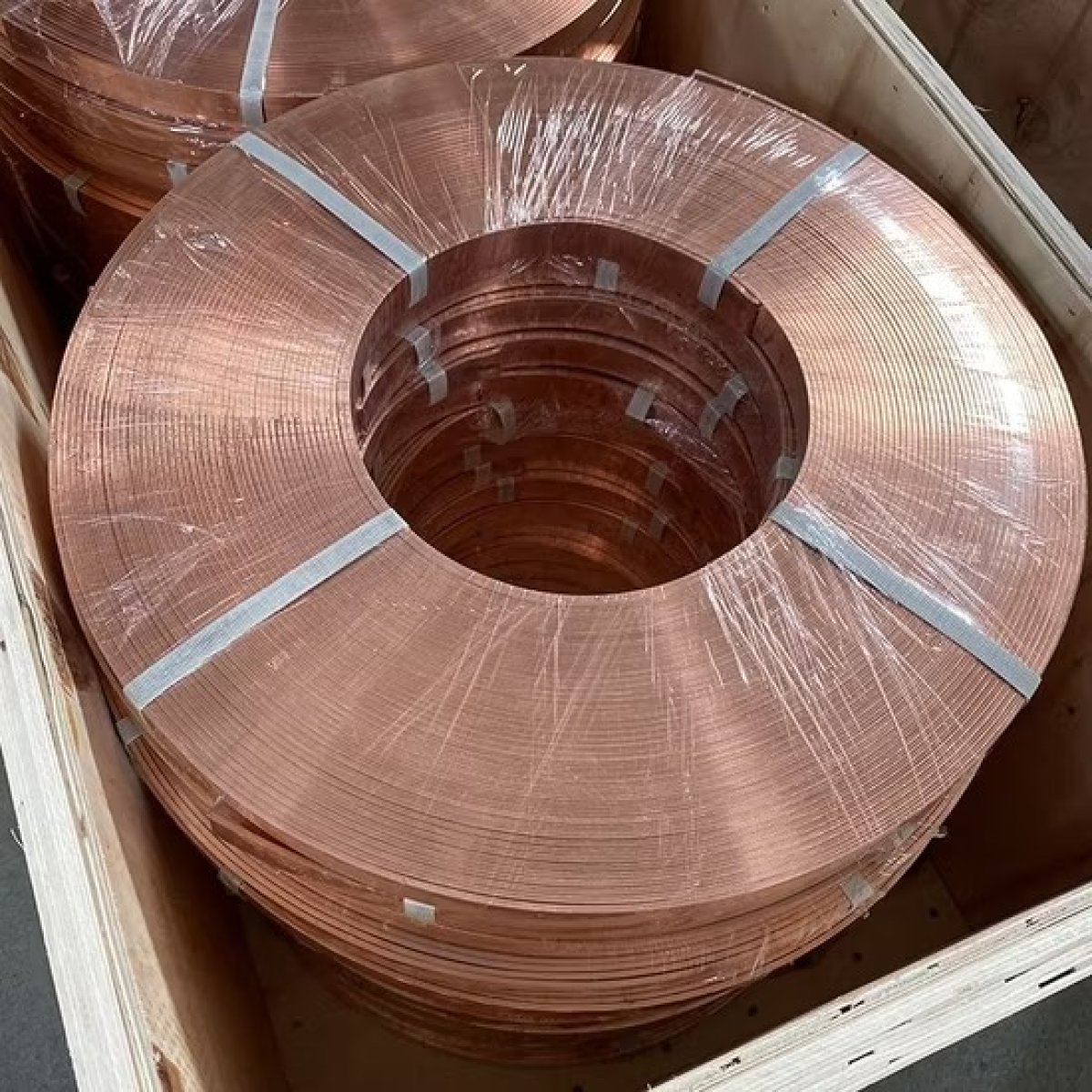
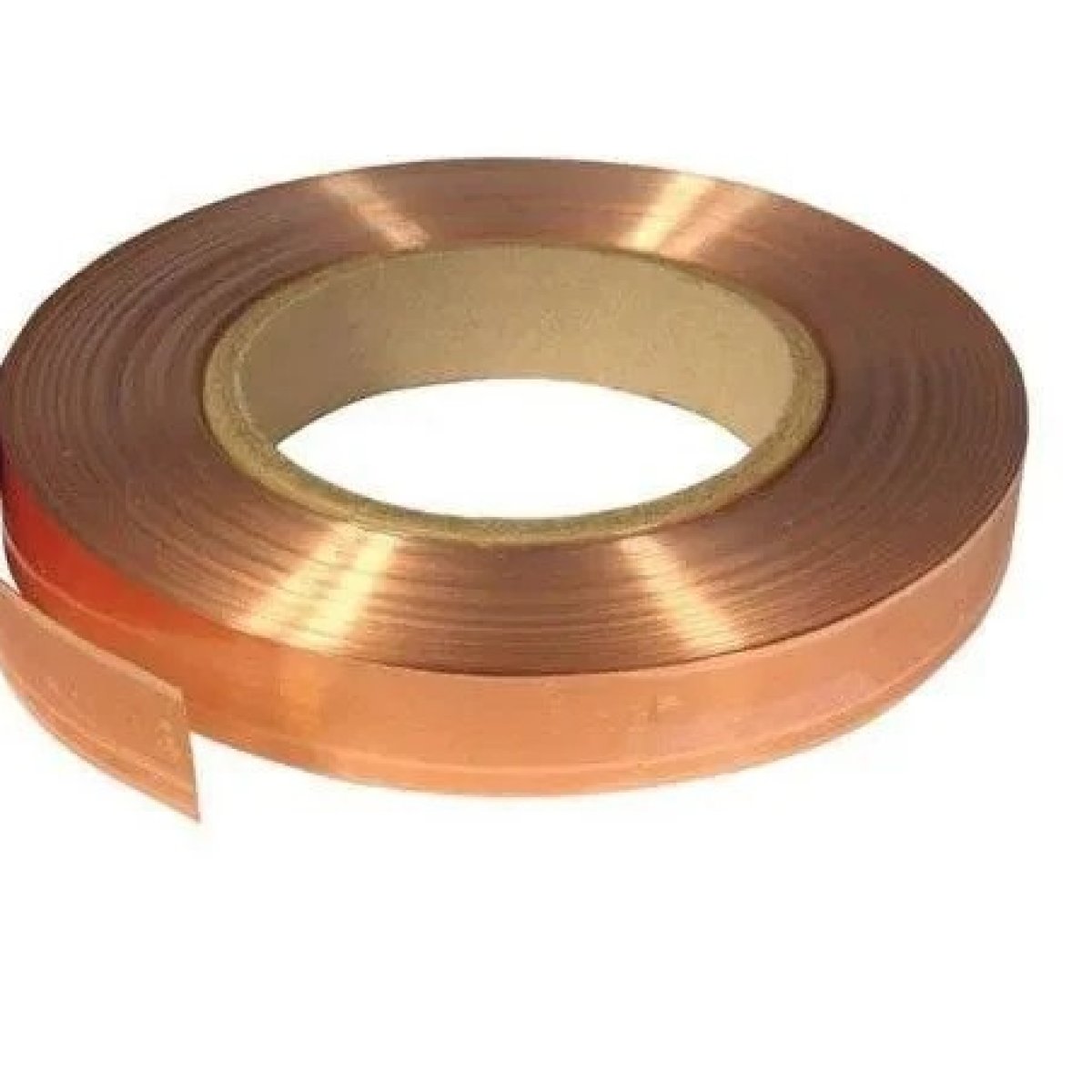
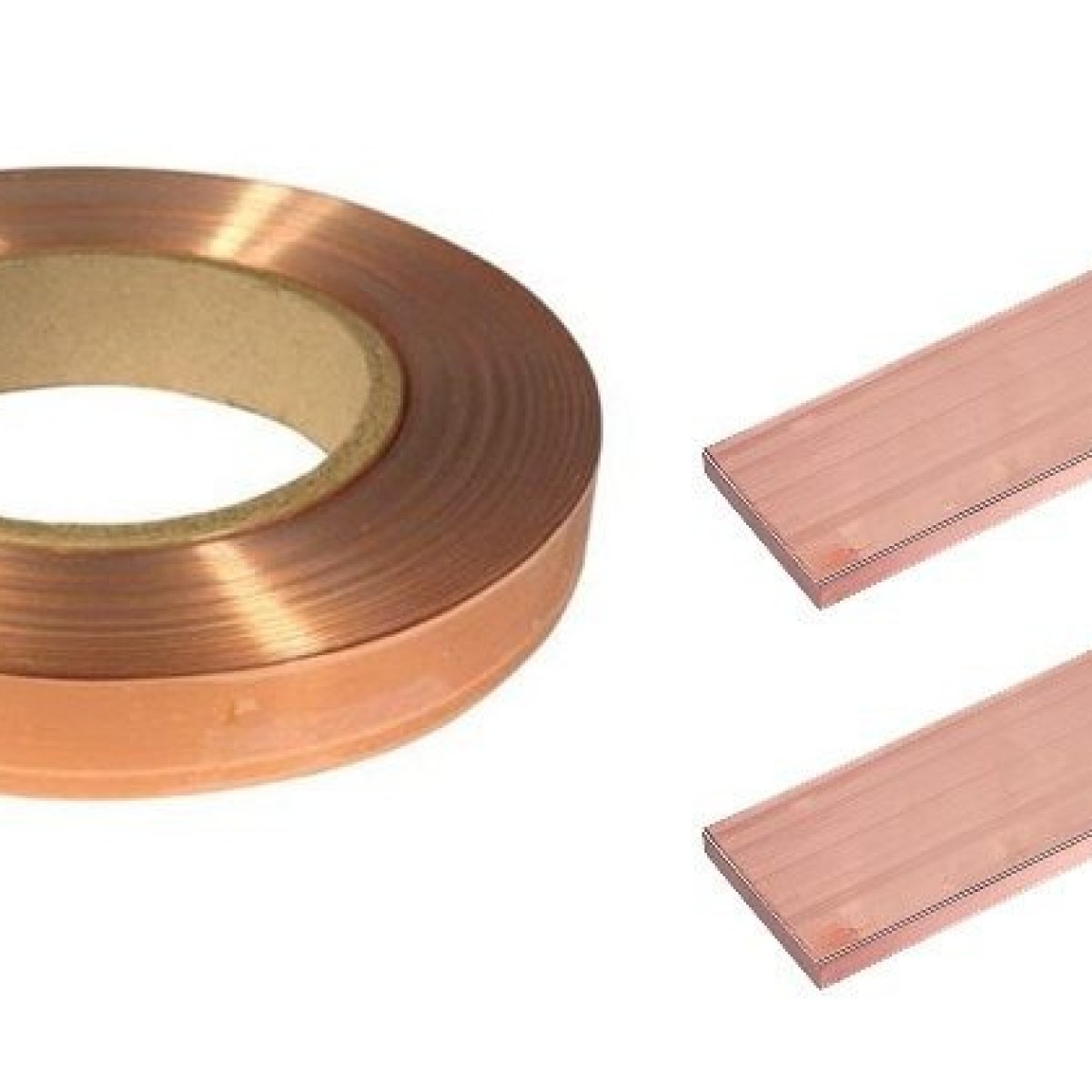
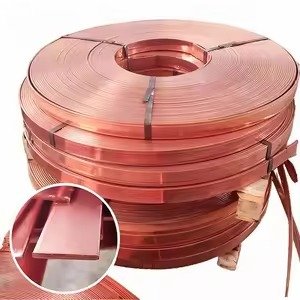
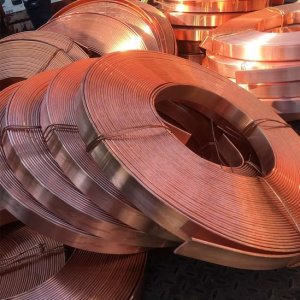
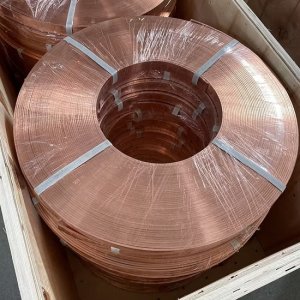
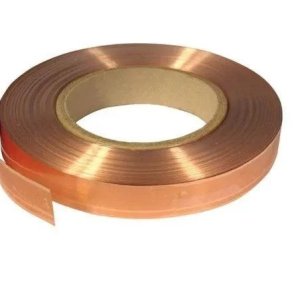
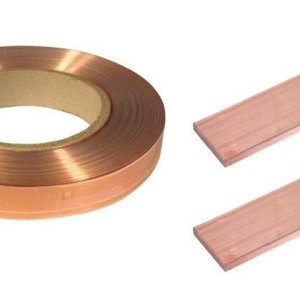
Bare copper tape (also known as copper earthing strip) is a high-conductivity, uninsulated flat conductor used primarily for lightning protection and electrical grounding. Its flat profile provides a larger surface area than circular cables of the same weight, which lowers electrical resistance and inductance, making it highly effective at safely dissipating massive power surges into the earth
Bare copper tape is a foundational component in industrial and commercial electrical safety systems. Unlike insulated wires, its "bare" surface allows for direct, maximum contact with soil or grounding electrodes, facilitating the rapid "leakage" of fault currents.
Key Advantages & Performance
- Superior Conductivity: Typically made from 99.9% pure ETP (Electrolytic Tough Pitch) copper, it offers near-perfect electrical and thermal performance.
- Low Inductance: The flat shape of the tape reduces the "skin effect" compared to round cables, allowing high-frequency lightning currents to travel across the surface more efficiently.
- Corrosion Resistance: Copper naturally forms a protective oxide layer that resists rust and chemical damage, ensuring a service life of several decades even when buried in moist soil.
- Flexibility: The annealed metal is highly malleable, allowing it to be bent around building corners or contours without cracking or losing integrity.
Common Applications
- Lightning Protection: Acts as a down-conductor, connecting air terminals on rooftops to the grounding system below.
- Substation Grounding: Used as a perimeter electrode around building foundations to protect sensitive switchgear and transformers.
- EMI/RFI Shielding: Thinner copper foil tapes are used to wrap cables or electronic enclosures to block electromagnetic and radio frequency interference