
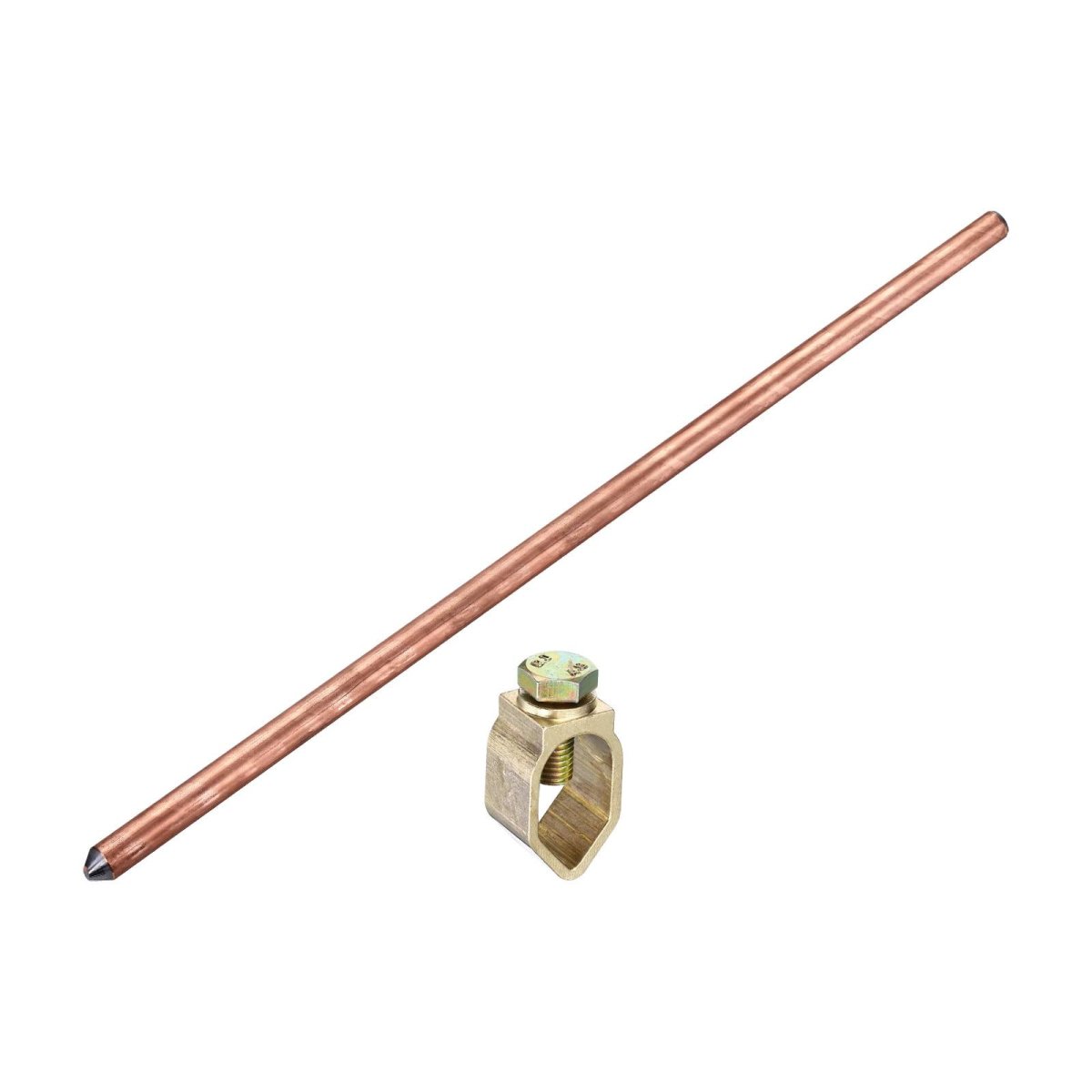
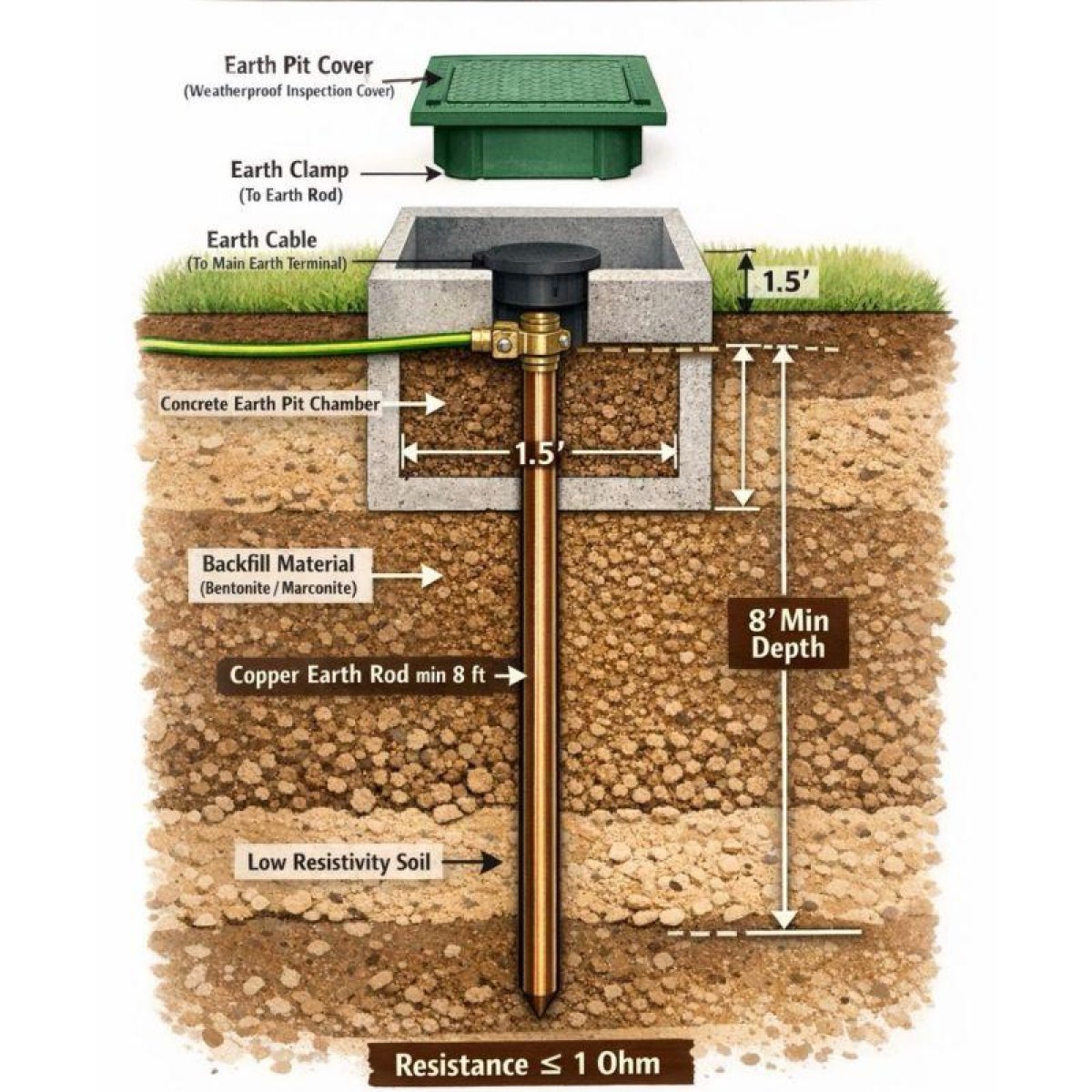
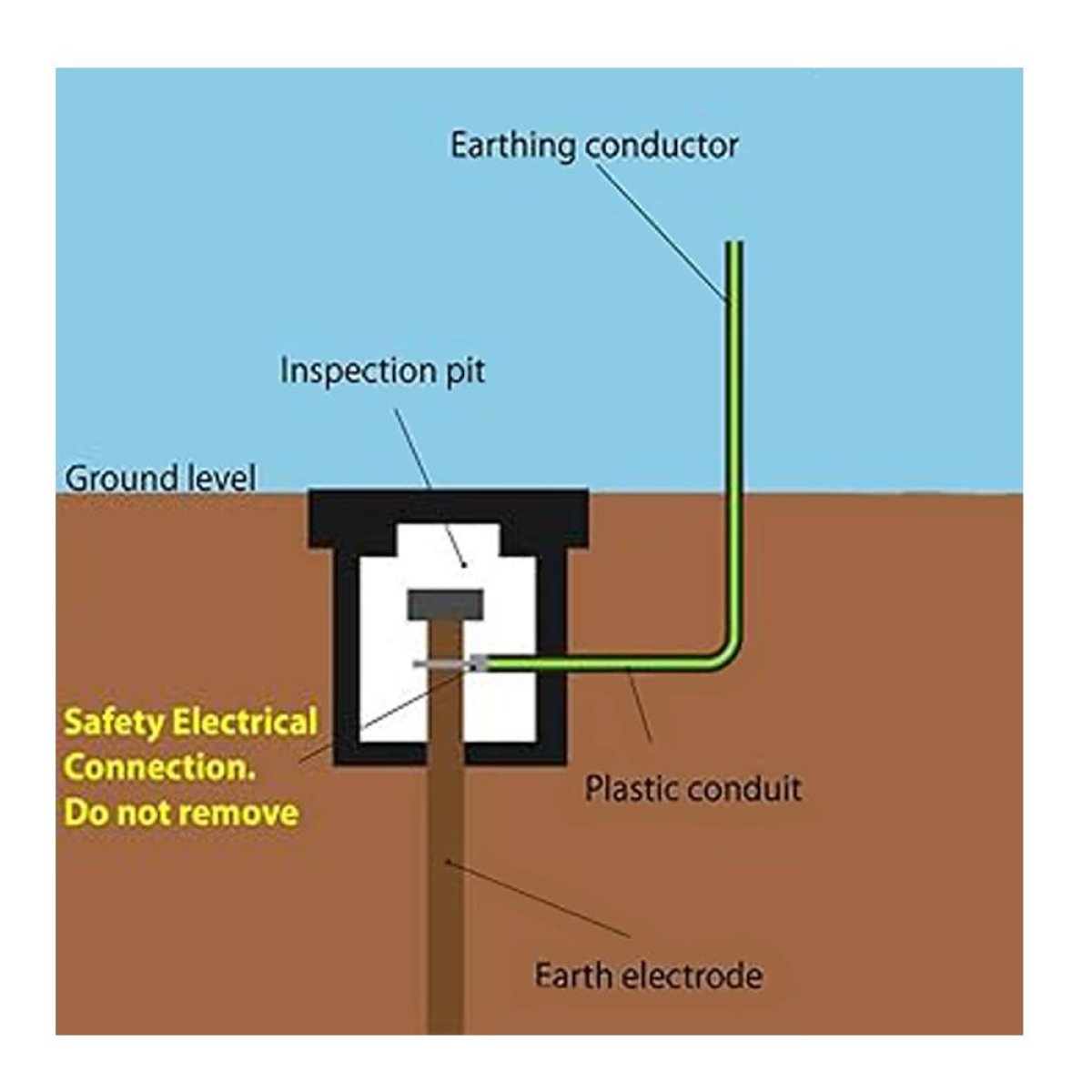
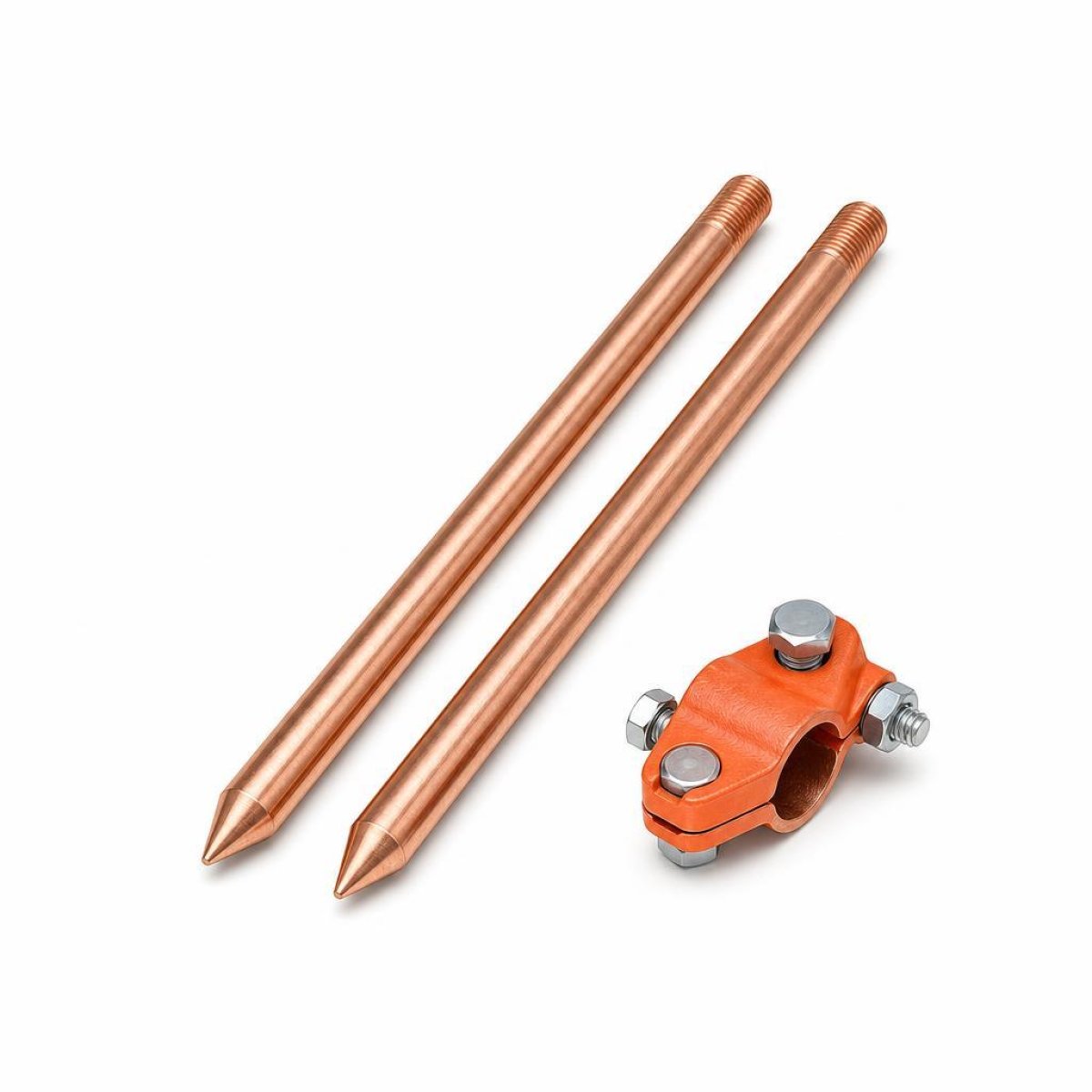
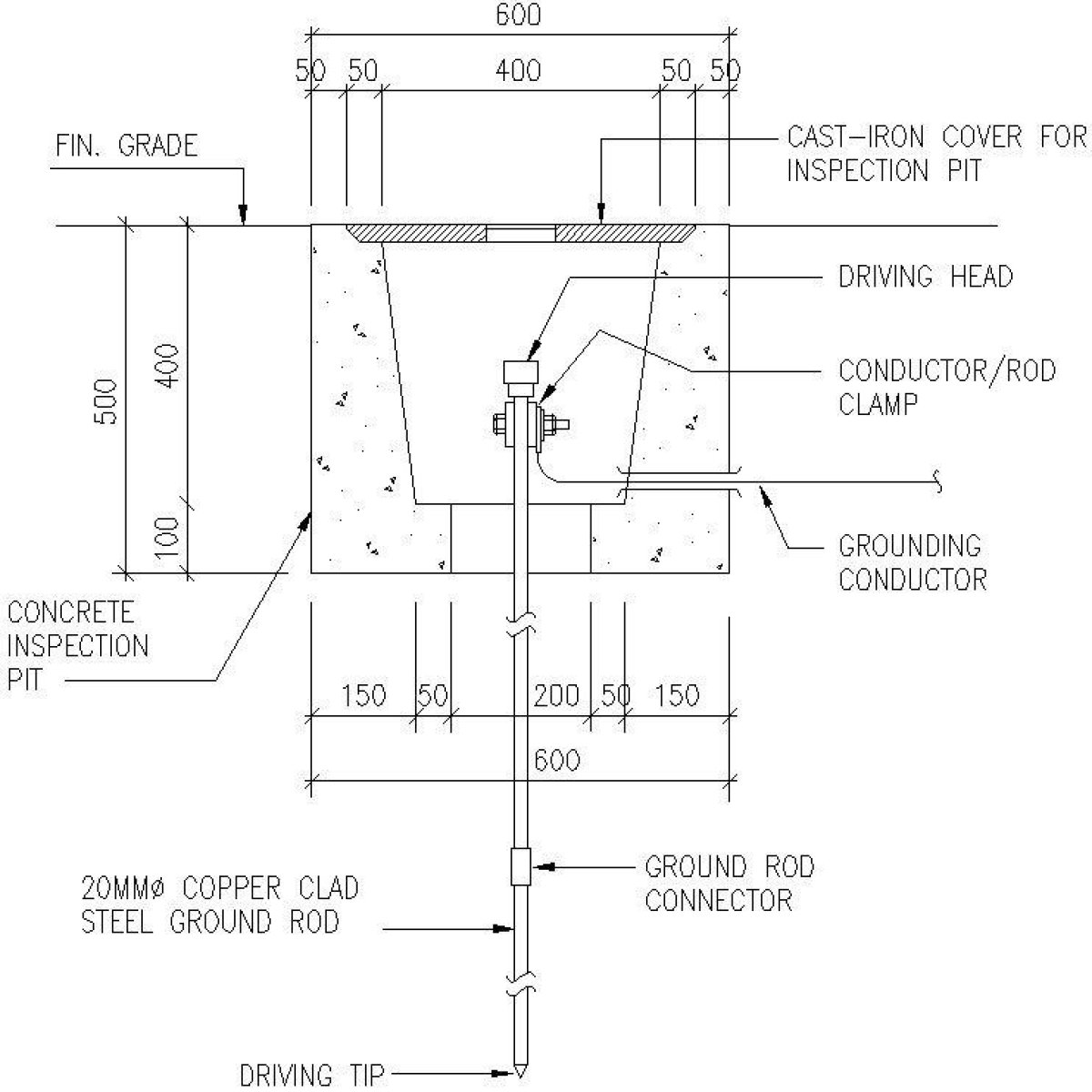
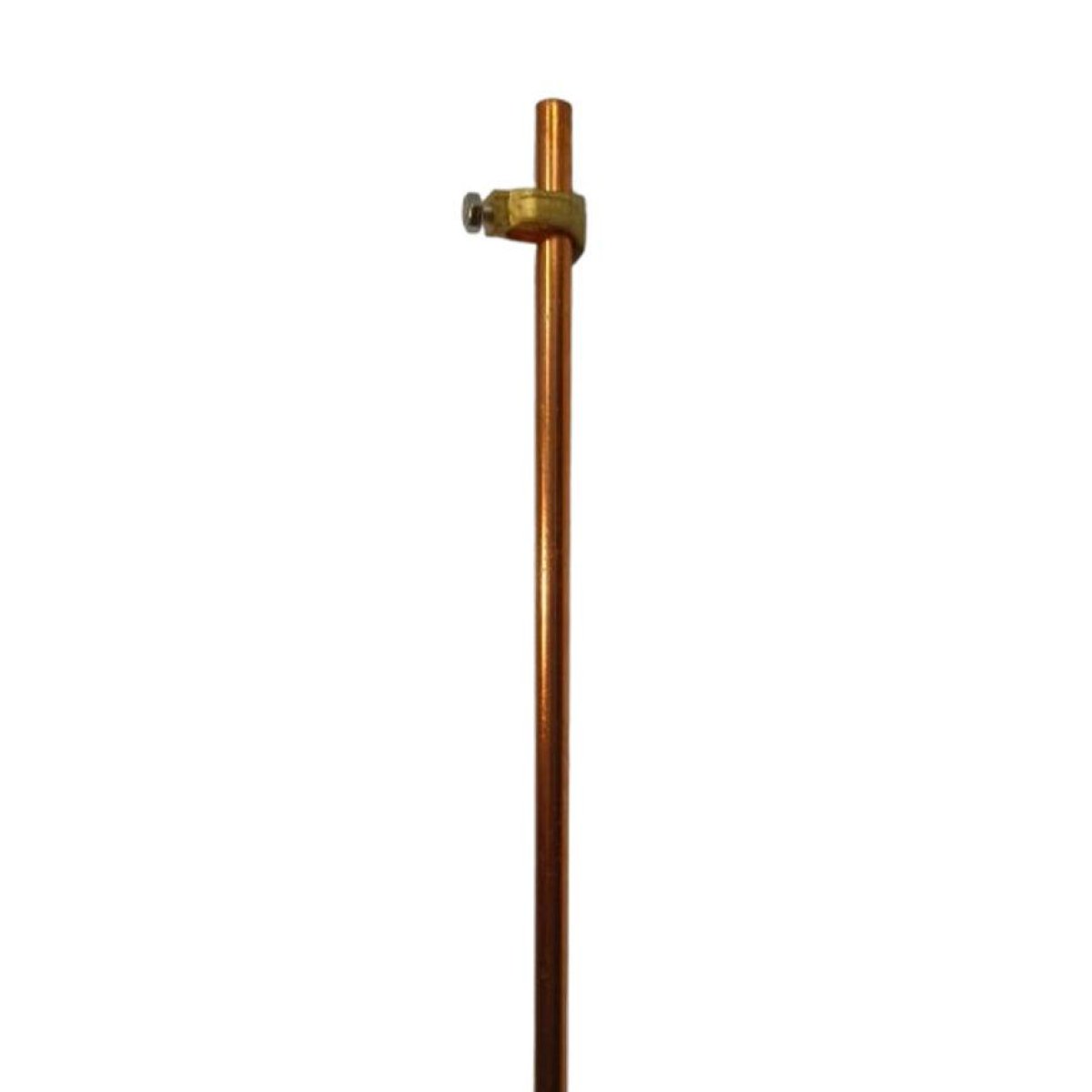
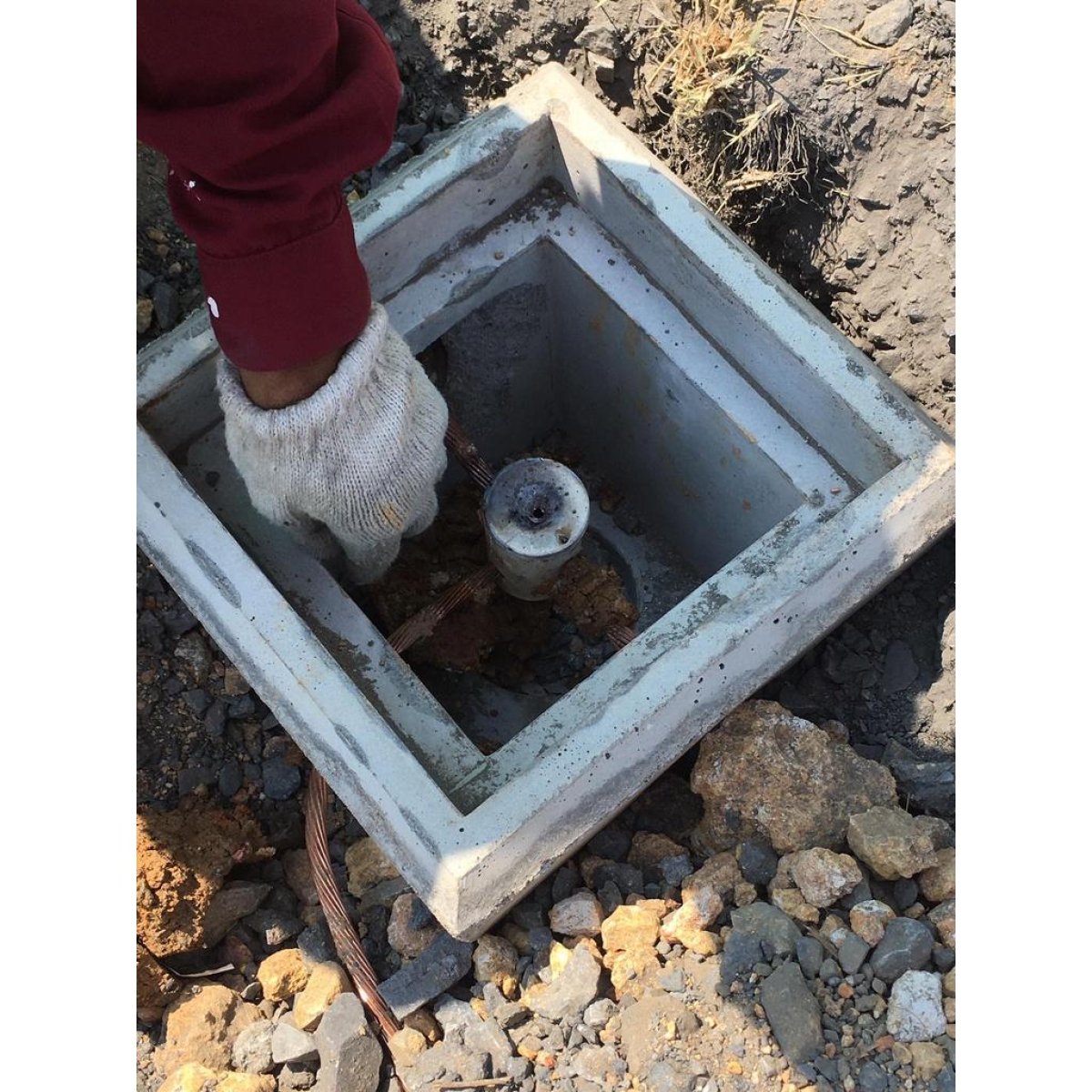
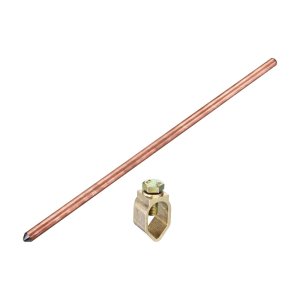
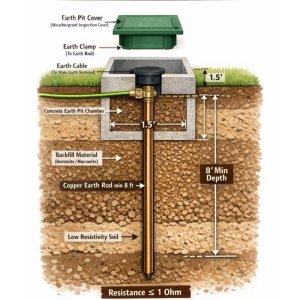
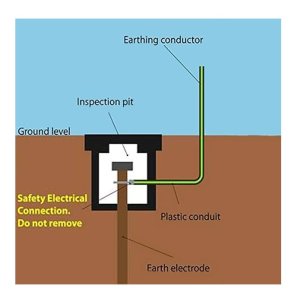
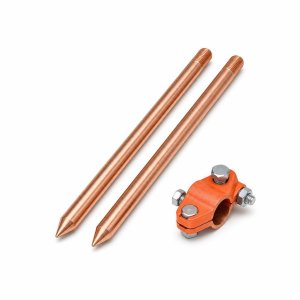
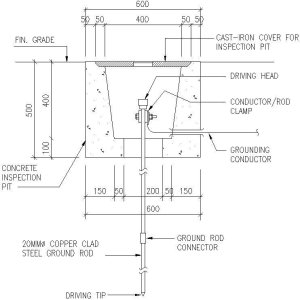
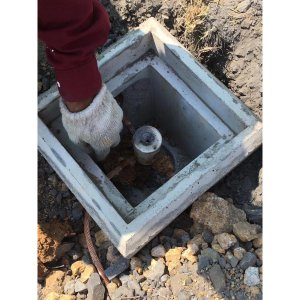
An earth electrode (ground rod) is a conductive metal rod installed vertically into the ground to provide a low-impedance path for fault currents and help protect electrical equipment, CCTV systems, network cabinets, and personnel from electrical hazards.
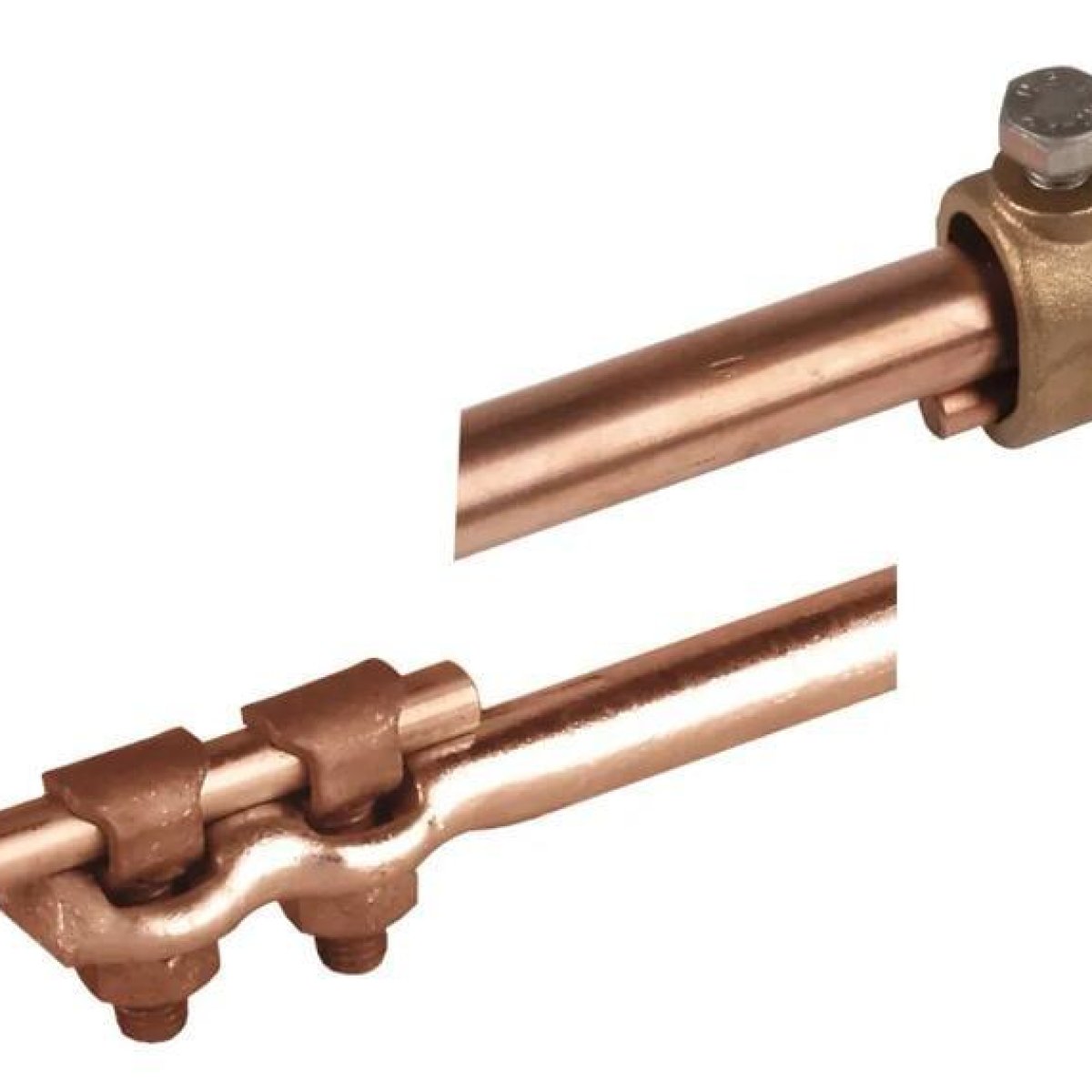
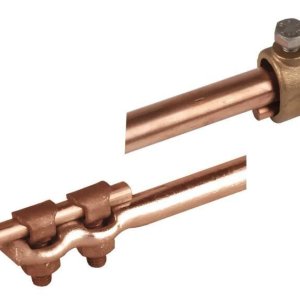
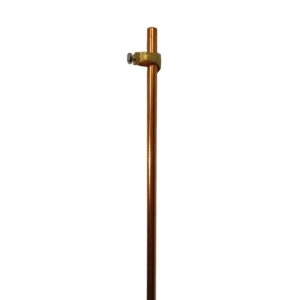
The earth electrode is a key component of an electrical grounding system. It is typically manufactured from copper-bonded steel, solid copper, or galvanized steel and installed in soil to establish a reliable connection to the earthing network. It connects to the main earth conductor using a suitable clamp or approved connector.
For CCTV surveillance installations, the ground rod can form part of the earthing and bonding system for camera poles, outdoor cabinets, communication racks, and associated electrical equipment. Installation should comply with applicable electrical codes and be verified through earth resistance testing.
Key Specifications
Specification
Details
Product Type
Earth Electrode / Ground Rod
Material
Copper-bonded steel / Solid copper / Galvanized steel
Typical Length
1.2 m / 1.5 m / 2.4 m
Typical Diameter
14 mm / 16 mm, model dependent
Installation
Vertical installation in soil
Connection
Earth clamp / Approved grounding connector
Accessories
Earth clamp, coupling, inspection chamber
Application
CCTV poles, electrical panels, server racks, outdoor cabinets and lightning protection systems
Testing
Earth resistance test using an approved earth tester