
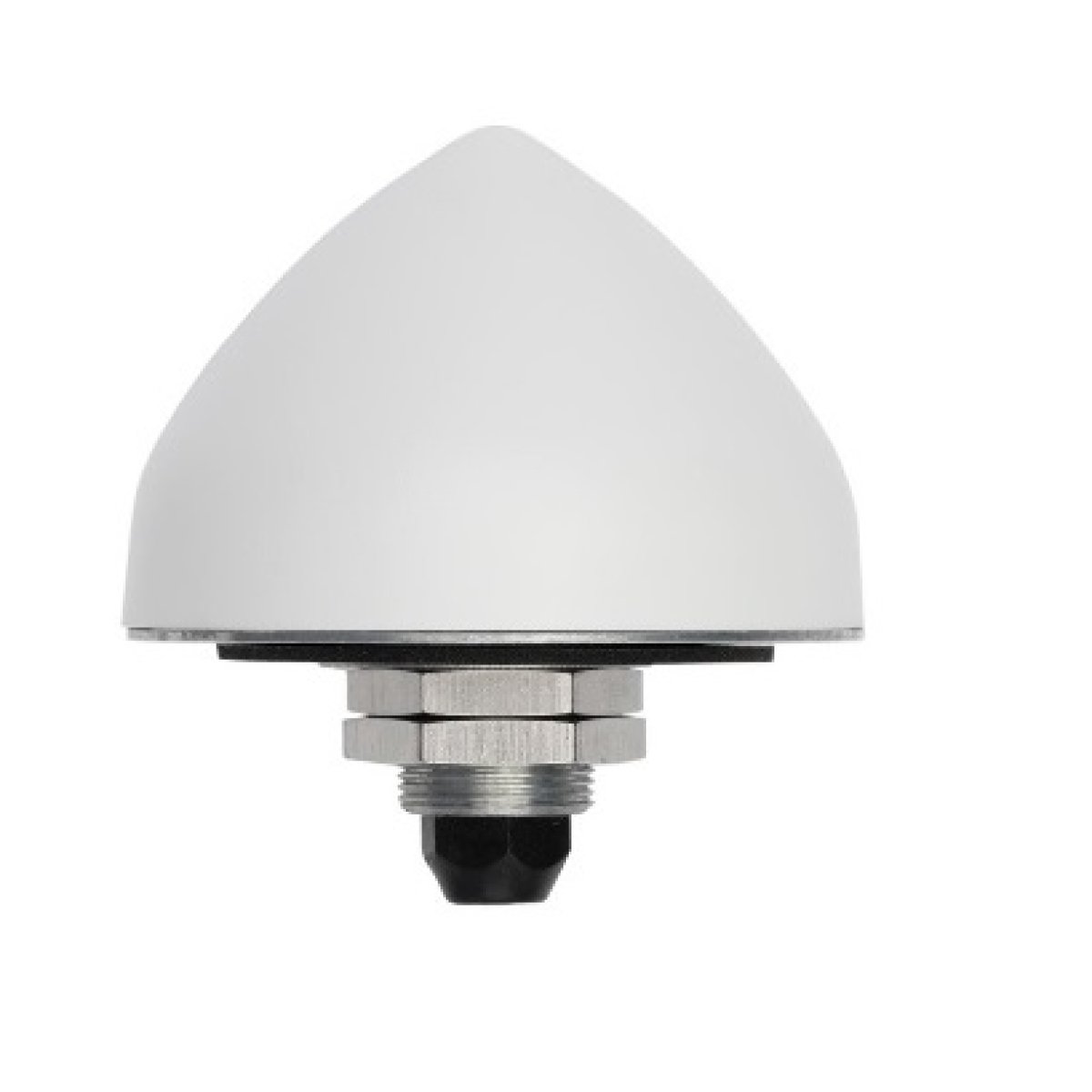
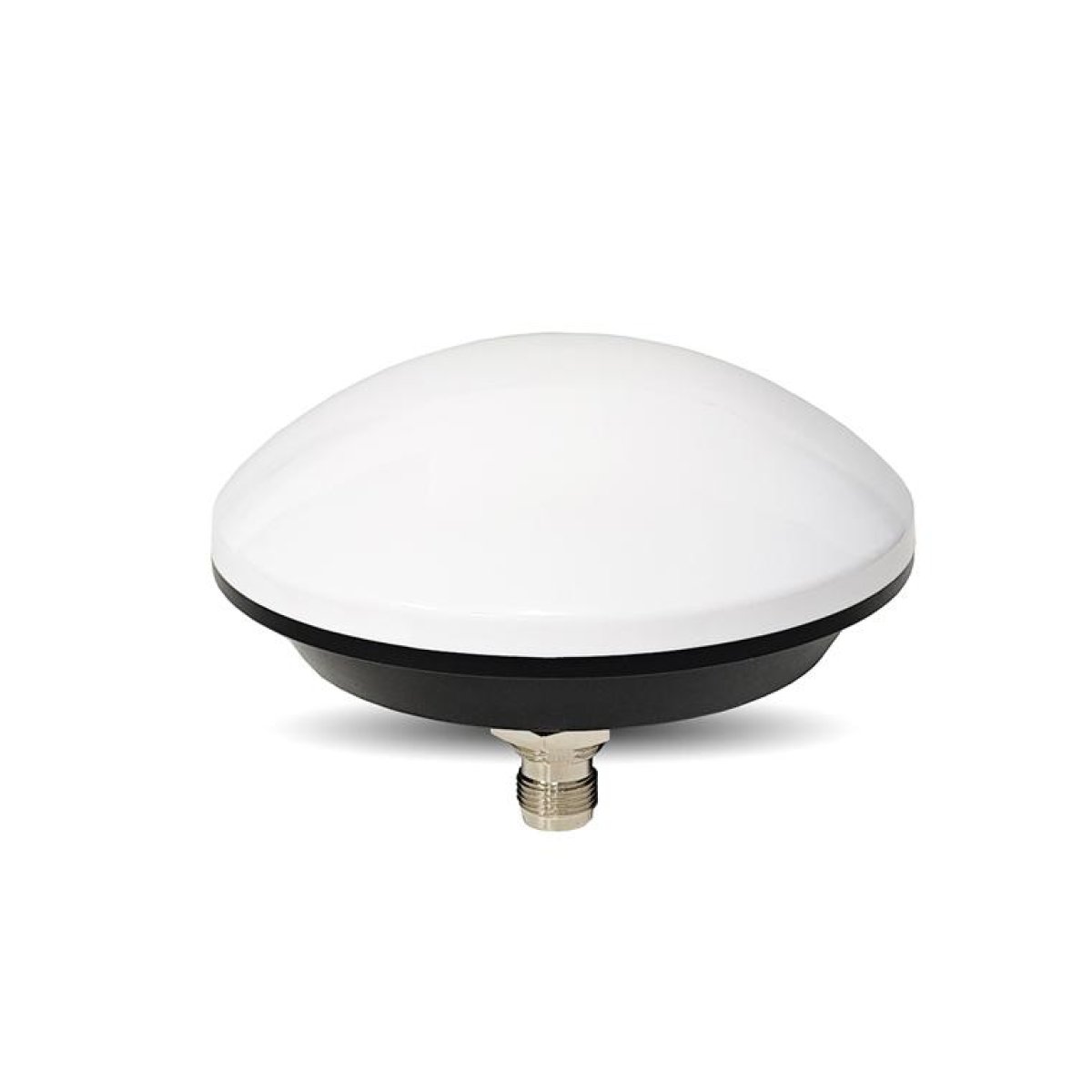

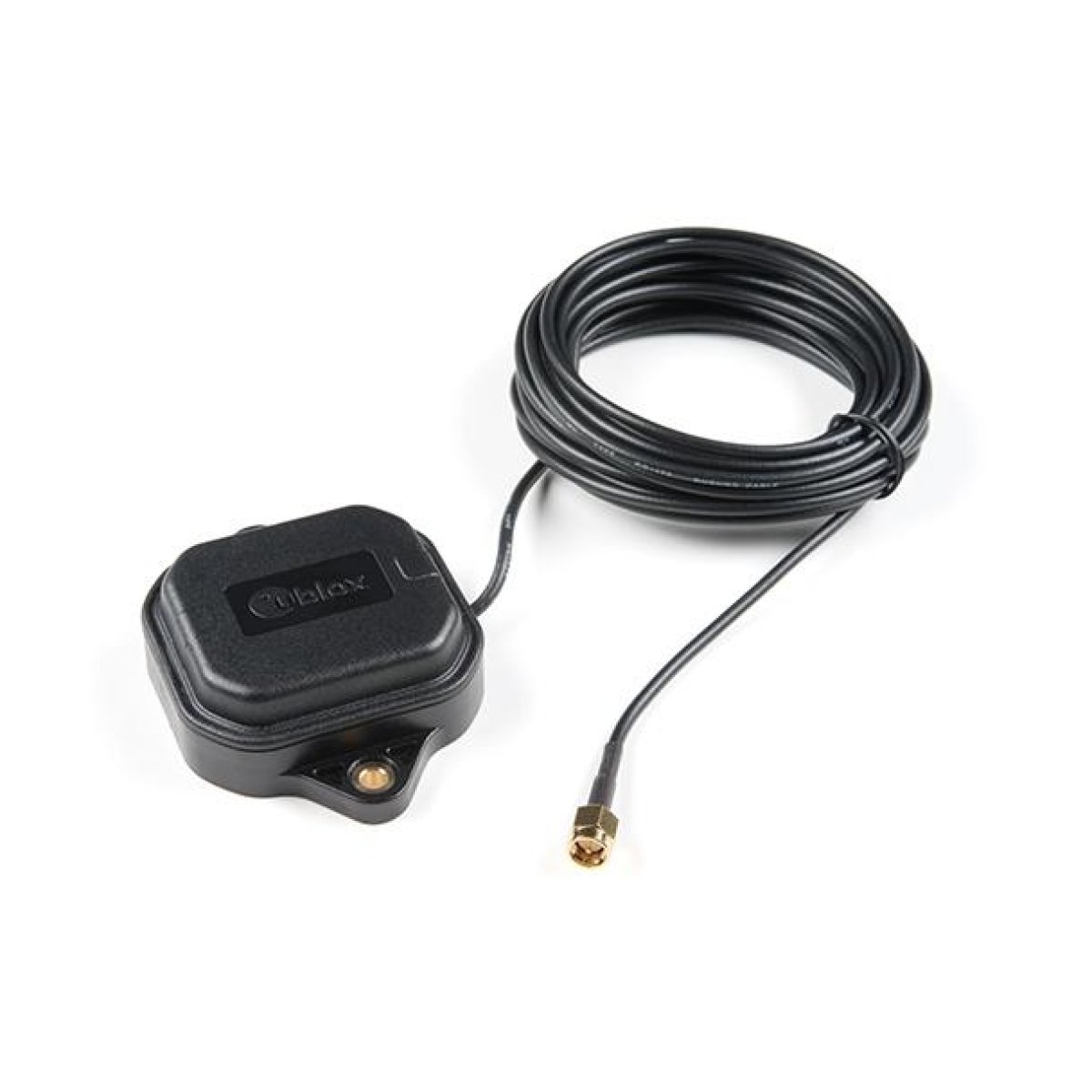
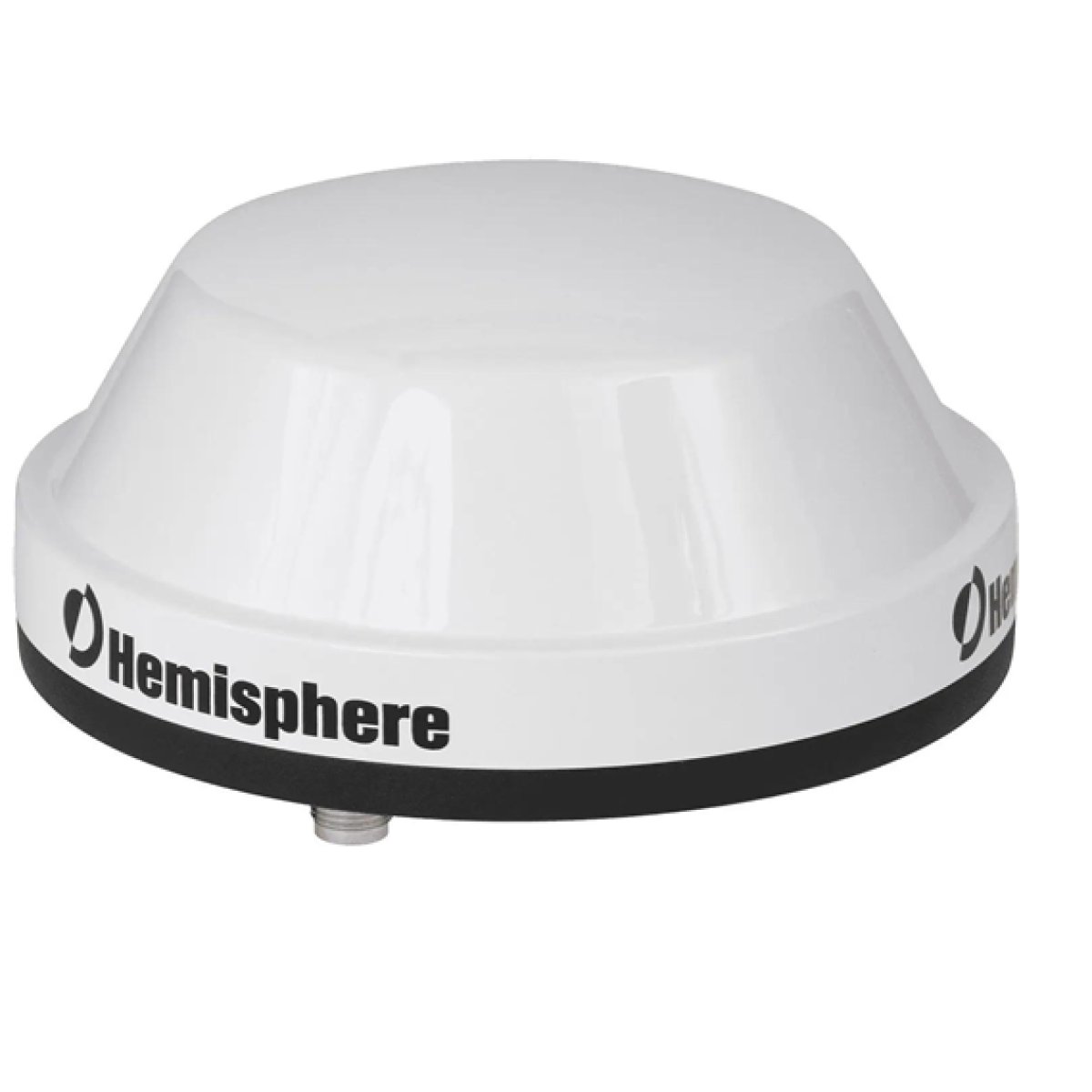
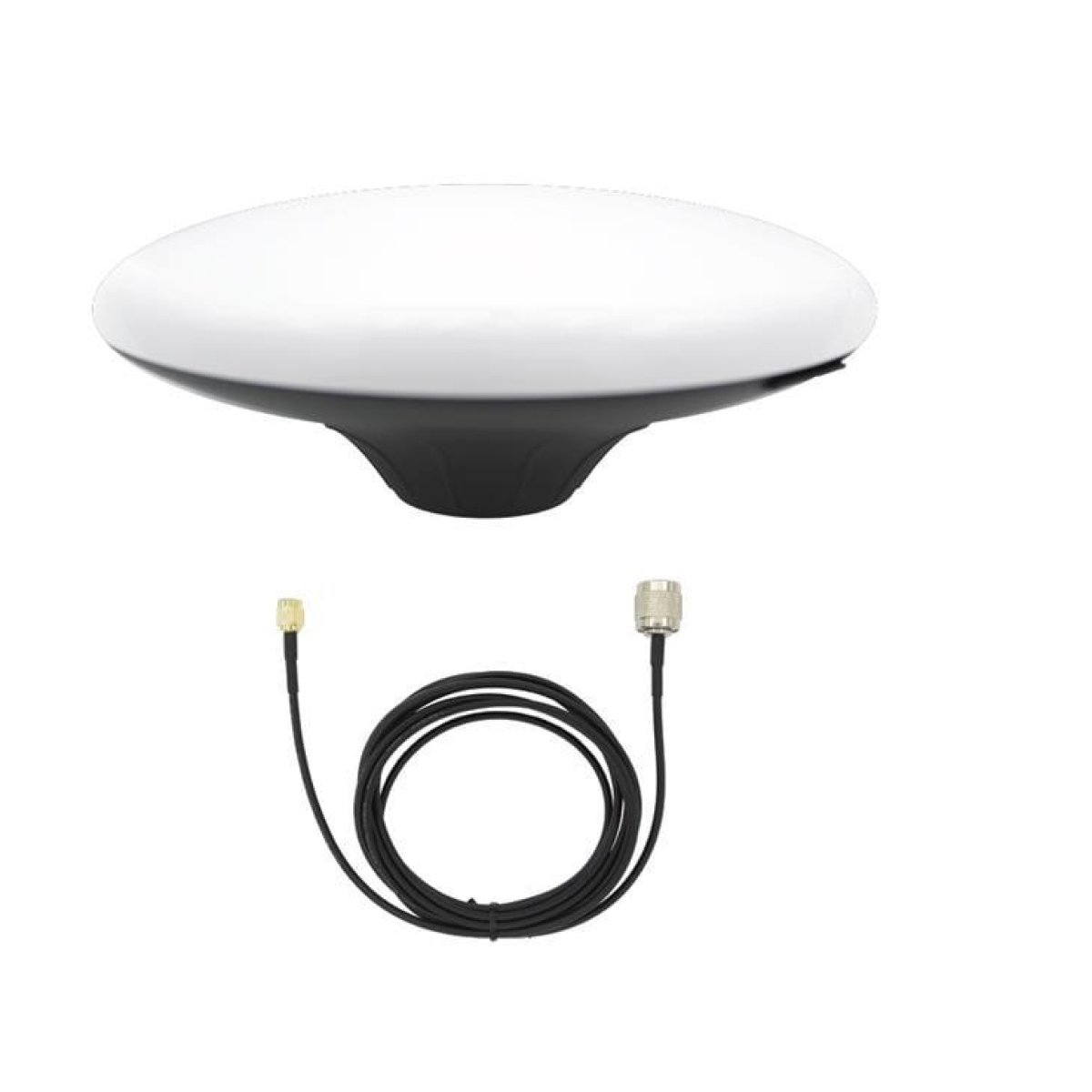
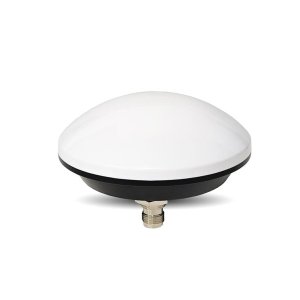

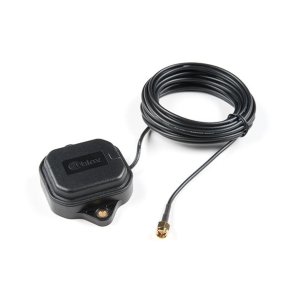
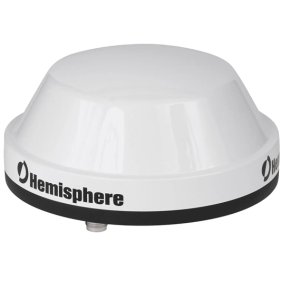
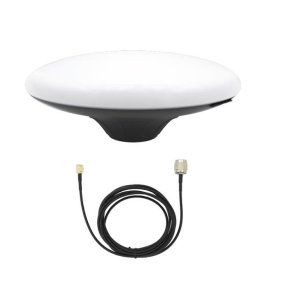
A GPS antenna receives signals from Global Positioning System satellites to provide accurate positioning and timing information to compatible GPS receivers and electronic equipment.
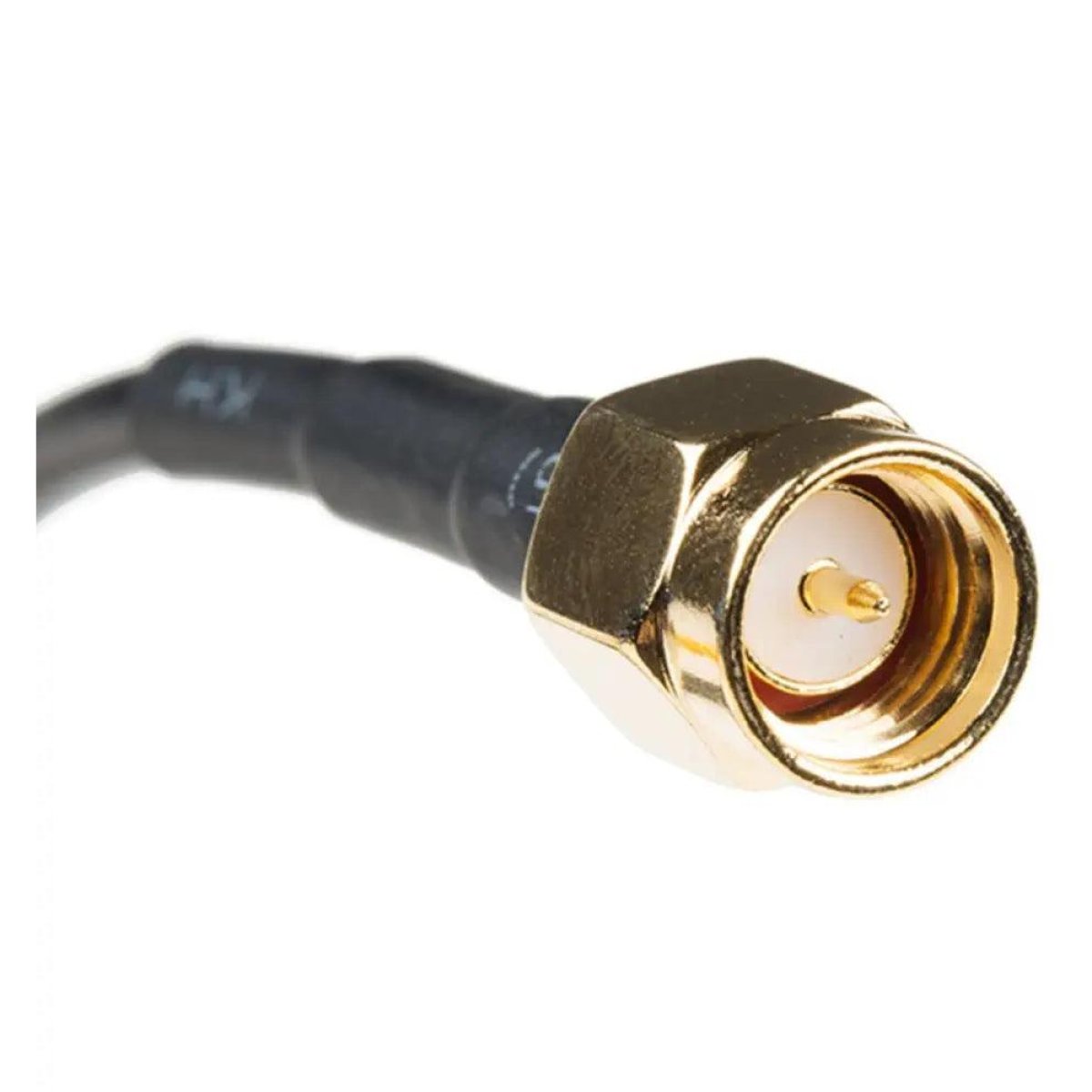
A GPS antenna is designed to receive weak satellite signals and deliver them to a GPS or GNSS receiver for location tracking, navigation, and time synchronization. Depending on the application, it may be an active antenna with a built-in low-noise amplifier (LNA) or a passive antenna. Outdoor models are commonly weather-resistant and supplied with coaxial cables and suitable connectors.
3. Key SpecificationsSpecification
Details
Product type
GPS/GNSS antenna
Frequency
GPS L1: 1575.42 MHz
Supported systems
GPS; other GNSS systems depend on model
Antenna type
Active or passive
Polarization
Typically, right-hand circular polarization (RHCP)
Connector
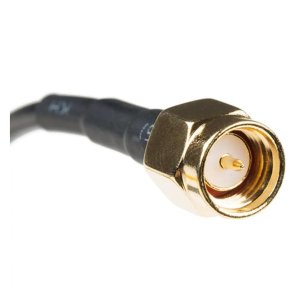
SMA, TNC, or other model-specific type
Installation
Outdoor, roof-mounted, magnetic, or panel-mounted
Power supply
Required for active models; voltage depends on model
Protection
Weather resistance depends on model
GPS navigation and vehicle tracking systems.
Fleet management and asset tracking.
Telecom and network equipment timing synchronization.
CCTV and security systems requiring accurate time references, when supported.
Surveying, mapping, and industrial positioning systems.
GPS receivers, monitoring devices, and telemetry equipment.