
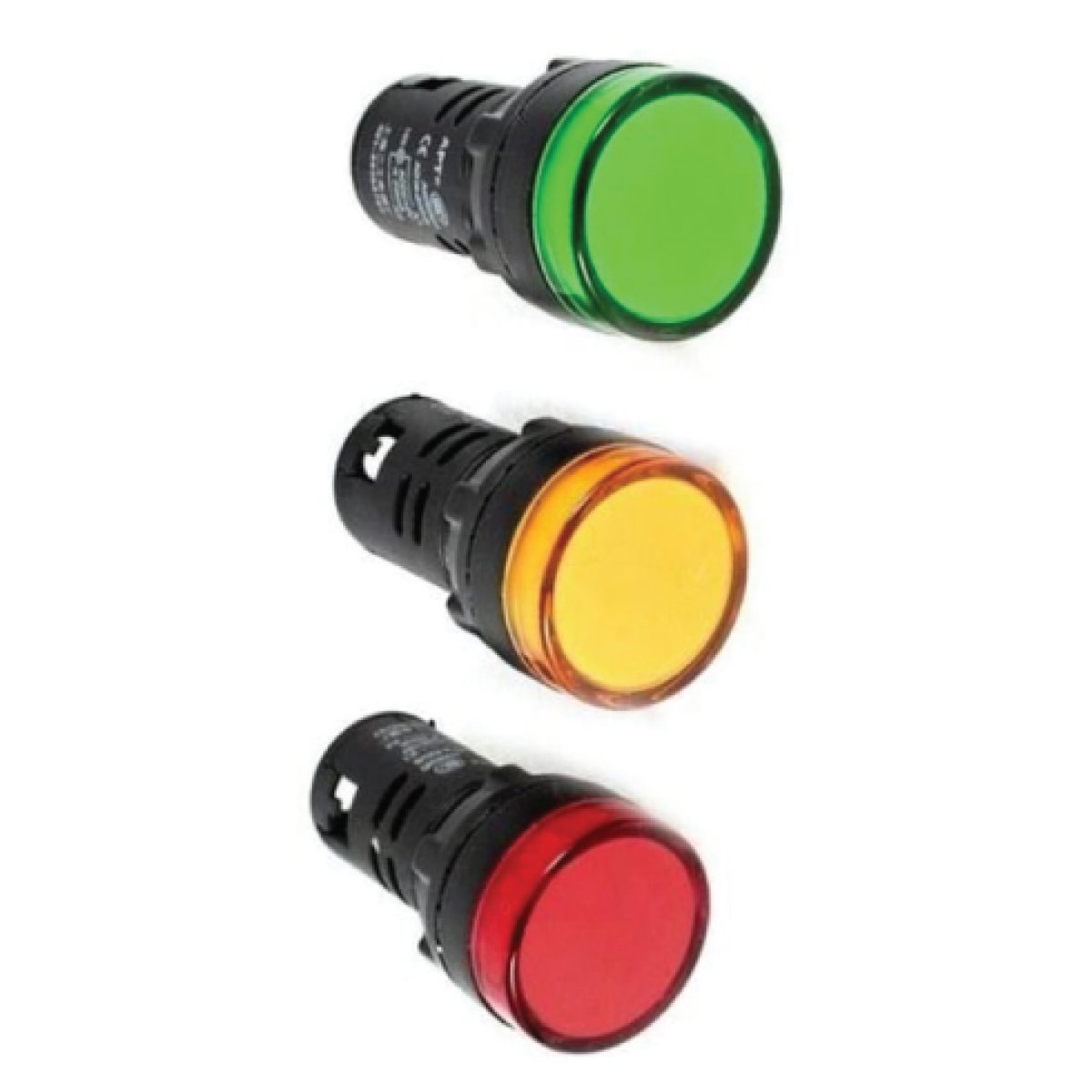
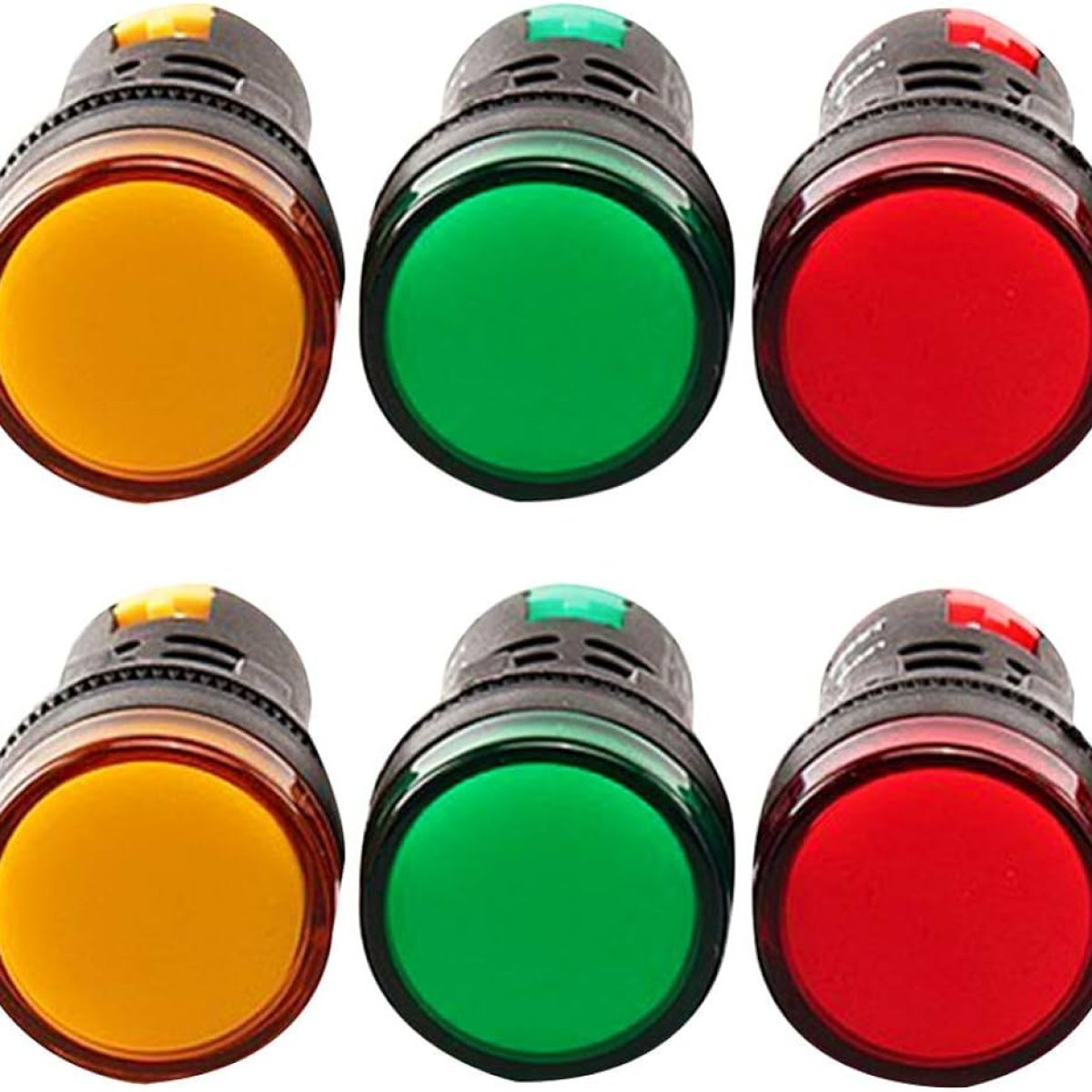
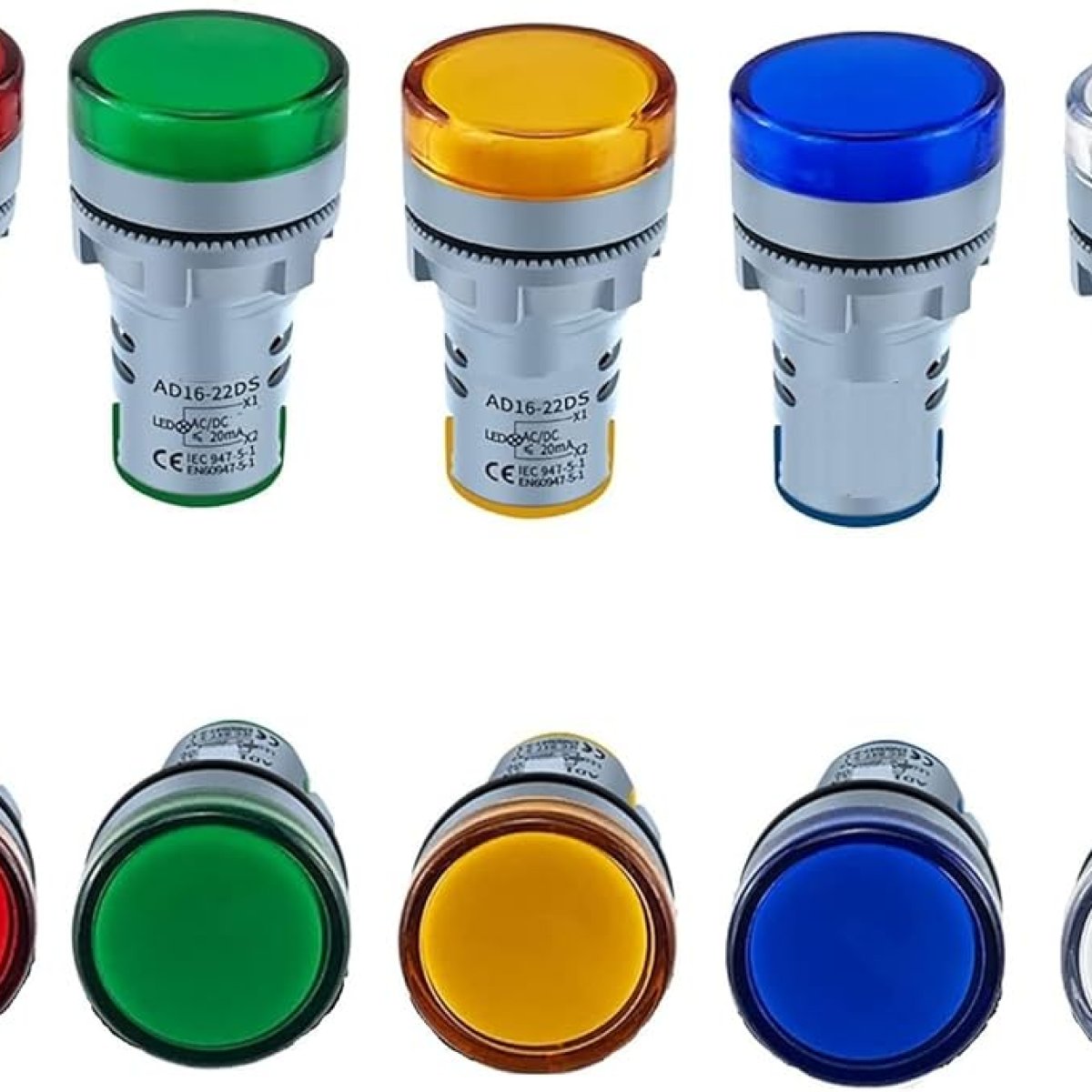
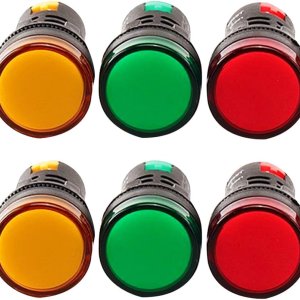
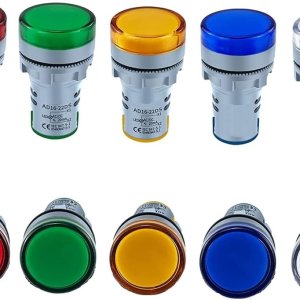
An indicator is a visual signaling device used in pump systems to display the operational status, alarms, or conditions of equipment for easy monitoring.
An indicator is a simple yet essential component in pump systems, designed to provide clear visual information about the system’s operational status. Typically installed on pump control panels, indicators use lights (LEDs) or display signals to show conditions such as power availability, pump running status, fault conditions, or alarms.
Common types of indicators include power indicators (showing system ON/OFF status), run indicators (indicating pump operation), fault indicators (alerting issues like overload or failure), and phase indicators (showing correct electrical phase supply). These are usually color-coded—for example, green for normal operation, red for faults, and yellow or amber for warnings.
Indicators help operators quickly assess the system condition without needing complex tools or measurements. This improves response time during faults, enhances safety, and supports efficient maintenance.
Built for reliability, indicators are designed to operate continuously with low power consumption and high visibility, even in industrial environments. Advanced systems may integrate digital displays or HMI (Human Machine Interface) screens for more detailed status information.
Overall, indicators play a crucial role in ensuring easy monitoring, quick troubleshooting, and safe operation of pump systems.