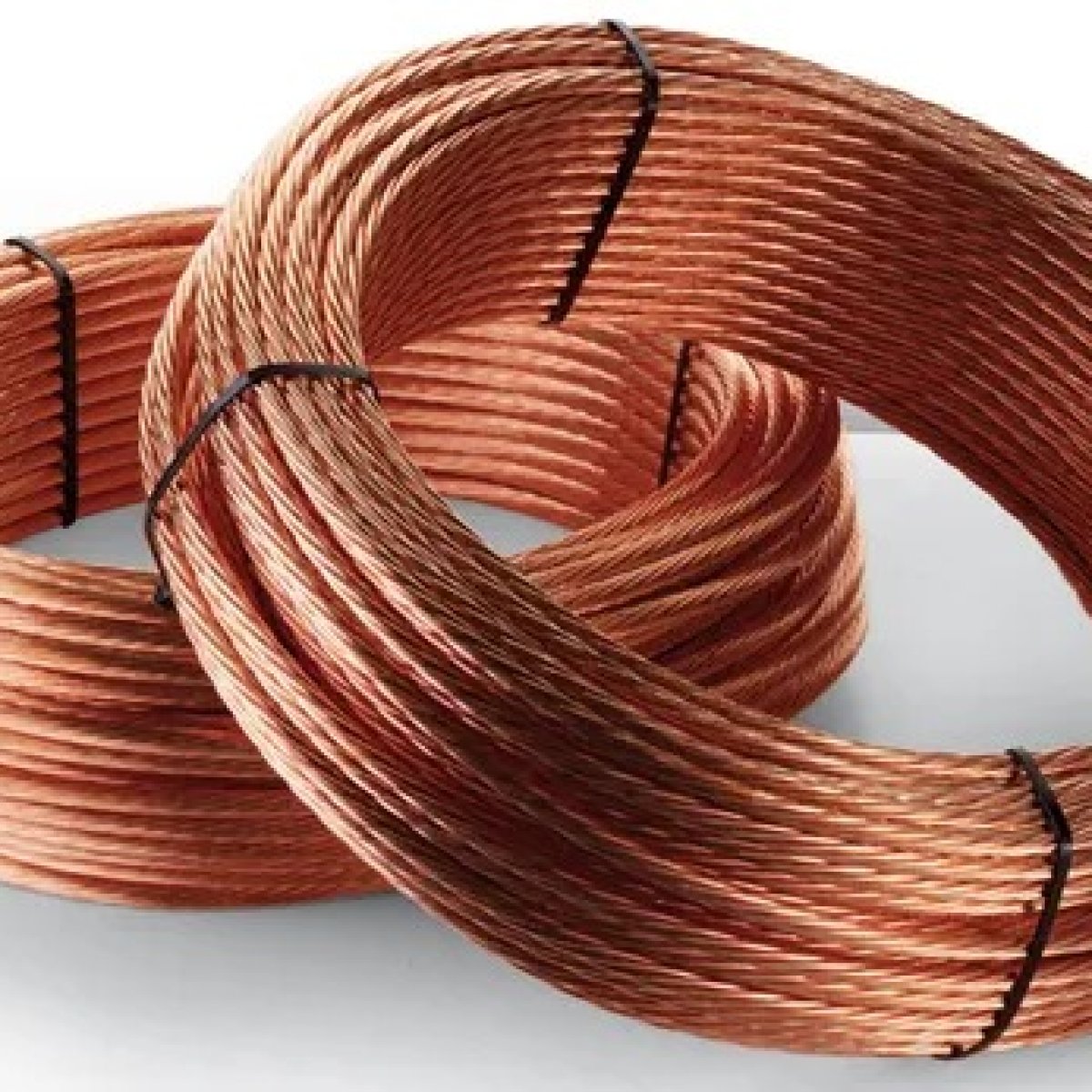
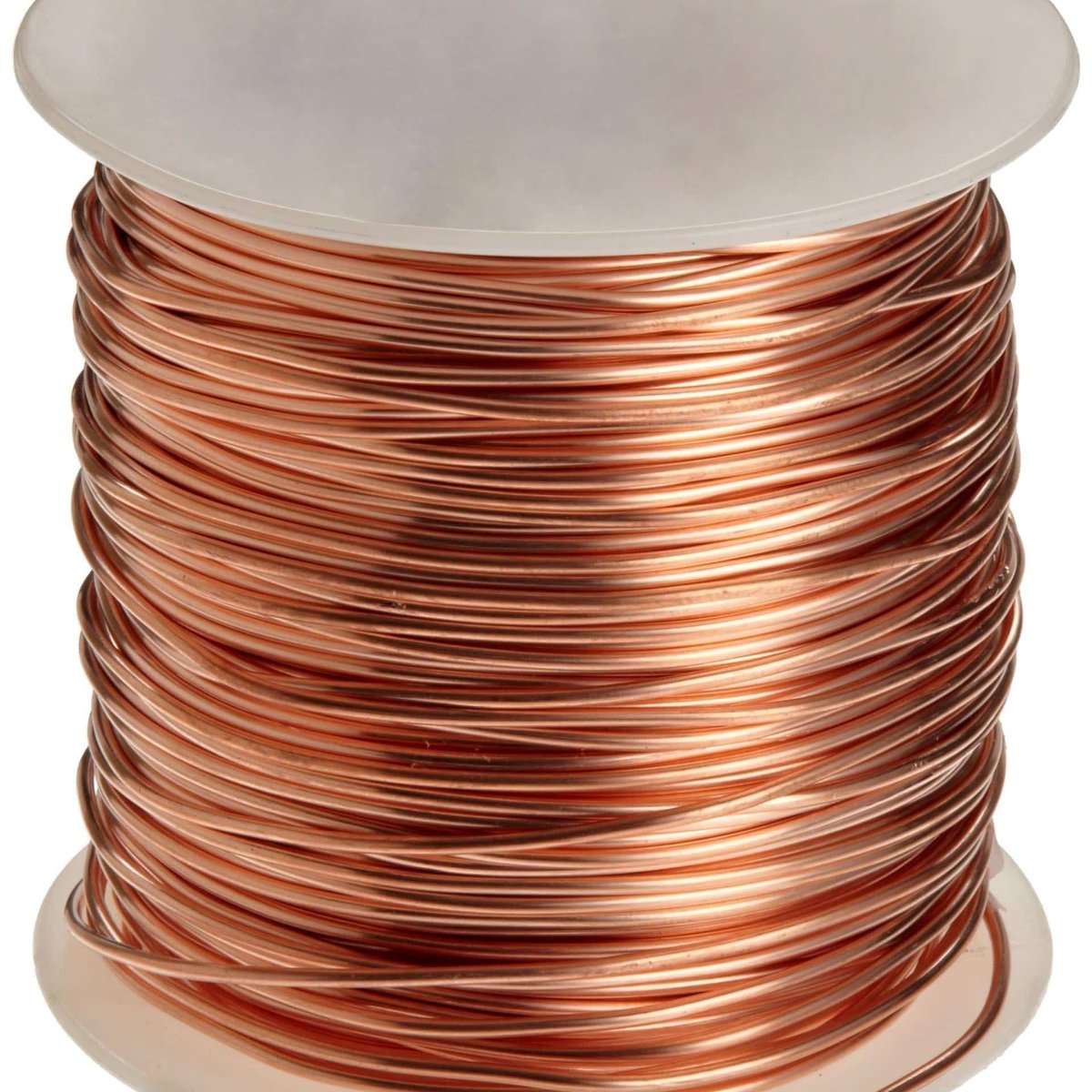
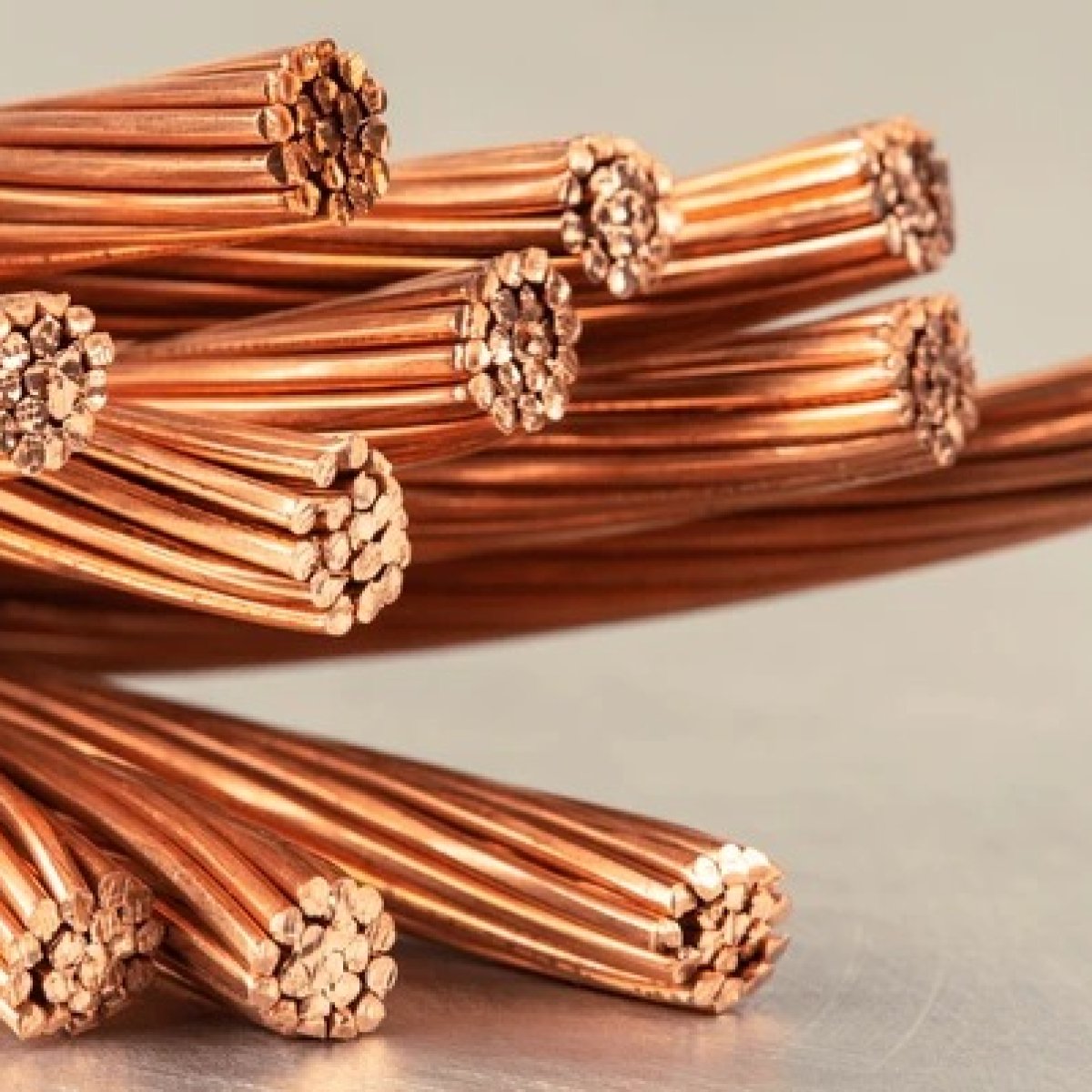
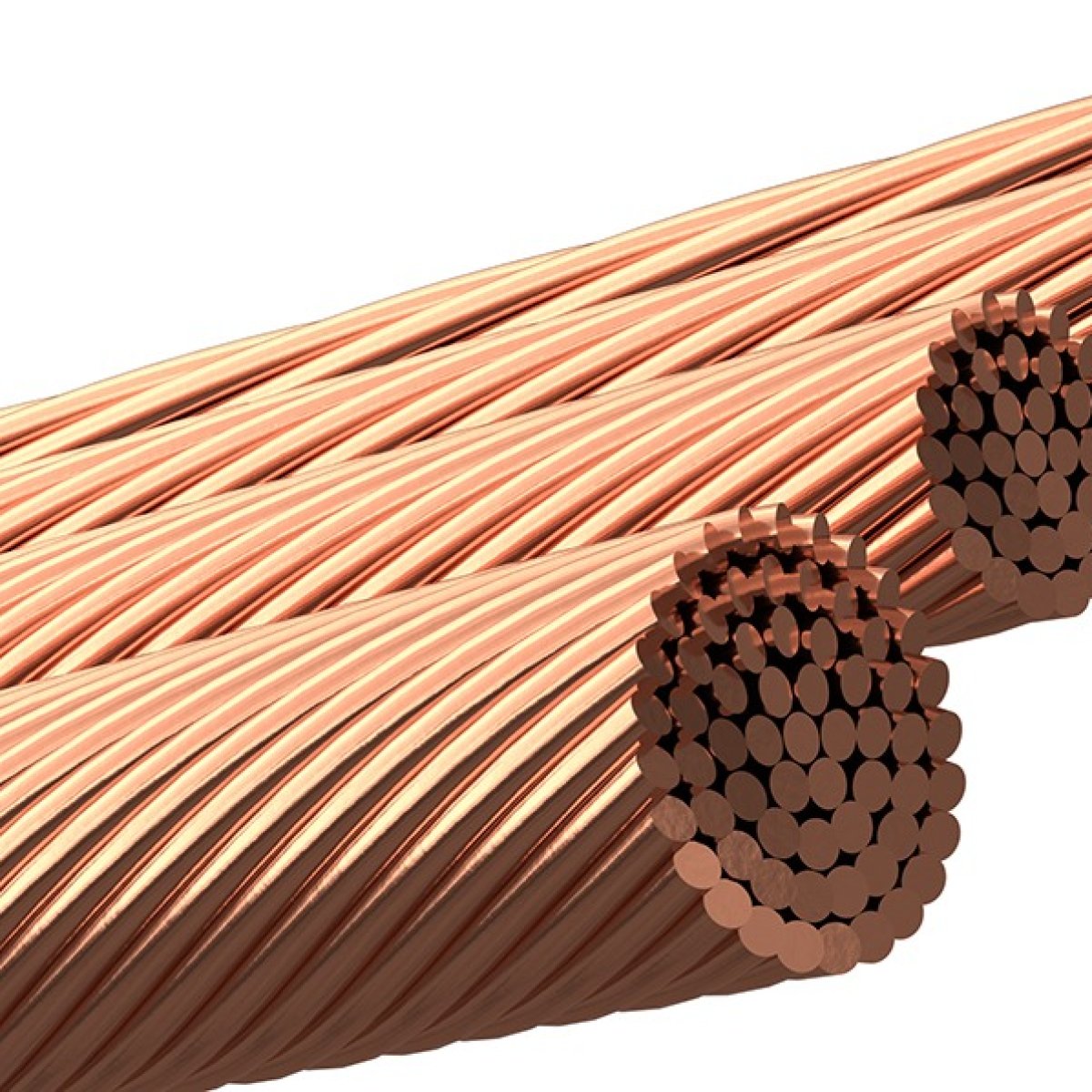
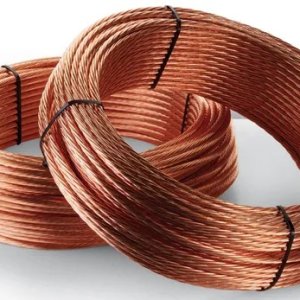
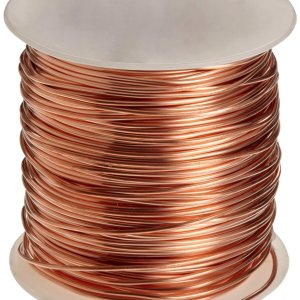
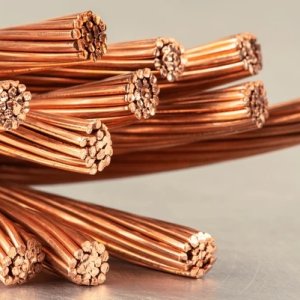
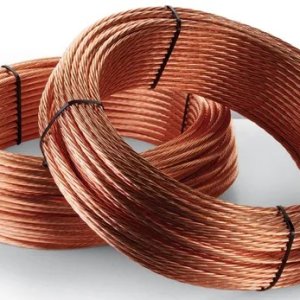
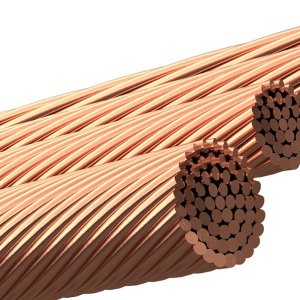
A stranded copper conductor consists of multiple thin wires (strands) twisted together to form a single, highly flexible electrical cable. Unlike solid-core wires, these cables can withstand repetitive bending and vibration without fracturing, making them the industry standard for wiring in vehicles, portable electronics, and dynamic earthing systems
Stranded copper conductors represent a sophisticated engineering solution designed to balance high electrical conductivity with mechanical resilience. They are manufactured by twisting
99.9% pure annealed copper strands in various configurations (e.g., concentric, bunch, or rope-lay) to meet specific flexibility requirements defined by
international standards like IEC 60228Classification and Flexibility
The flexibility of a stranded cable is determined by its "Class," which indicates the number and diameter of the strands:
- Class 2: Standard stranded conductors used for fixed installations (7 to 37 strands).
- Class 5 & 6: Highly flexible and extra-flexible conductors used for moving machinery, robotics, and patch cords.
- Specialty Types: Rope-lay stranding combines bundles of stranded wires for extremely large, high-power applications that still require bendability