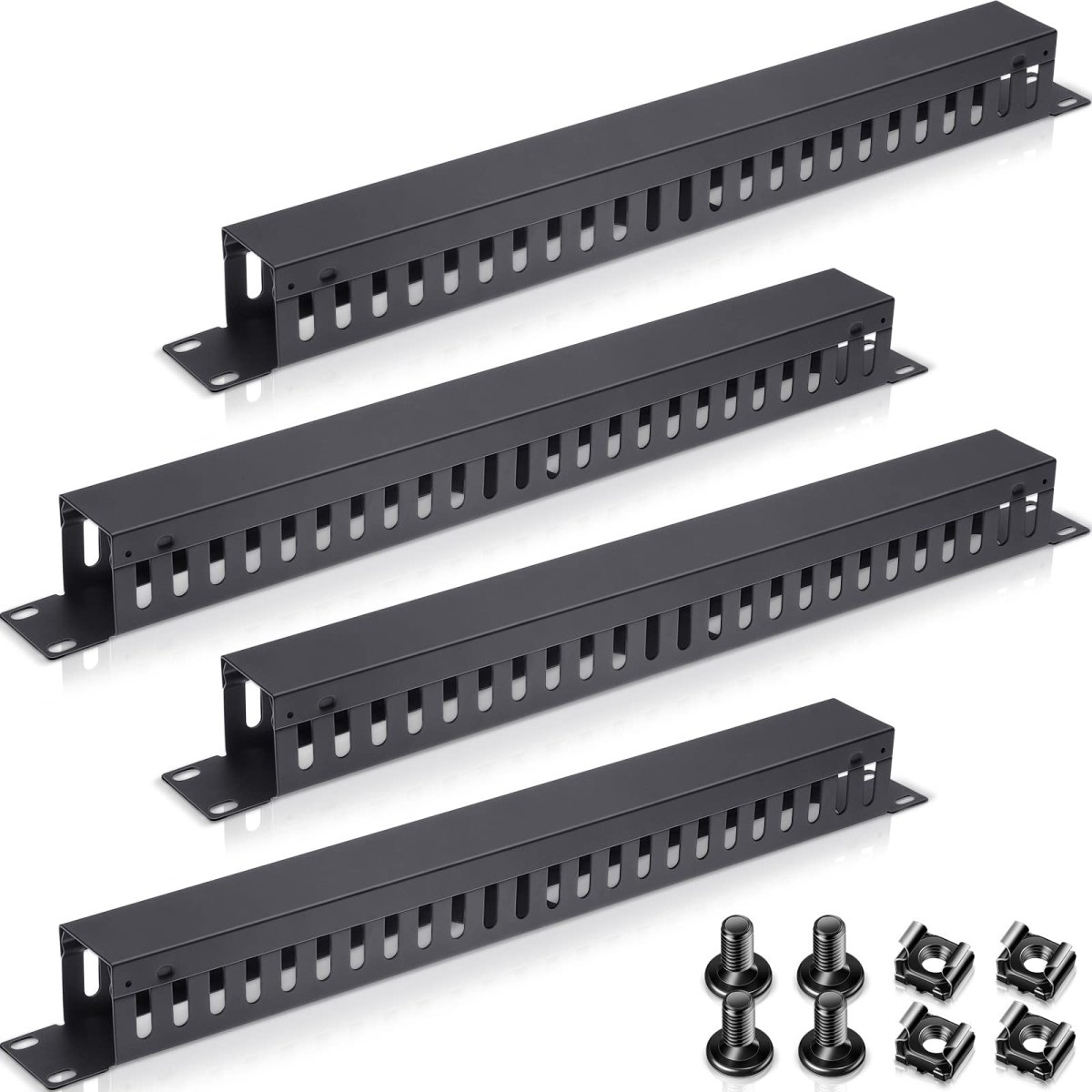
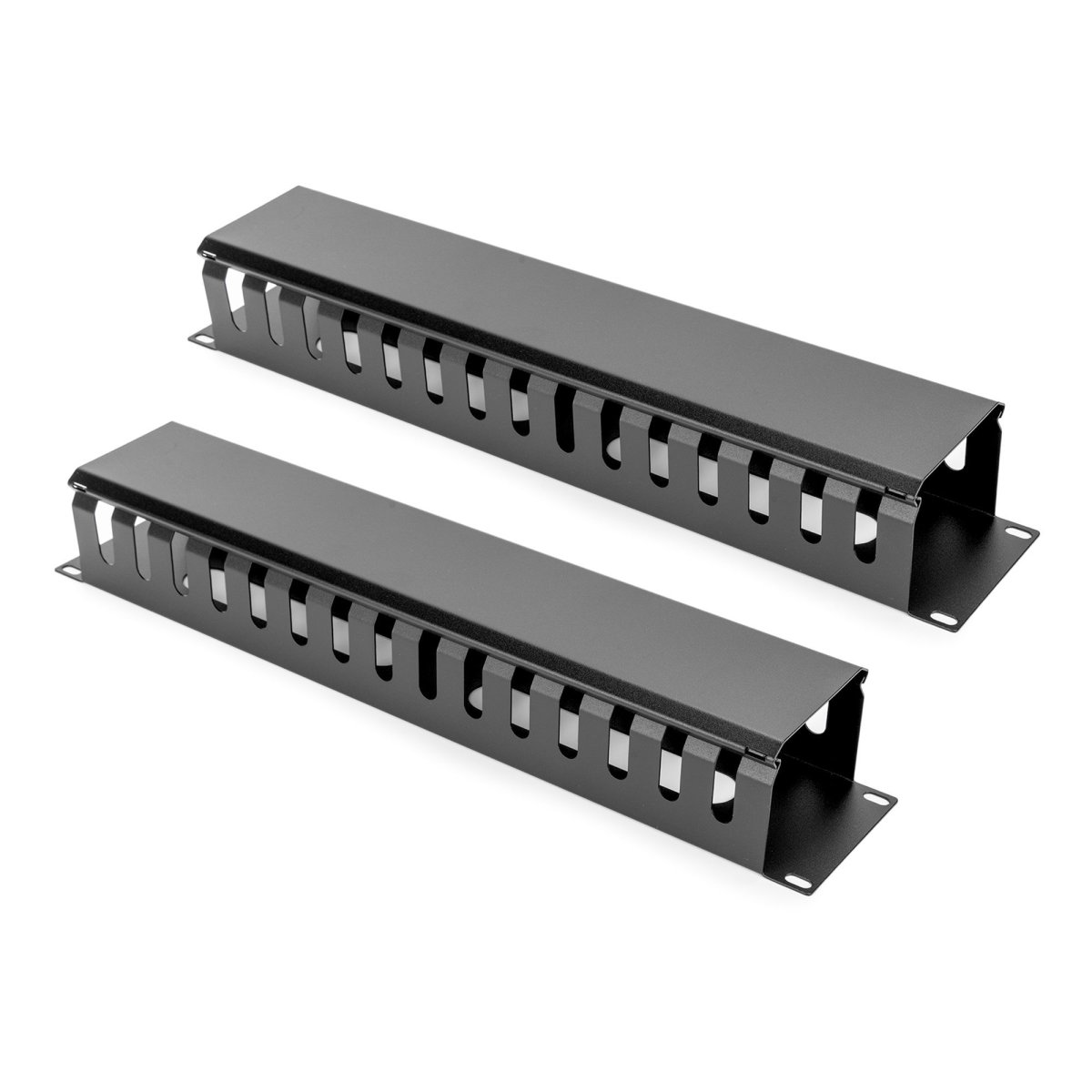
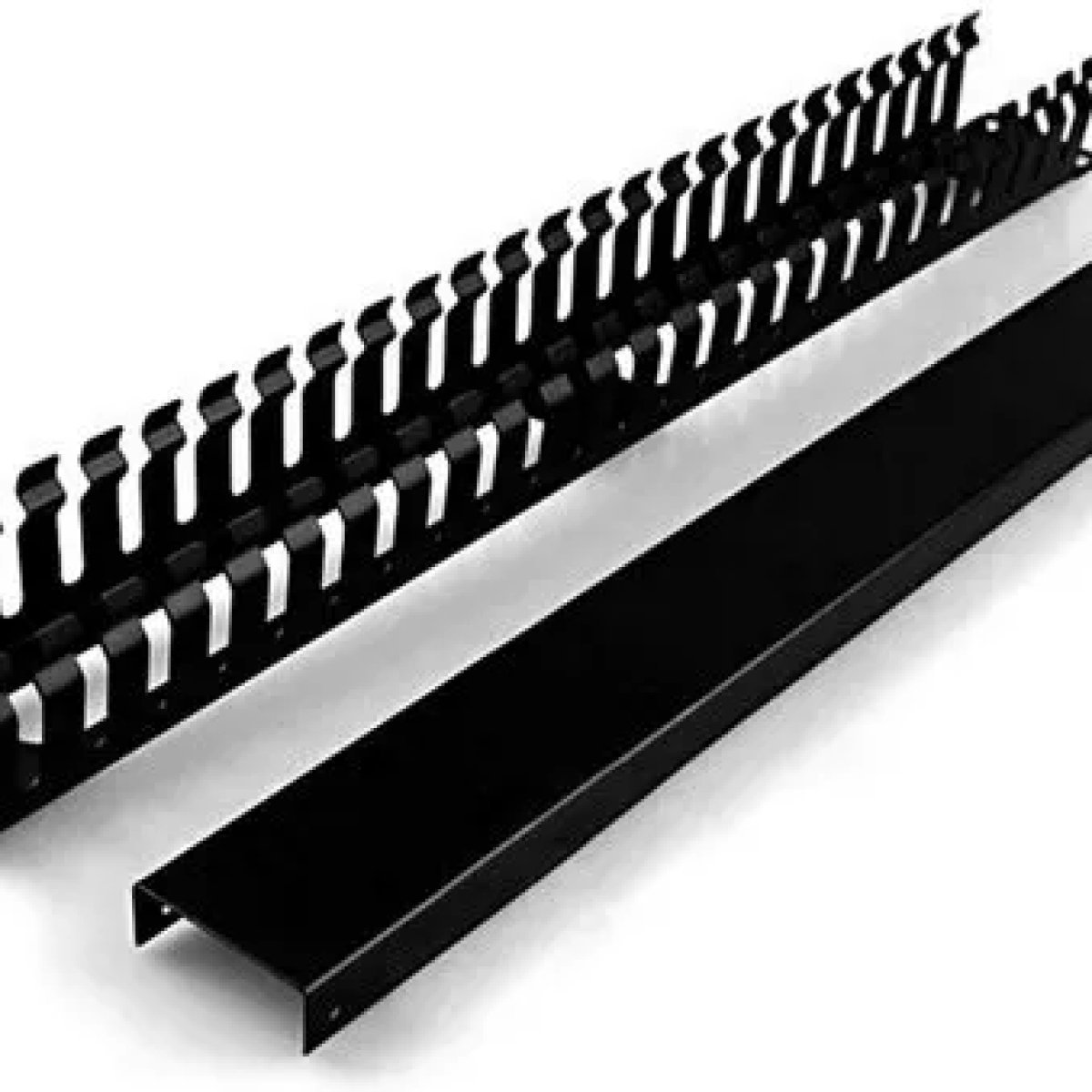
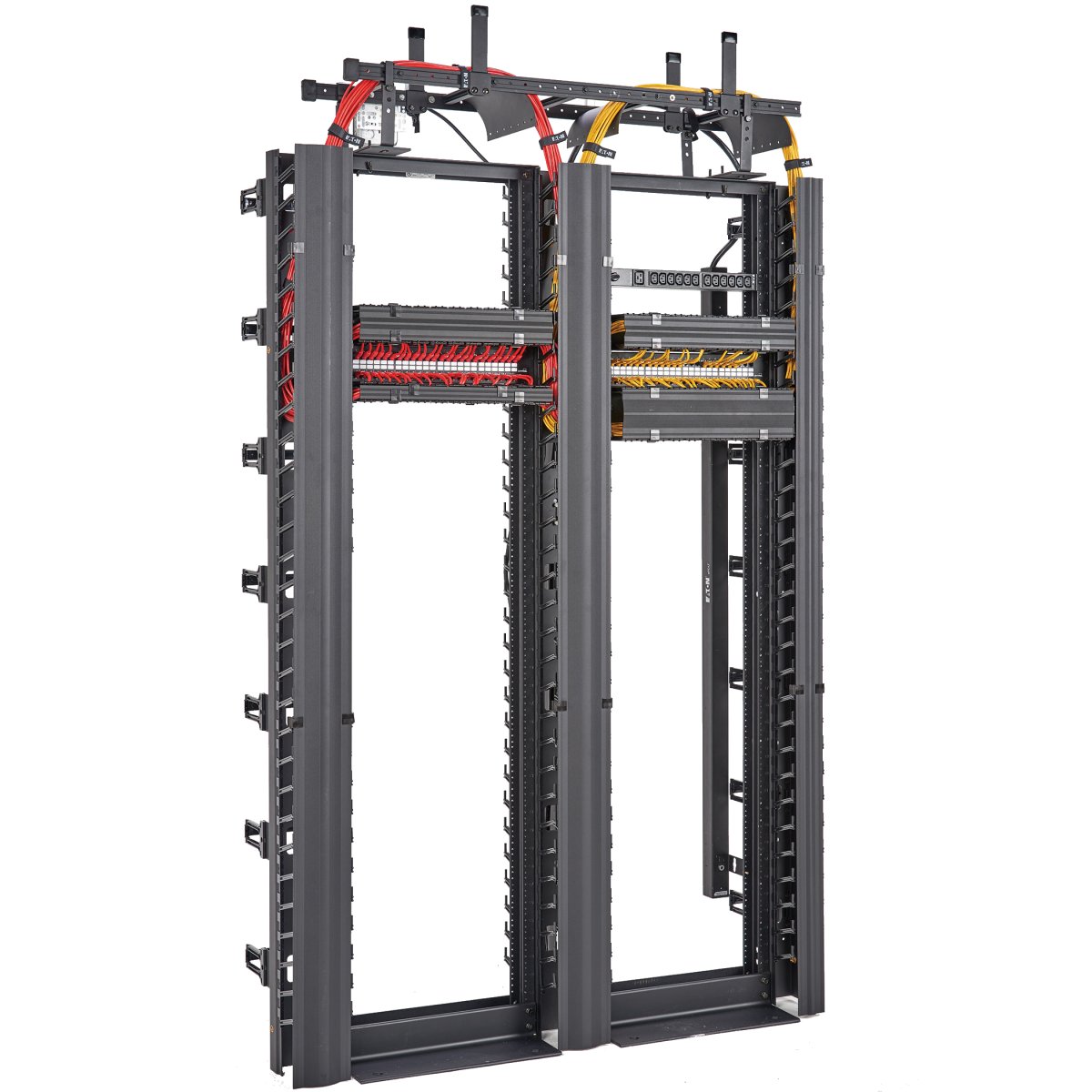
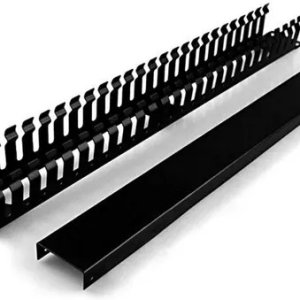
A Cable Manager is a plastic or metal panel mounted horizontally (1U/2U) or vertically in a rack to bundle and guide Ethernet and power cables. It typically features finger ducts, D-rings, or brush strips to keep cables organized and reduce strain on ports.
Professional cable management is critical for the longevity and performance of a network. Without it, heavy cable bundles can sag, putting mechanical stress on expensive switch ports and blocking the flow of cool air to servers.
RackSolutions +2
- Main Types:
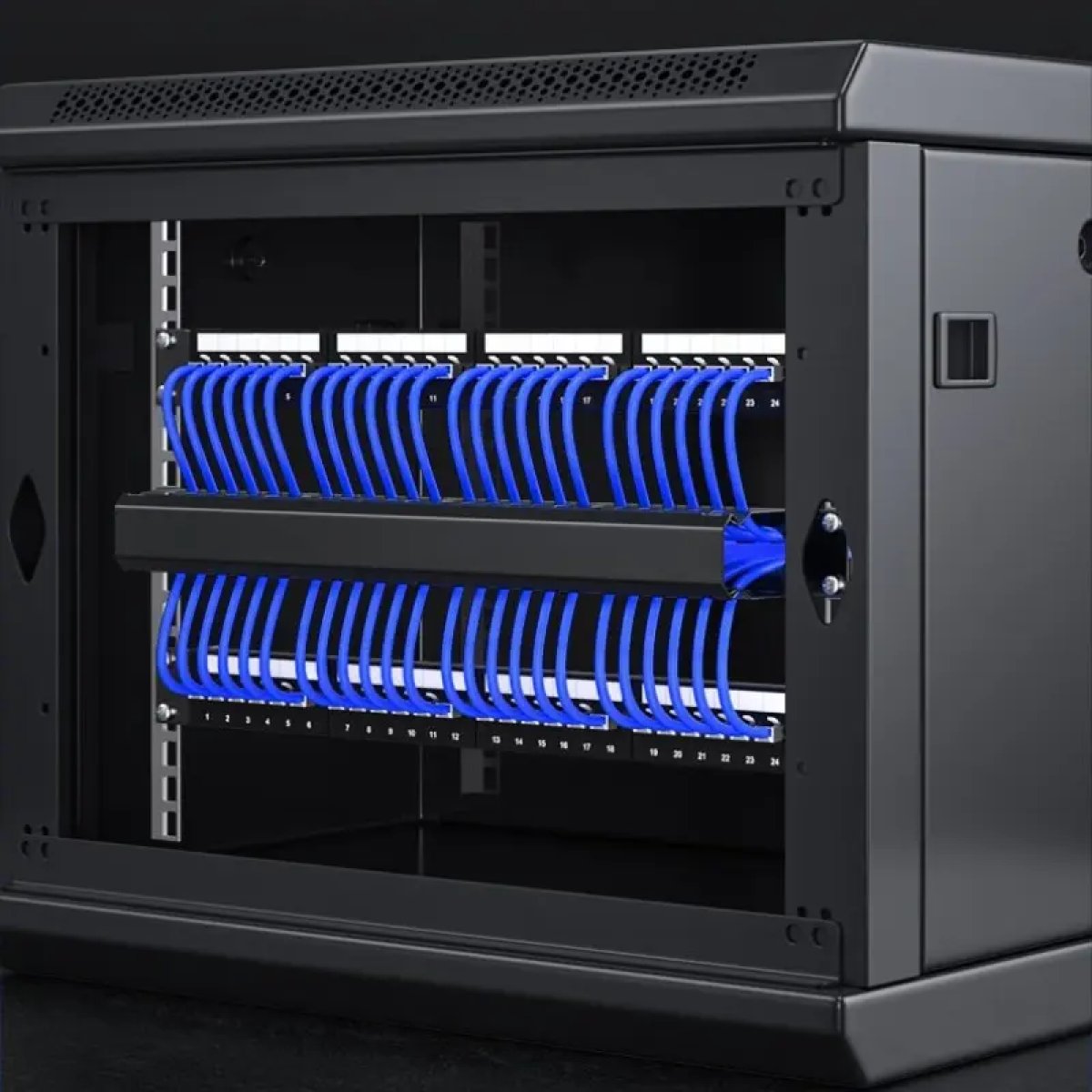
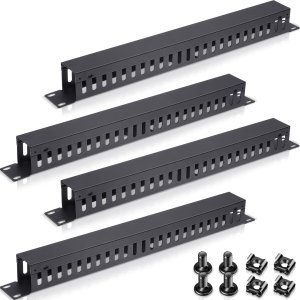
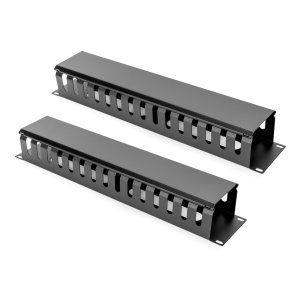
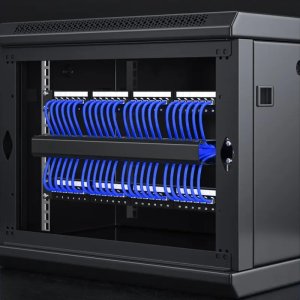
- Horizontal Cable Managers: Installed in 1U or 2U slots above/below patch panels or switches. They manage "patching" cables between devices.
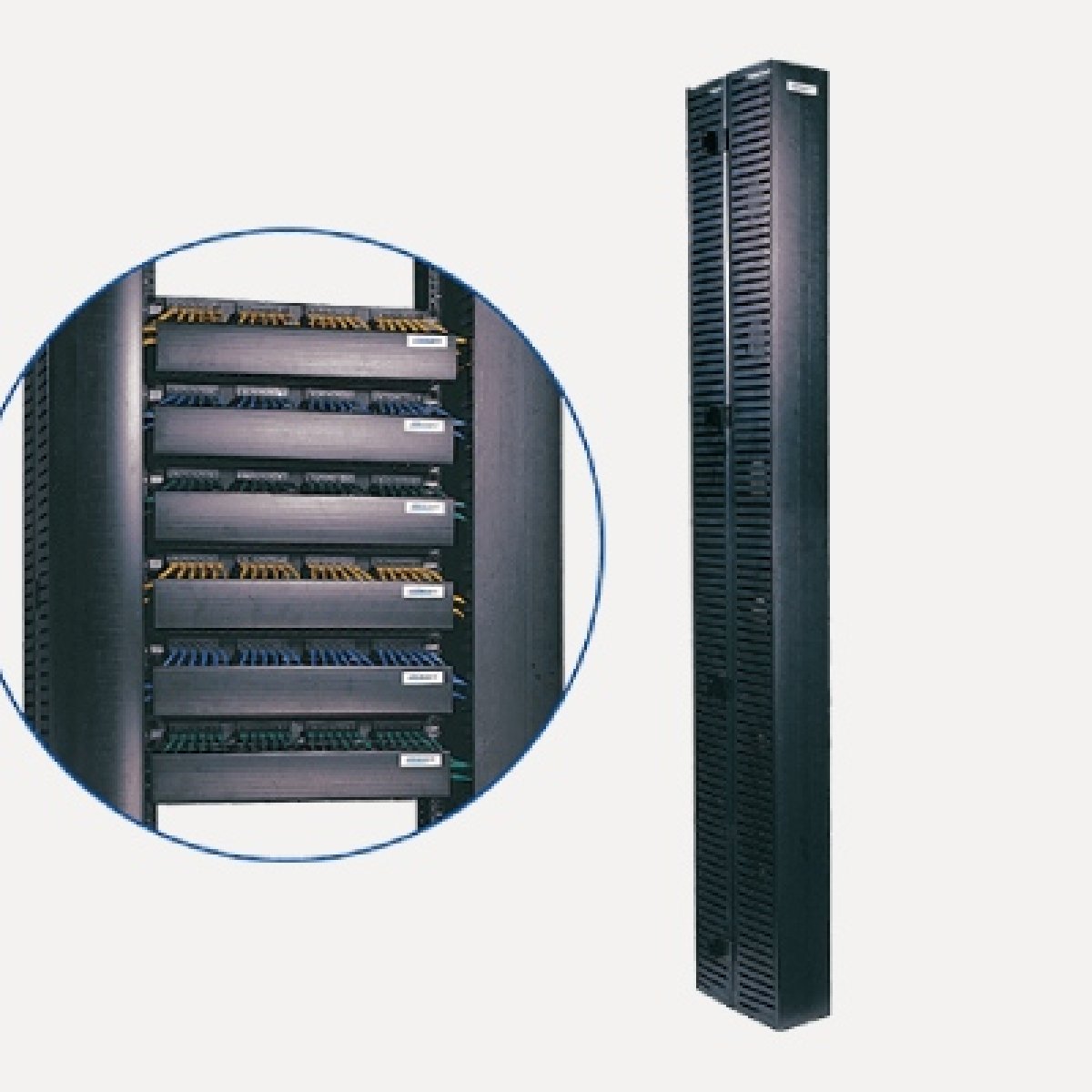
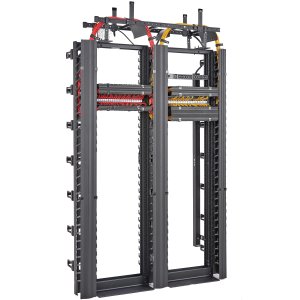
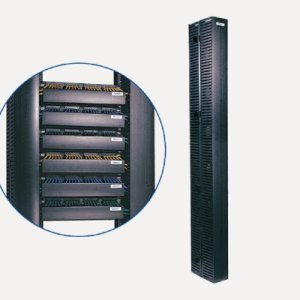
- Vertical Cable Managers: Long channels installed on the sides of a rack to carry massive bundles up or down between the top of the rack and individual devices.
- Common Design Styles:
- Finger Duct (Cover Type): Features flexible plastic "fingers" that hide cables behind a removable cover for a sleek, ultra-clean look.
- D-Ring (Open Type): Uses metal or plastic rings to hold cables. These are more accessible and allow for easier additions of new cables.
- Brush Strip: A panel with a dense brush that allows cables to pass through while blocking air from leaking out of the rack, optimizing cooling efficiency.
- Key Benefits:
- Signal Integrity: By separating power cables from data cables (Cat6/Cat6a), it reduces electromagnetic interference (EMI).
- Maintenance: Technicians can trace and replace a single faulty cable in seconds without accidentally unplugging adjacent ones.
- Safety: Prevents tripping hazards and accidental disconnections during routine maintenance.