A ventilated metal support system (typically made of stainless or galvanized steel) used for organizing and protecting multiple power or data cables across long spans
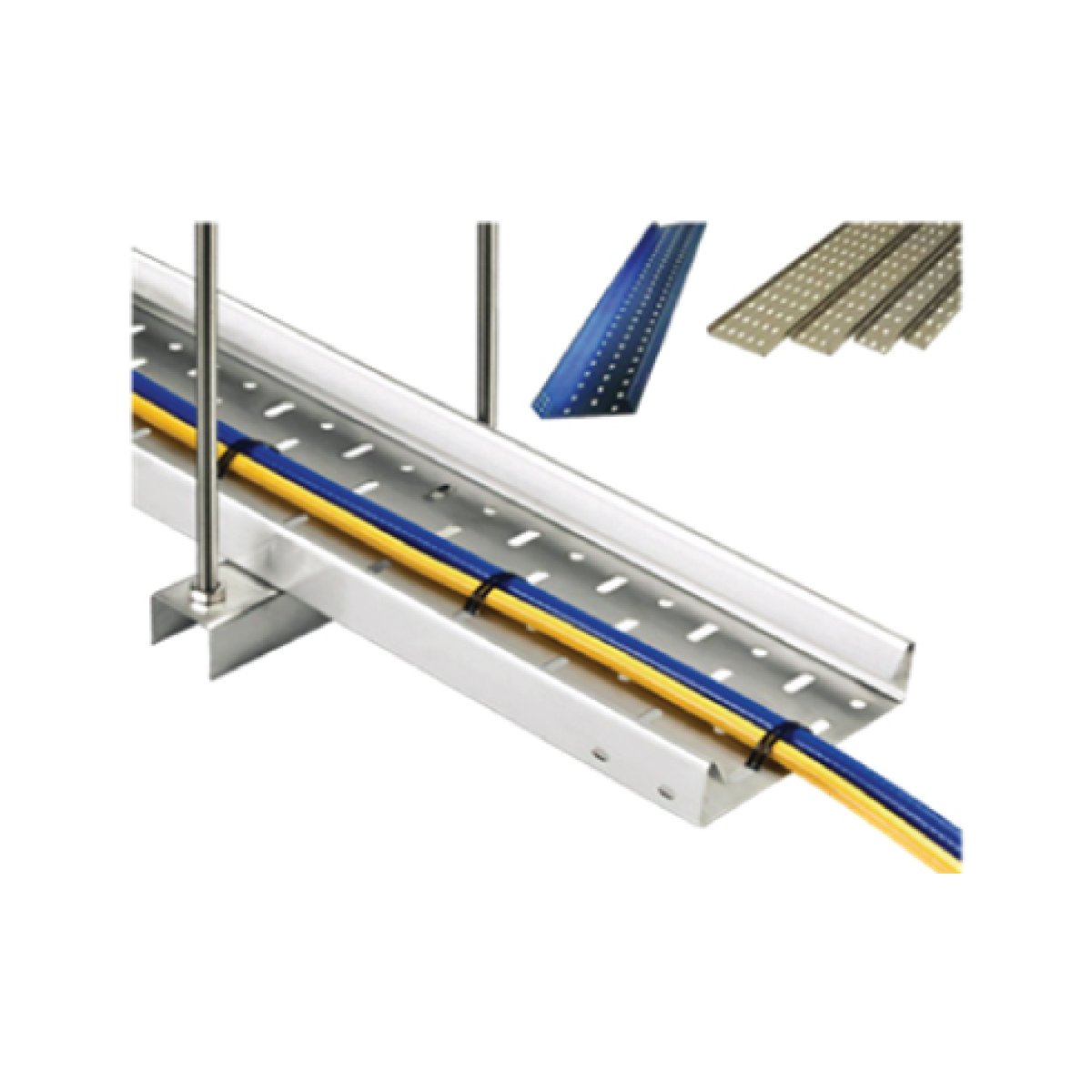
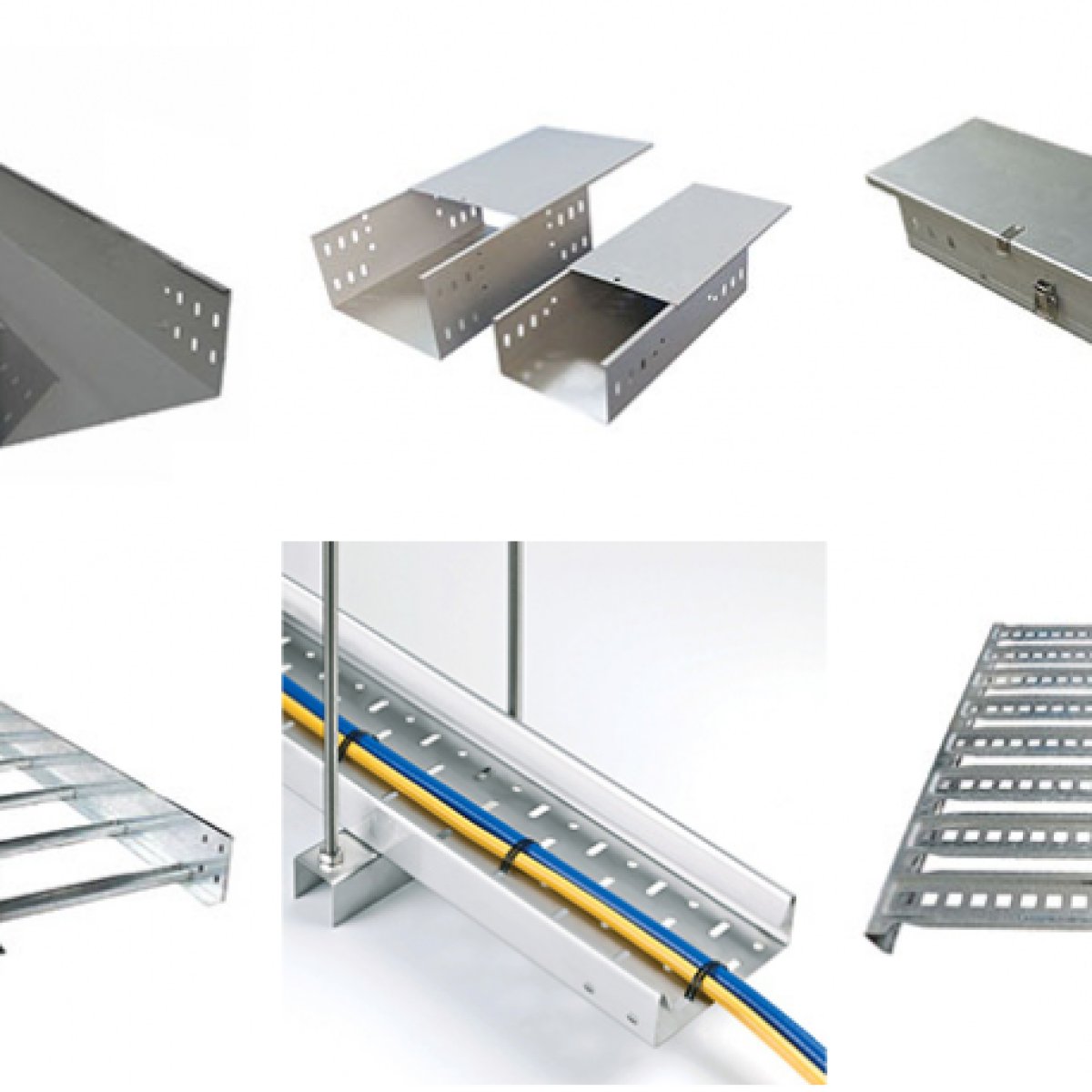
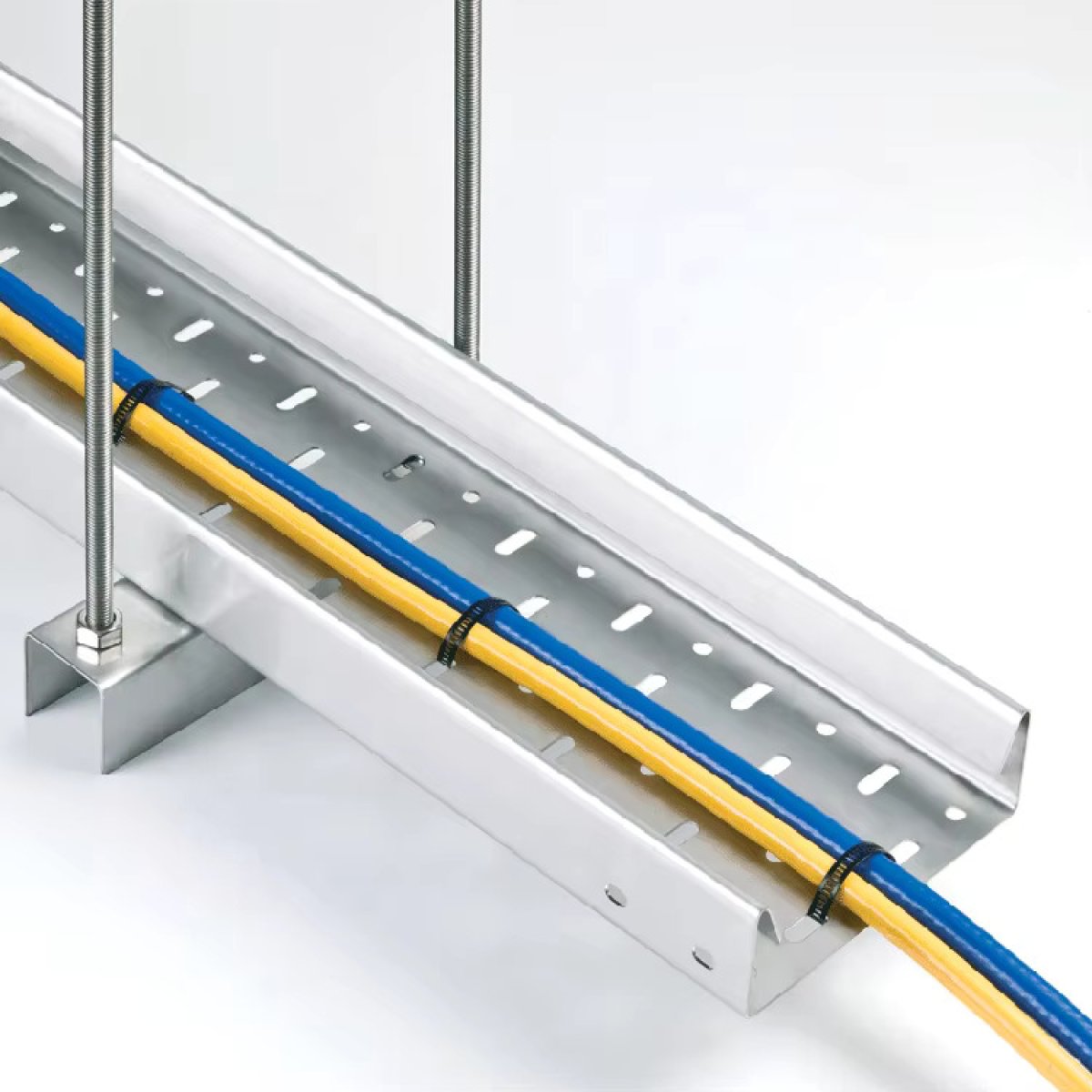
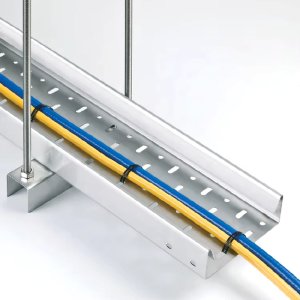
Perforated cable trays are engineered to provide reliable cable management while allowing for heat dissipation through their ventilated base. [1]
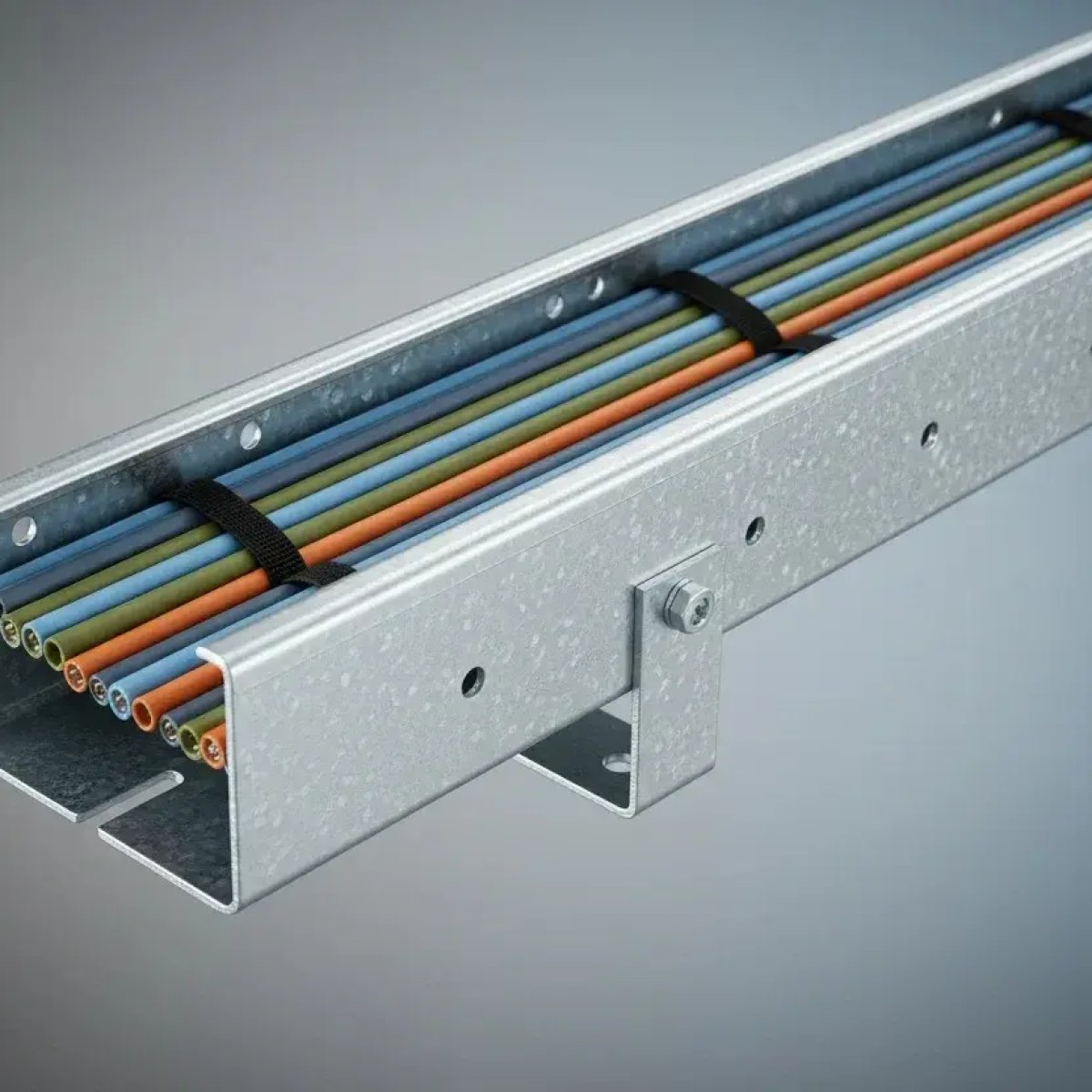
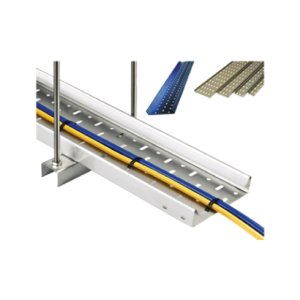
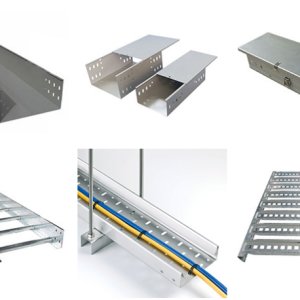
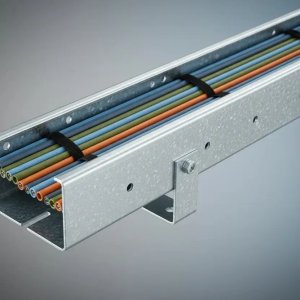
Design & Construction: They feature a "C" or "U" shaped profile with a flat bottom containing uniform holes or slots (perforations). These openings facilitate air circulation, drainage, and easy attachment of cables using cable ties.
Material Options: Common materials include Stainless Steel (SS) for corrosion resistance and Galvanized Steel (GS) for cost-effectiveness. They may also feature powder coatings or hot-dip galvanization for added durability.
Installation: Trays are typically mounted using hangers, threaded rods, or brackets to suspend them from ceilings or attach them to walls. They often come in standard lengths of 1,000–3,000mm and various widths to accommodate different cable volumes.
Key Benefits:
Safety: Protects cables from mechanical damage and organizes them to prevent tangling.
Versatility: Suitable for everything from light data cables to heavy-duty power lines.
Accessibility: Simplifies maintenance and future upgrades by keeping all wiring visible and easy to reach