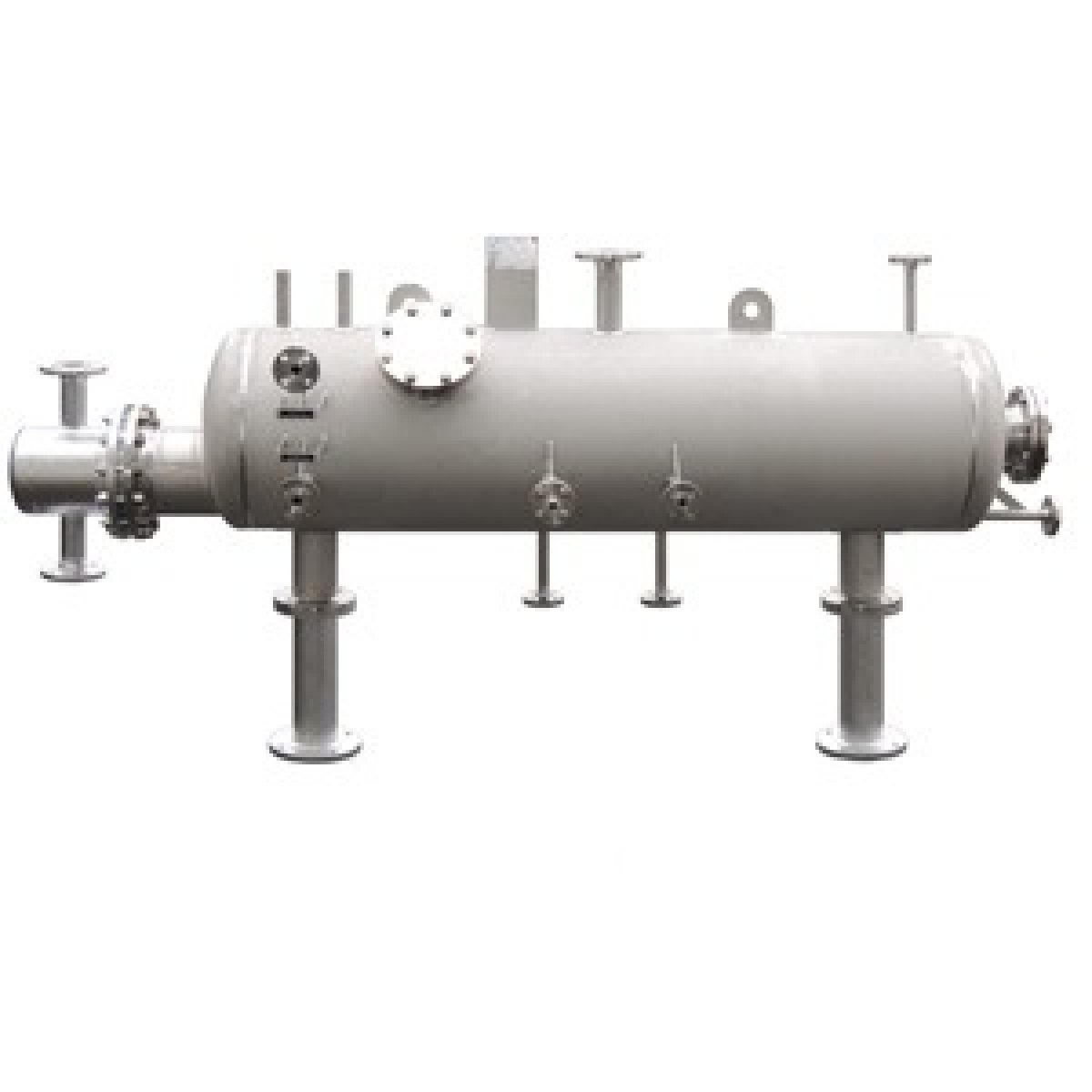
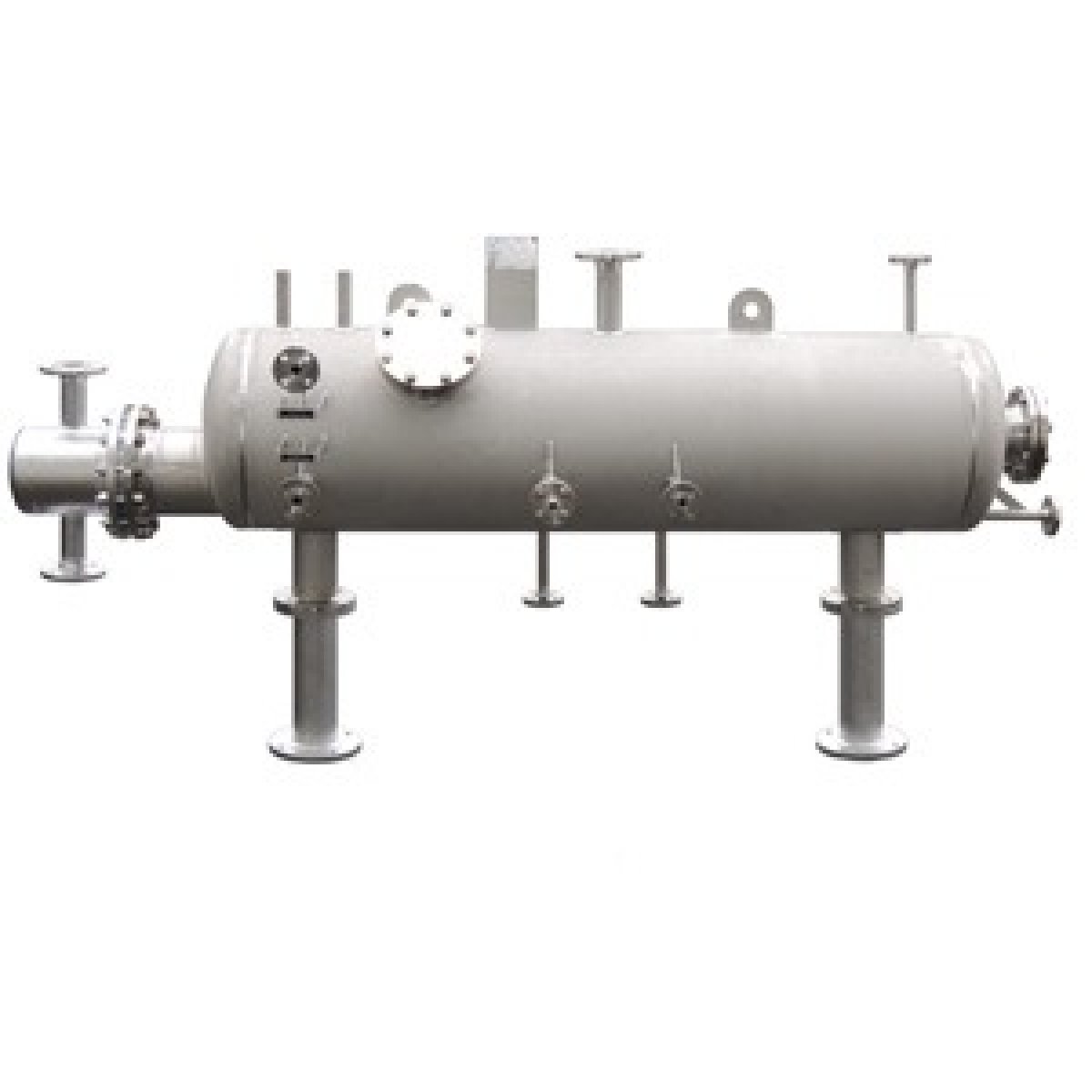
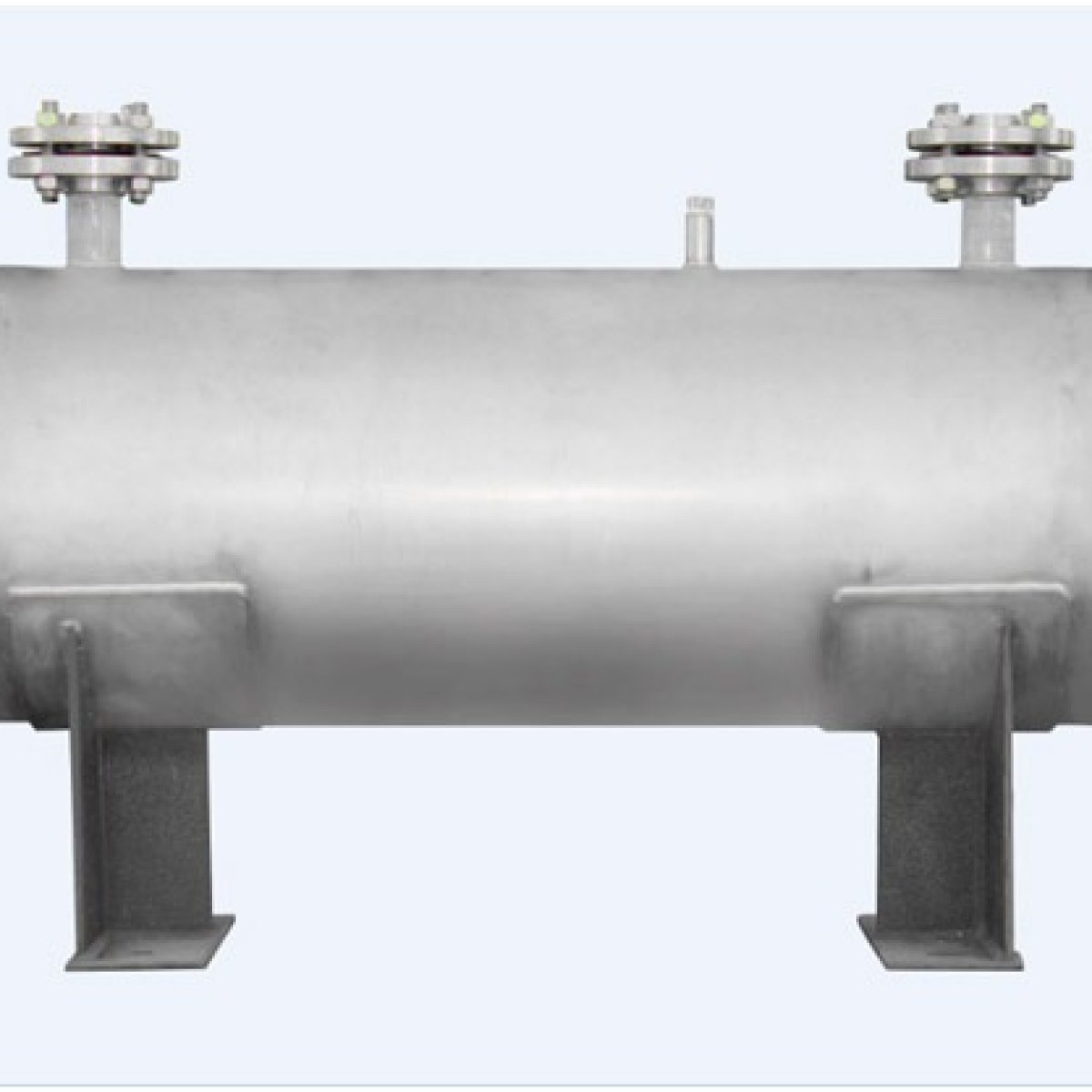
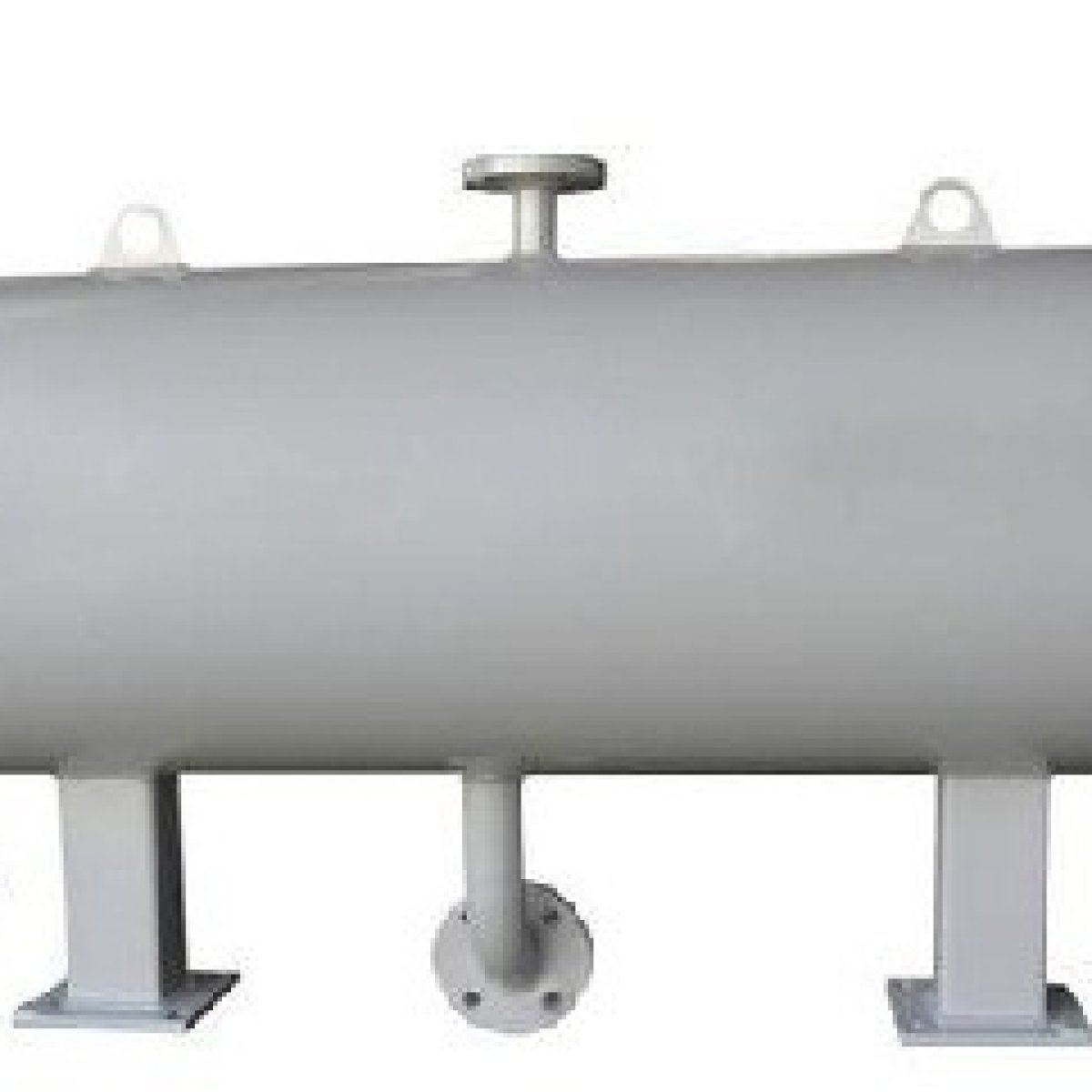
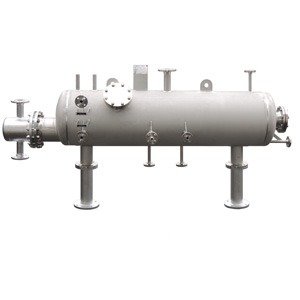
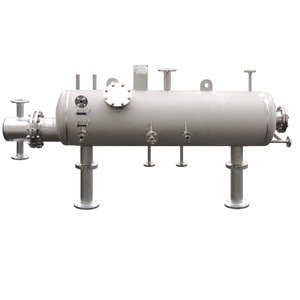
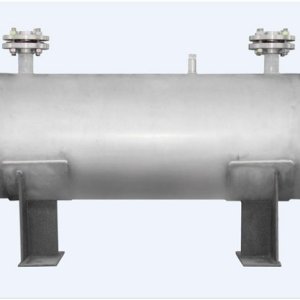
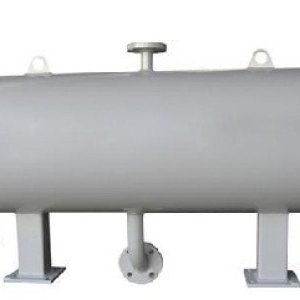
A conservator tank provides necessary space for transformer oil to expand and contract as its temperature changes due to load fluctuations and ambient conditions. By acting as a buffer, it prevents excessive pressure buildup that could rupture the main tank and ensures the main tank remains completely filled with oil at all times.
The reliability of a transformer depends heavily on the conservator tank’s ability to manage oil volume while preventing environmental contamination.
- Working Mechanism:
- Expansion: When the transformer is heavily loaded, the oil heats up and expands. The excess oil flows through a connecting pipe into the conservator tank.
- Contraction: When the load decreases or the transformer cools, the oil contracts and flows back into the main tank, maintaining a constant oil level around the core and windings.
- Key Sealing Types:
- Atmospheric (Open): The simplest type where oil is directly exposed to air via a breather. It is now mostly used for smaller or older units.
- Atmoseal (Air Cell/Bladder): A flexible rubber bladder (air cell) is placed inside the tank. The oil stays outside the bag, while air from the breather fills the inside. This prevents any direct contact between air and oil, drastically reducing oxidation.
- Diaphragm Type: Uses a flexible membrane to separate the oil from the air space, providing a similar protective barrier to the air cell.
- Essential Components:
- Connecting Pipe: Projecting slightly into the conservator to prevent sludge and sediment from settling back into the main tank.
- Oil Level Gauge: Typically a Magnetic Oil Level Indicator (MOLI) used for visual monitoring and triggering low-oil alarms.
- Dehydrating Breather: Connected to the air space of the conservator to ensure any air drawn in is dry and clean.