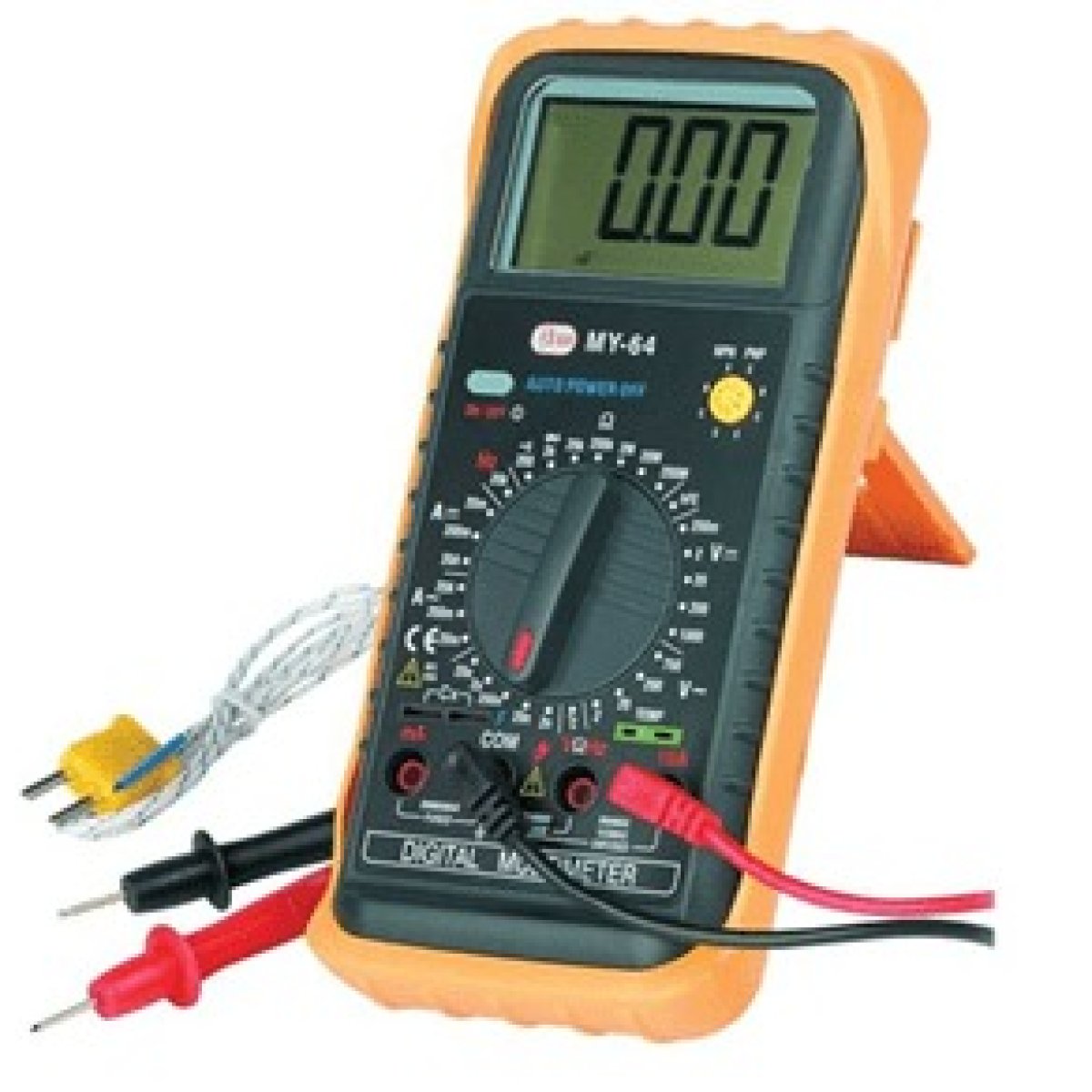
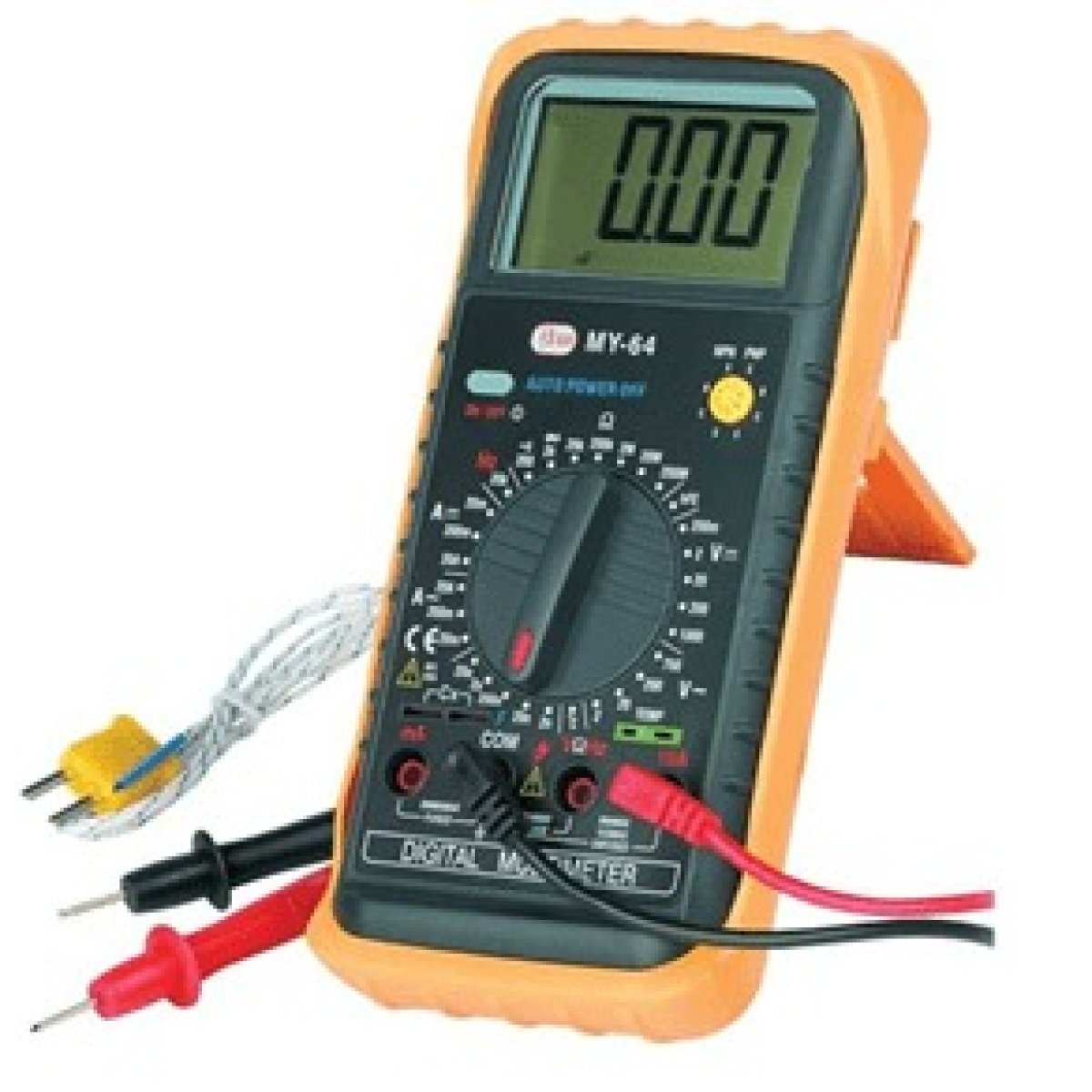
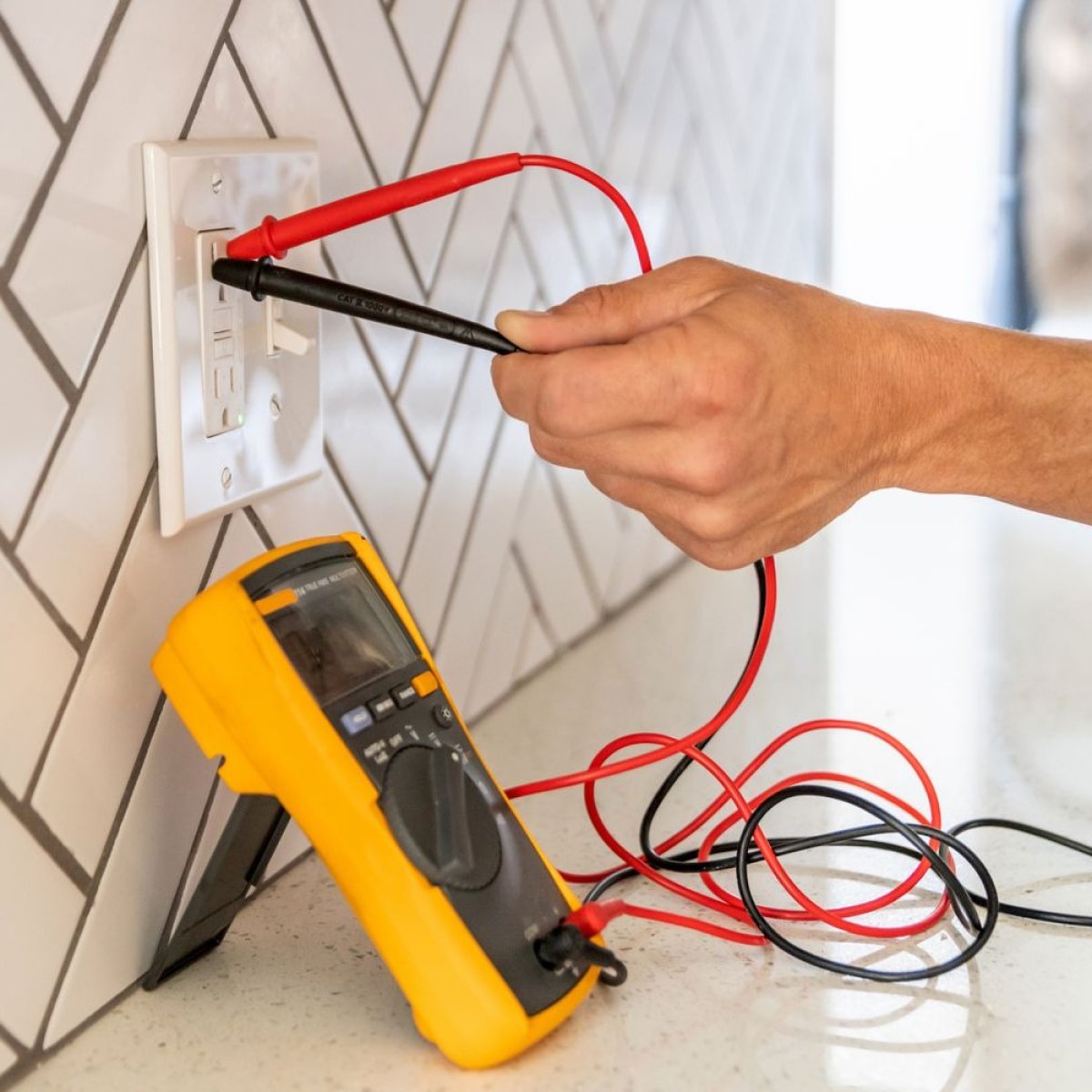
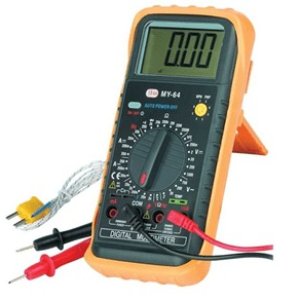
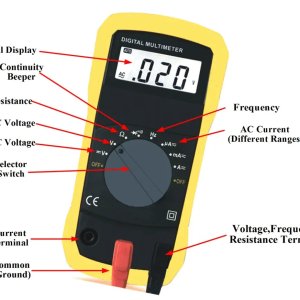
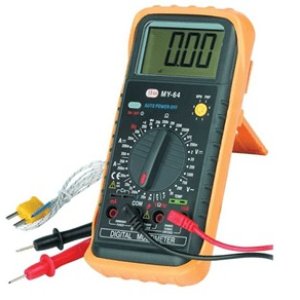
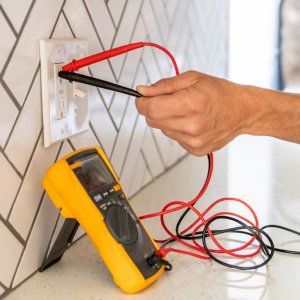
A DMM is an essential instrument for electrical troubleshooting and maintenance. It features a digital display to show measurements for AC/DC voltage, current, and resistance. Modern units often include specialized functions like capacitance testing, diode checking, and continuity alerts, making them indispensable for everything from simple home repairs to complex industrial diagnostics
How a Digital Multimeter Works
The tool operates by converting analog electrical signals into digital data for display.
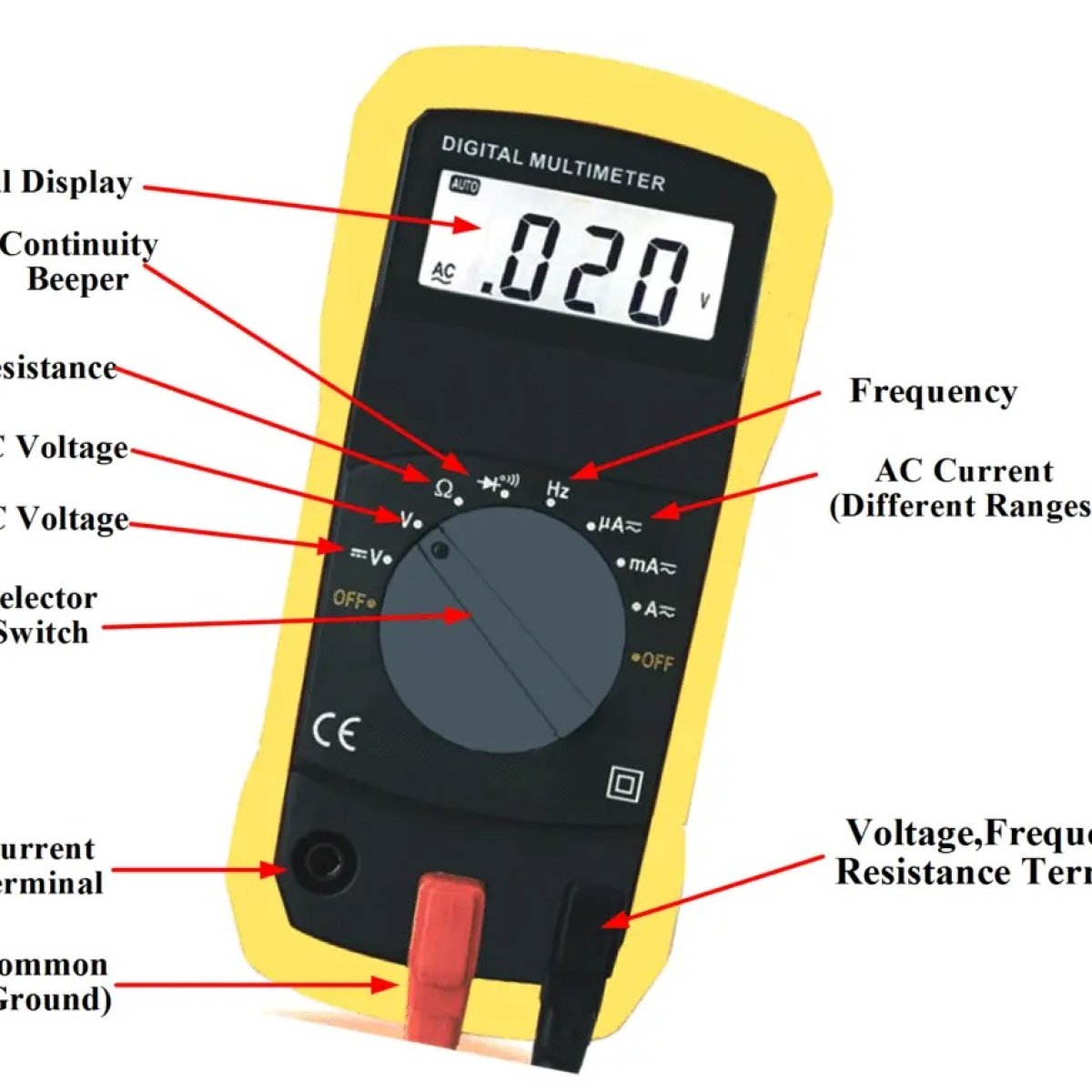
- Measurement Selection: You use a rotary dial or switch to choose the specific parameter (like Volts or Ohms) and range you wish to test.
- Connection: Two test leads (typically red for positive and black for common/negative) are plugged into specific jacks on the meter and then touched to the component or circuit being measured.
- Data Conversion: An internal analog-to-digital converter (ADC) processes the electrical signal, and the resulting value is shown on the backlit LCD screen for clear reading even in low light.
- Safety Features: Professional models include overload protection to safeguard the device from damage caused by excessive input
Long Description
Digital multimeters are engineered for precision and ease of use in a wide variety of environments.
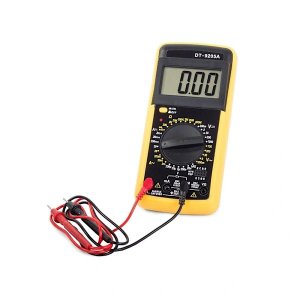
Handheld models like the
UNI-T UT33B+ or
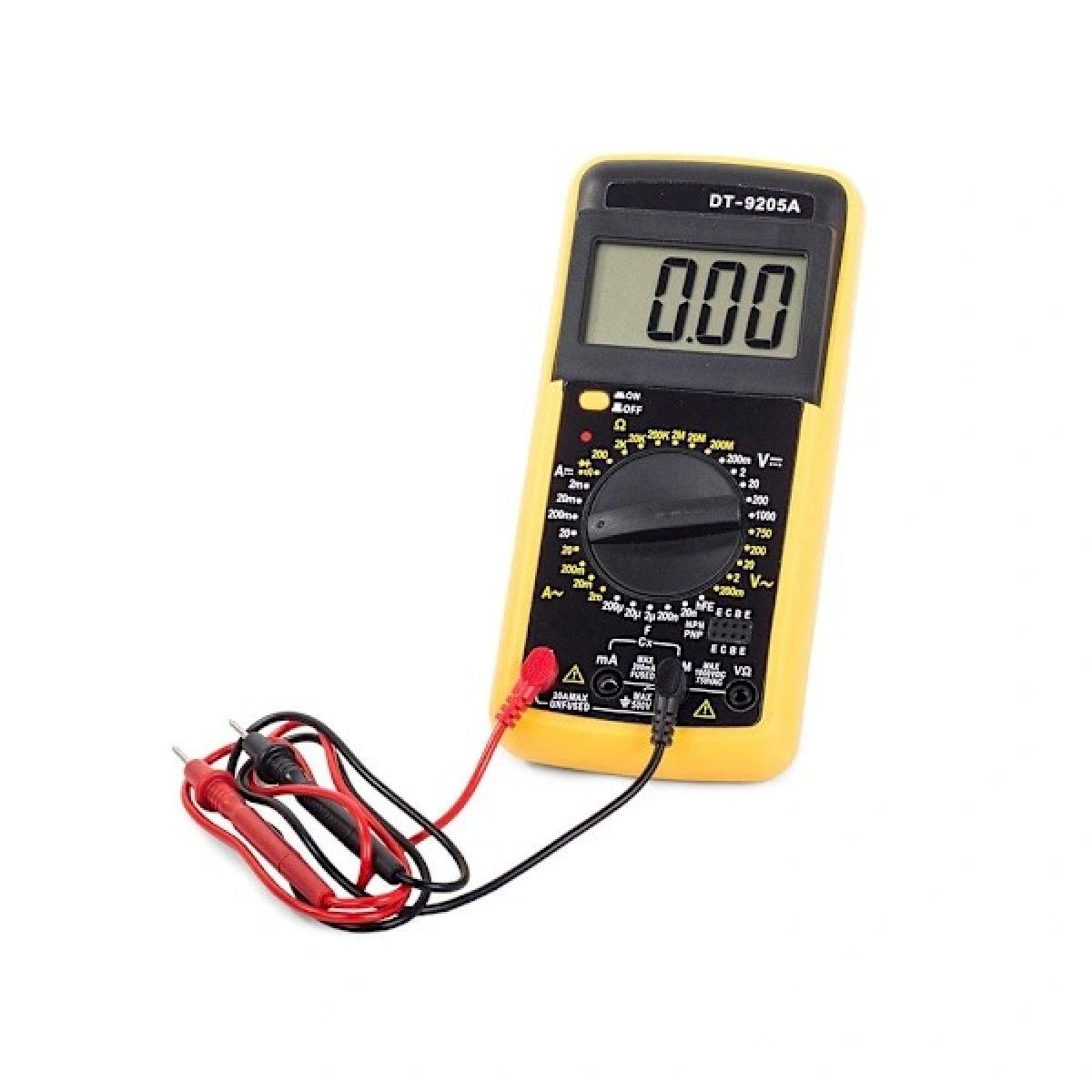
DT9205A are favored for their portability and rugged design, which is often enhanced with a protective outer casing. [
1]
Advanced versions may offer auto-ranging, which automatically selects the best measurement scale, and True-RMS for accurate readings of non-sinusoidal AC waves. For laboratory settings, benchtop models provide higher resolution (higher "counts") and increased accuracy for critical engineering tasks. Standard features like Data Hold allow you to freeze a reading on the screen for easy reference, while Auto Power Off helps conserve battery life