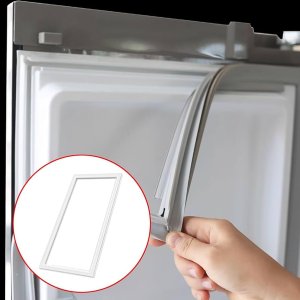
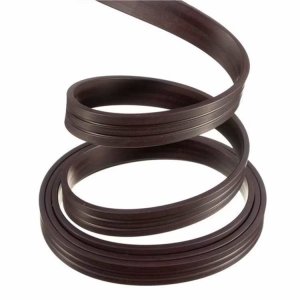
1. Primary Function: The Thermal Barrier
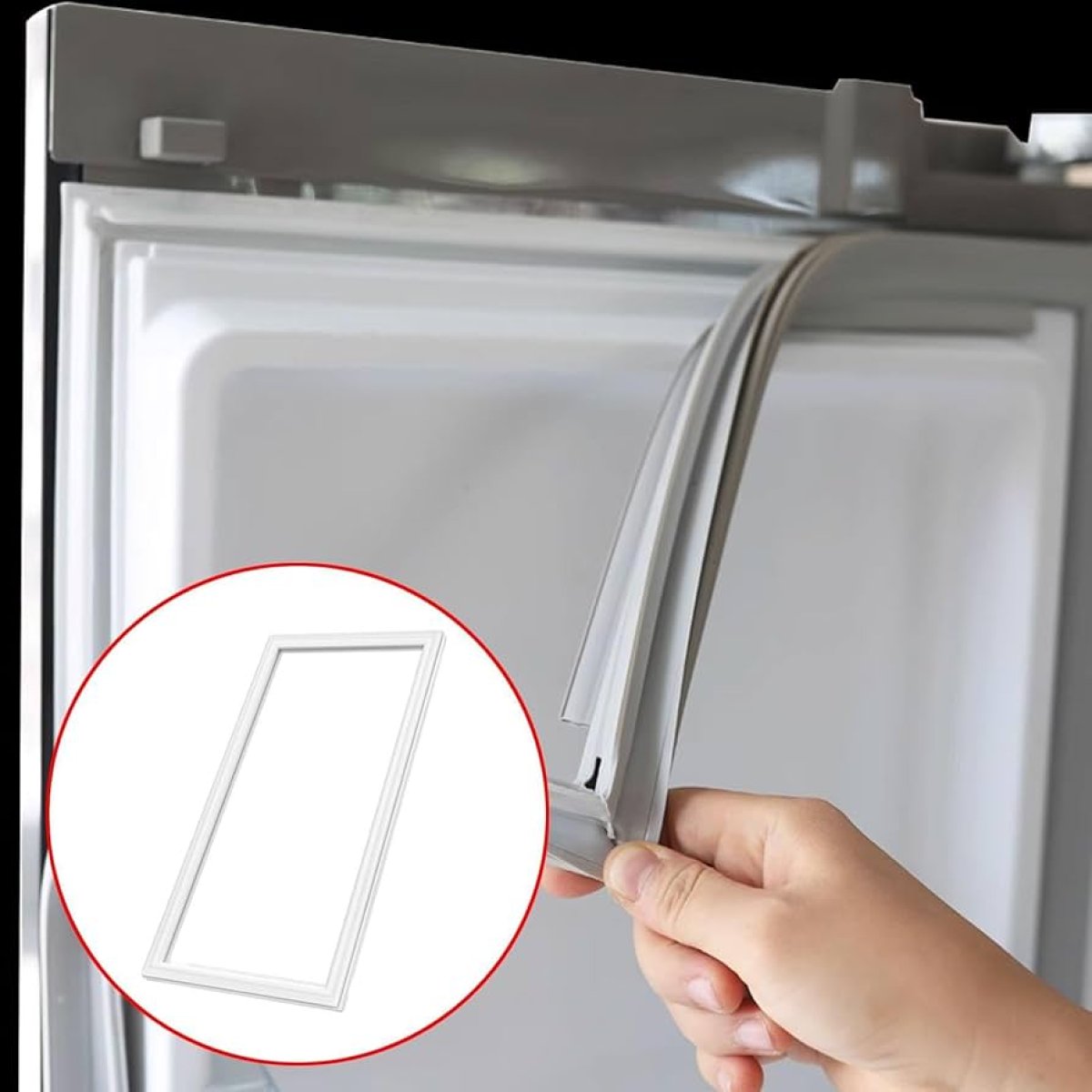
- Air-Tight Seal: The gasket creates a vacuum-like seal that prevents cold air from escaping and warm, humid air from entering the cabinet.
- Energy Savings: By maintaining a consistent internal temperature, it reduces the workload on the compressor, lowering your electricity bills.
- Moisture Control: It prevents humidity from entering, which reduces frost buildup on the evaporator coils and keeps food fresh longer.
2. Physical Design
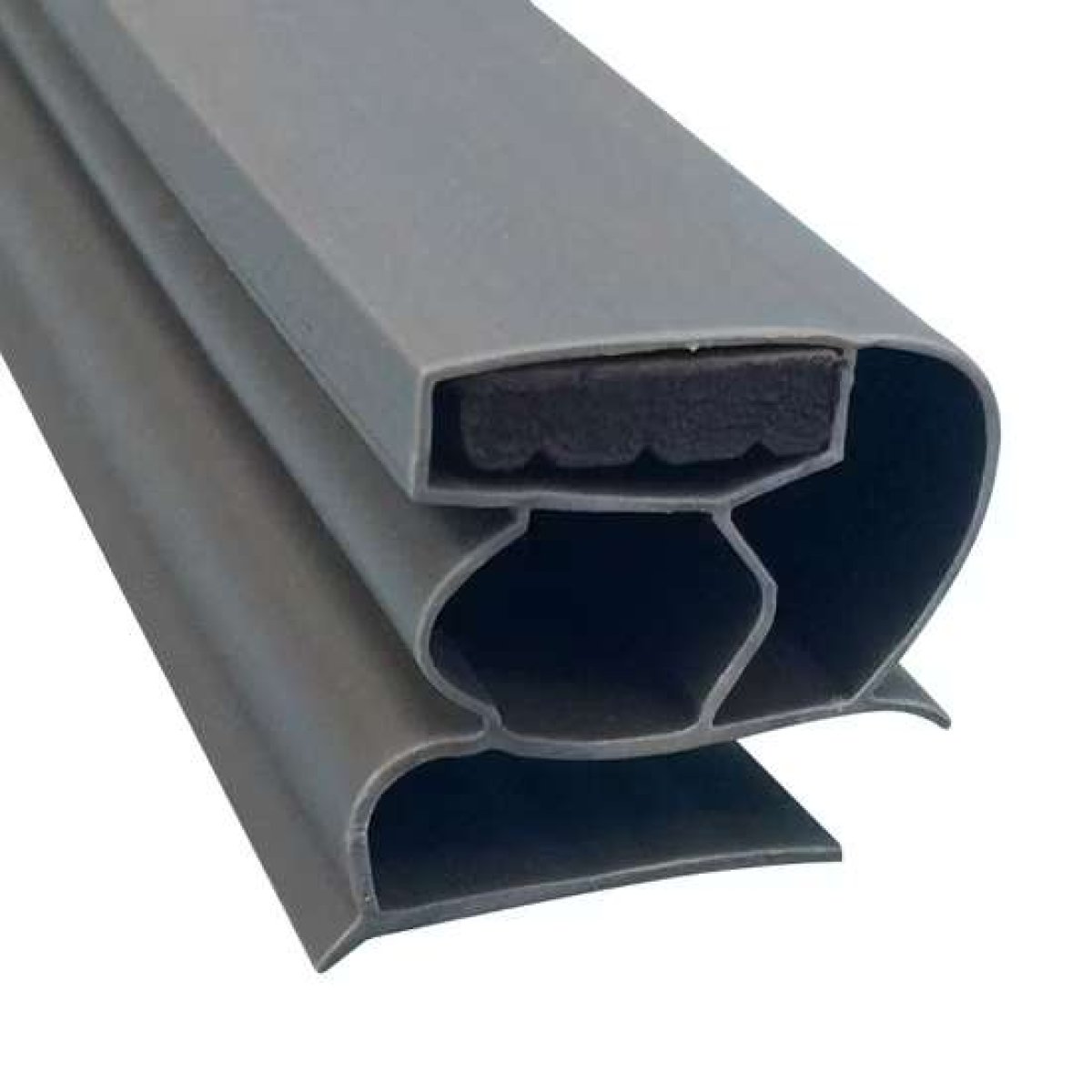
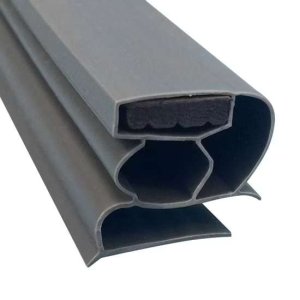
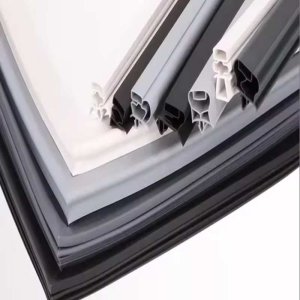
- Material: Made of high-quality, food-grade synthetic rubber or vinyl.
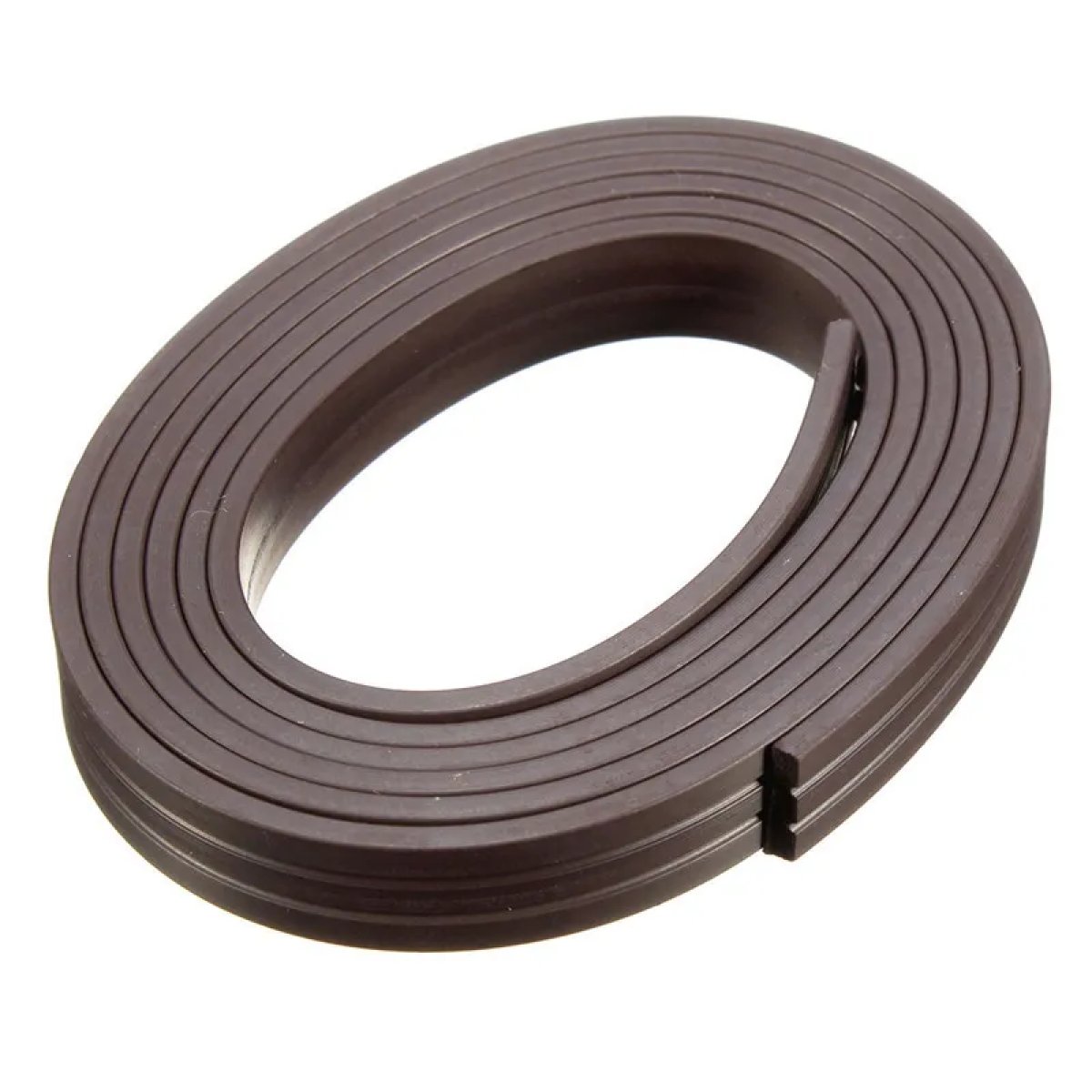
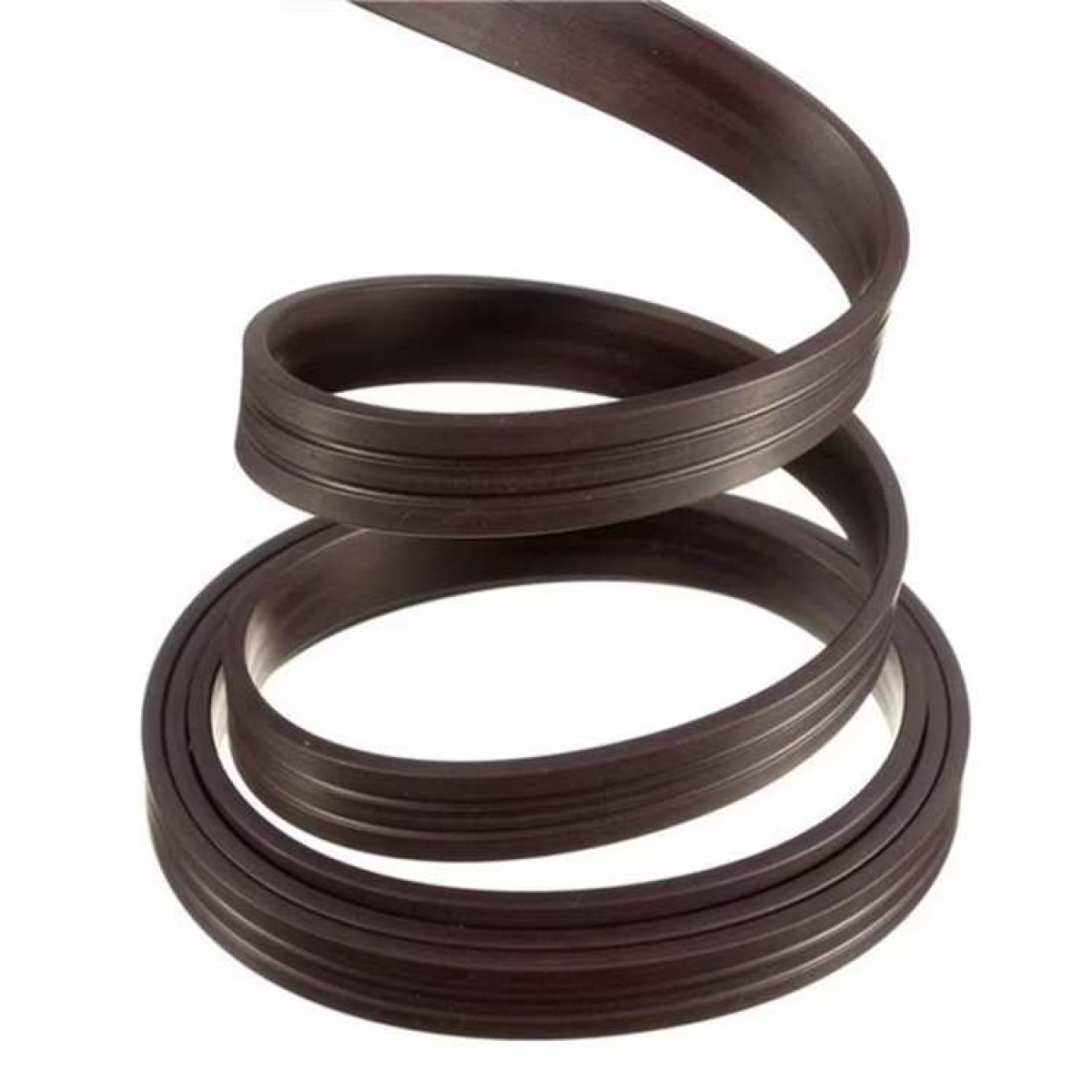
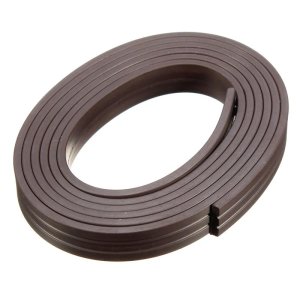
- Magnetic Strip: Modern gaskets contain a thin magnetic strip inside the rubber folds. This ensures the door "snaps" shut and stays firmly closed against the metal frame of the refrigerator.
3. Signs of a Failing Gasket
If the gasket is cracked, hard, or peeling, you may notice:
- Condensation: Water droplets forming on the outside frame or inside the shelves.
- Heavy Frost: A thick layer of "snow" in the freezer, even in frost-free models.
- The "Paper Test" Failure: If you can easily slide a piece of paper or a banknote through the closed door seal, the gasket is too loose.
4. Maintenance & Easy Fixes
- Cleaning: Wipe the folds with warm, soapy water every few months to remove spilled syrups or crumbs that can cause the rubber to tear.
- Lubrication: A very thin layer of Vaseline (petroleum jelly) on the hinge side can prevent the gasket from folding over itself or sticking too hard.
- Heat Treatment: If a new gasket has a small gap, you can often "shape" it back into place using a hairdryer on a low heat setting to soften the rubber.