
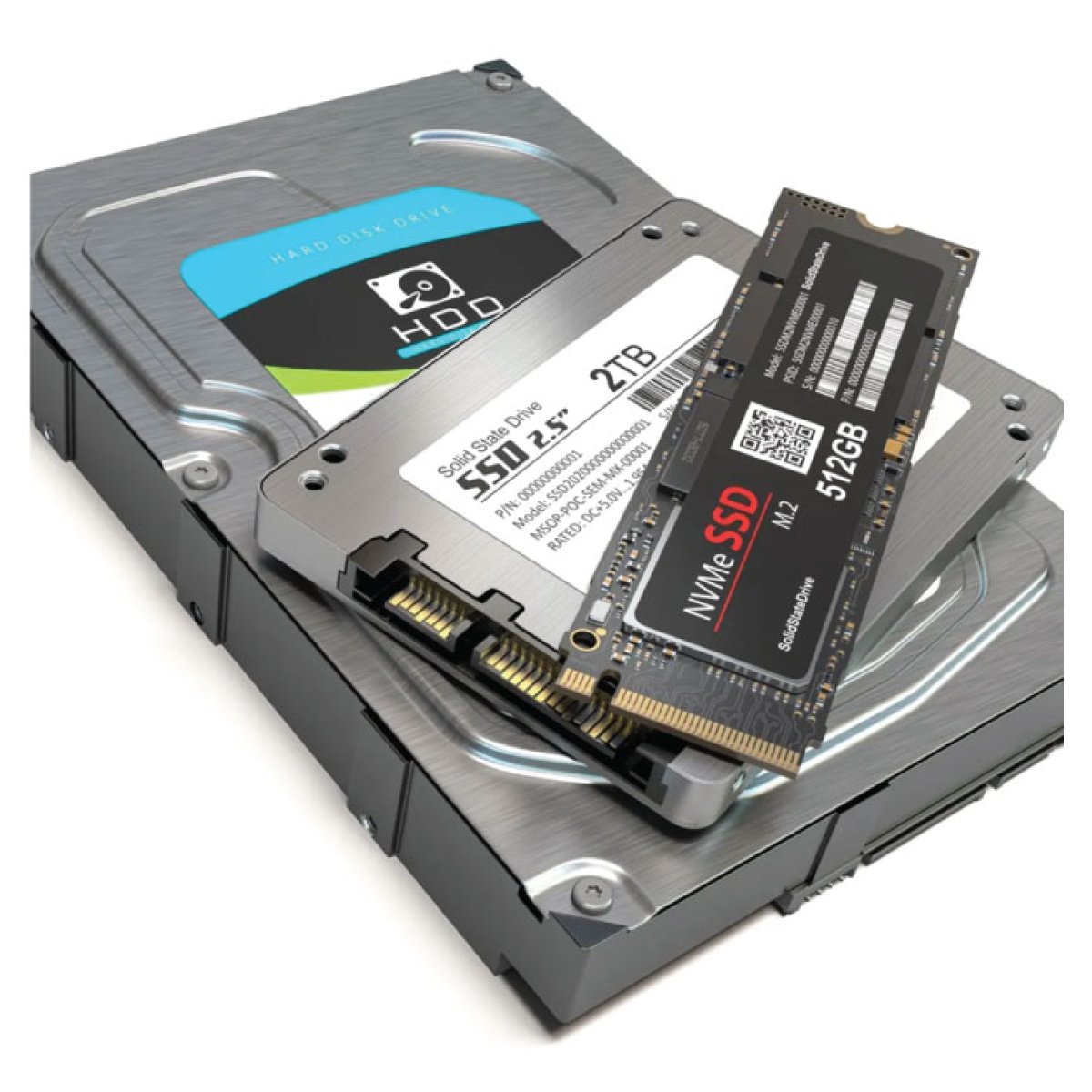
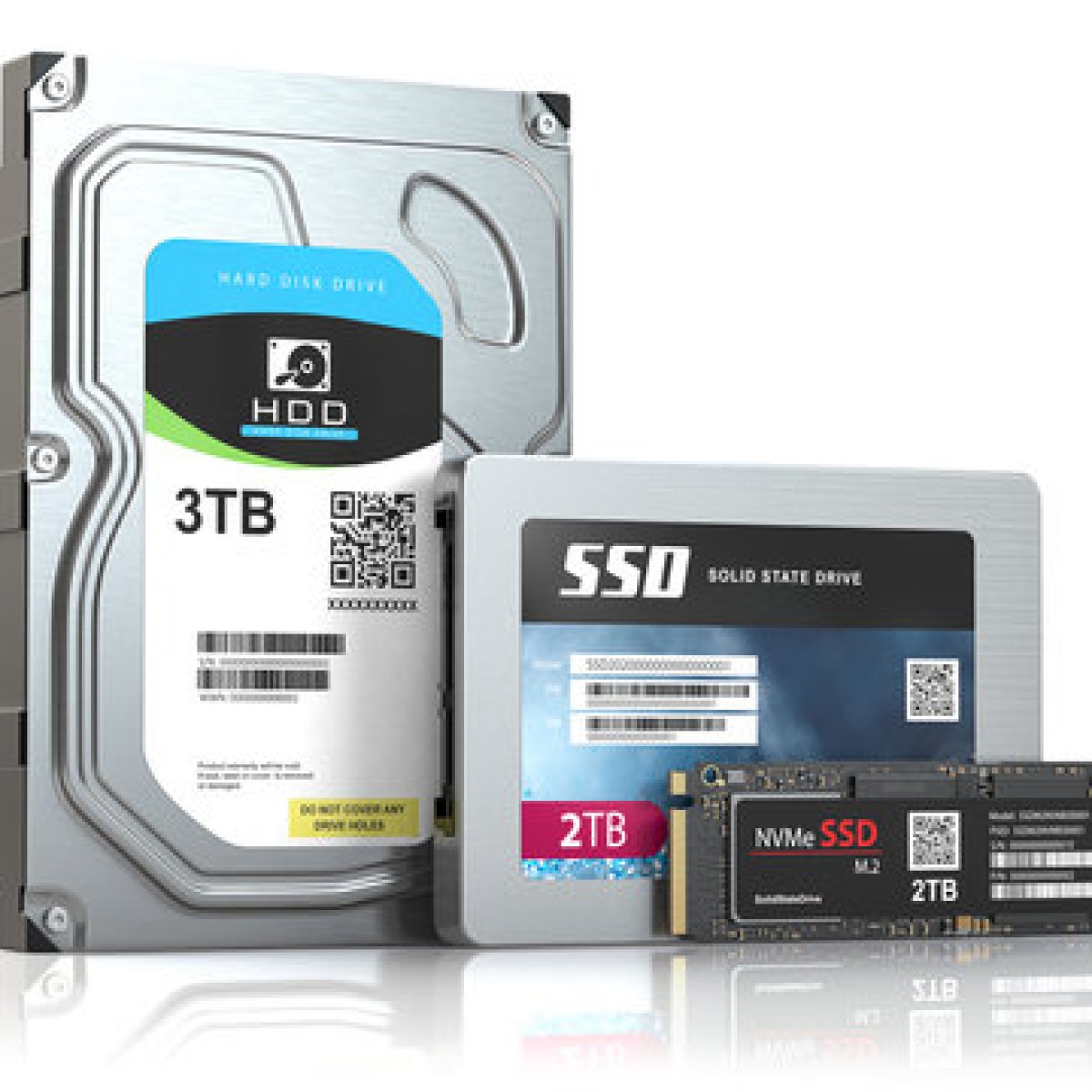
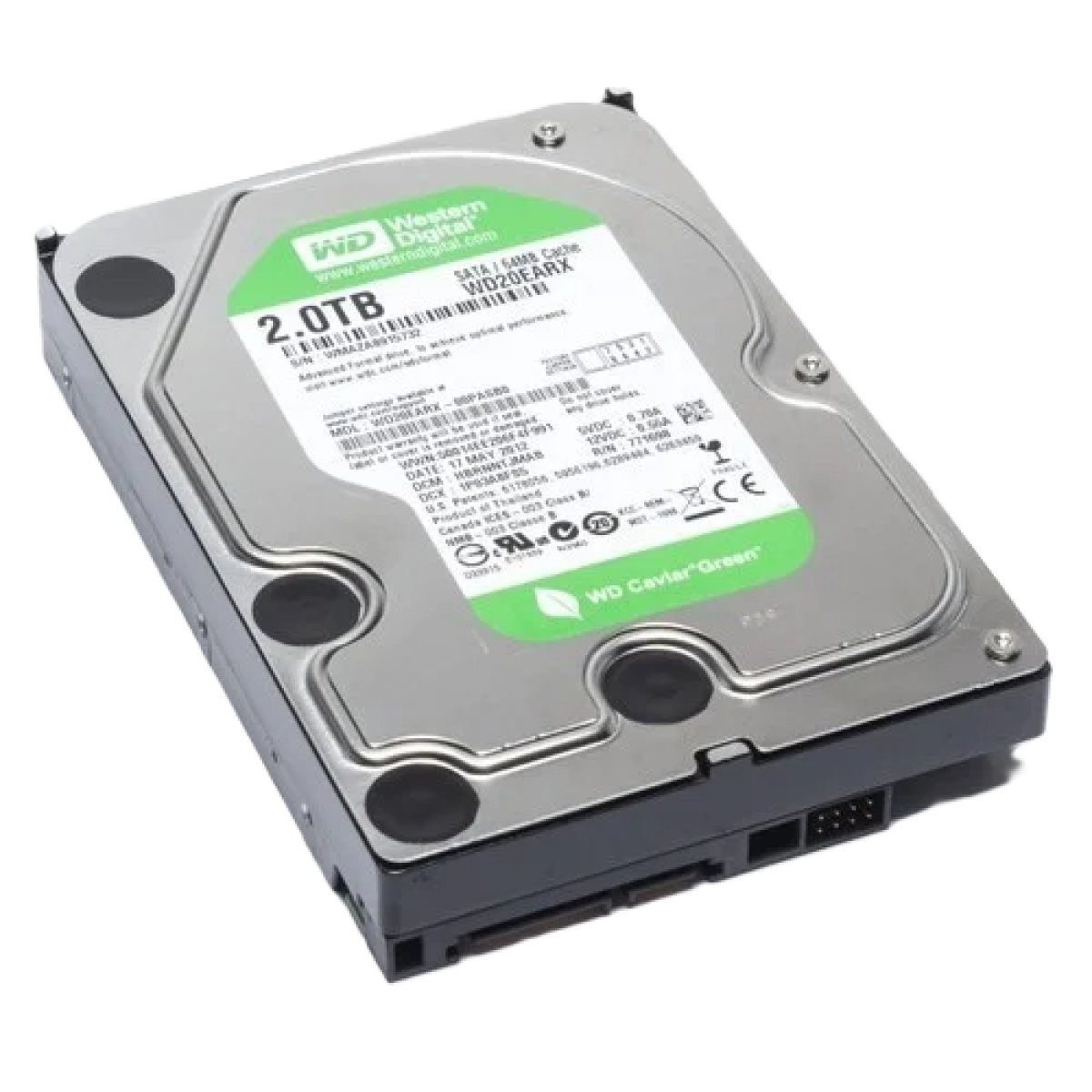
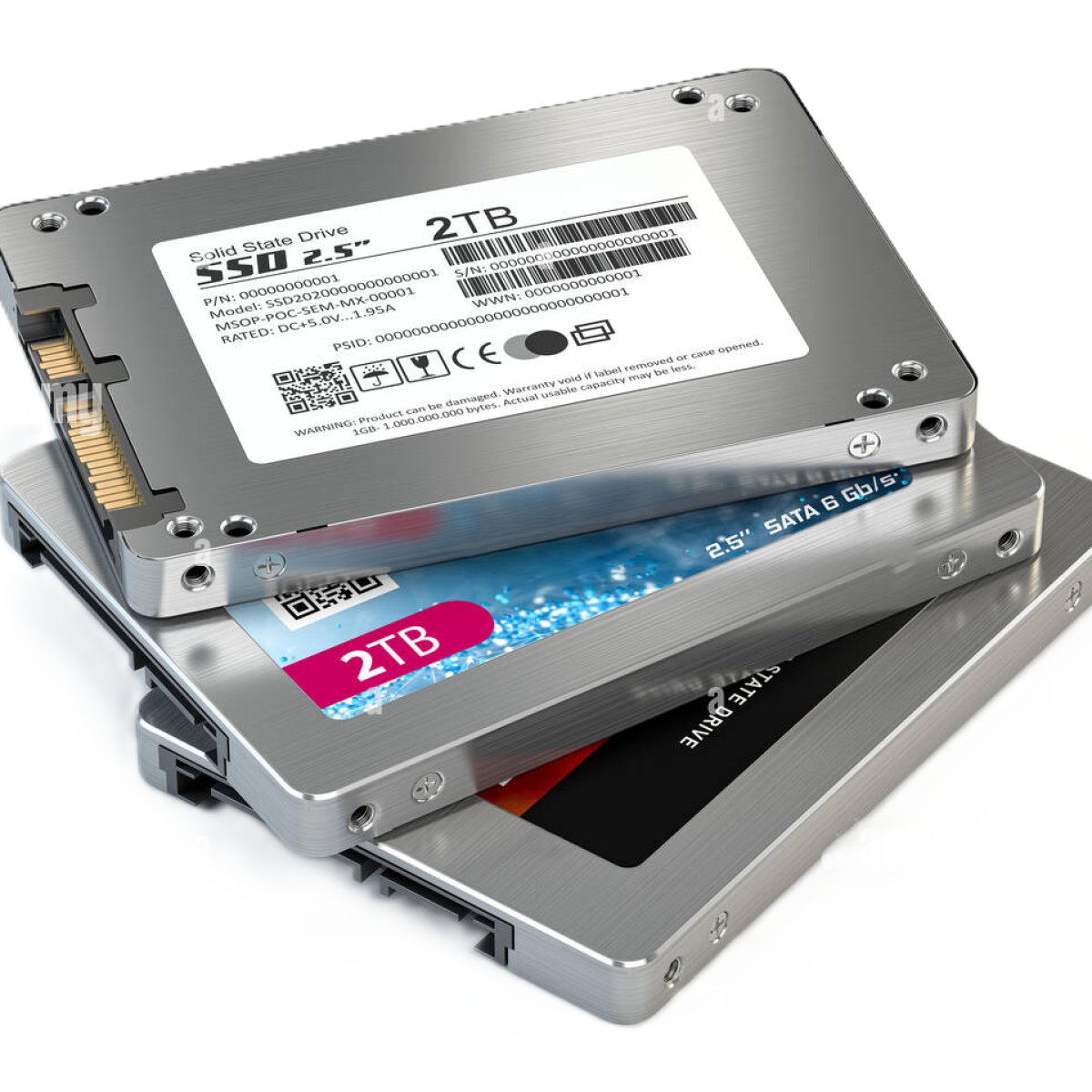
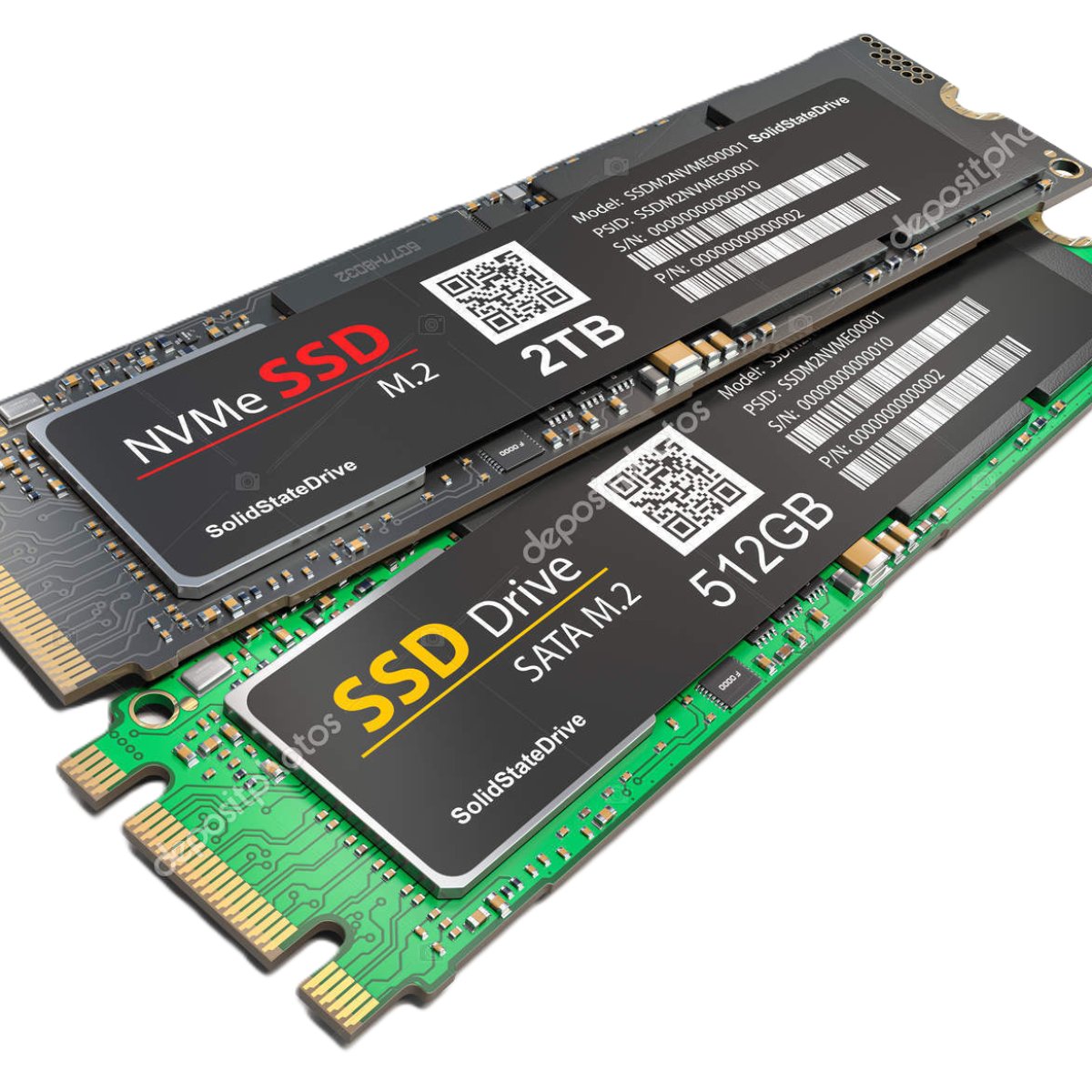
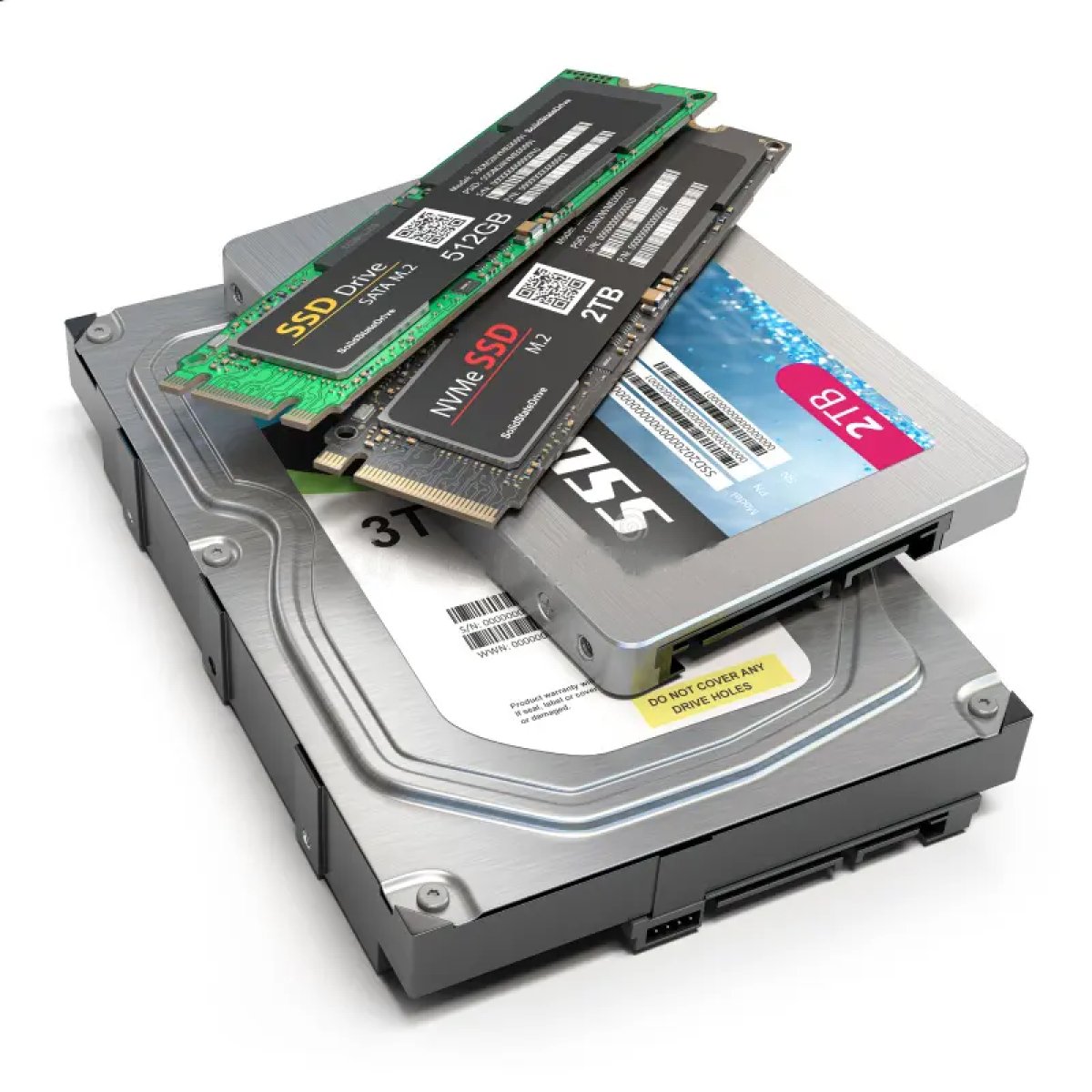
Server storage devices, including Hard Disk Drives (HDDs) and Solid-State Drives (SSDs), are used to store, manage, and retrieve data reliably in server environments.
Server storage devices such as Hard Disk Drives (HDDs) and Solid-State Drives (SSDs) are critical components responsible for storing operating systems, applications, and data in a server. These storage solutions are designed for high reliability, performance, and continuous operation in demanding environments like data centers.
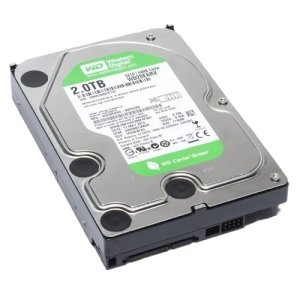
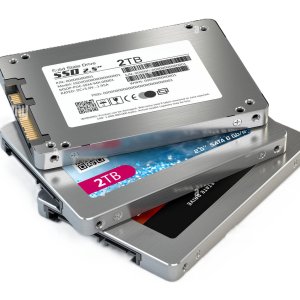
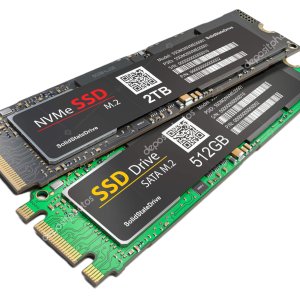
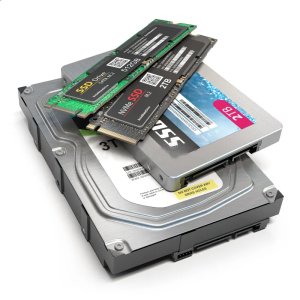
HDDs use spinning magnetic disks to store data and are typically chosen for their large storage capacity and cost-effectiveness, making them suitable for bulk data storage and backup systems. In contrast, SSDs use flash memory with no moving parts, offering significantly faster data access speeds, lower latency, and improved energy efficiency, making them ideal for high-performance applications and databases.
In server environments, storage devices are often configured using RAID (Redundant Array of Independent Disks) to enhance performance, provide redundancy, and protect against data loss. Enterprise-grade HDDs and SSDs are built to handle 24/7 workloads, higher read/write cycles, and include advanced features like error correction, wear leveling (for SSDs), and vibration resistance.
Additionally, server storage systems may support hot-swapping, allowing drives to be replaced without shutting down the system, ensuring minimal downtime. Overall, HDDs and SSDs form the backbone of server data management, balancing performance, capacity, and reliability based on organizational needs.