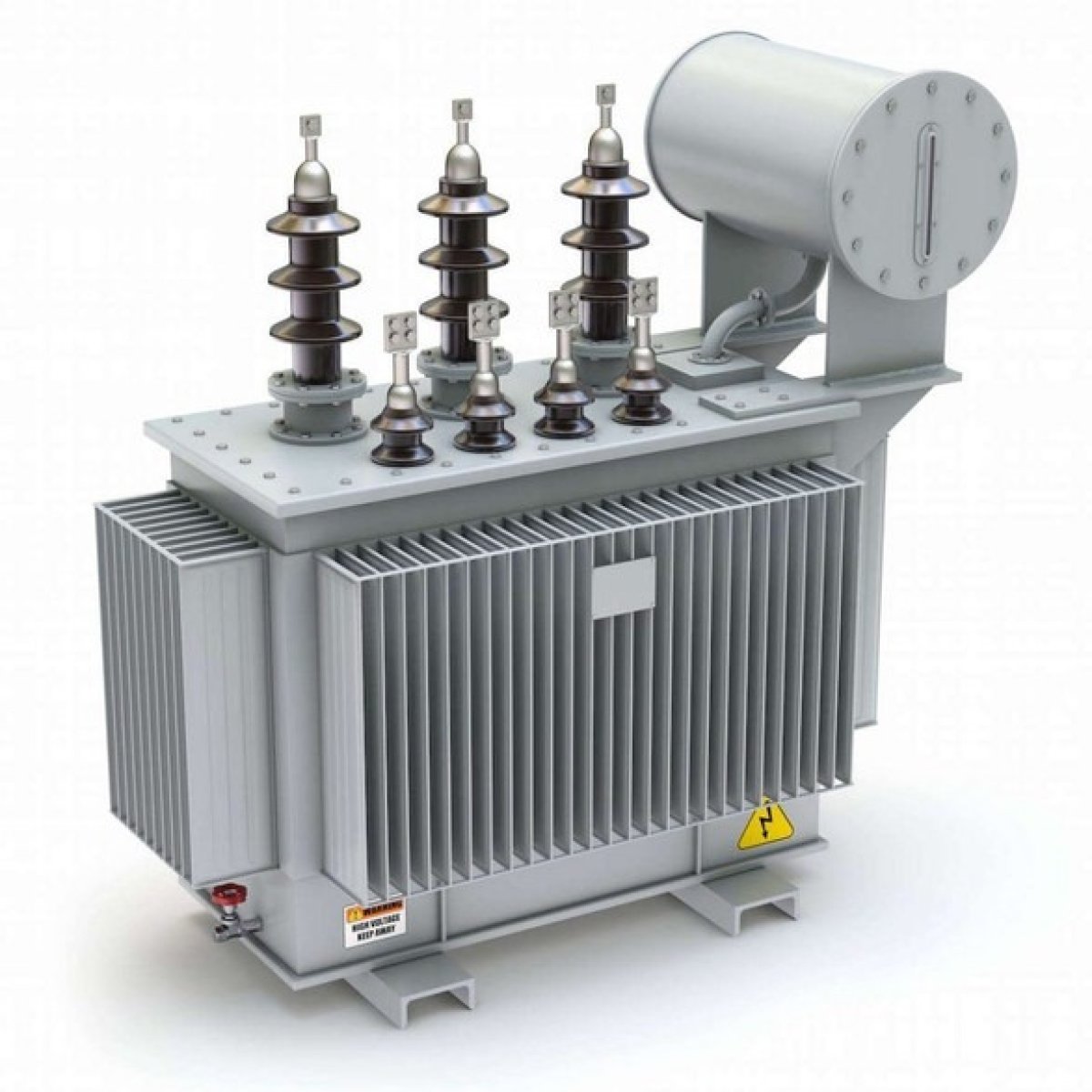
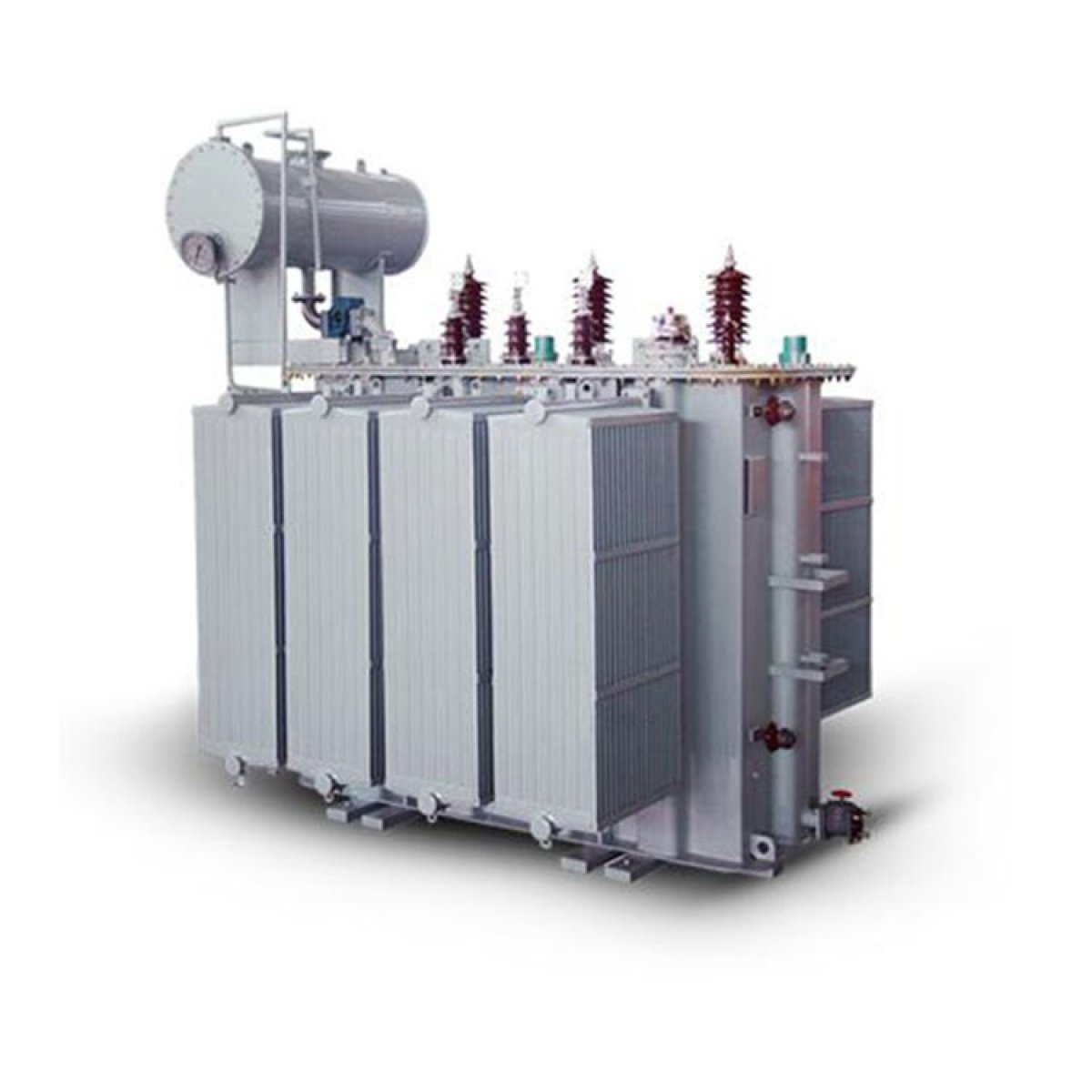
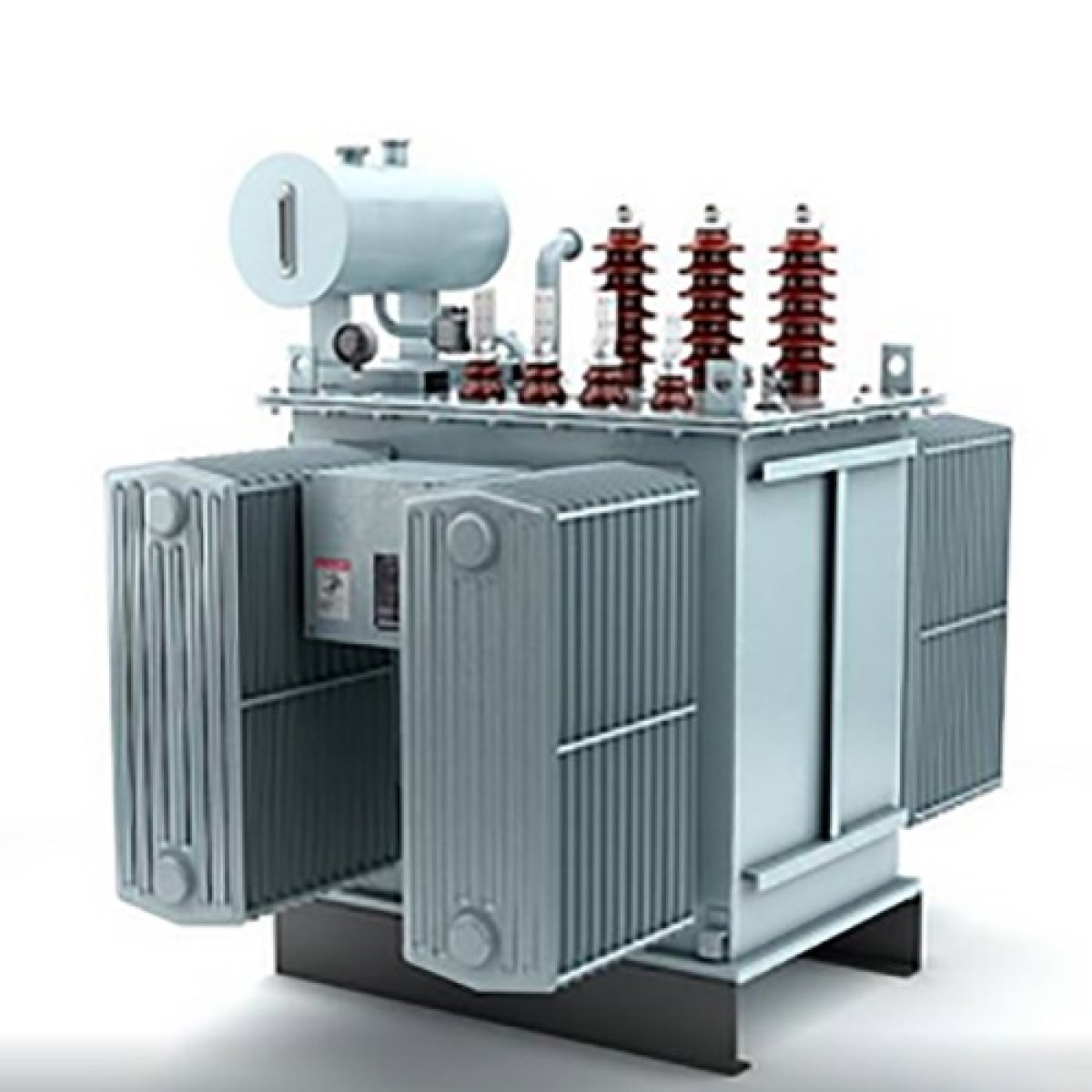
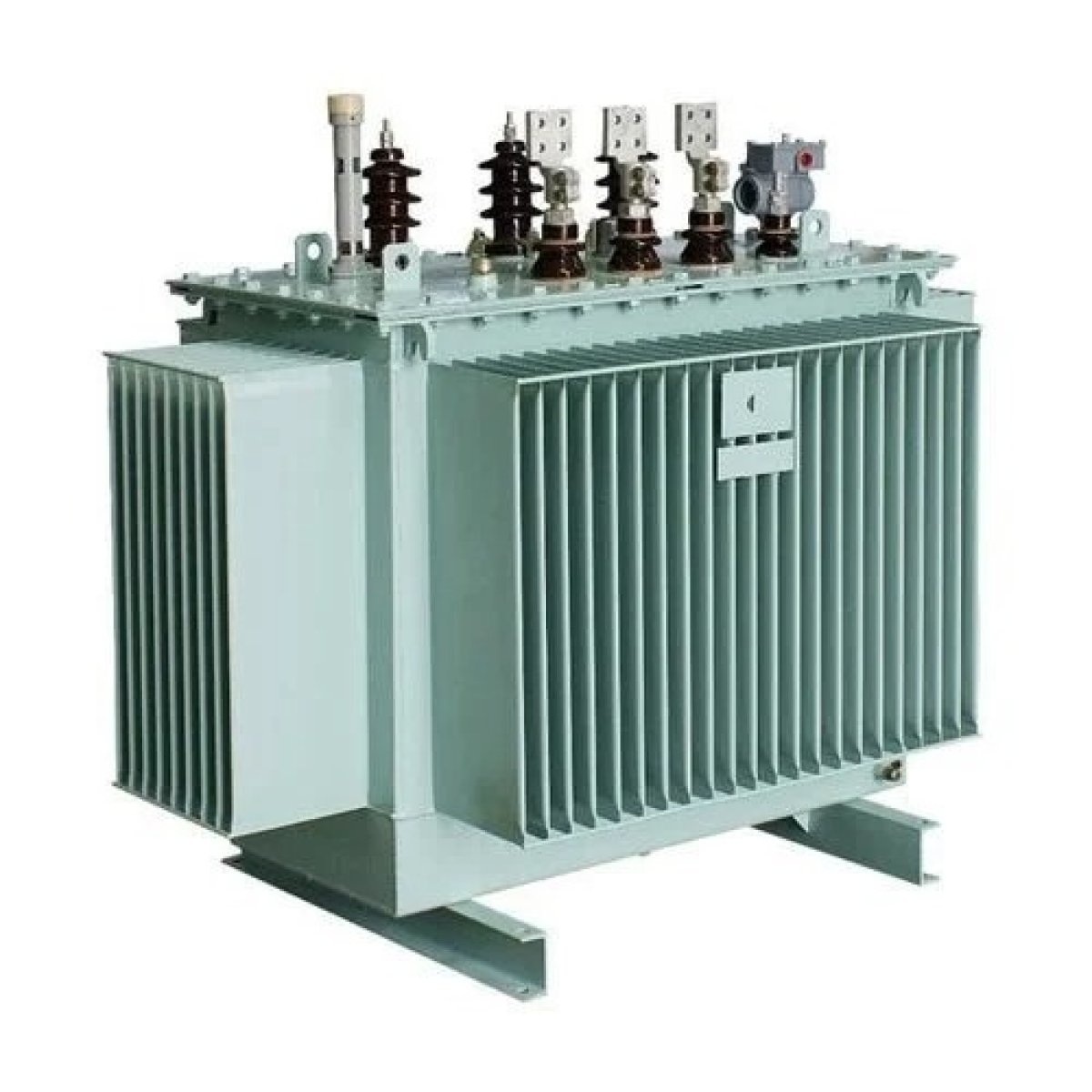
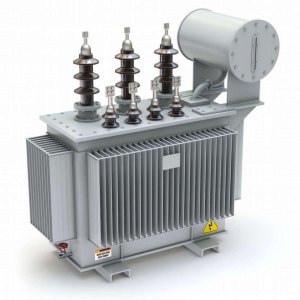
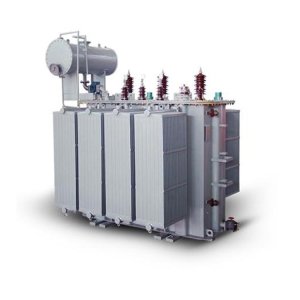
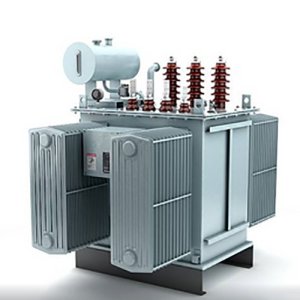
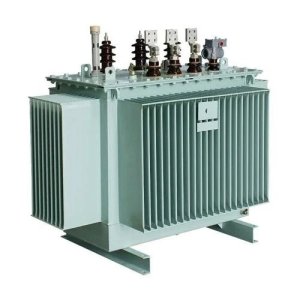
A power transformer is a high-capacity, static device that uses electromagnetic induction to change alternating current (AC) voltage levels between circuits. It serves as the backbone of the electrical grid, efficiently increasing voltage for long-range transmission or reducing it for localized use.
Long Description
Power transformers are sophisticated machines designed to handle significant electrical loads, typically operating at high voltages above 33 kV and ratings often exceeding 200 MVA.
- Operating Principle: They operate on Faraday’s Law of Electromagnetic Induction. When AC flows through a primary winding, it creates a fluctuating magnetic field in a common core, which induces a voltage in a secondary winding proportional to the turns ratio.
- Core Components:
- Core: Made of laminated silicon steel to provide a low-reluctance path for magnetic flux while minimizing eddy current losses.
- Windings: Primary and secondary coils typically made of high-conductivity copper or aluminum.
- Insulation & Cooling: Internal assemblies are often housed in a steel tank filled with insulating mineral oil, which both prevents electrical arcing and dissipates heat generated during operation.
- Key Functions:
- Voltage Adjustment: Step-up transformers at power plants raise voltage (e.g., up to 765 kV) to reduce current and minimize line losses during transmission.
- Safety & Isolation: They provide galvanic isolation, separating circuits with different potentials to prevent short circuits and ground faults.
- Voltage Regulation: Equipped with tap changers to adjust output voltage despite supply or load fluctuations.
- Classifications: They are categorized based on construction (core-type vs. shell-type), phase (single-phase vs. three-phase), and cooling method (oil-immersed vs. dry-type).