
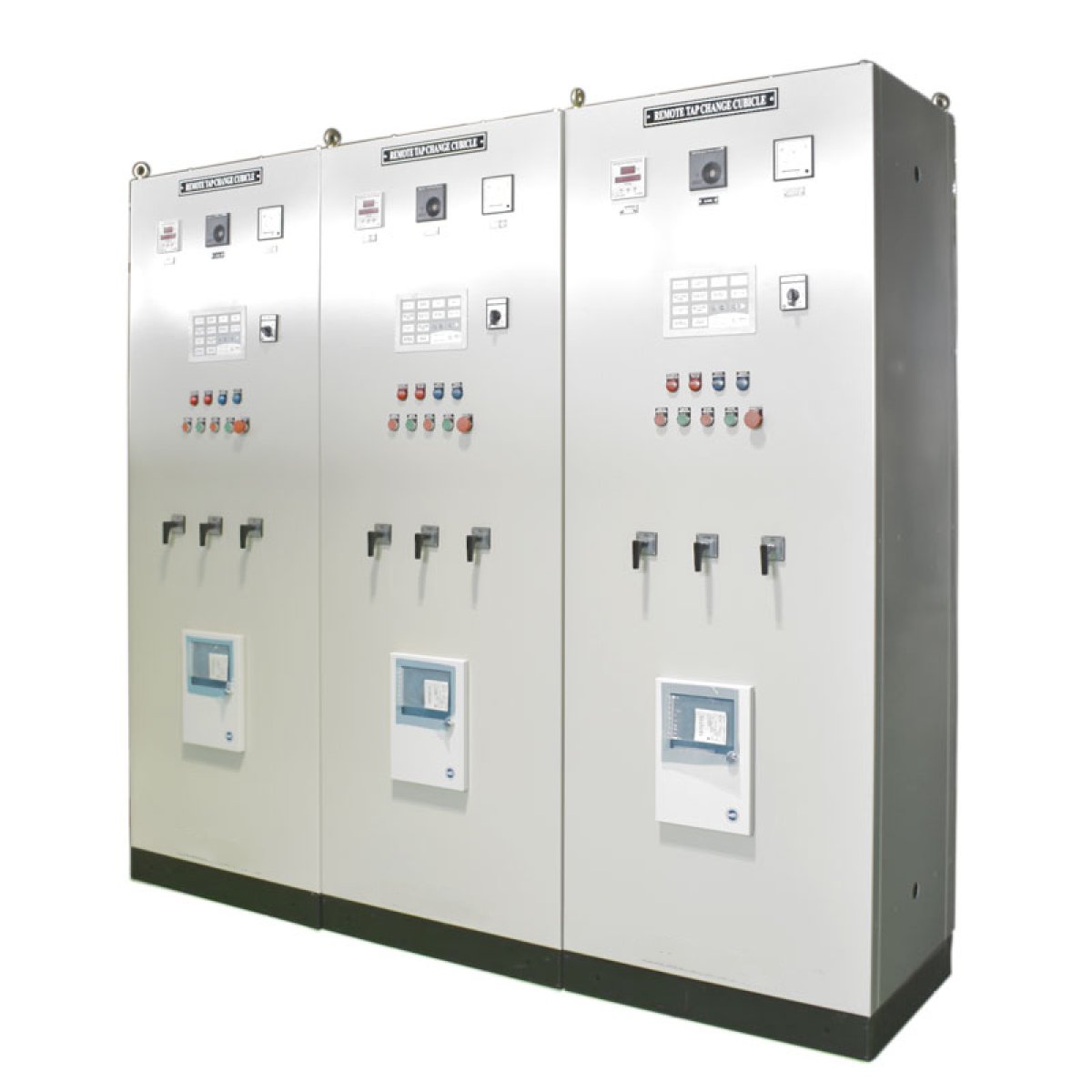
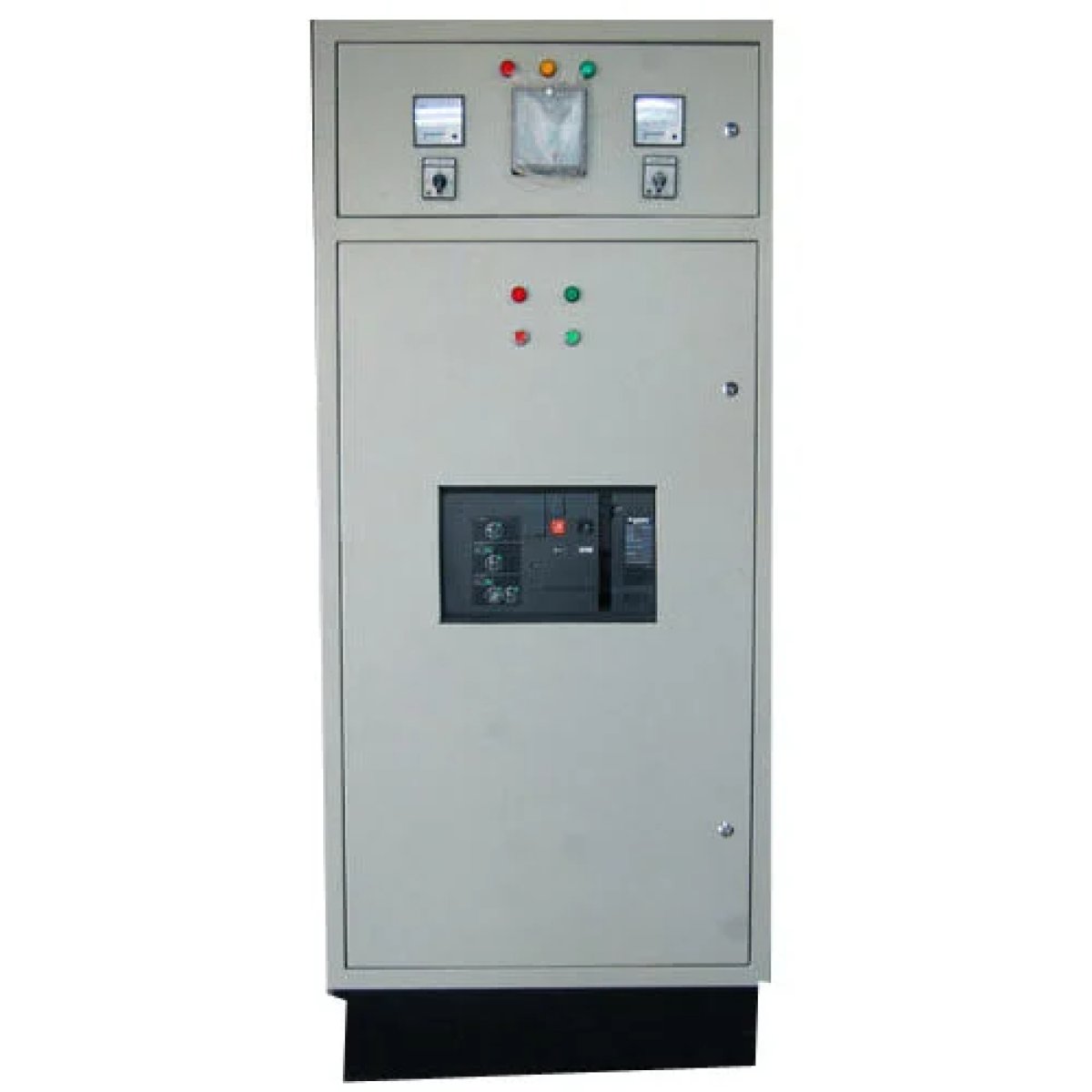
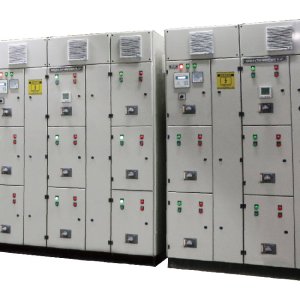
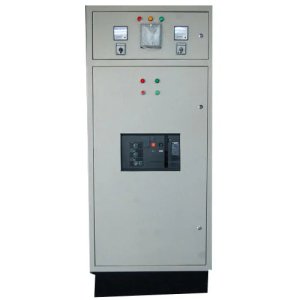
HT Switchgear panel acts as the "brain and shield" of a high-voltage system. It consists of switching devices like Vacuum Circuit Breakers (VCB) or SF6 Circuit Breakers, along with protective relays and metering instruments. Its primary job is to safely turn the power on or off during normal operation and automatically disconnect the circuit during faults (like short circuits or overloads) to prevent damage to the transformer and other downstream equipment.
A substation is an integrated assembly of equipment used to transform voltage from high to low (or vice versa) and to distribute power safely to end-users.
Key Components of a Substation:
HT Switchgear (Incoming): Receives the high-voltage power from the utility grid. It includes a VCB or LBS (Load Break Switch) to manage the connection.
Power/Distribution Transformer: The heart of the substation. It steps down the high voltage (e.g., 11kV) to a low voltage (e.g., 415V) suitable for commercial or industrial use.
LT (Low Tension) Switchgear: Located after the transformer, this panel distributes the stepped-down power to various loads and provides low-voltage protection.
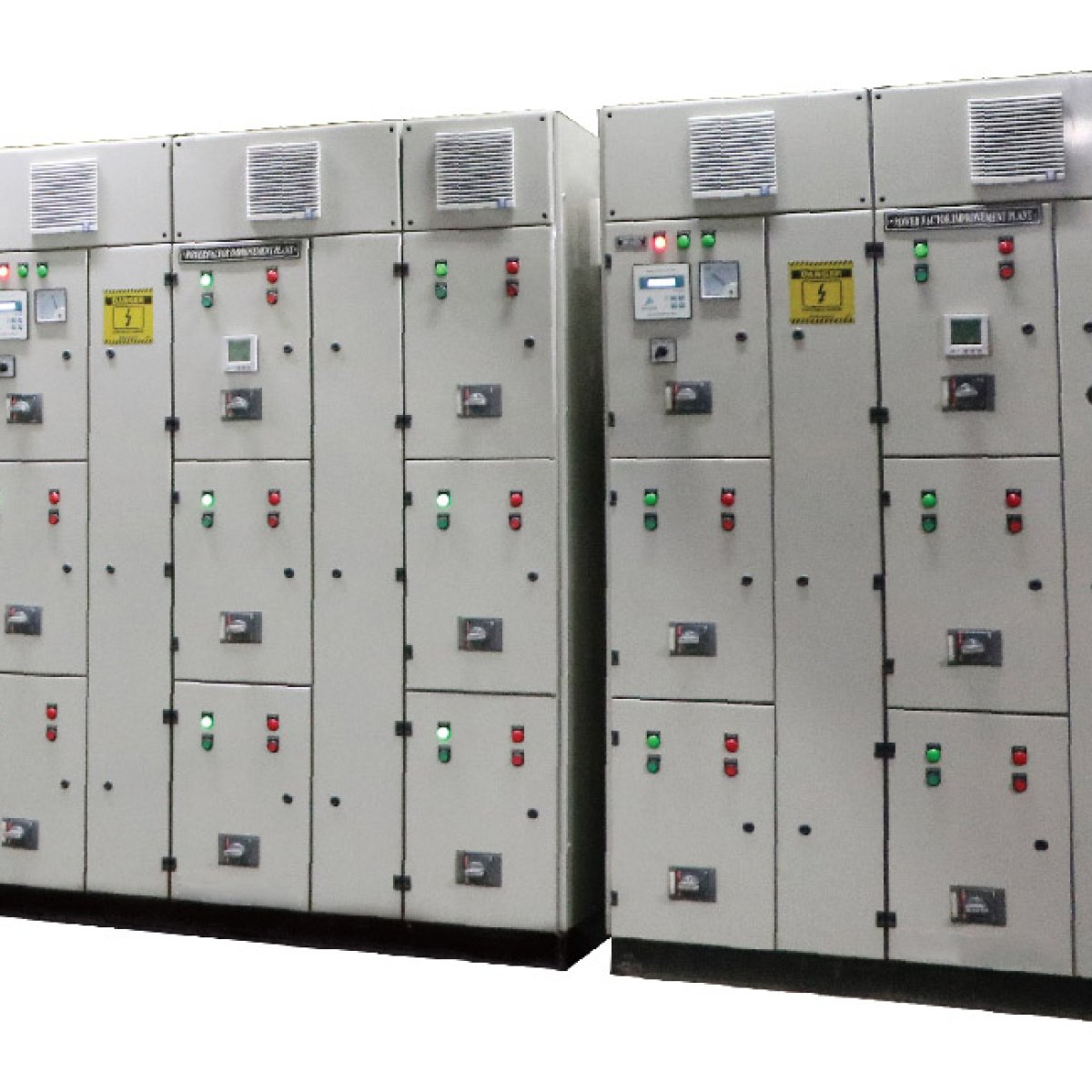
PFI (Power Factor Improvement) Plant: A bank of capacitors used to improve electrical efficiency and avoid penalties from the power utility.
Protection & Control System: Includes Current Transformers (CT), Potential Transformers (PT), and Lightning Arrestors to safeguard the system from surges and faults.