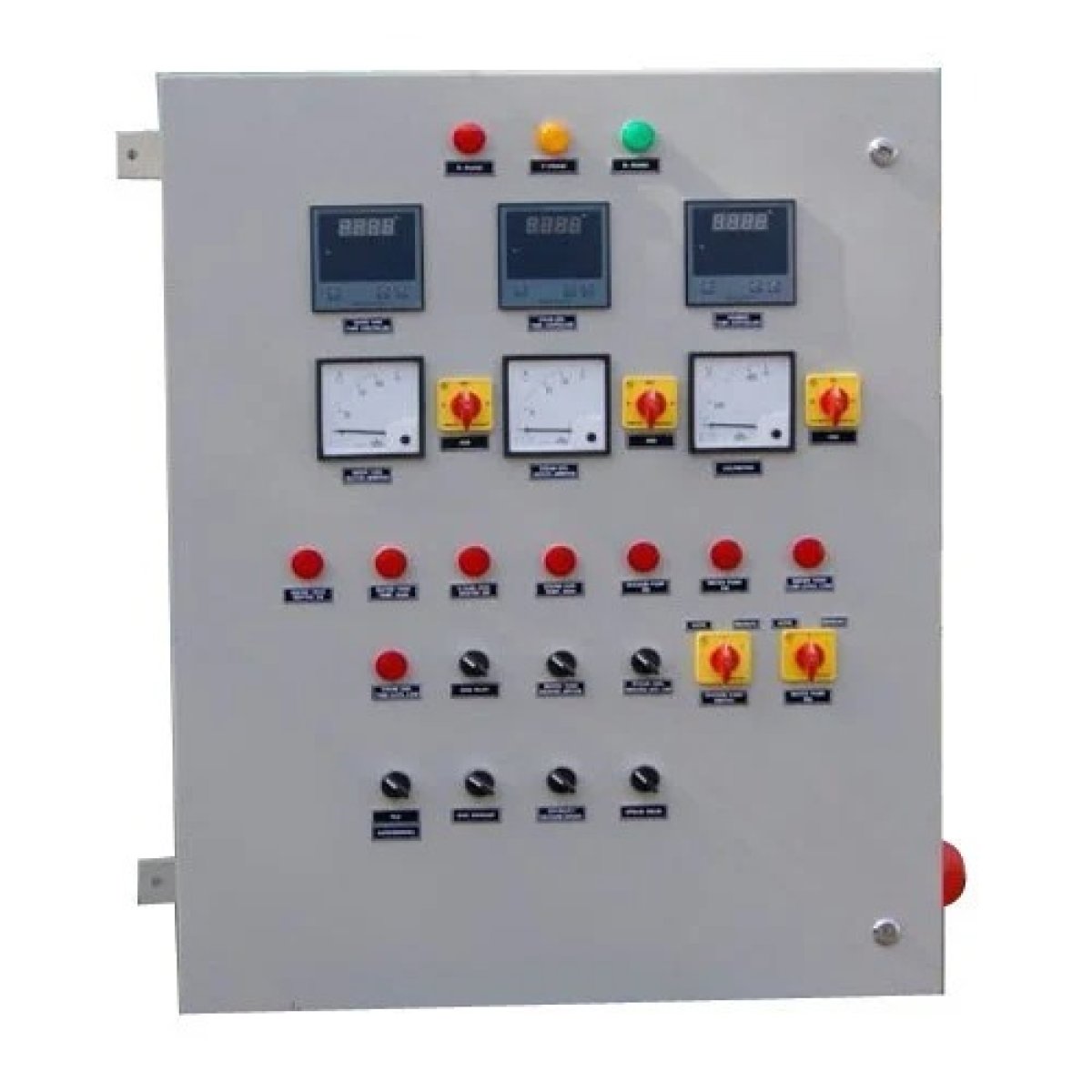
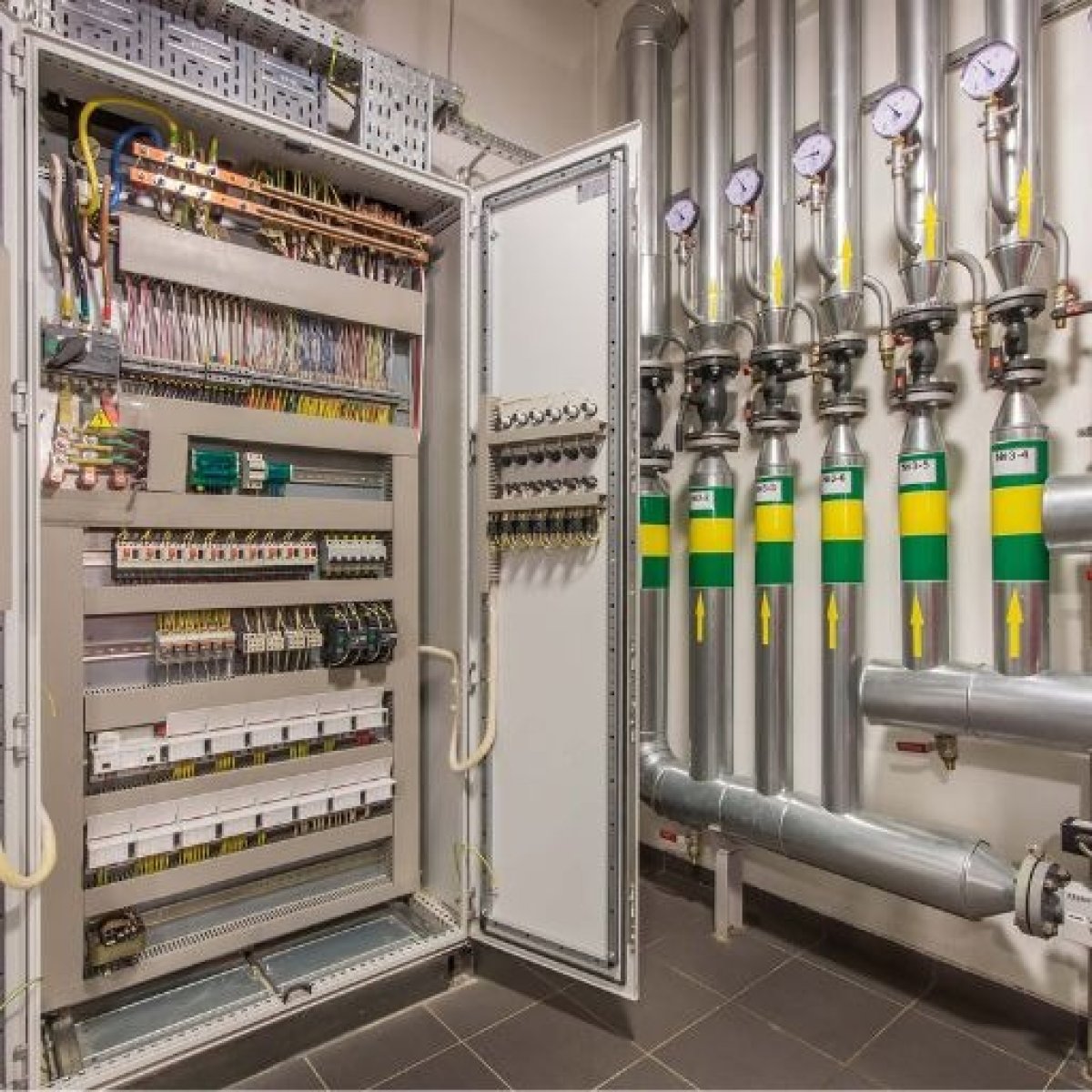
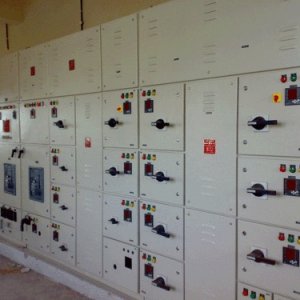
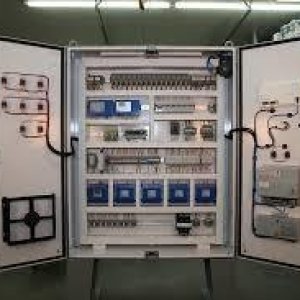
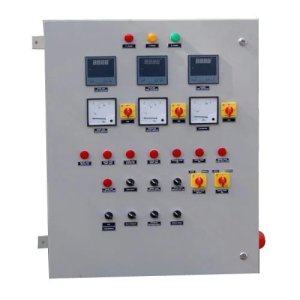
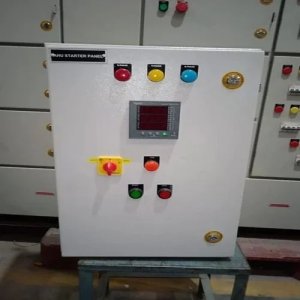
An HVAC control board is a printed circuit board (PCB) that serves as the central command center for furnaces, air handlers, or air conditioners. It receives low-voltage instructions from the thermostat and translates them into high-voltage actions, such as turning on a fan motor or opening a gas valve. It also monitors safety sensors to shut the system down if hazardous conditions—like overheating or flame failure—are detected.
Modern control boards, often called Integrated Furnace Controls (IFC), are sophisticated modules that have replaced multiple separate timers and relays with a single integrated system.
- Logic and Coordination: When a thermostat "calls" for heat or cool, the board executes a specific sequence of operations. For example, in a gas furnace, it first starts the inducer motor to clear exhaust, then activates the igniter, opens the gas valve, and finally starts the main blower once the heat exchanger is warm.
- Key Components:
- Microcontroller: The primary chip that processes logic and manages timing for fans and compressors.
- Relays: Switches that allow the board's low-voltage circuit to control high-power loads like the compressor or blower motor.
- Terminals: Clearly labeled screw points (R, W, Y, G, C) where thermostat and equipment wires connect.
- Diagnostic LEDs: Most boards feature flashing lights that provide error codes (e.g., three flashes for a pressure switch failure) to help technicians troubleshoot quickly.
- Safety Features: The board constantly reads feedback from limit switches, flame sensors, and pressure switches. If any sensor reports an out-of-range value, the board immediately cuts power to the fuel source or compressor to prevent fires, explosions, or mechanical damage.
- Energy Efficiency: Advanced boards support variable-speed blower motors (ECM) and multi-stage heating/cooling, adjusting system output to match the building's exact needs and reducing electricity consumption.
Signs of a Bad Control Board
- Diagnostic codes: The LED is blinking a specific error pattern that indicates internal failure.
- Erratic behavior: The system short-cycles (turns on and off rapidly) or the blower fan runs constantly even when the thermostat is off.
- Visible damage: Inspection reveals burnt markings, melted plastic, or corroded electrical traces on the board's surface.