
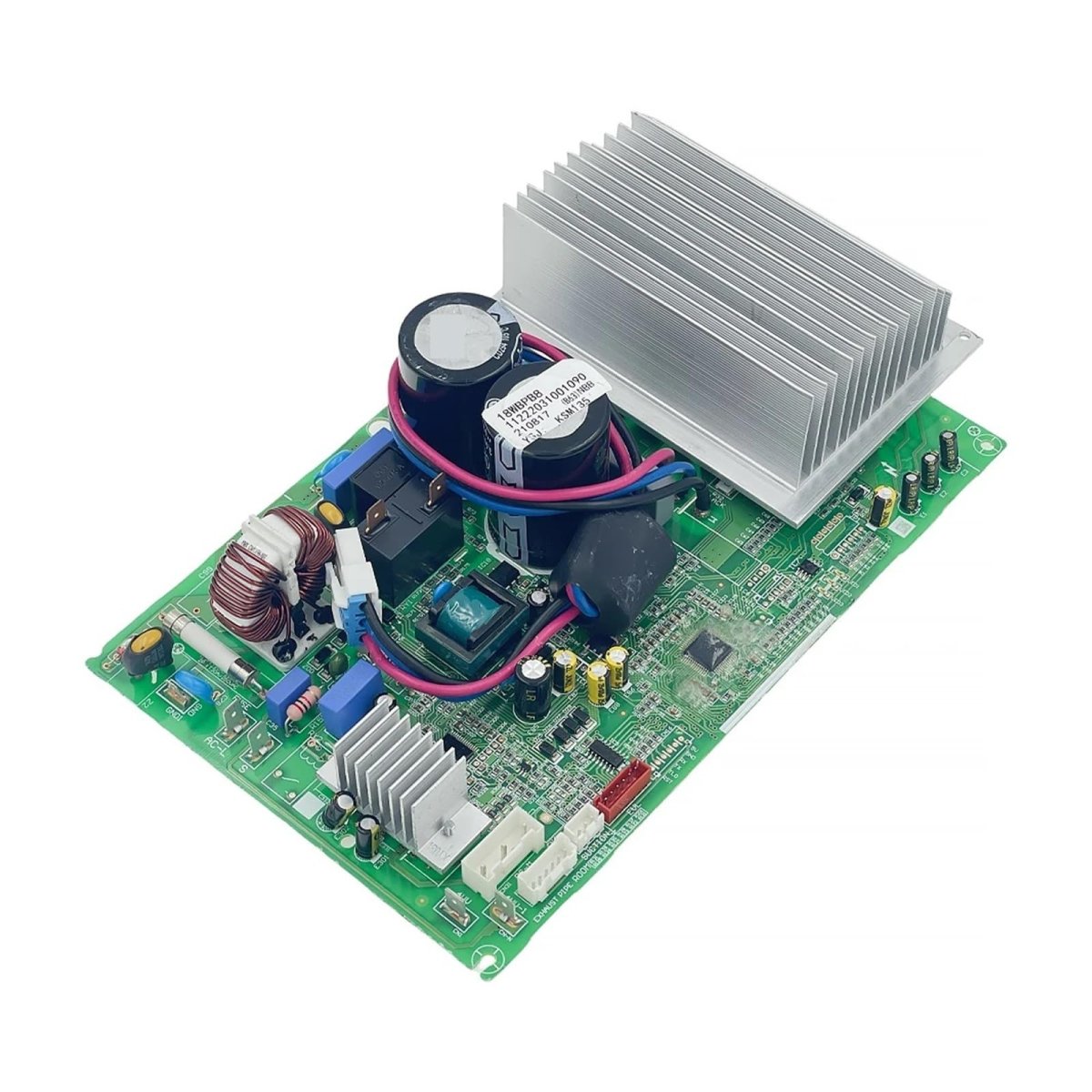
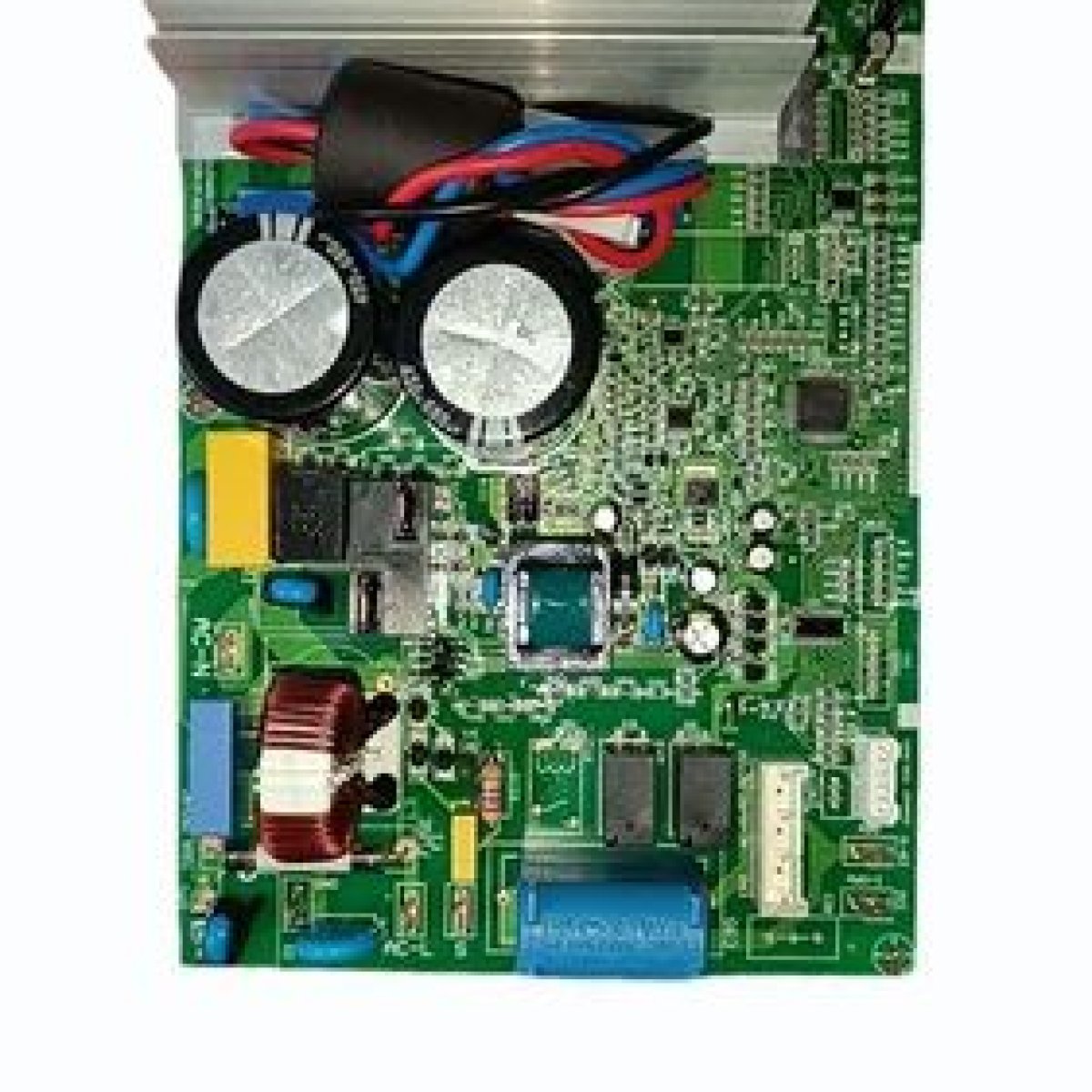
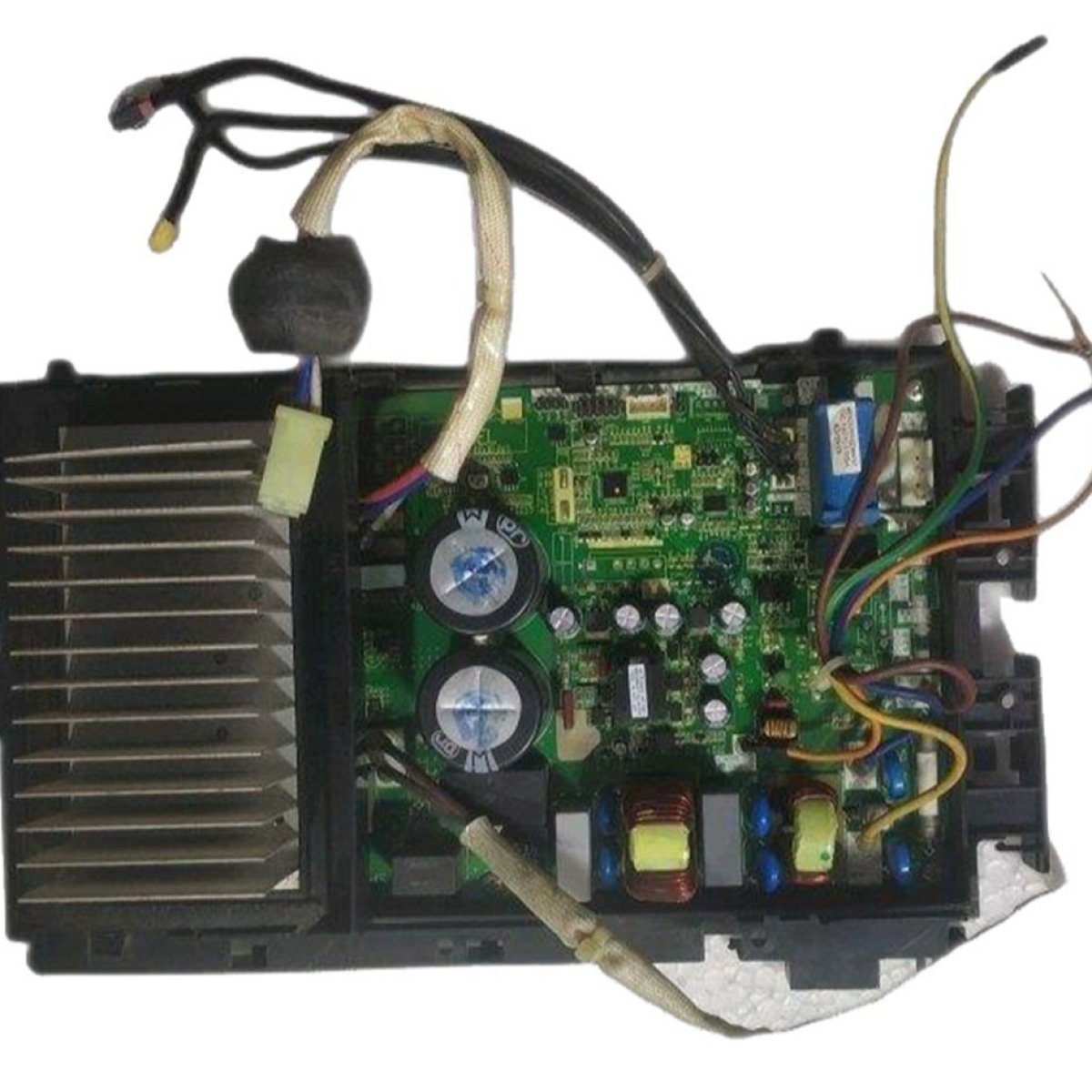
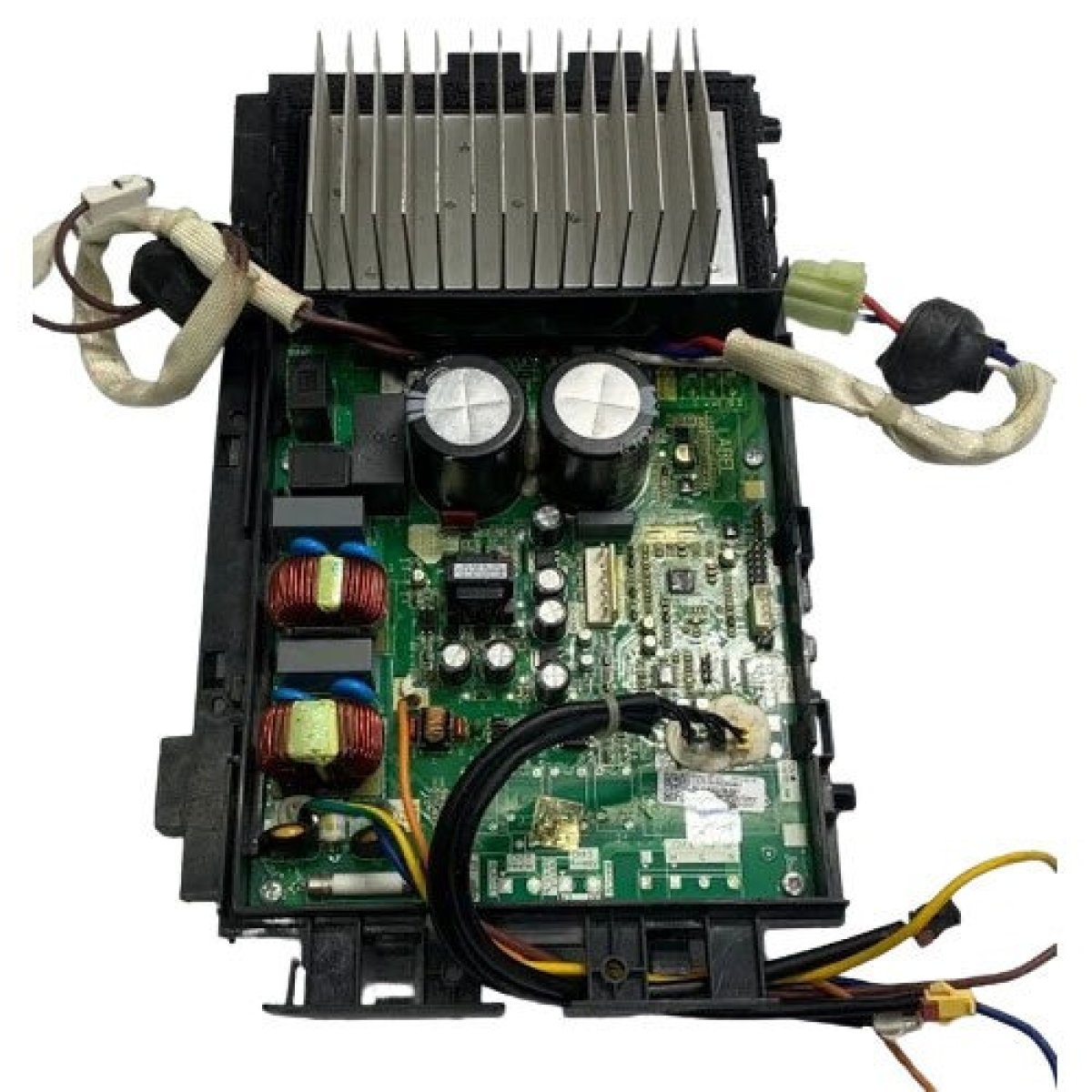
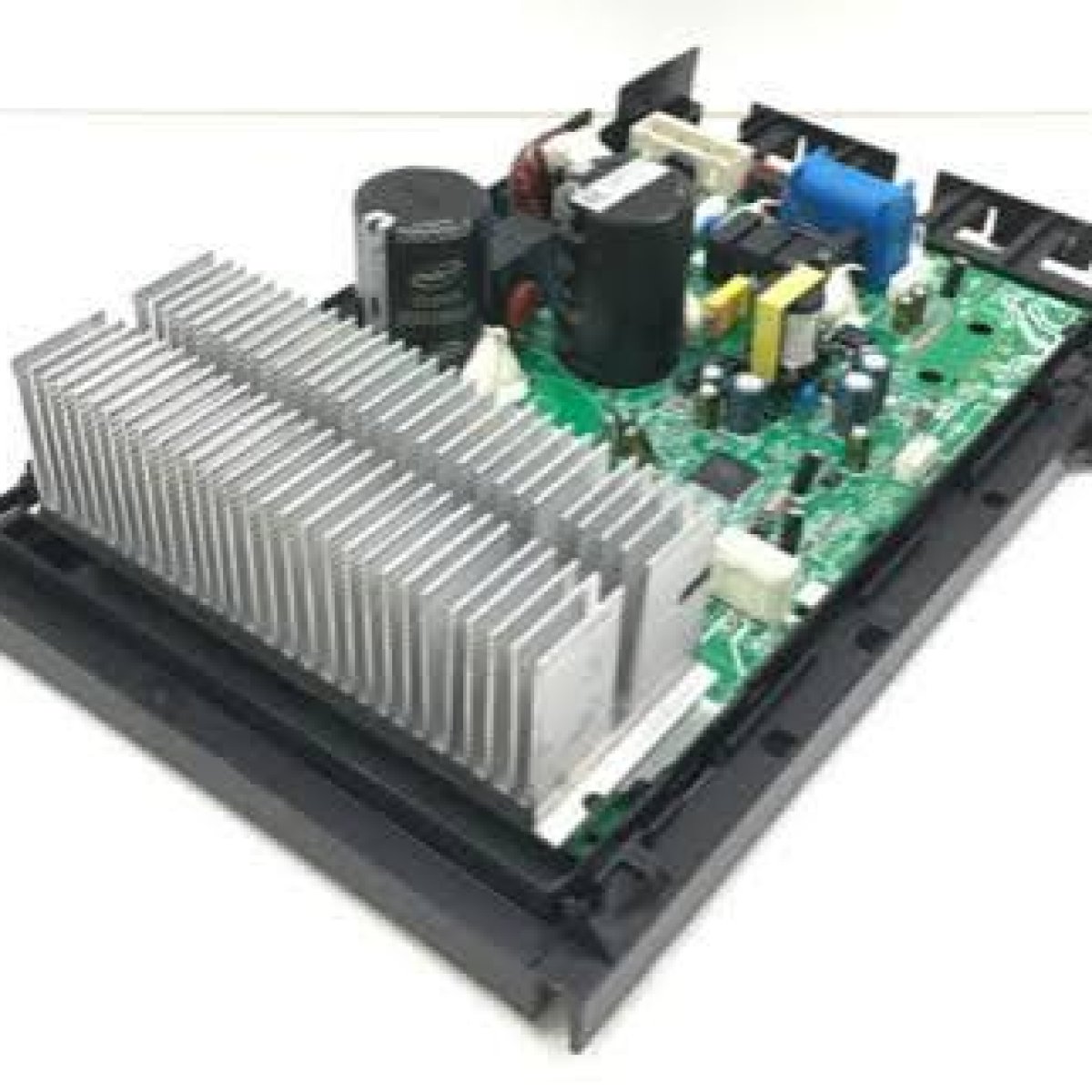
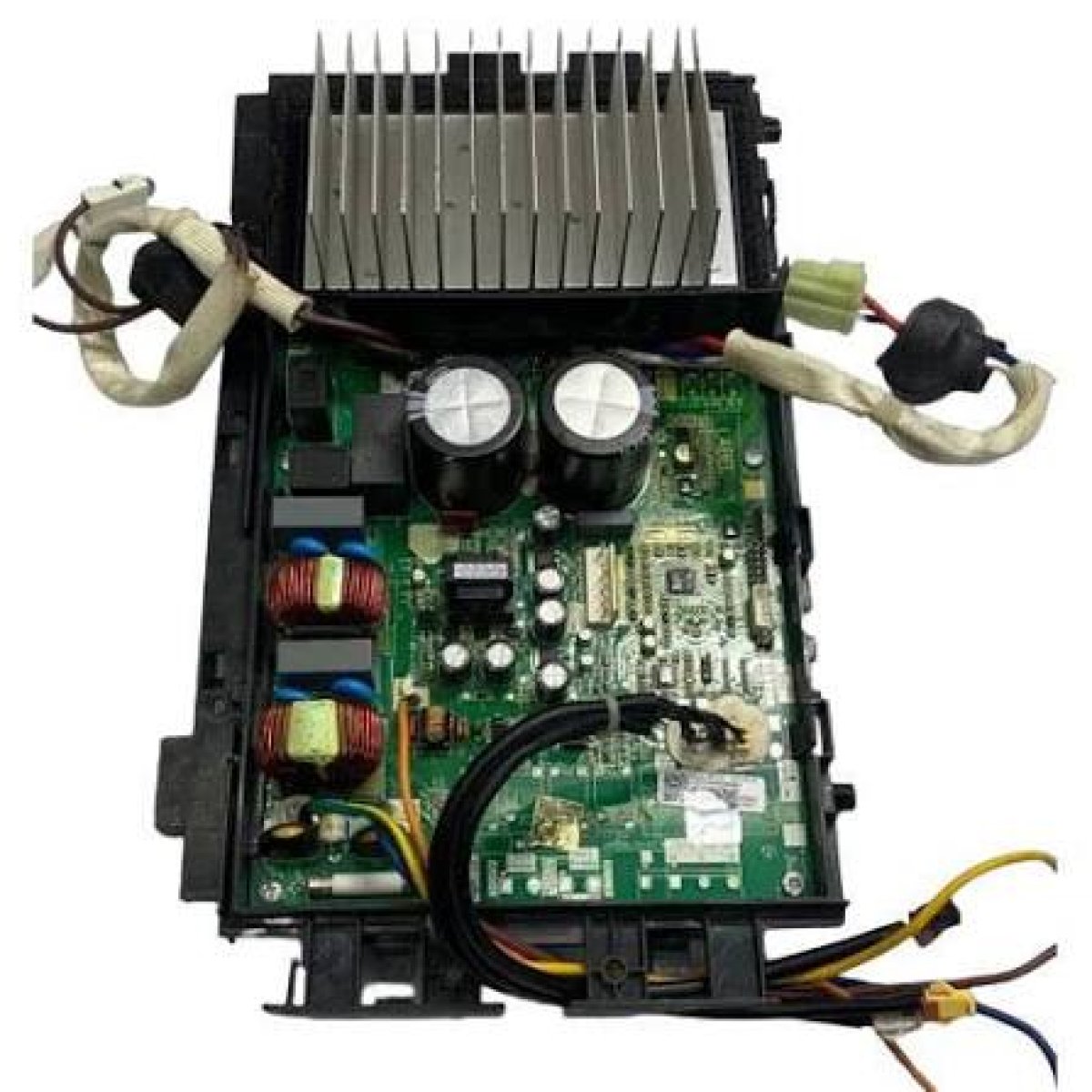
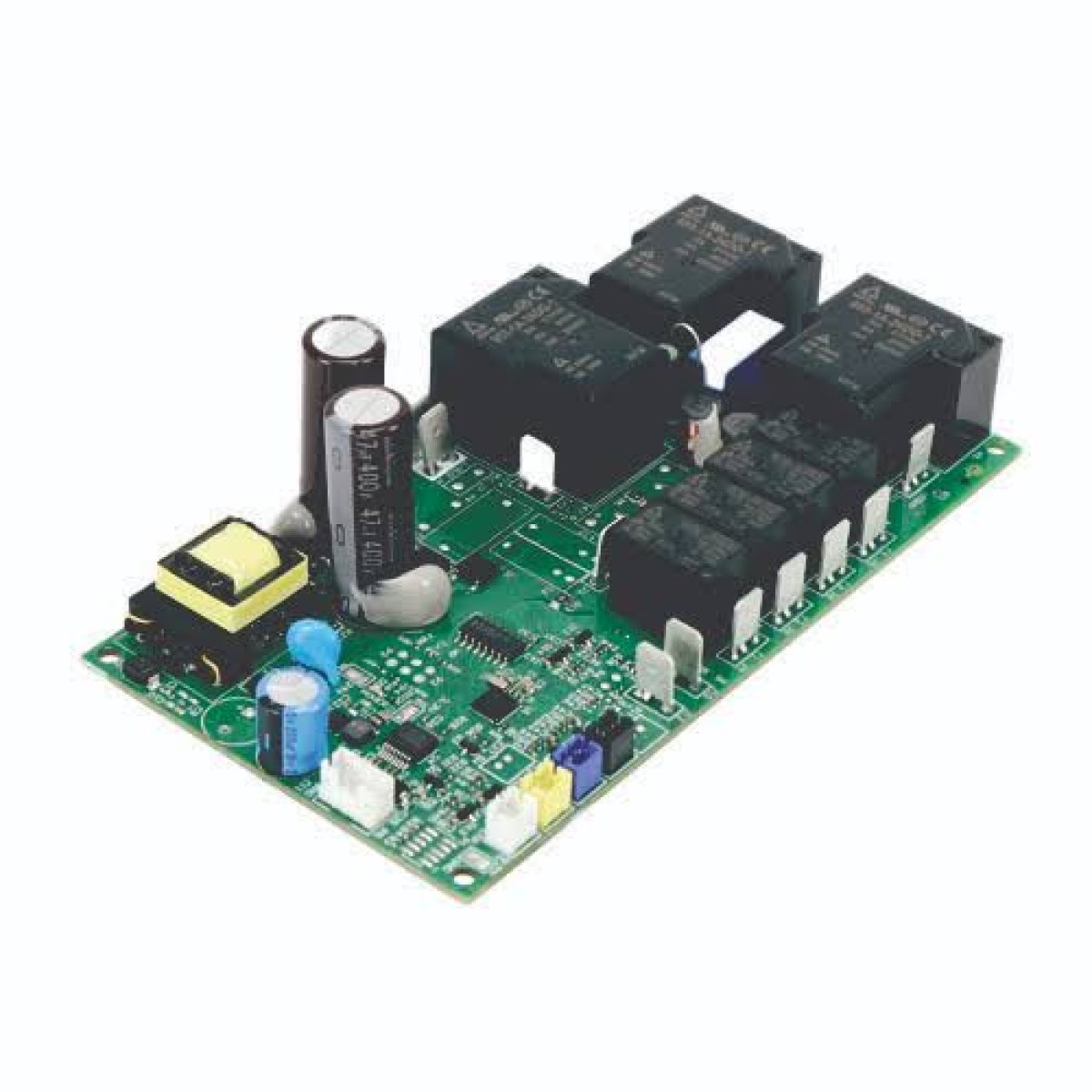
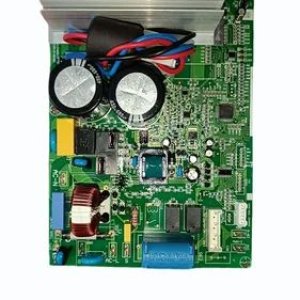
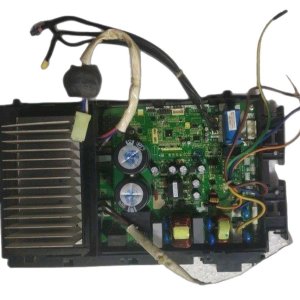
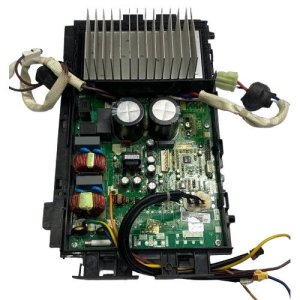
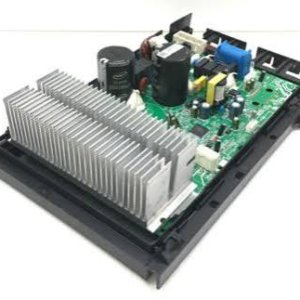
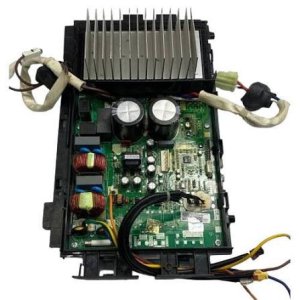
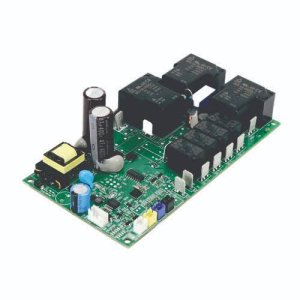
The HVAC PCB is a centralized electronic control unit that manages the operation of heating and cooling equipment. It receives signals from the thermostat and triggers specific components, such as the blower motor, compressor, or igniter, to maintain the desired indoor temperature and ensure system safety.
1. Core Functionality
The PCB serves as the command center. When you adjust your thermostat, it sends a low-voltage signal (usually 24V) to the board. The board then processes this request and uses relays (electronic switches) to send high-voltage power to the heavy-duty hardware like the furnace burner or the AC condenser.
2. Key Components
Microprocessor: The "logic" chip that follows pre-programmed instructions and timing sequences.
Terminal Blocks: Labeled screw ports (R, W, Y, G, C) where thermostat and equipment wires connect.
Relays and Contactors: Mechanical or solid-state switches that turn motors and compressors on and off.
Diagnostic LEDs: Small lights that flash specific codes to help technicians troubleshoot system failures.
Transformer Connection: Where 120V/240V "line voltage" is stepped down to 24V for control logic.
3. Safety & Monitoring
Modern HVAC PCBs are designed with integrated safety protocols. They monitor sensors for:
Flame Sensing: Ensuring gas isn't flowing without a flame.
Limit Switches: Checking for overheating in the heat exchanger.
Pressure Switches: Verifying proper airflow and venting. If any of these sensors report a dangerous condition, the PCB instantly shuts down the system to prevent fire or carbon monoxide leaks.
4. Logic Sequences
The board manages precise timing. For example, in a heating cycle, it will start the "inducer motor" to clear the flue, wait for the igniter to get hot, open the gas valve, and only then turn on the main blower fan once the air is warm enough to circulate.
Maintenance Note: Because these boards are sensitive to power surges and moisture, they are often the first point of failure in an aging system. Protecting your HVAC unit with a dedicated surge protector can significantly extend the life of the PCB.