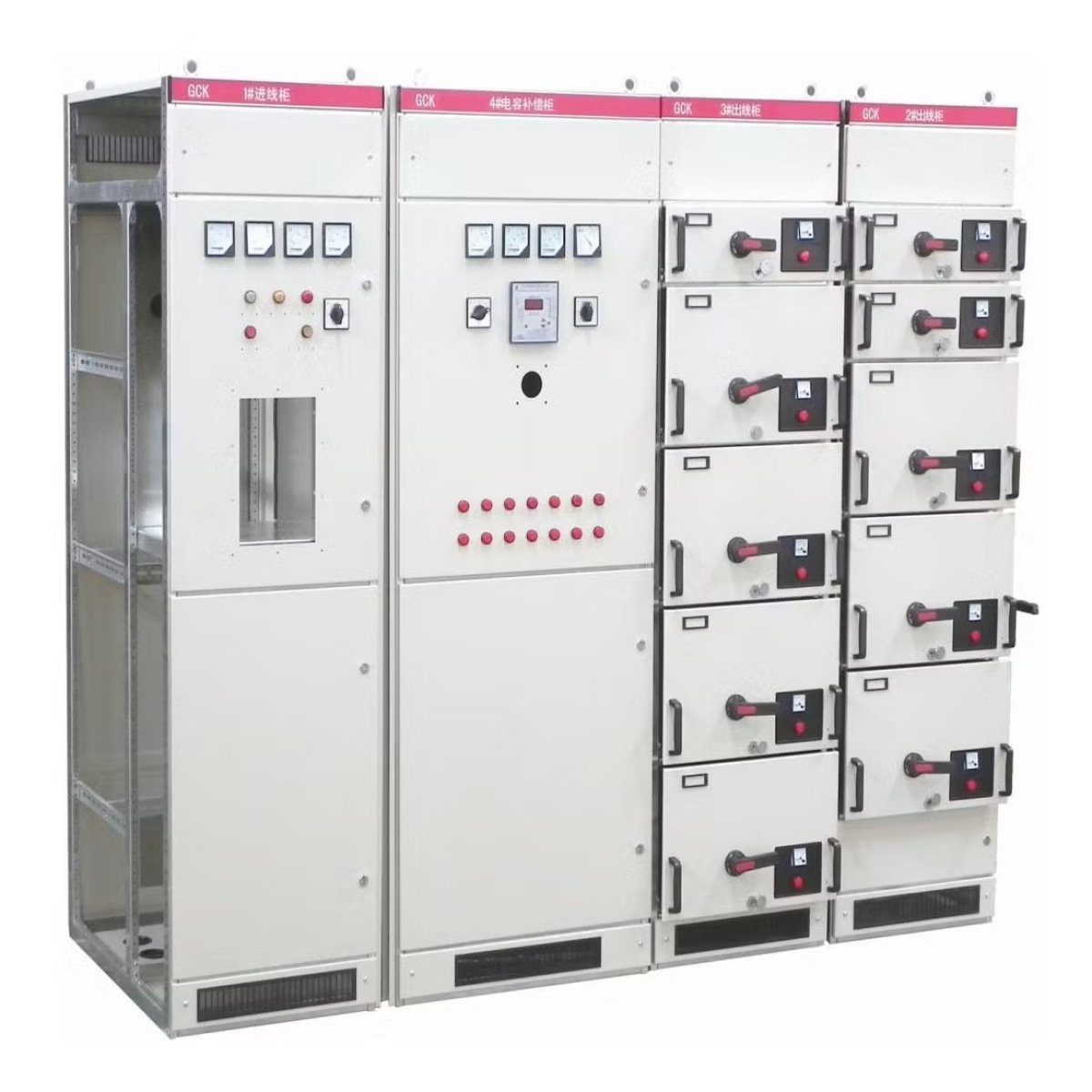
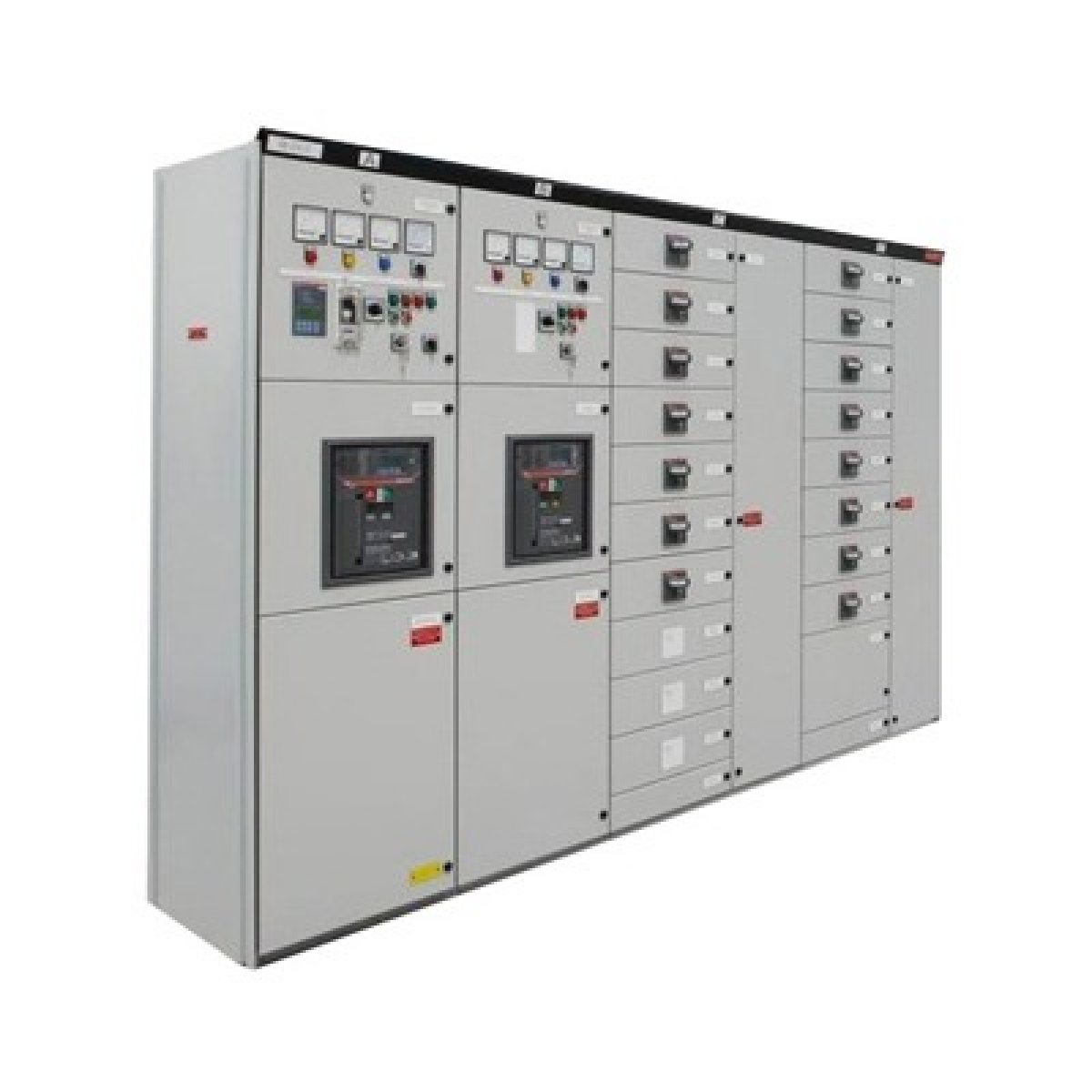
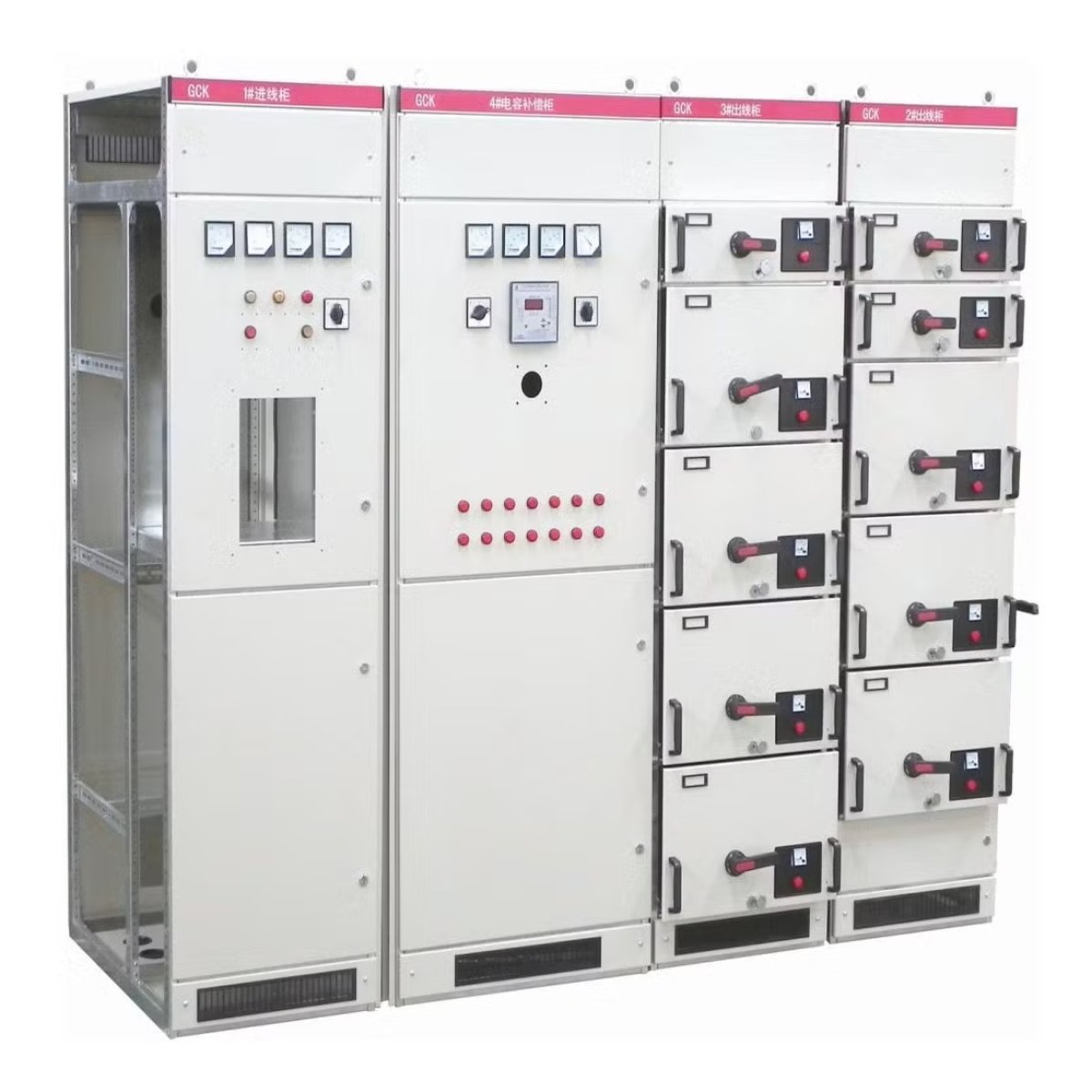
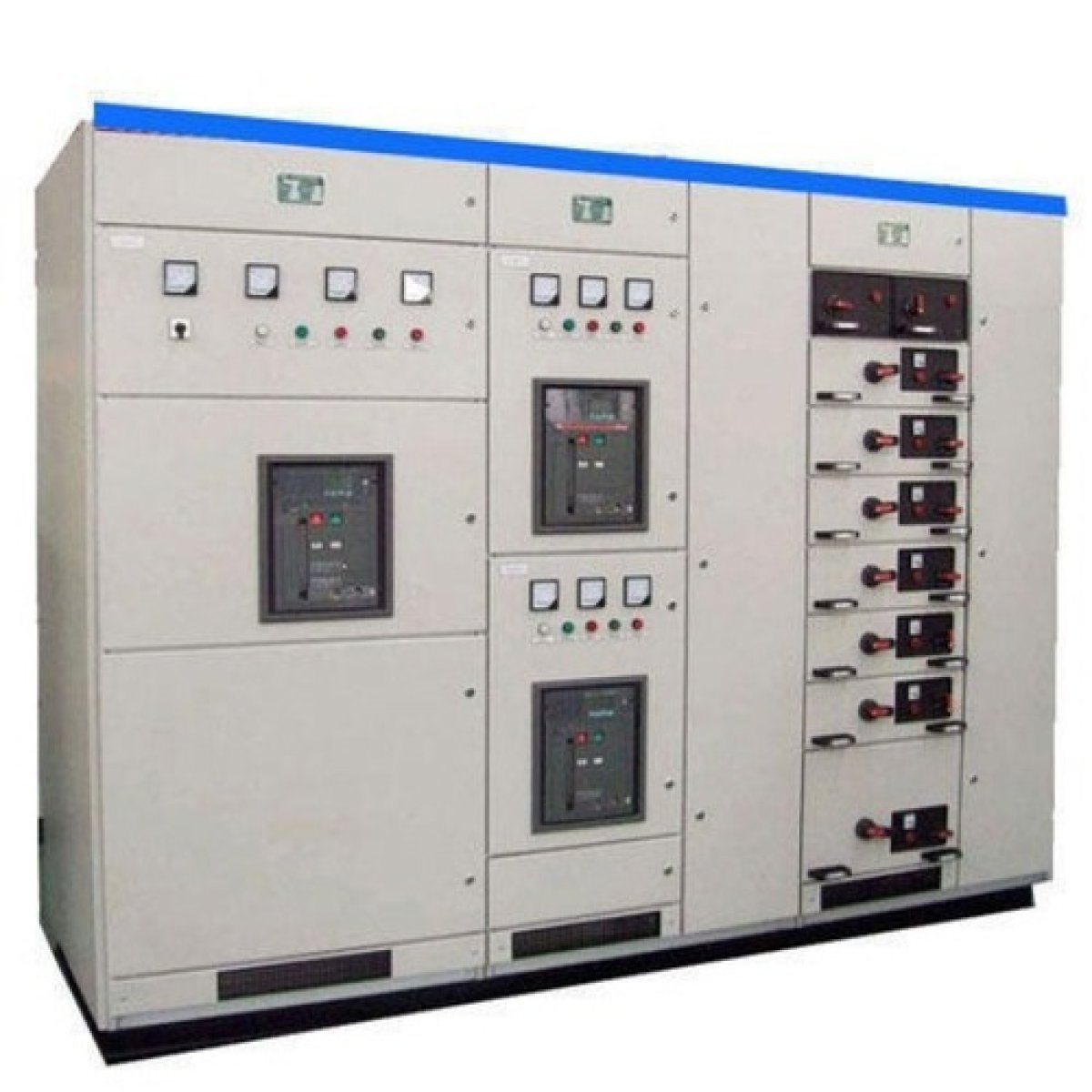
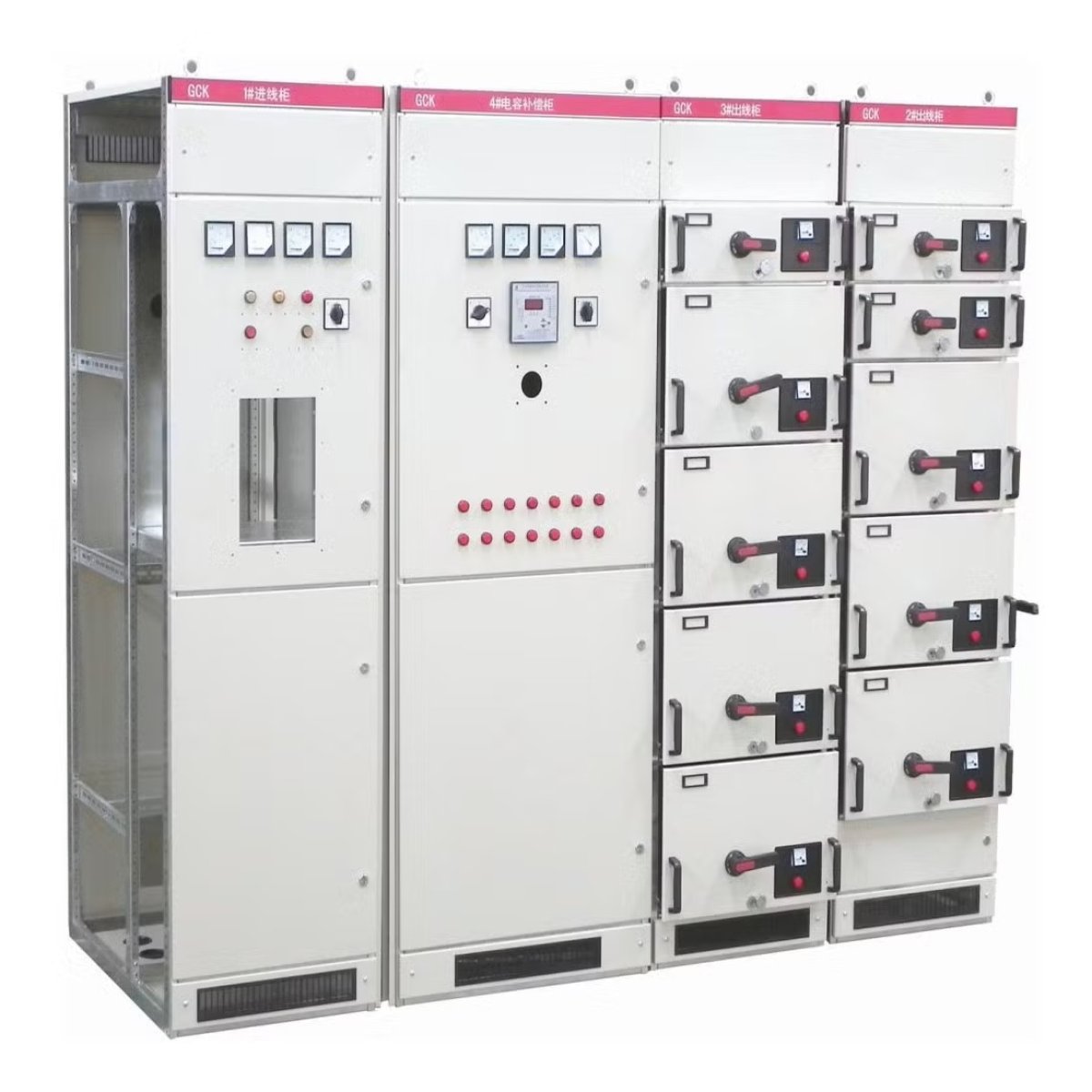
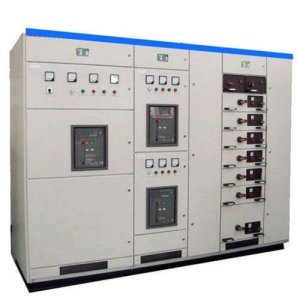
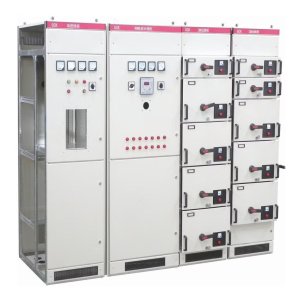
An LT (Low Tension) panel is a metal-enclosed power distribution unit designed for 400V–1000V AC applications. It integrates high-capacity circuit breakers, busbars, and monitoring meters to safely manage electricity in industrial plants, hospitals, and commercial buildings. Its main job is to prevent system overloads and short circuits while allowing operators to manually or automatically switch power to different sections of a facility.
LT panels are engineered to handle high current loads (up to 6,300A) and provide a robust interface between the utility supply and the end-user load.
- Core Functions:
- Incomer Management: Receives 400V/415V supply from the secondary side of a step-down transformer.
- Distribution: Feeds power to various "outgoing" circuits through a system of high-conductivity copper or aluminum busbars.
- System Protection: Automatically interrupts power during faults using integrated trip units that detect overcurrents, ground faults, and short circuits.
- Key Internal Components:
- Main Breakers: Typically utilizes Air Circuit Breakers (ACB) for main incomers due to their high rupture capacity, and Molded Case Circuit Breakers (MCCB) or MCBs for outgoing feeders.
- Busbar Chamber: A compartmentalized section housing the main conductors (R-Y-B-N) that carry the total current.
- Metering & Indicators: Includes Digital Multifunctional Meters (MFM) to track voltage, current, and power factor, along with R-Y-B phase indication lamps.
- Instrument Transformers: Current Transformers (CTs) and Potential Transformers (PTs) scale down high values for safe measurement by the meters.
- Design & Safety Standards:
- IEC 61439: The international standard governing the construction and testing of low-voltage switchgear assemblies.
- Compartmentalization: Often divided into distinct sections (Incomer, Busbar, Feeder, Cable Alley) to prevent a fault in one section from spreading.
- Ingress Protection (IP): Usually rated IP42 to IP54 to protect internal electronics from dust and moisture.