
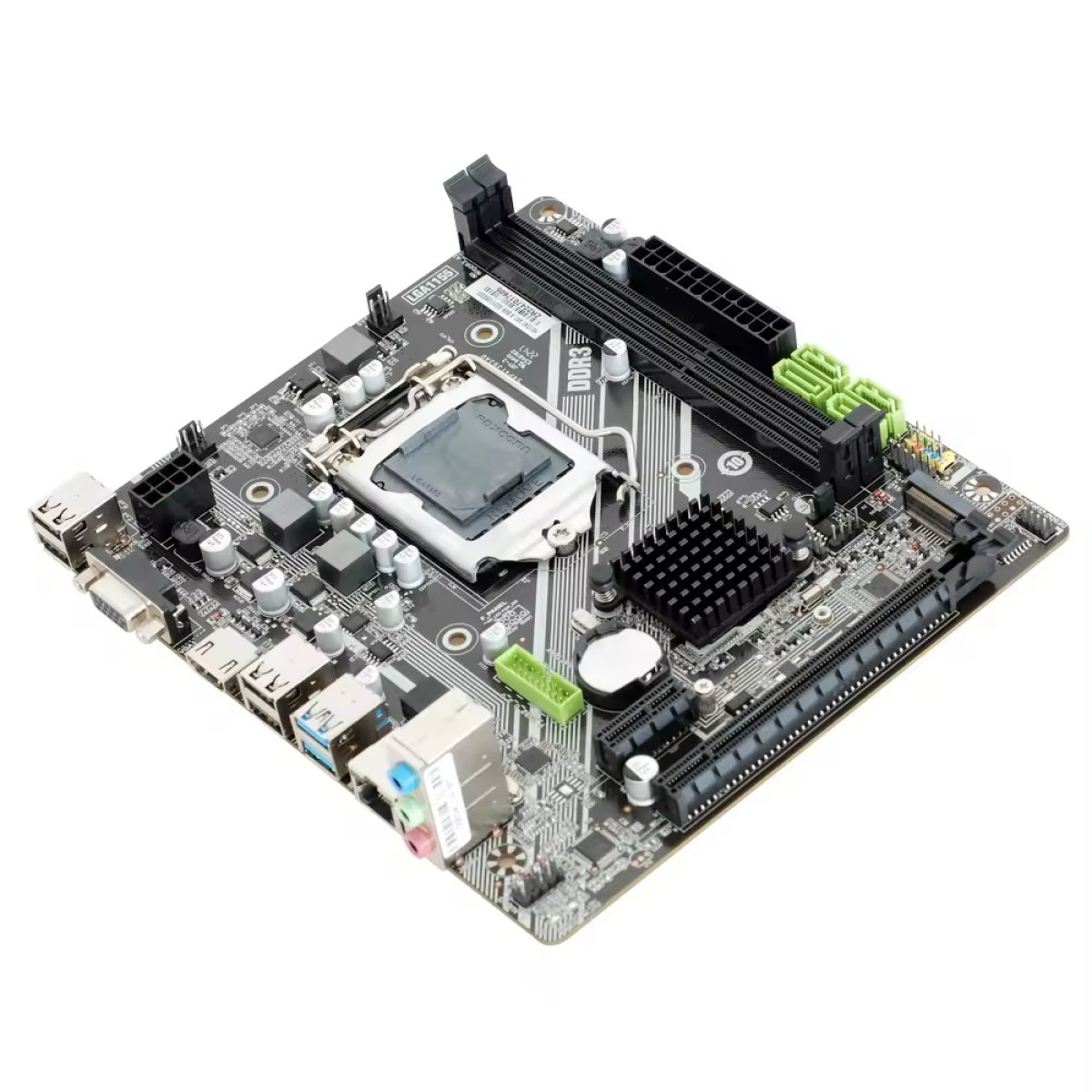
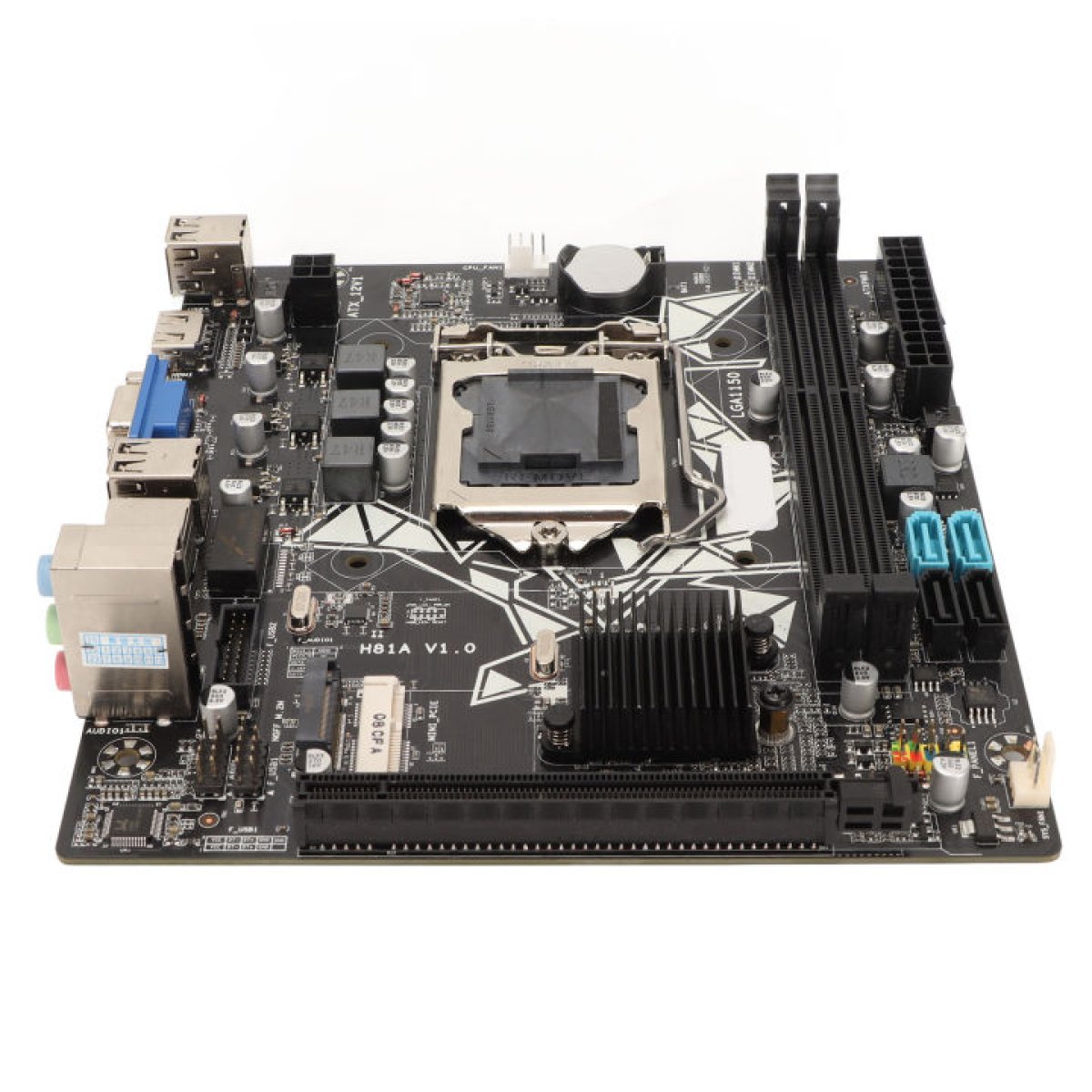
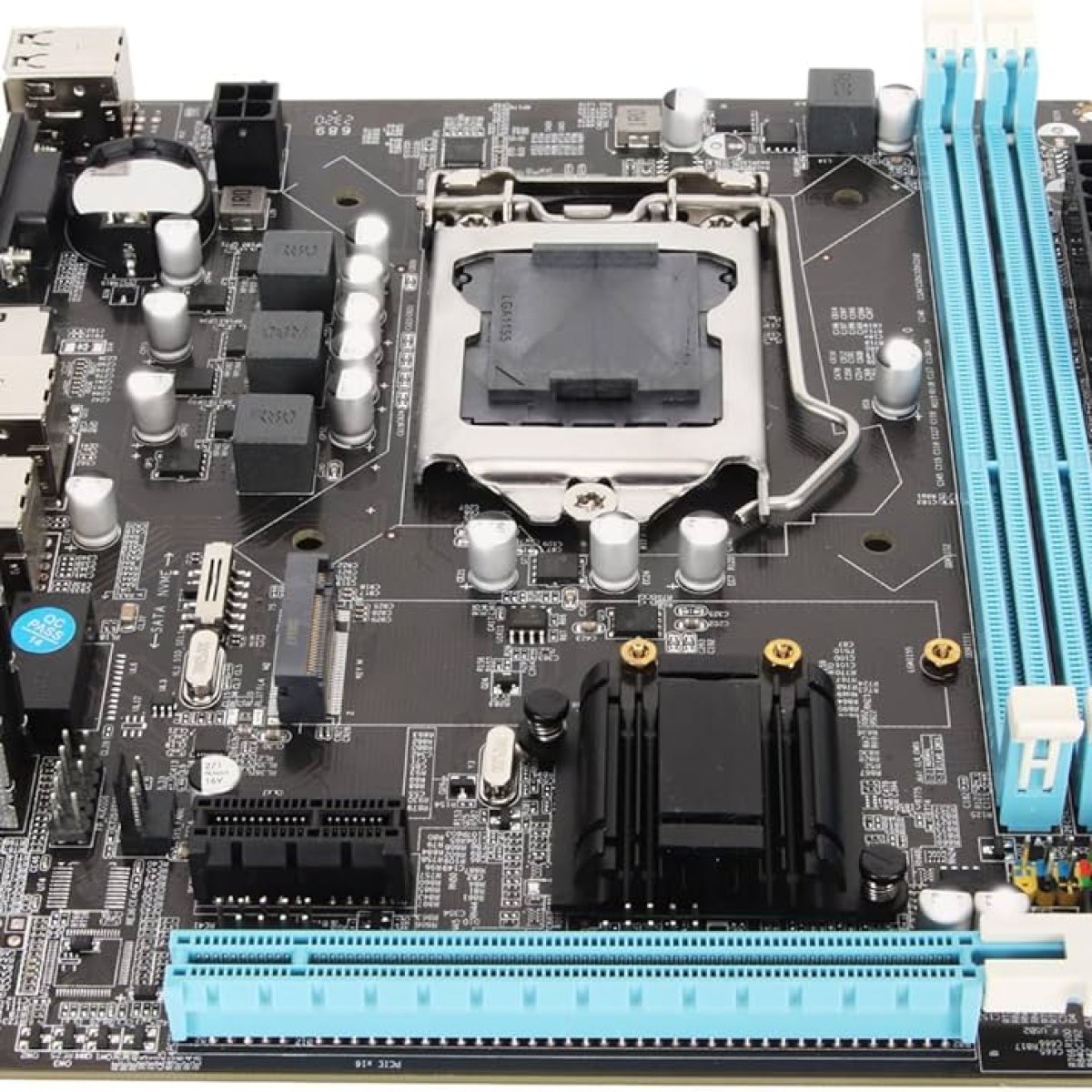
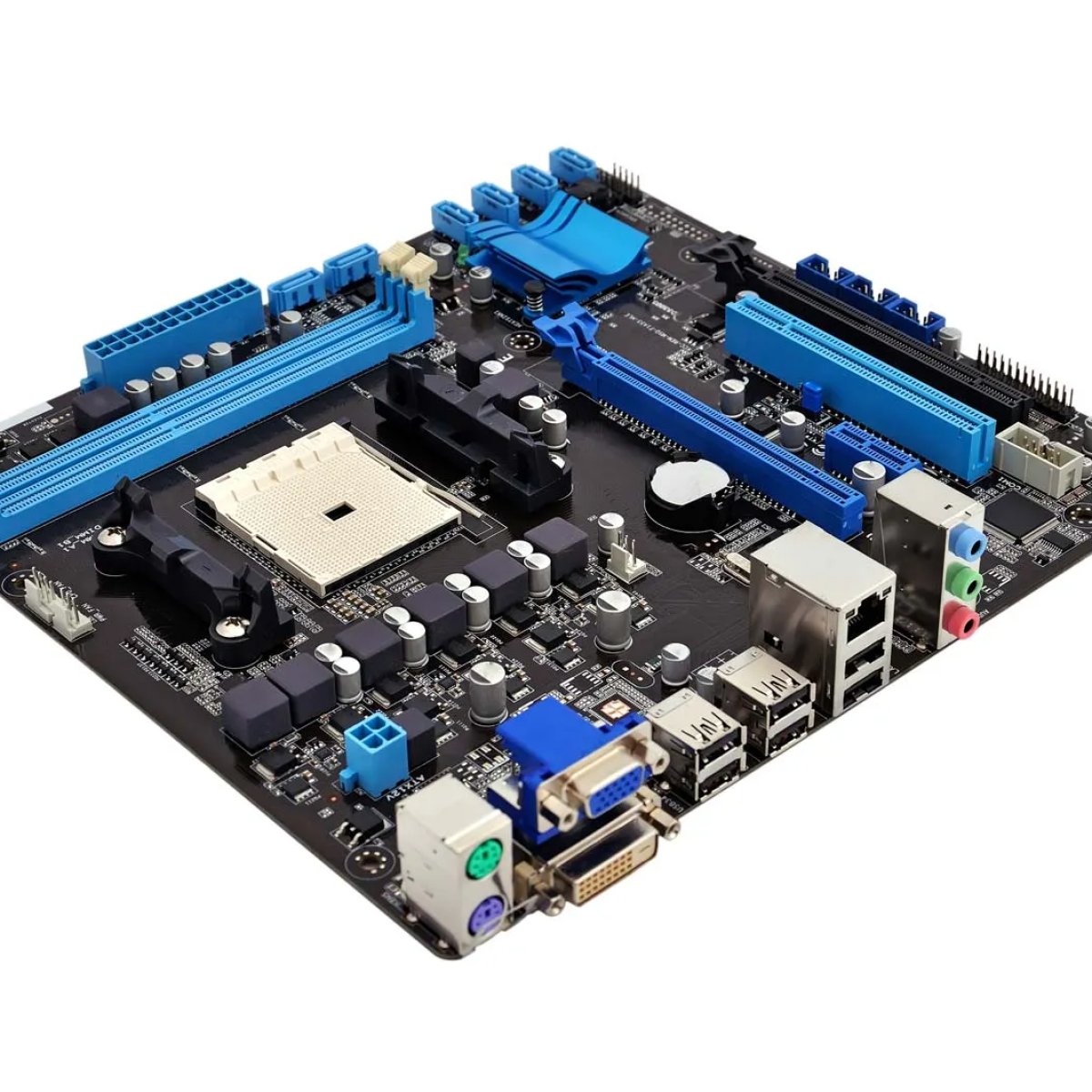
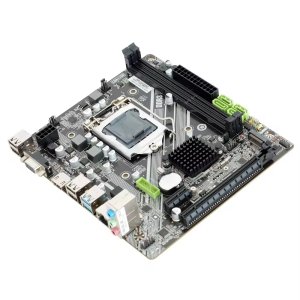
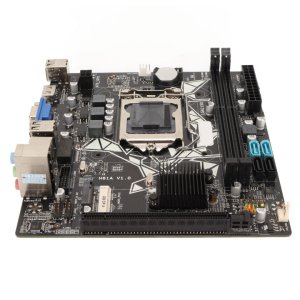
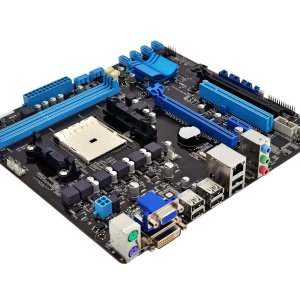
Motherboard is the main circuit board of a computer that connects and allows communication between all hardware components.
Motherboard is the central printed circuit board (PCB) in a computer system, serving as the backbone that connects and coordinates all internal components. It provides the physical structure and electrical pathways that enable communication between the processor (CPU), memory (RAM), storage devices, and peripheral components.
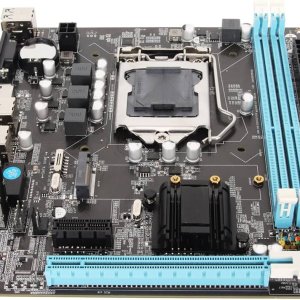
The motherboard includes key elements such as the CPU socket, RAM slots (DIMM slots), chipset, expansion slots (PCIe), storage connectors (SATA/NVMe), power connectors, and input/output (I/O) ports. These components work together to ensure that data flows efficiently between different parts of the system.
Modern motherboards support various technologies including high-speed data transfer, integrated audio and networking, USB connectivity, and sometimes built-in Wi-Fi and Bluetooth. They are designed in different form factors such as ATX, Micro-ATX, and Mini-ITX to fit different types of computer cases.
In addition to connectivity, the motherboard also manages power distribution and system stability through voltage regulators and firmware (BIOS/UEFI), which controls hardware initialization and system startup.
Overall, the motherboard is a critical component that determines the compatibility, expandability, and overall performance of a computer system, acting as the foundation for all computing operations.