
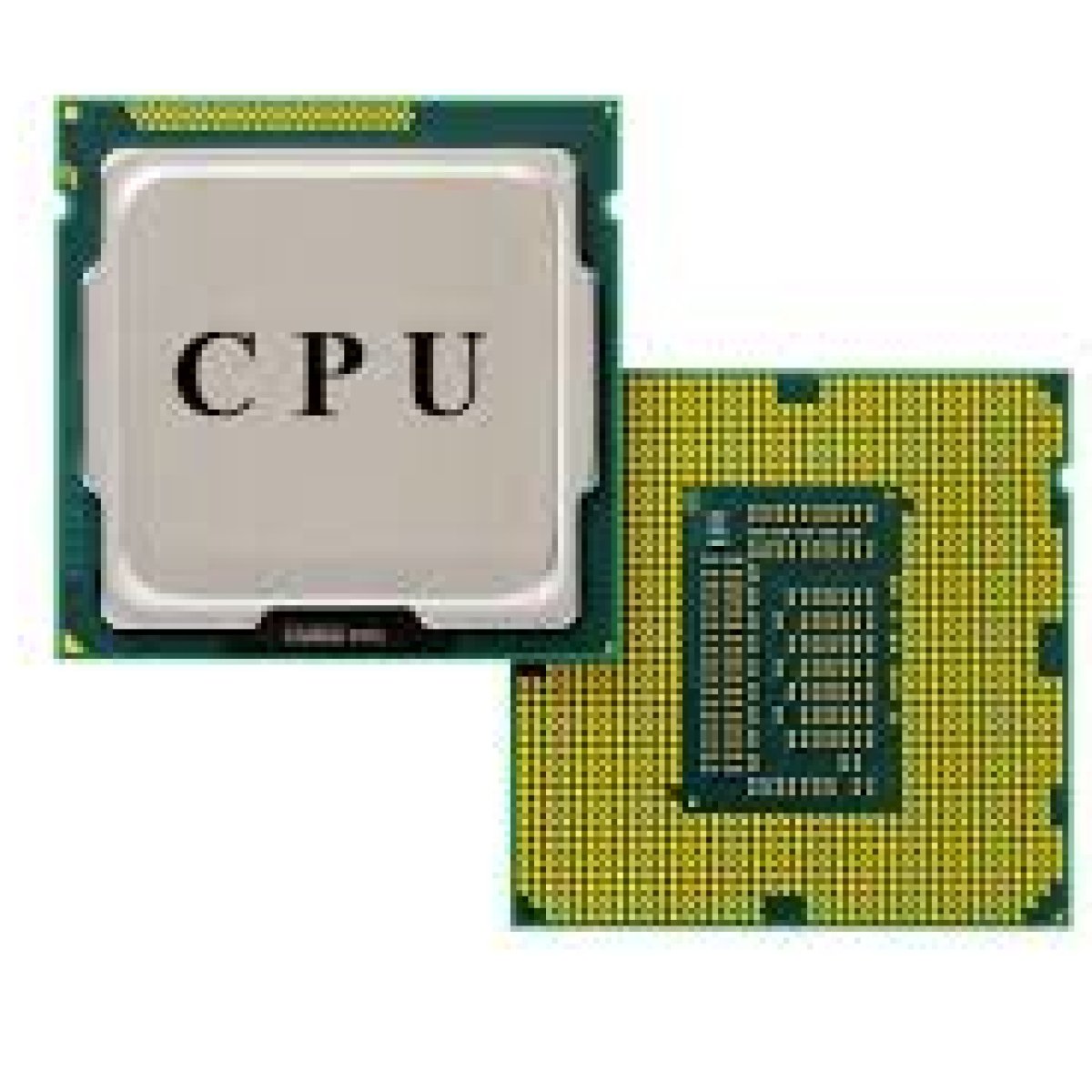
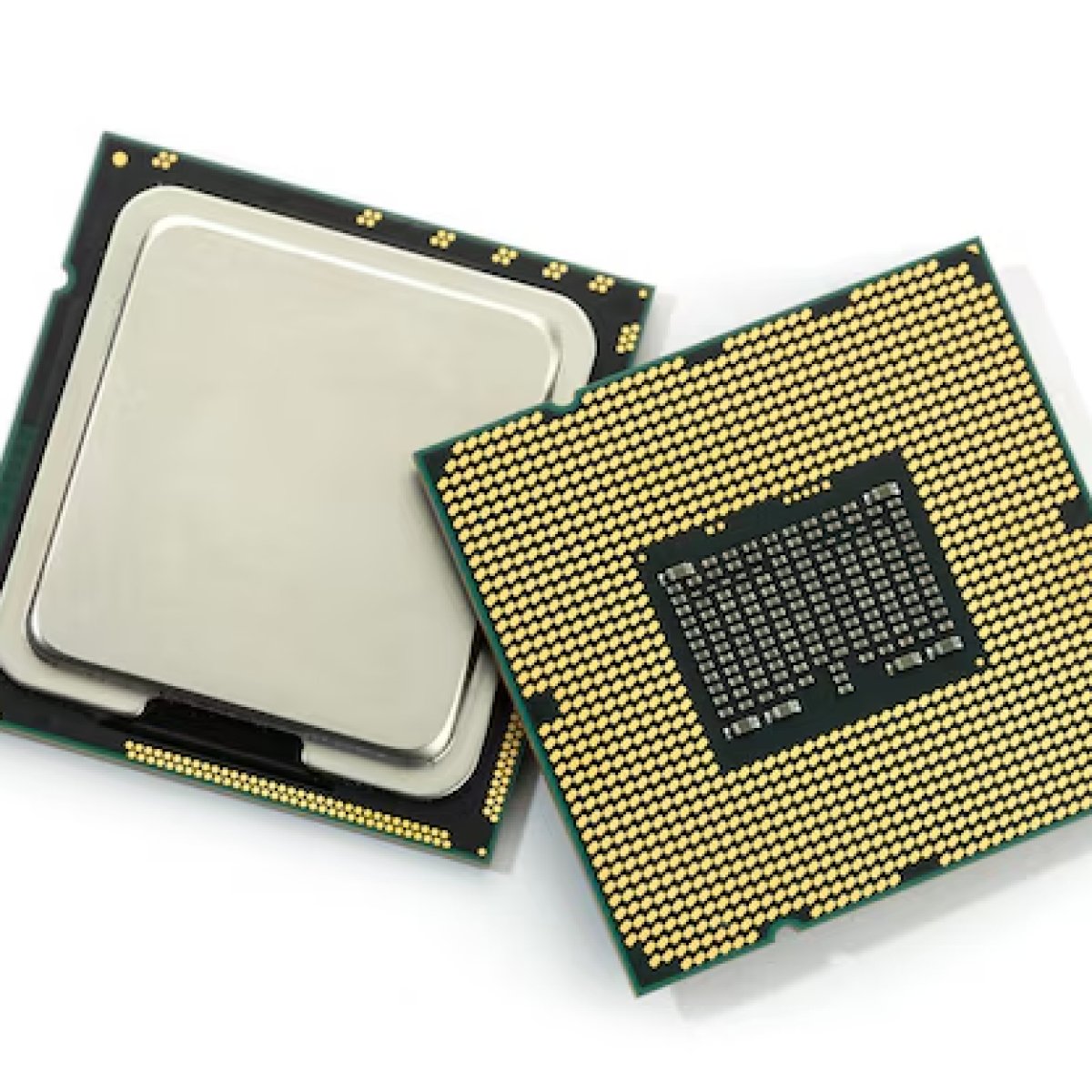
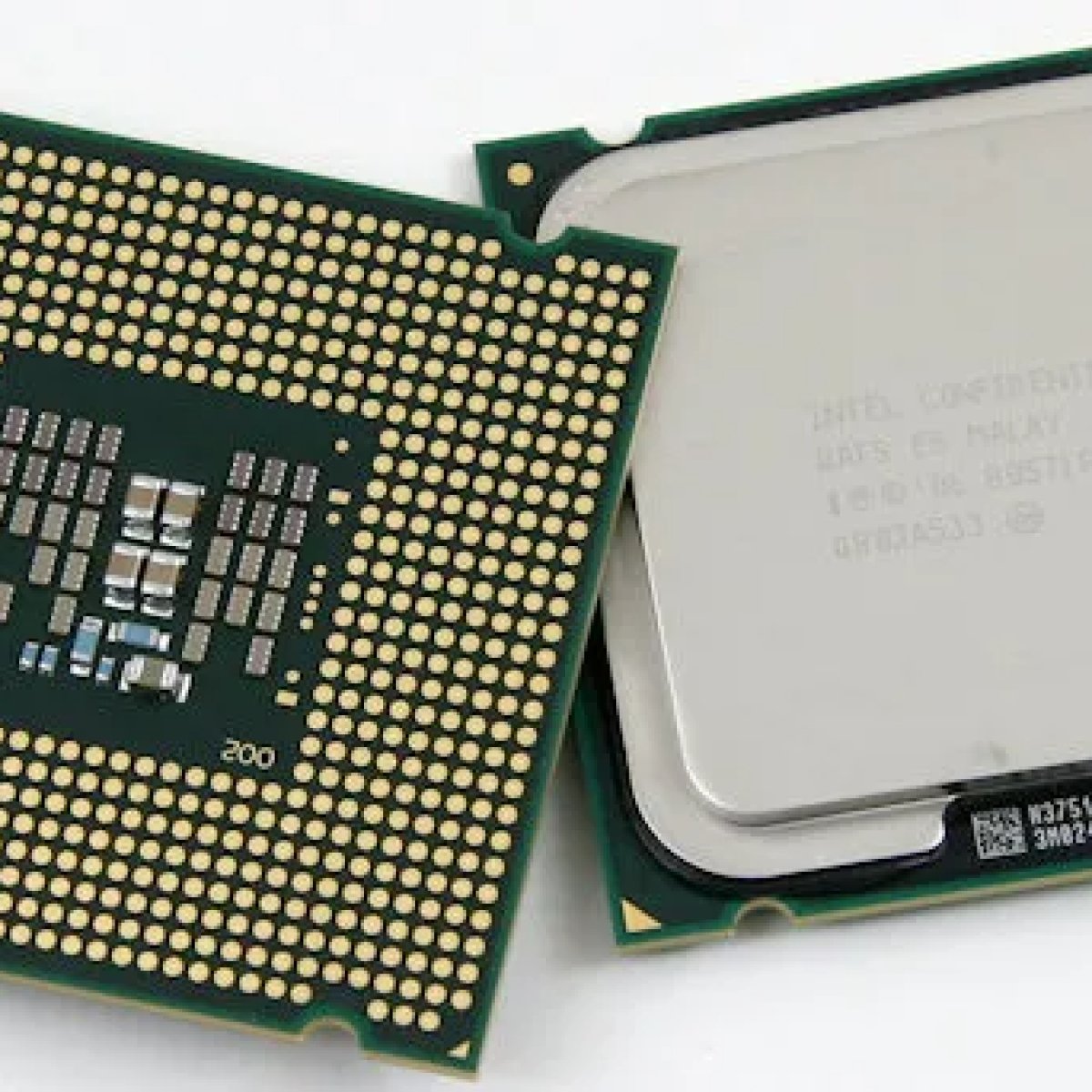
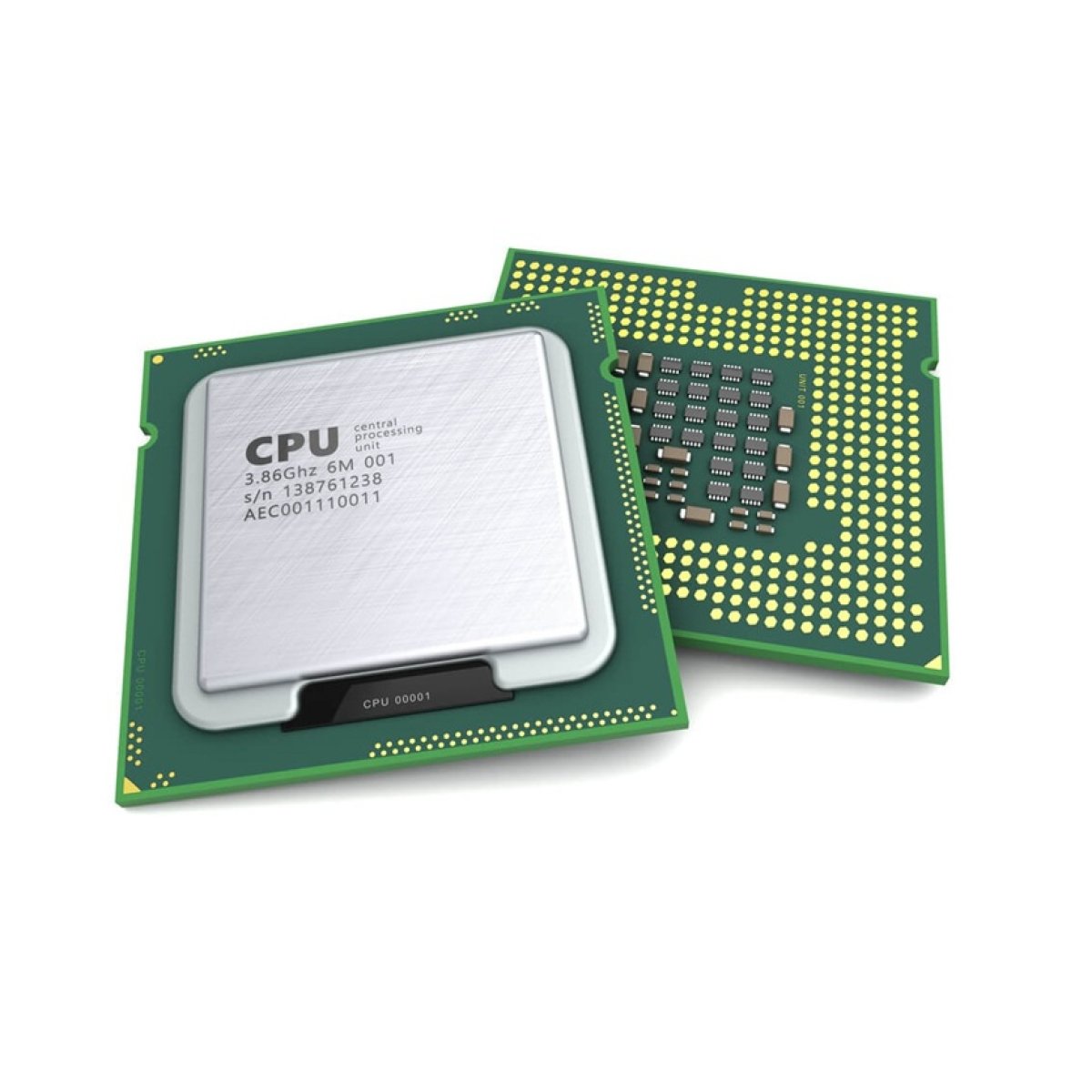
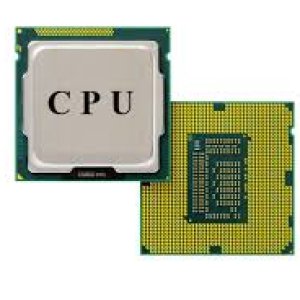
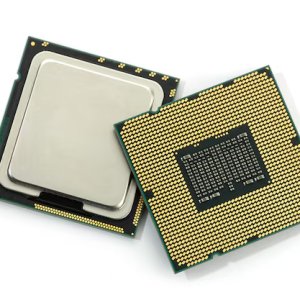
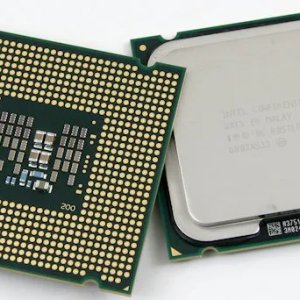
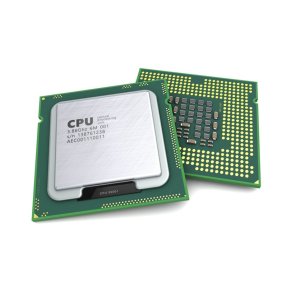
Processor (CPU) is the main computing unit of a computer that executes instructions and performs calculations required for system operations.
Processor, also known as a Central Processing Unit (CPU), is the core component of a computer responsible for executing instructions, performing calculations, and controlling all system operations. It acts as the “brain” of the computer, processing data and coordinating the activities of all other hardware and software components.
The CPU performs tasks through a sequence of operations—fetching instructions from memory, decoding them, and executing them. It consists of key elements such as the Arithmetic Logic Unit (ALU) for calculations, the Control Unit (CU) for directing operations, and registers for temporary data storage.
Modern processors are designed with multiple cores, allowing them to handle multiple tasks simultaneously (multithreading), which significantly improves performance and efficiency. They operate at high clock speeds (measured in GHz) and include cache memory to reduce data access time.
Processors are used in all types of computing devices, from desktops and laptops to servers and embedded systems. Their performance directly affects system speed, multitasking ability, and overall responsiveness.
Advanced CPUs also include features such as integrated graphics, power management technologies, and support for virtualization, making them suitable for a wide range of applications including office work, gaming, software development, and data processing.
Overall, the processor is the most critical component in a computer system, enabling efficient execution of tasks and smooth operation of all computing functions.