
RAID controller is a hardware or software component that manages multiple storage drives to work together as a single unit, improving performance, redundancy, or both.
RAID controller is a device or program used to manage a RAID (Redundant Array of Independent Disks) system, which combines multiple physical hard drives or SSDs into one logical unit. Its primary purpose is to enhance data performance, reliability, or a balance of both, depending on the RAID level used (such as RAID 0, RAID 1, RAID 5, RAID 10).
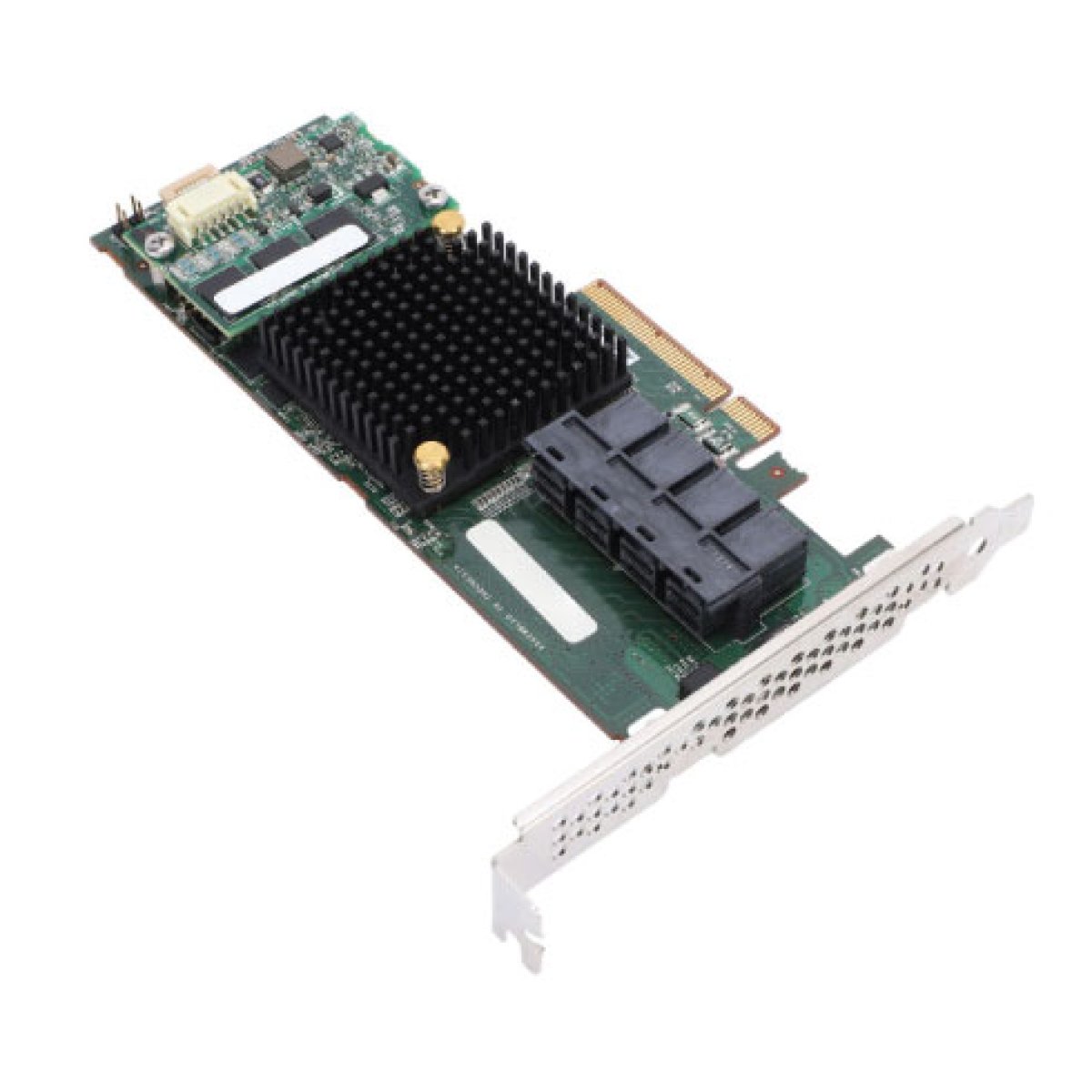
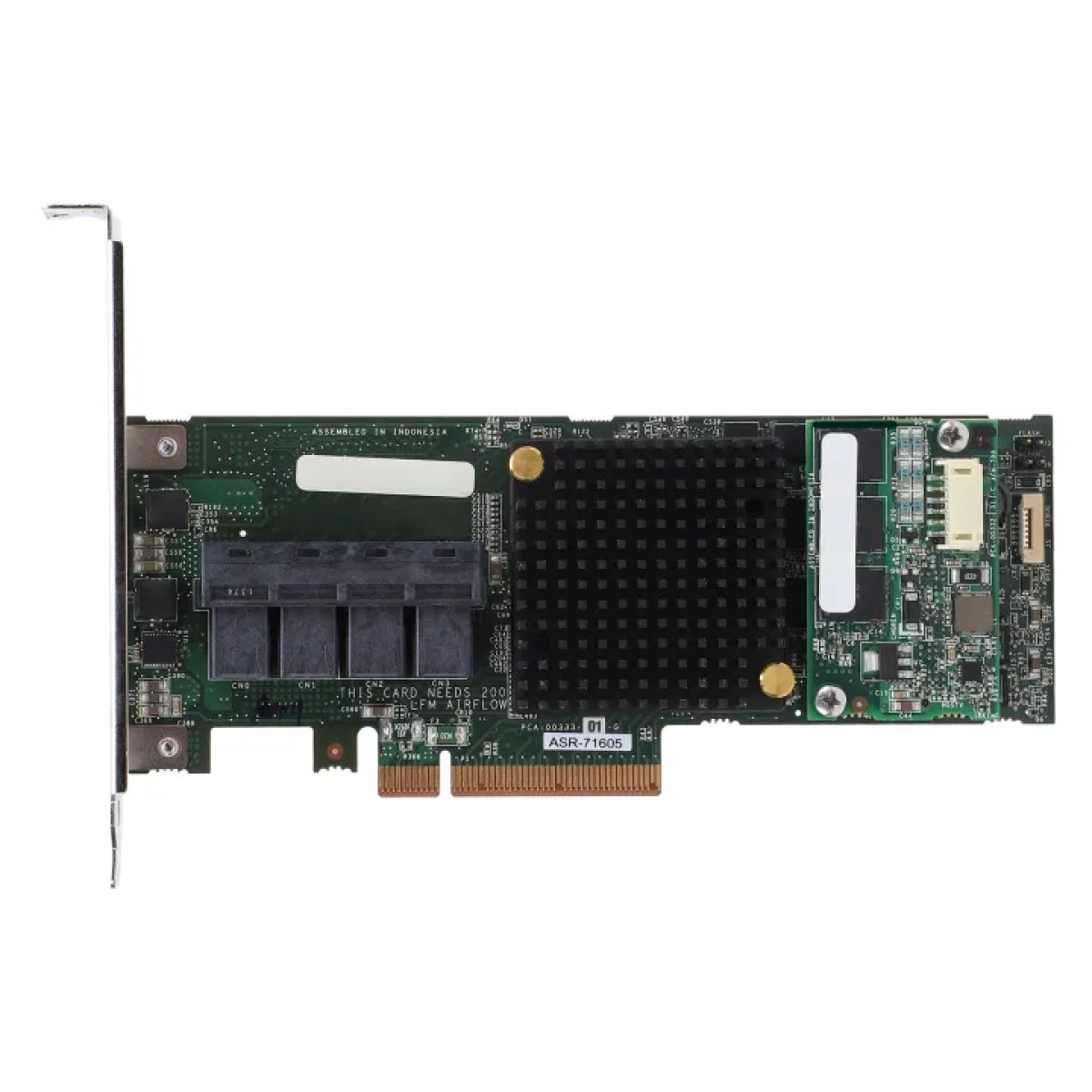
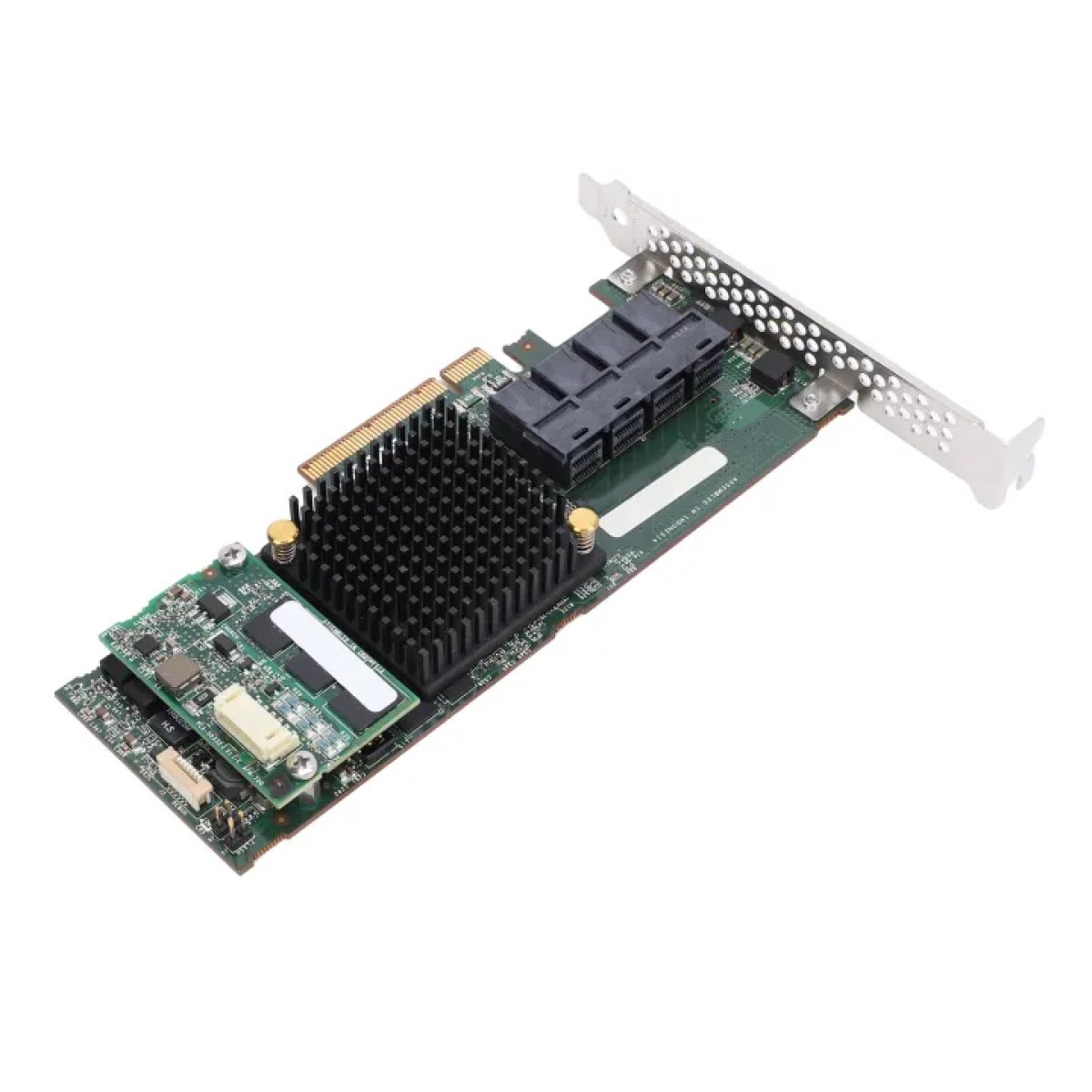
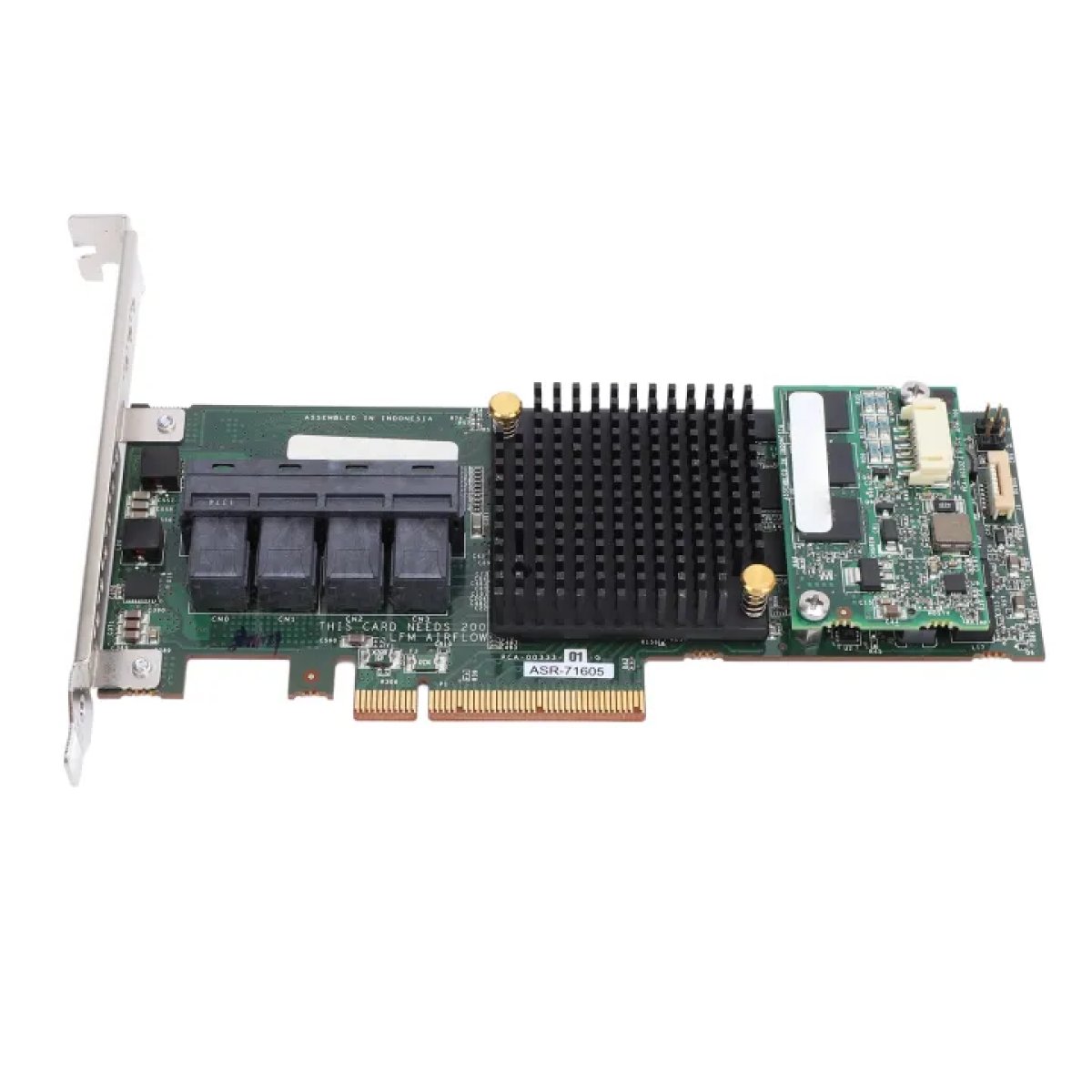
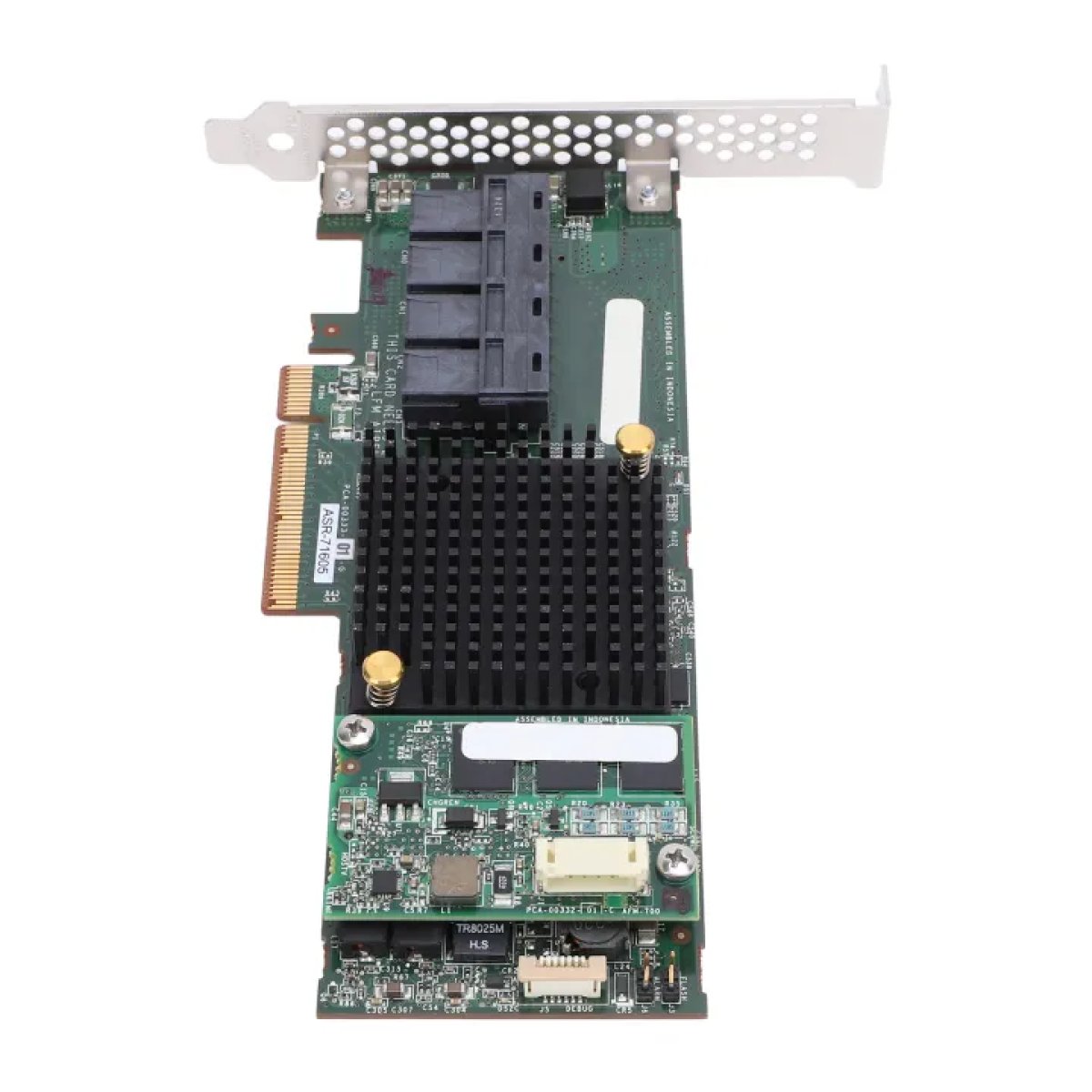
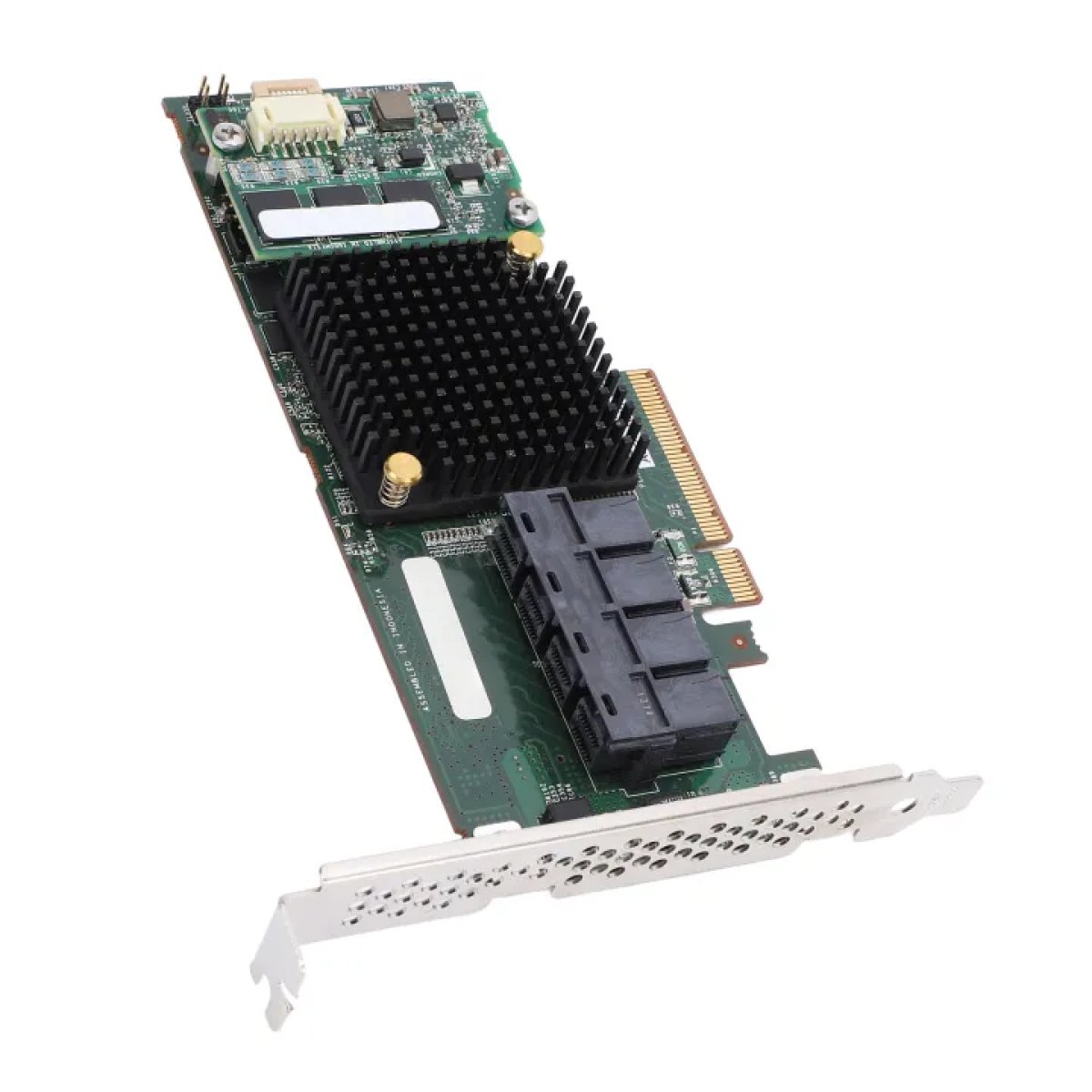
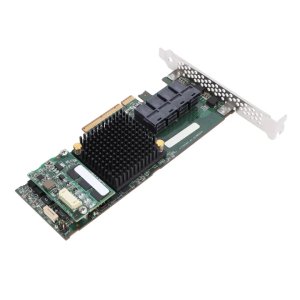
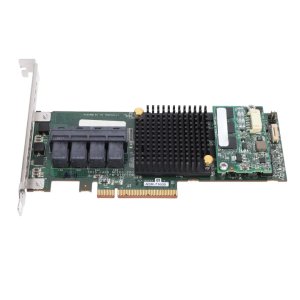
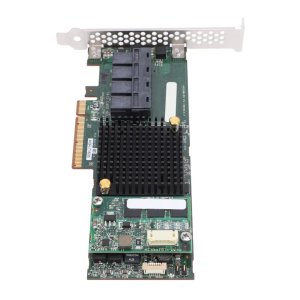
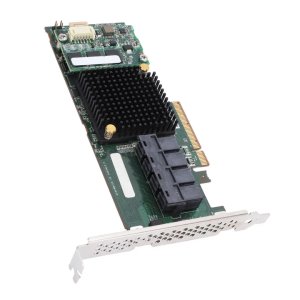
Hardware RAID controllers, like the one shown in the image, are dedicated expansion cards installed into a computer’s motherboard (typically via a PCIe slot). They include their own processor and memory to handle RAID operations independently of the system’s CPU, resulting in better performance and reduced system load. These controllers often provide multiple ports (such as SATA or SAS) for connecting several drives and may include features like battery-backed cache for data protection.
Software RAID controllers, on the other hand, rely on the operating system and CPU to manage RAID configurations, which can be more cost-effective but may impact system performance.
RAID controllers are widely used in servers, workstations, and high-performance systems where data redundancy, uptime, and speed are critical. They help protect against data loss (in redundant setups) and can significantly increase read/write speeds by distributing data across multiple drives.