
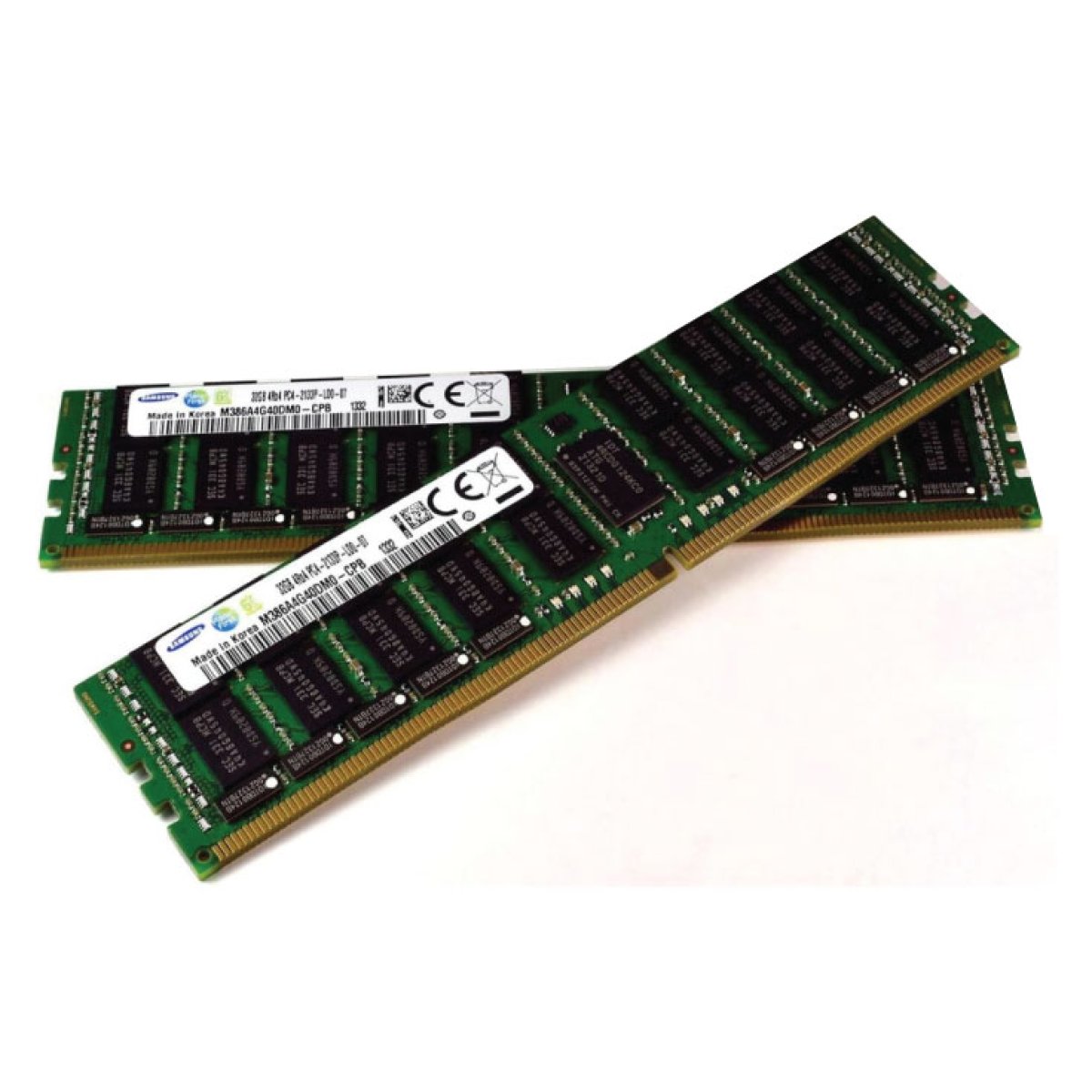
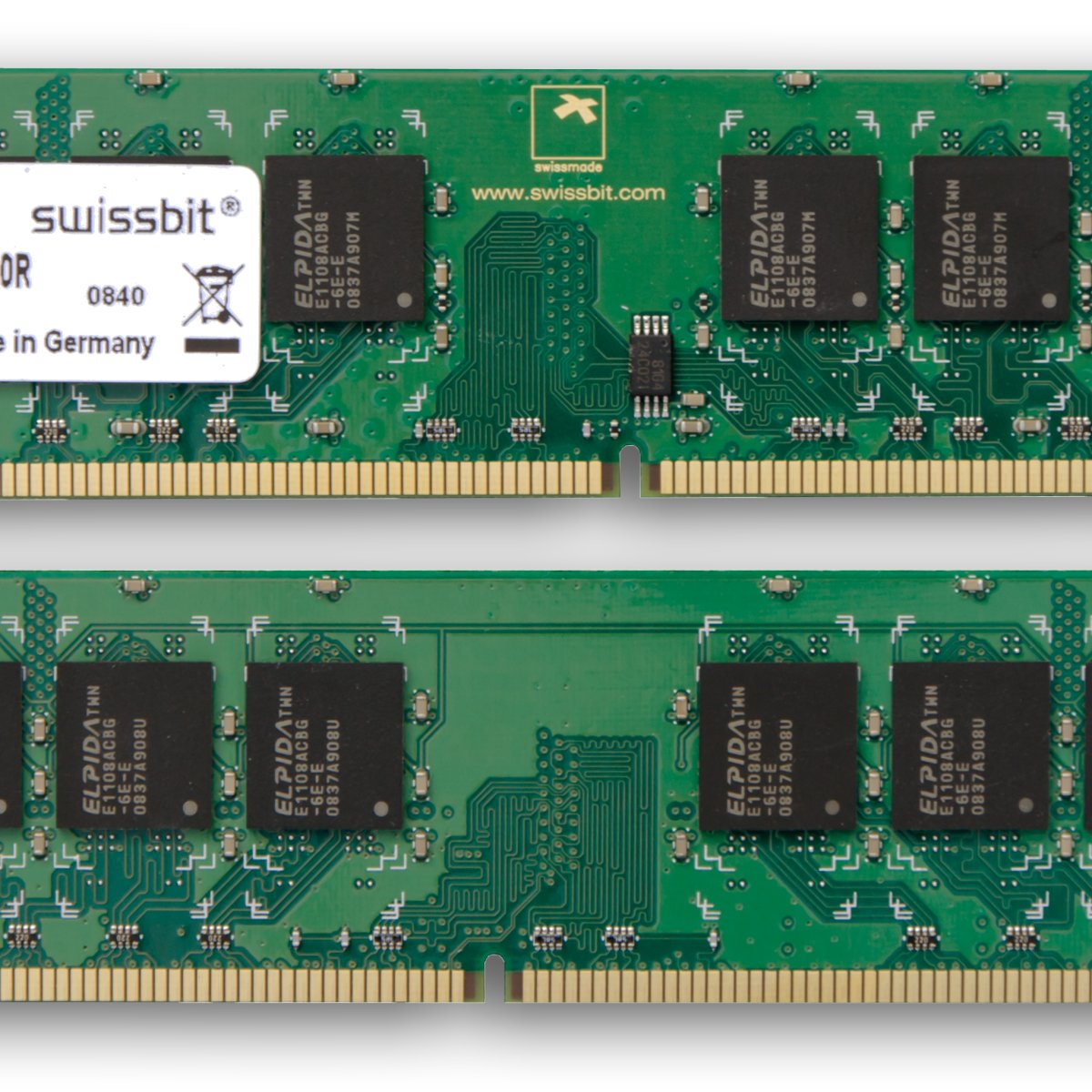
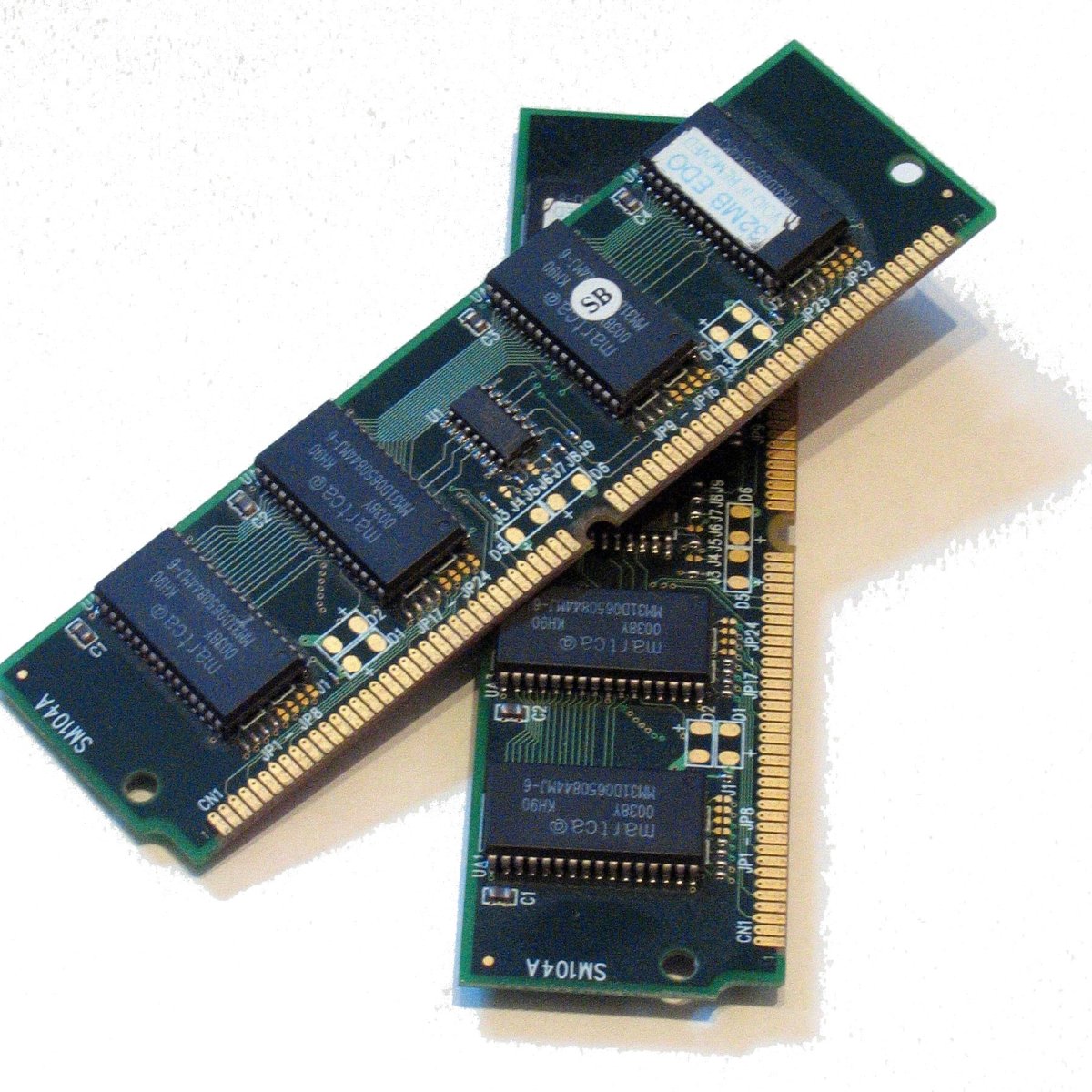
RAM (Random Access Memory) is a type of computer memory that temporarily stores data and instructions for quick access by the processor, enabling fast system performance and multitasking.
RAM (Random Access Memory) is a volatile memory component used in computers and other digital devices to store data that is actively being used or processed. Unlike permanent storage devices such as hard drives or SSDs, RAM only retains information while the system is powered on. It allows the CPU to quickly read and write data, significantly improving speed and efficiency compared to slower storage options.
RAM is essential for running applications, loading operating systems, and handling multiple tasks simultaneously. The more RAM a system has, the more data it can manage at once, which leads to smoother performance, especially when using demanding software like games, video editing tools, or virtual machines.
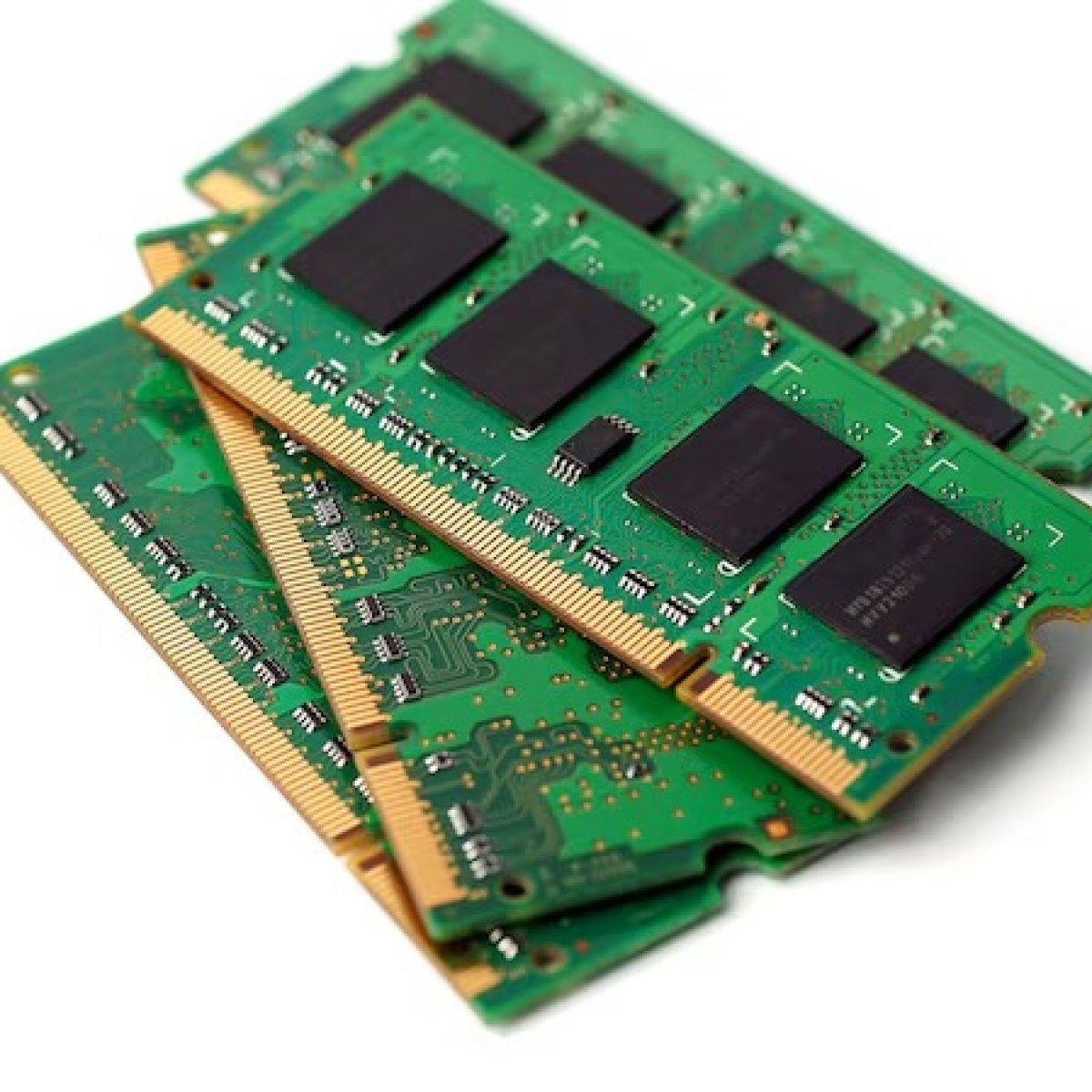
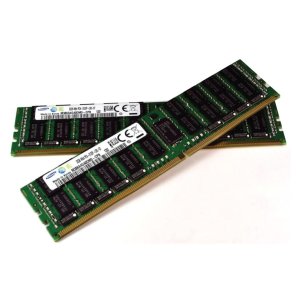
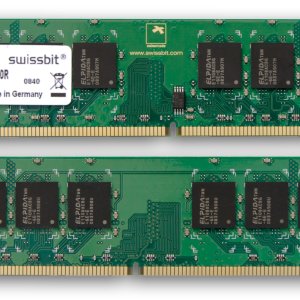
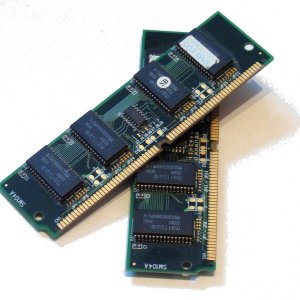
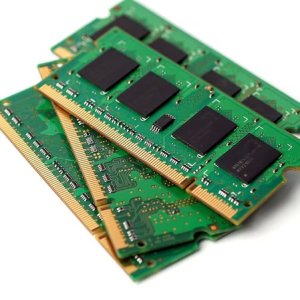
There are different types of RAM, such as DDR (Double Data Rate) variants (e.g., DDR3, DDR4, DDR5), each offering improvements in speed, bandwidth, and energy efficiency. RAM modules come in physical forms like DIMM (used in desktops) and SO-DIMM (used in laptops).
In summary, RAM acts as a fast, temporary workspace that bridges the gap between the processor and long-term storage, playing a critical role in overall system performance.