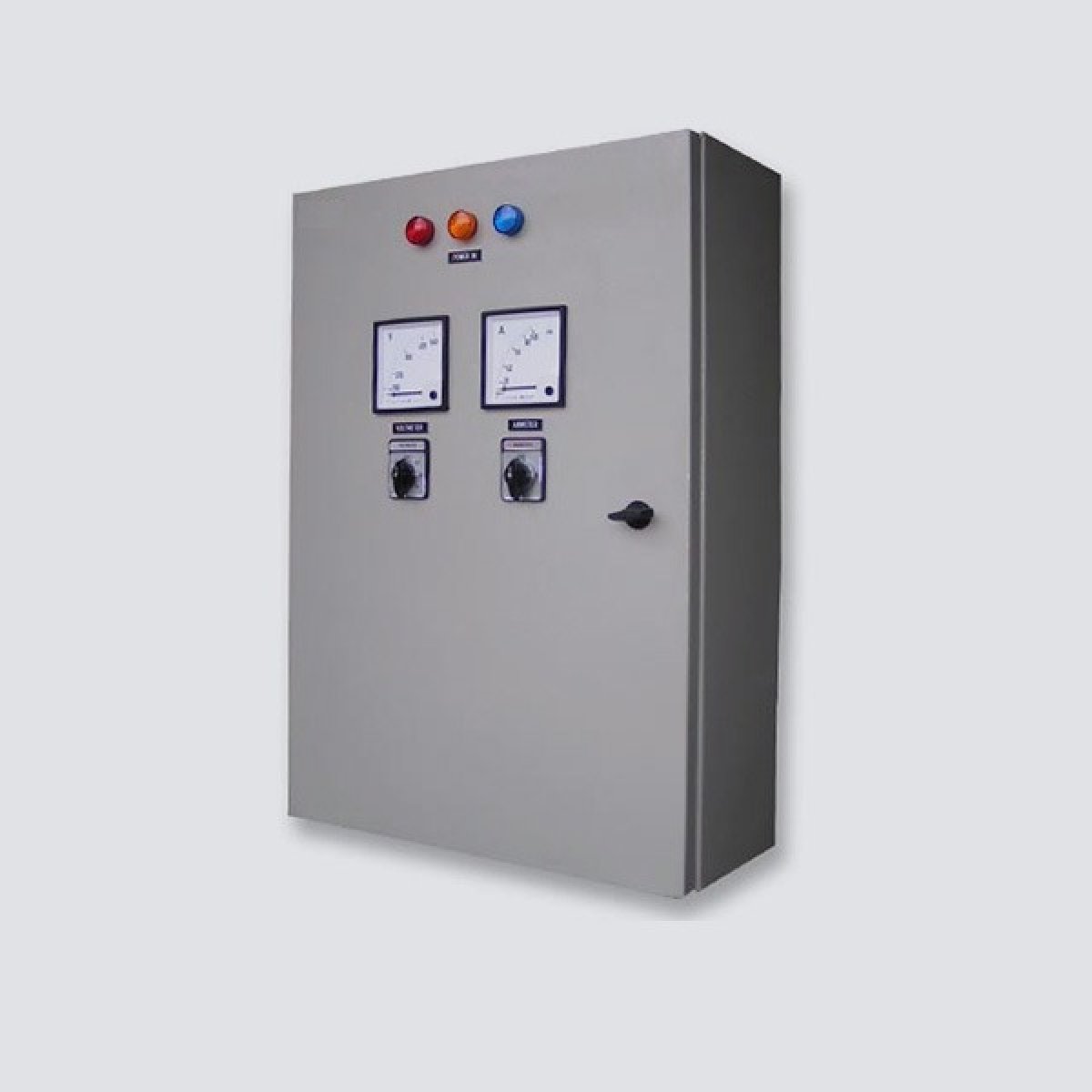
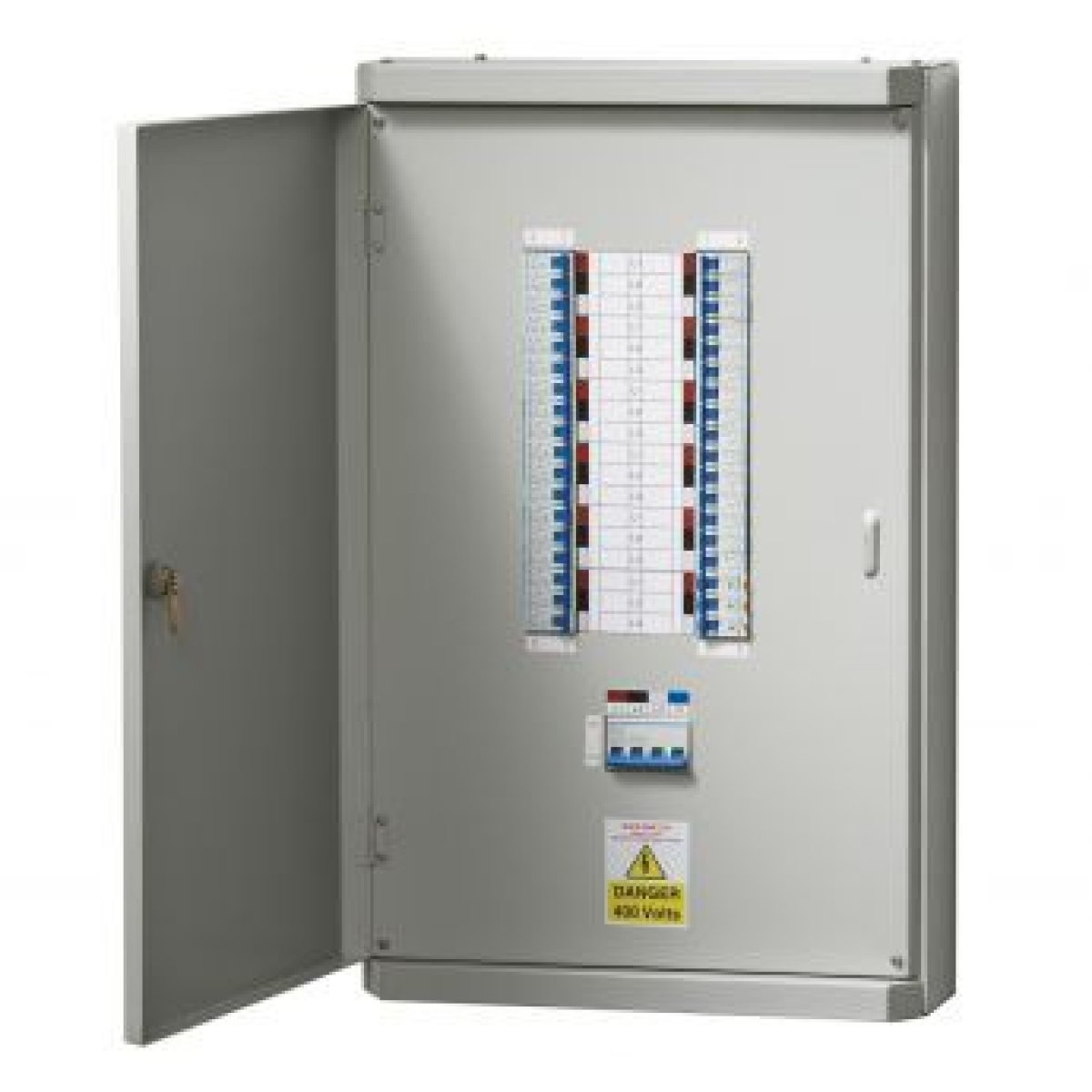
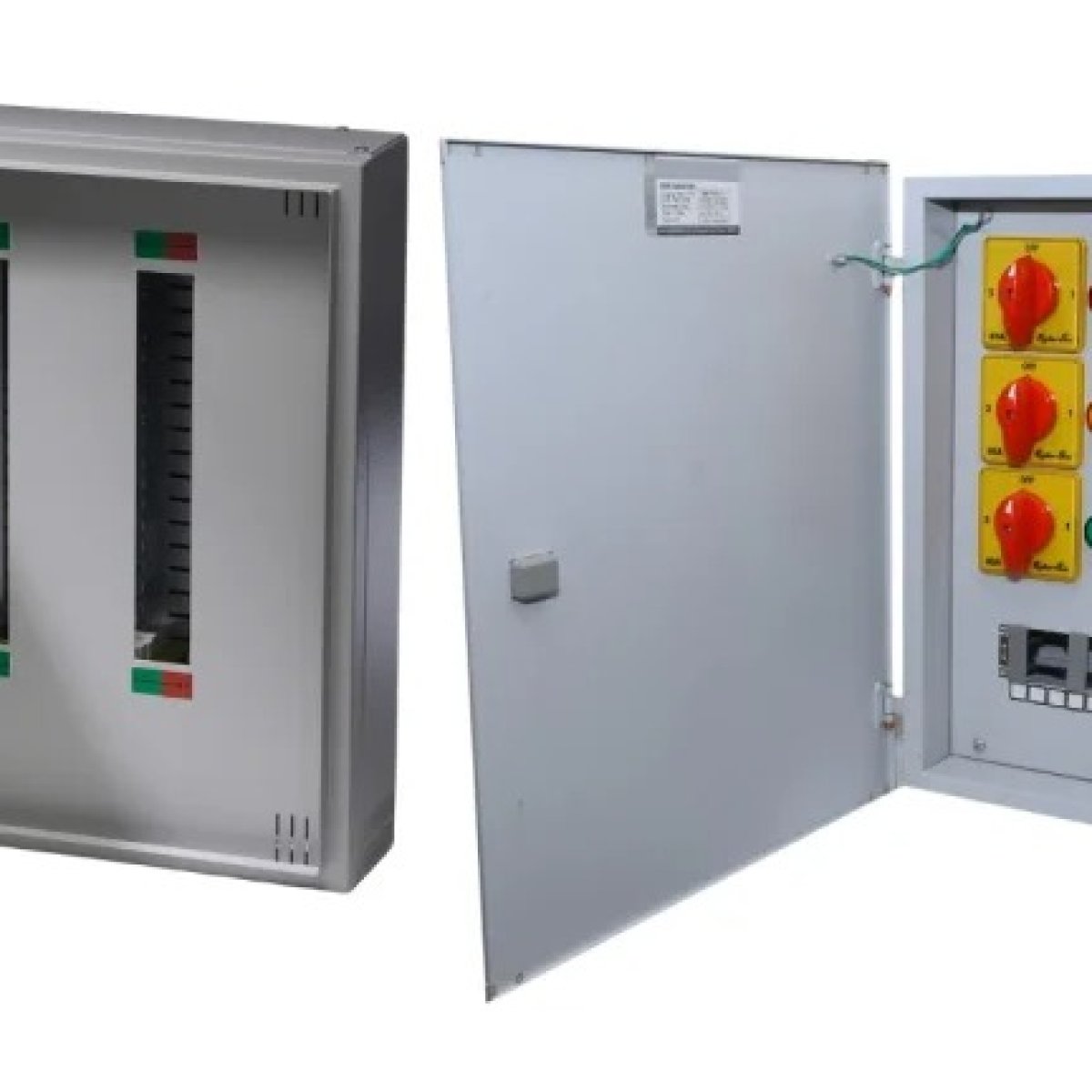
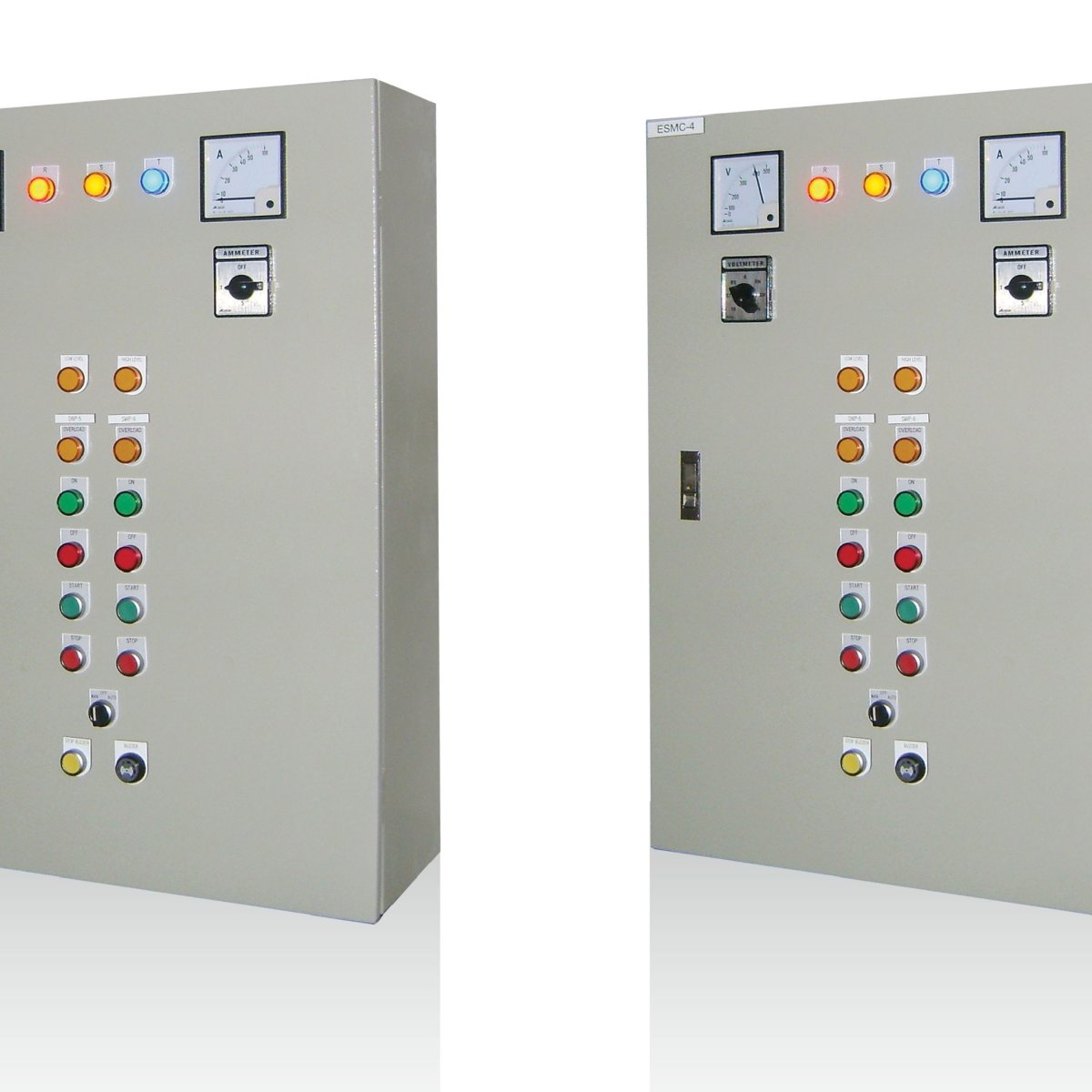
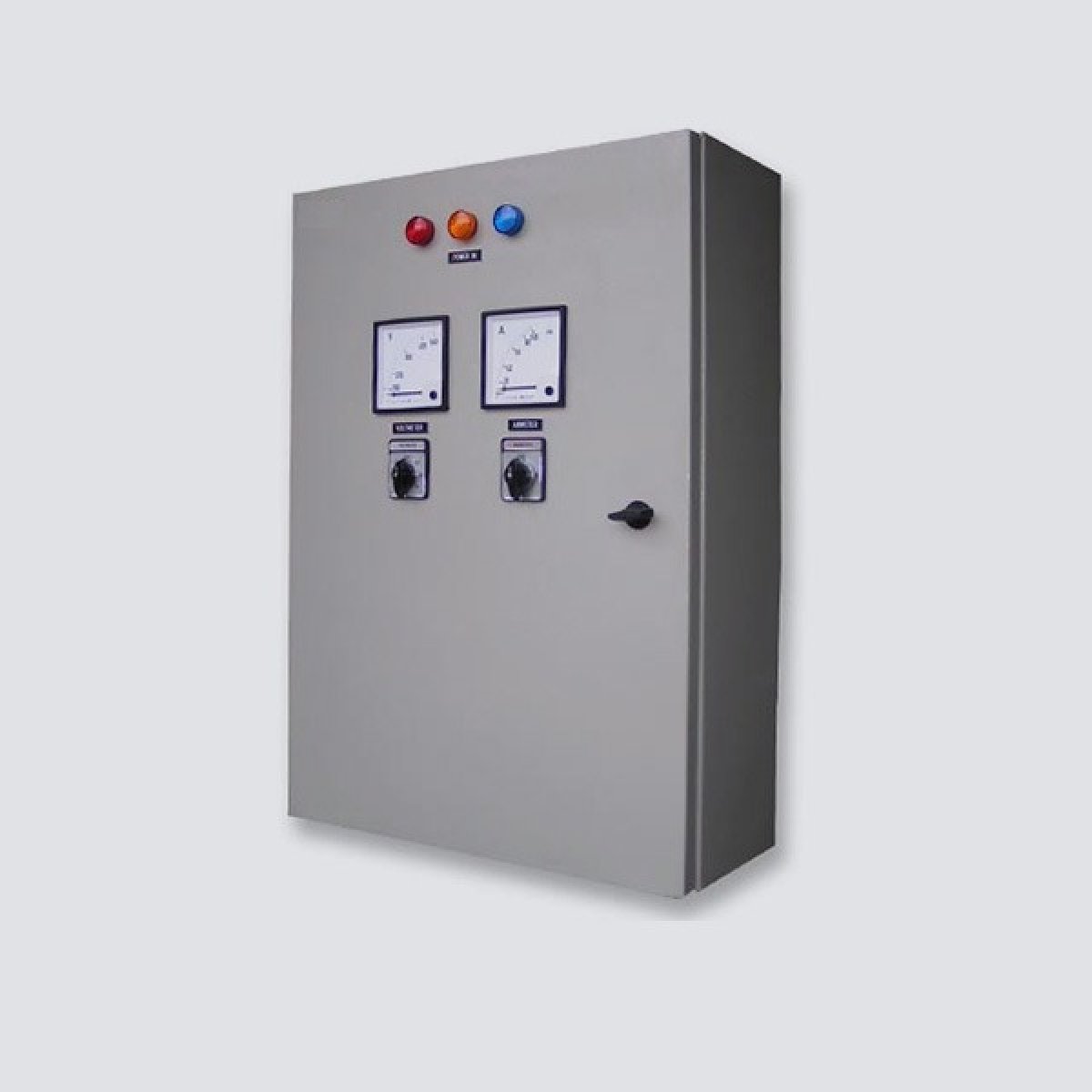
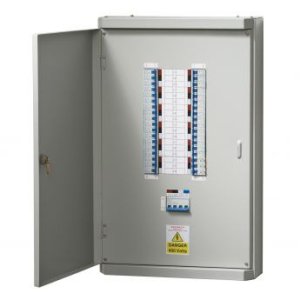
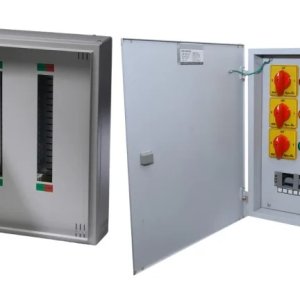
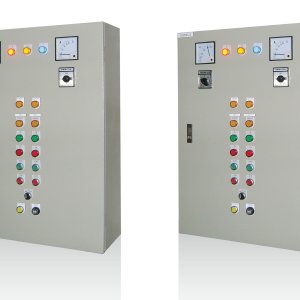
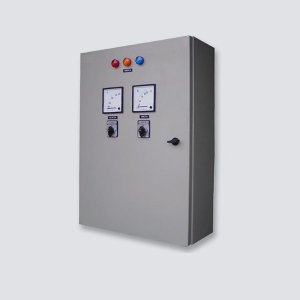
An SDB acts as an intermediate hub in a building's power system, dividing electricity from a large feeder cable into several smaller sub-circuits. It provides localized protection and control, allowing maintenance on one area—like a garage or basement—without shutting down power to the entire facility.
The SDB is a critical building block for scalable and safe electrical infrastructure, especially in multi-tenant or large-scale residential and commercial projects.
- Core Functionality:
- Localized Distribution: It minimizes cable run lengths by placing distribution closer to end-use equipment (e.g., EV chargers or workshop outlets).
- Fault Isolation: It ensures that electrical issues remain isolated in one zone, preventing a local fault from tripping the main upstream breaker.
- Circuit Customization: SDBs can be tailor-made with specific numbers of outgoing ways to meet exact project needs.
- Key Internal Components:
- Incoming Protection: Typically features a Double Pole (DP) MCB or a Molded Case Circuit Breaker (MCCB) as the main isolator.
- Safety Devices: Often contains Surge Protection Devices (SPD) for voltage spike protection and Residual Current Devices (RCD/RCCB) to prevent electric shocks.
- Outgoing Feeders: Uses multiple Single Pole (SP) MCBs to protect and control individual final circuits.
- Busbars & Terminals: Includes high-quality copper or aluminum busbars for power routing, along with dedicated neutral and earth bars for safe grounding.
- Typical Specifications:
- Voltage System: Standard 230V/415V AC at 50Hz or 60Hz.
- Current Ratings: Often rated for loads up to 630A, with common sub-panel sizes ranging from 125A to 250A.
- Enclosure: Built from powder-coated steel with IP ratings (e.g., IP42 to IP66) to handle indoor or outdoor environments.