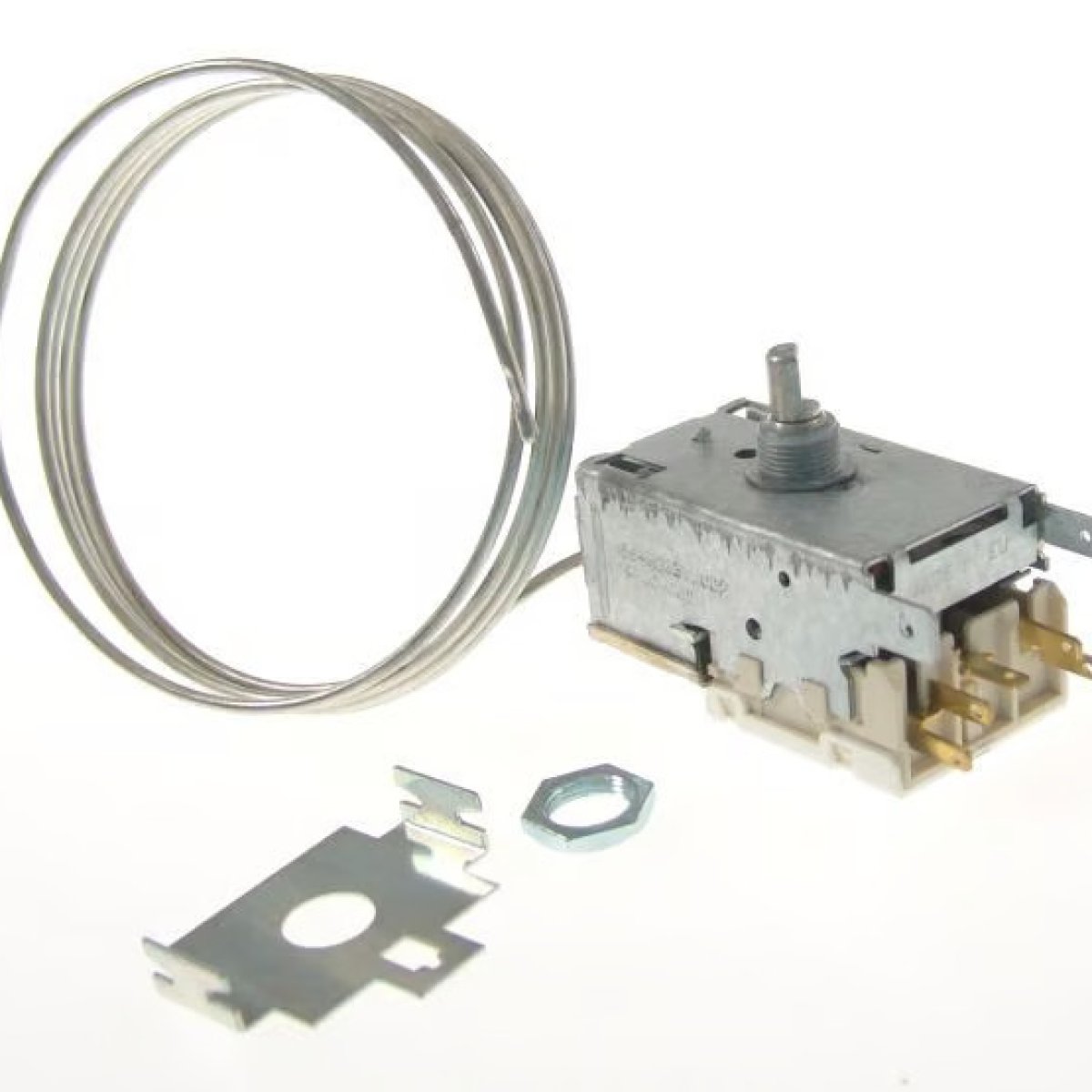
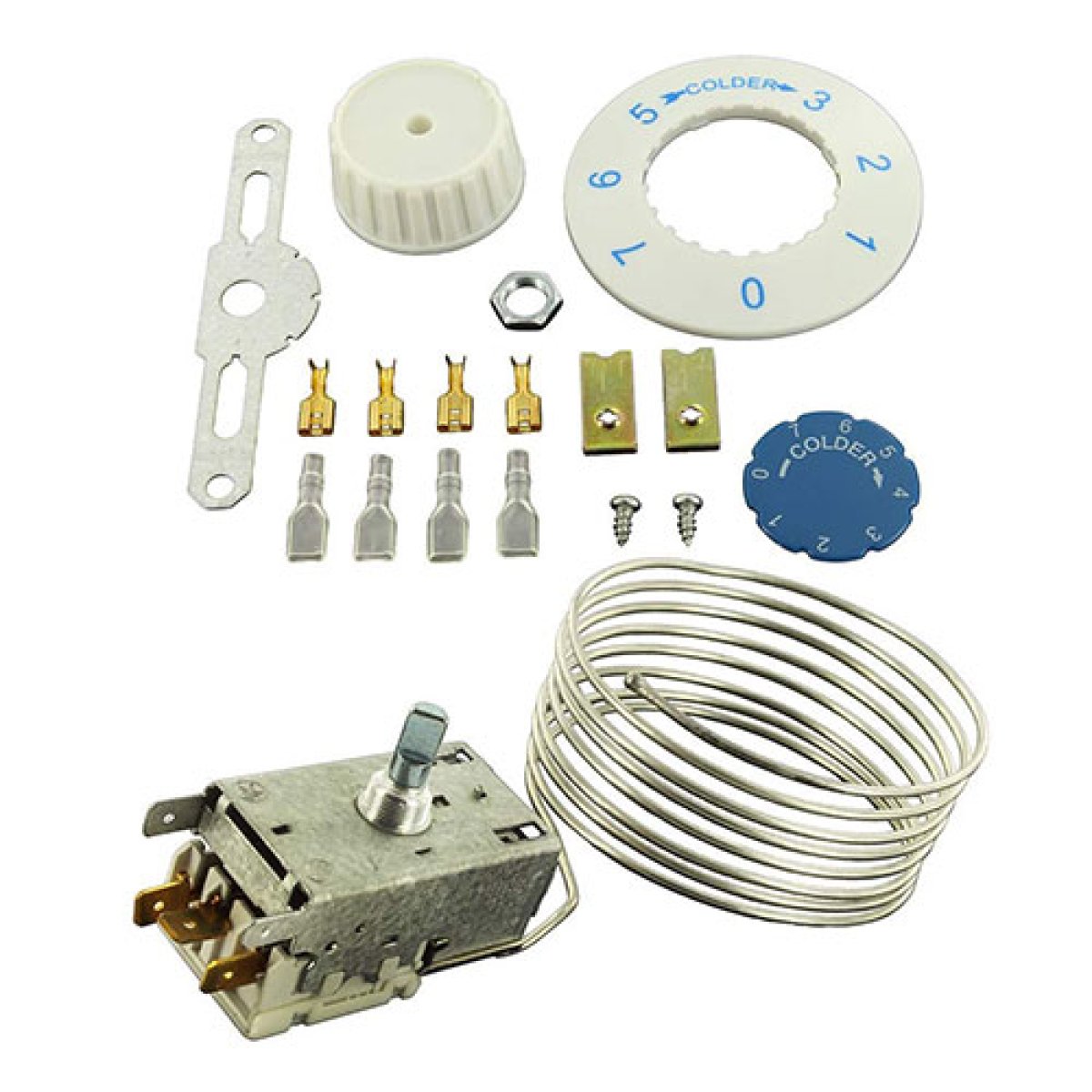
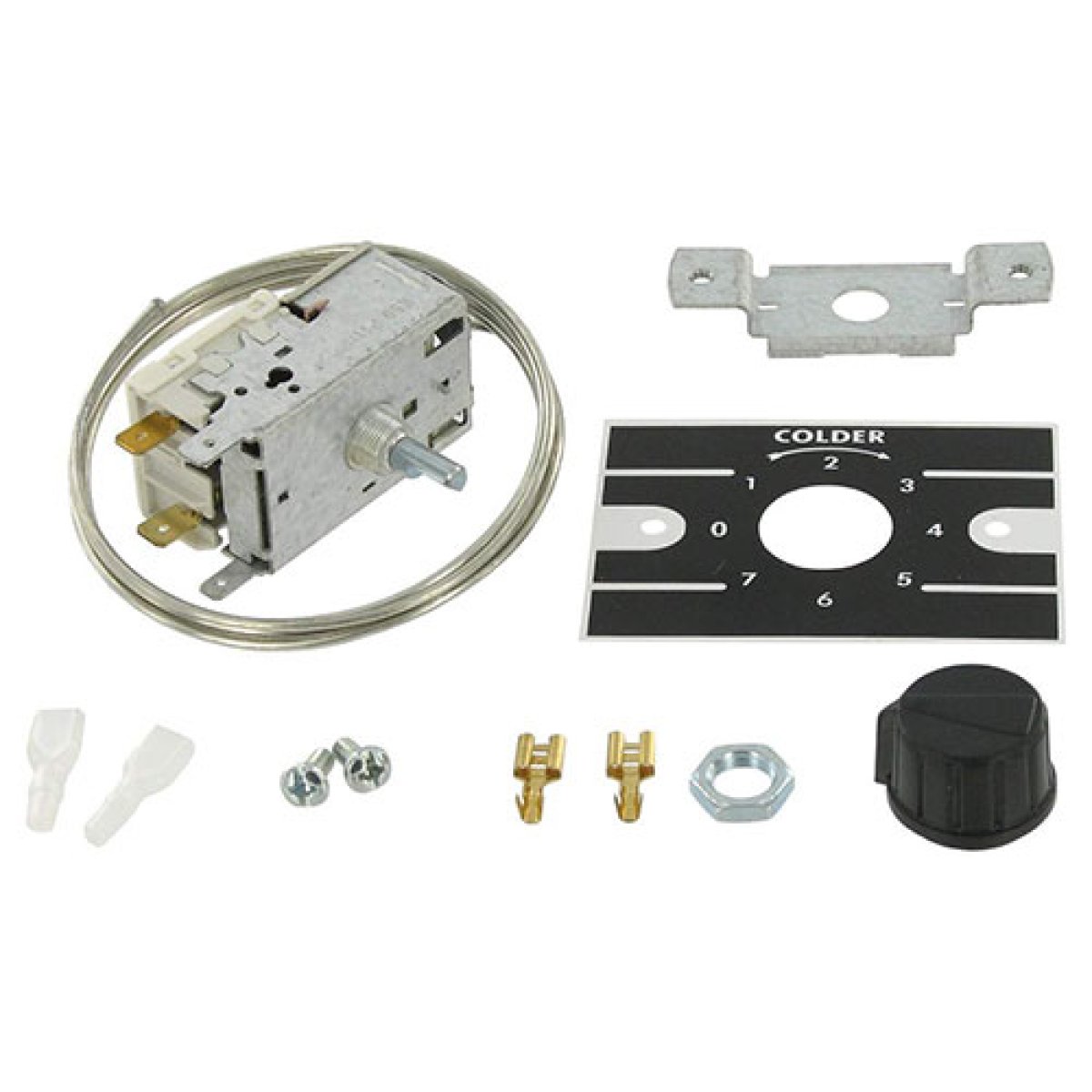
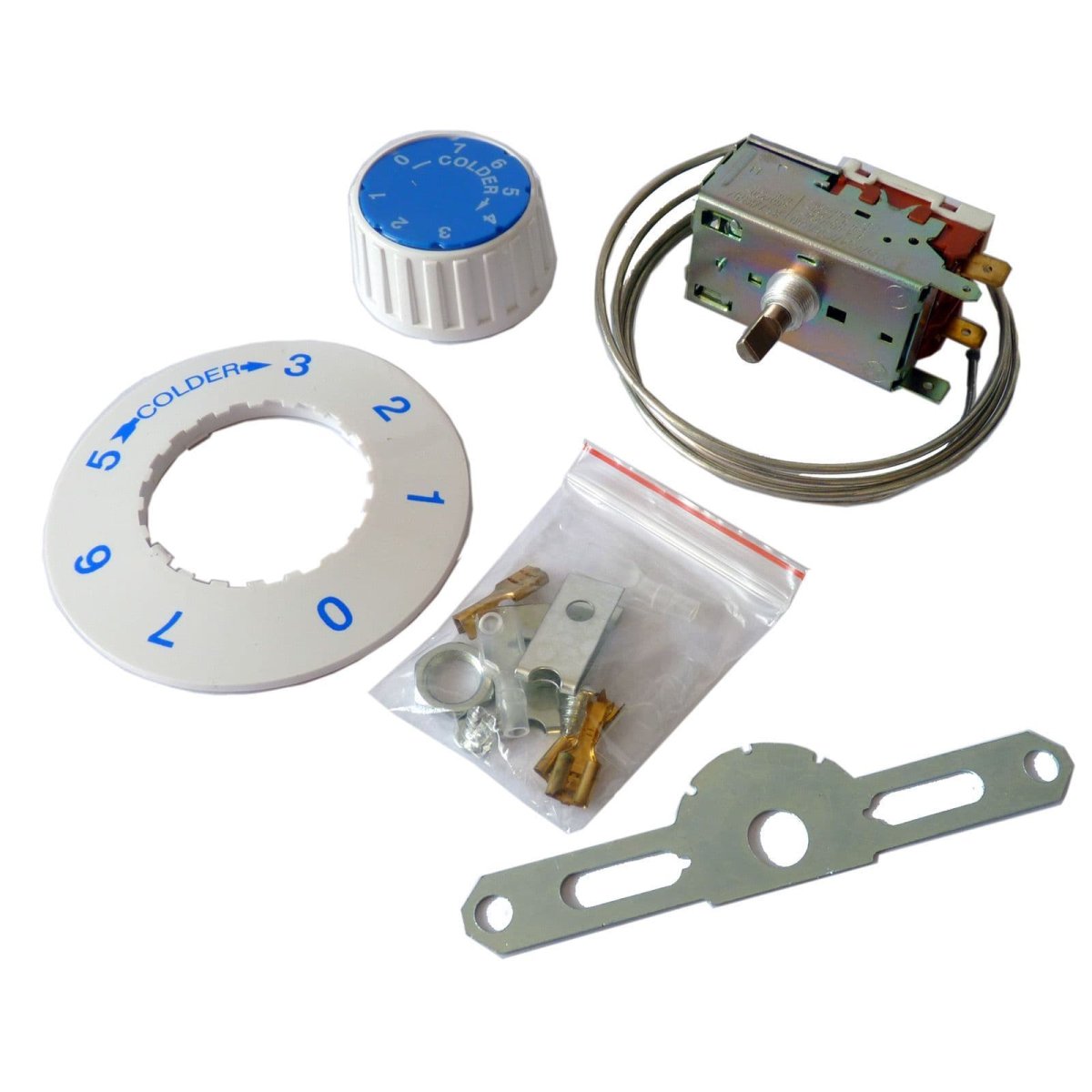
Controls the temperature cycles by powering the compressor on and off
Core Function & Mechanism
The thermostat is essentially a temperature-sensitive on/off switch. [
1]
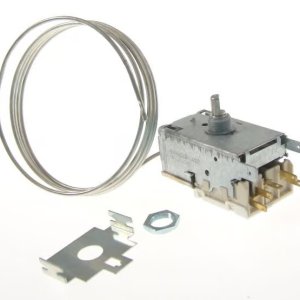
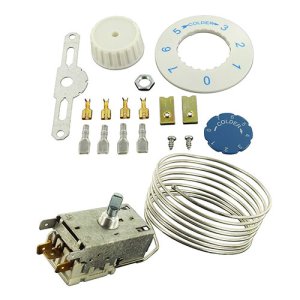
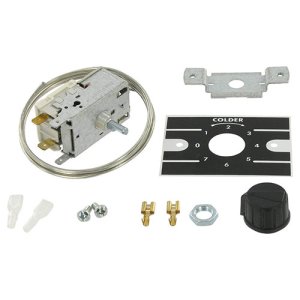
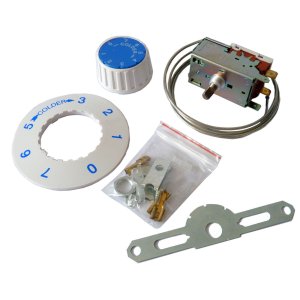
- Sensing: It uses a capillary sensor tube (a thin metal lead) filled with gas or liquid that expands and contracts as temperatures change.
- Control: When it detects that the air inside is too warm, it closes an internal electrical circuit, sending power to the compressor to start the cooling process.
- Cycling: Once the target temperature is reached, the contacts open, cutting power to the compressor until the fridge warms up again
Types of Refrigerator Thermostats
- Mechanical (Traditional): Uses a bimetallic strip or gas-filled bellows to physically open and close contacts. These are reliable, budget-friendly, and usually adjusted with a dial.
- Electronic (Digital): Uses thermistors (sensors that change electrical resistance) and control boards for tighter temperature precision. Many modern units feature digital displays and remote smartphone monitoring.
- Defrost Thermostat: A specialized safety device located on the evaporator coils that shuts off the defrost heater once the ice has melted to prevent the freezer from overheating