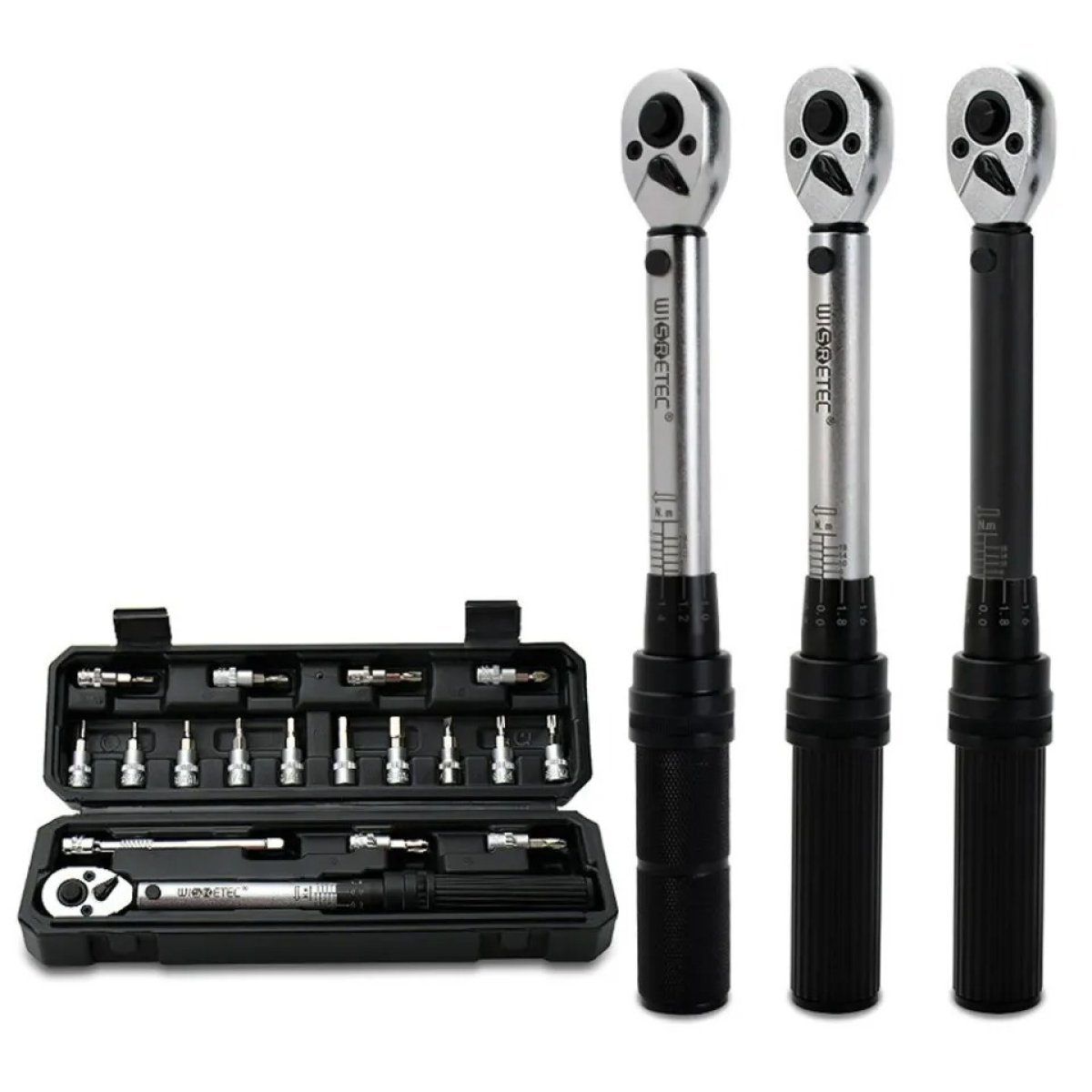
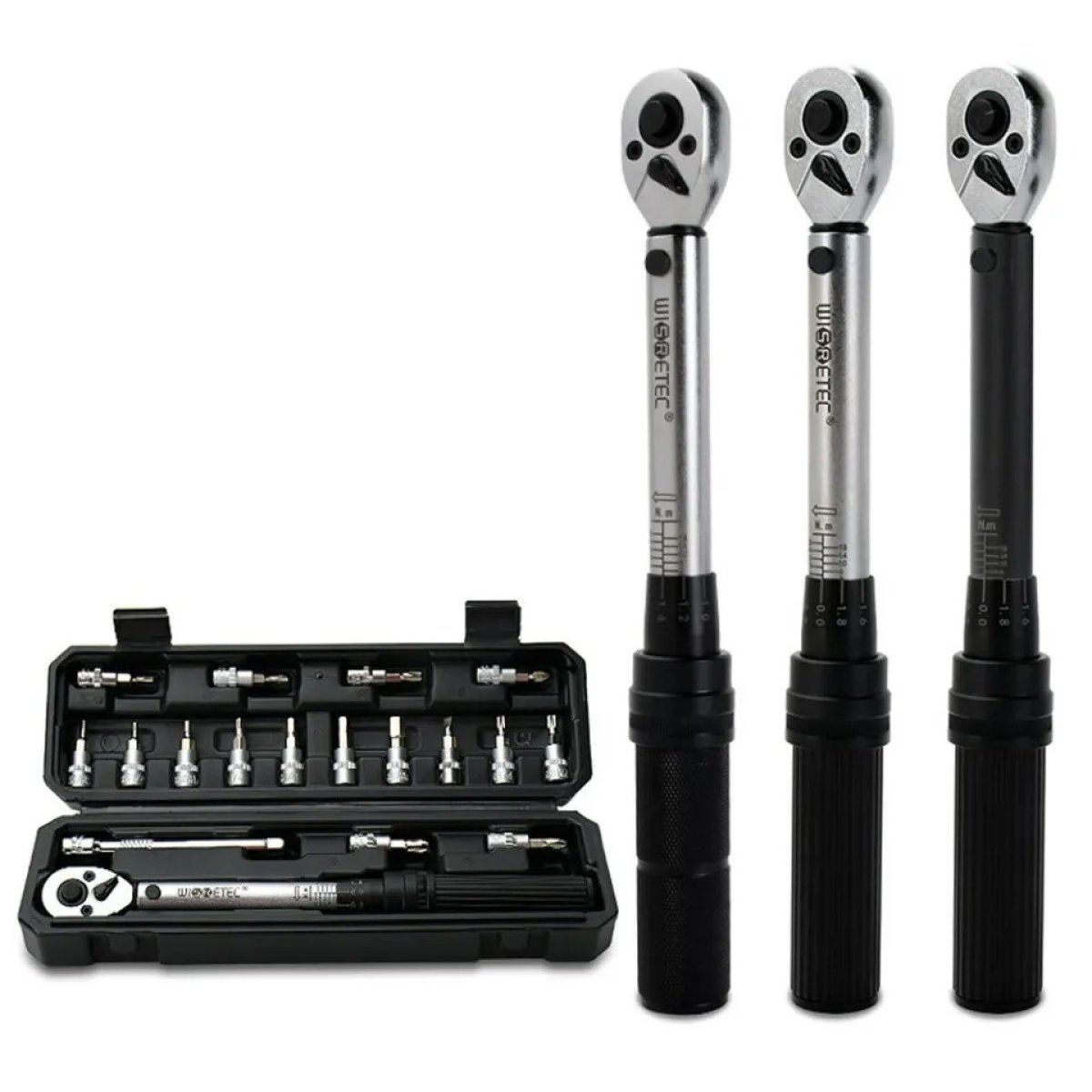
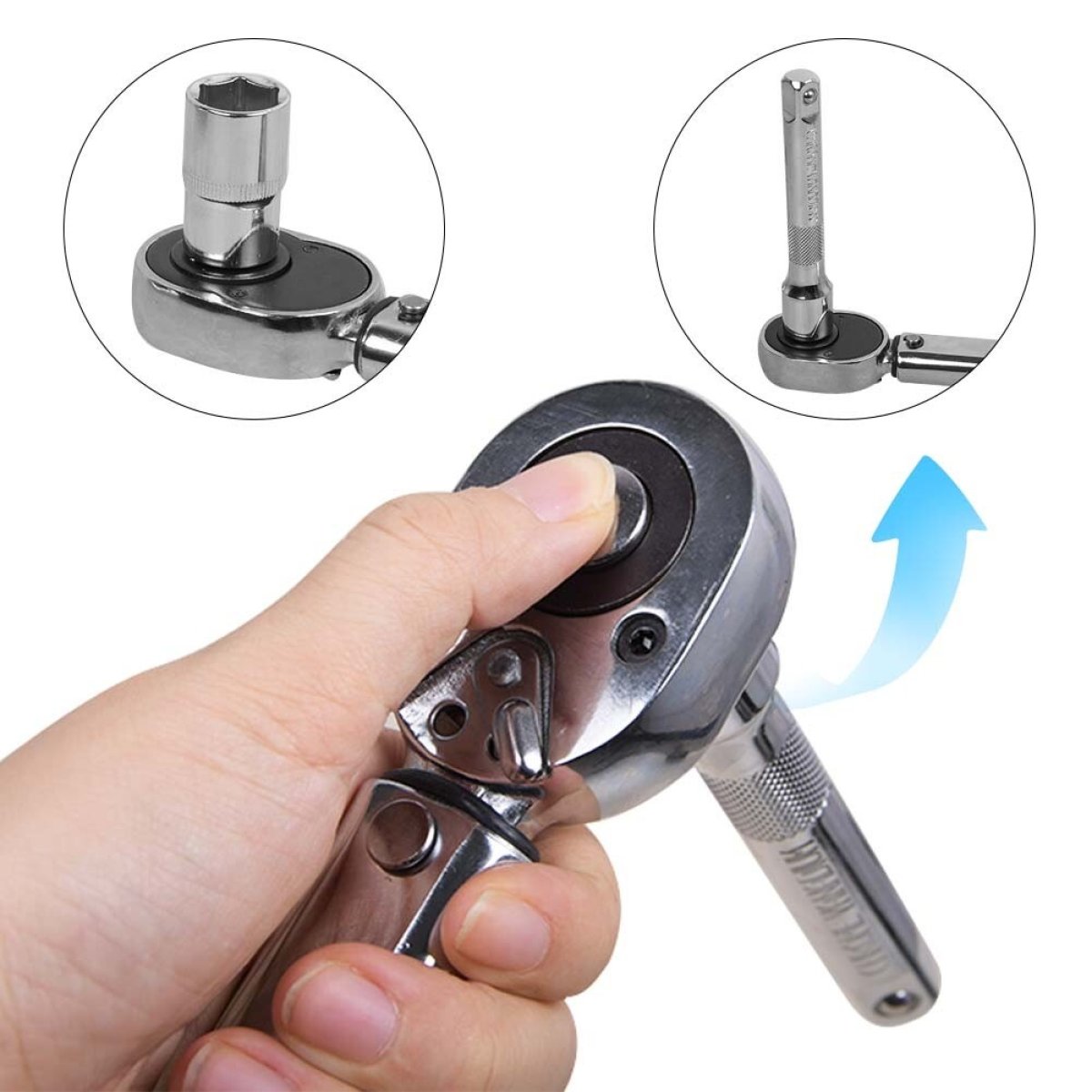
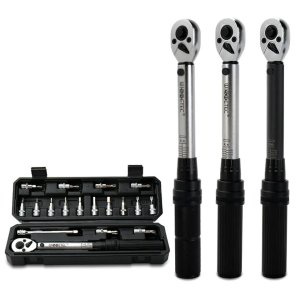
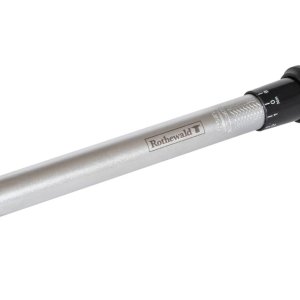
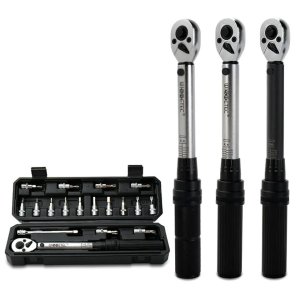
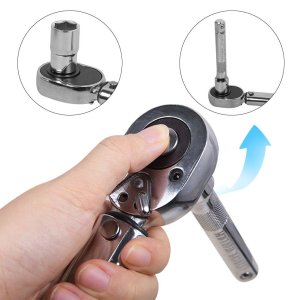
Mechanism: Typically, a "click" torque wrench will produce an audible and felt click when the desired torque value is achieved.
Types: Common types include click-style, beam (pointer), and digital torque wrenches.
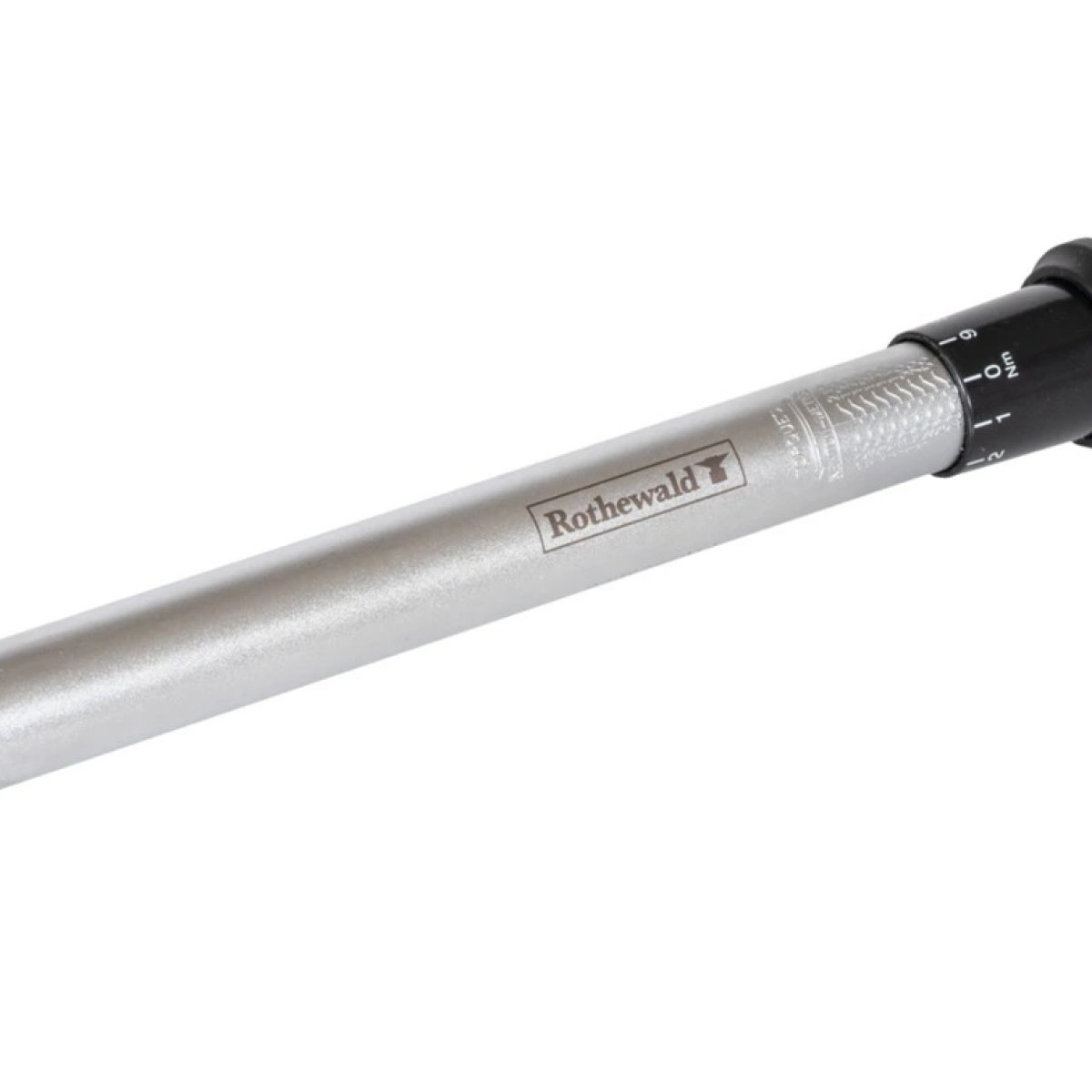
Measurement: Torque is measured in Newton-meters (Nm), foot-pounds (ft-lb), or inch-pounds (in-lb).
Common Ranges: 1/2-inch drive wrenches are used for higher torque (e.g., 40-210 Nm) like wheel lug nuts, while 3/8-inch or 1/4-inch drives are used for lower torque applications
Key Aspects and Features
Mechanism: Typically, a "click" torque wrench will produce an audible and felt click when the desired torque value is achieved.
Types: Common types include click-style, beam (pointer), and digital torque wrenches.
Measurement: Torque is measured in Newton-meters (Nm), foot-pounds (ft-lb), or inch-pounds (in-lb).
Common Ranges: 1/2-inch drive wrenches are used for higher torque (e.g., 40-210 Nm) like wheel lug nuts, while 3/8-inch or 1/4-inch drives are used for lower torque applications
Usage Tips
Not for Loosening: Torque wrenches should not be used to break loose stuck fasteners, as this can damage the calibration.
Calibration: It is important to check the calibration regularly to ensure accuracy, sometimes done with a vise and weight.
Storage: Always reset the wrench to its lowest setting before storage to release tension on the internal spring
Popular Options and Availability
Tolsen: 1/2" drive automatic torque wrench sets (40-210Nm) are popular for, often including an extension bar.
YATO: 1/2" digital torque wrenches, offering features like memory function and ±2% accuracy.